North Dakota Paddlefish Snagging Record
The colossal, ancient North Dakota paddlefish represents a truly unique angling challenge, a living fossil whose sheer size and prehistoric appearance captivate many. For those who dream of making history on the water, pursuing the North Dakota paddlefish snagging record is the ultimate quest. This comprehensive guide will take you through the incredible world of these magnificent fish, the dedicated pursuit of a record-breaker, the vital regulations that govern the fishery, and the specialized gear you'll need to join this exclusive club.
The Unique Allure of Paddlefish in North Dakota
North Dakota might be known for its walleye and pike, but for a certain type of angler, the paddlefish holds a distinct and powerful draw. These are not your average fish; they are truly something special, a testament to nature's enduring designs.
A Living Fossil: The Paddlefish Explained
Paddlefish are absolutely fascinating creatures, often referred to as "living fossils" because their lineage dates back millions of years. Imagine a fish that swam alongside dinosaurs, and you're getting close to the paddlefish. They possess a distinctive, elongated, paddle-shaped snout, which is actually an electroreceptive organ used to detect zooplankton, their primary food source. Unlike most game fish, paddlefish are filter feeders, cruising through the water with their mouths open, sifting out microscopic organisms. Their cartilaginous skeleton gives them a somewhat shark-like feel, and their dark, smooth skin adds to their primeval mystique.
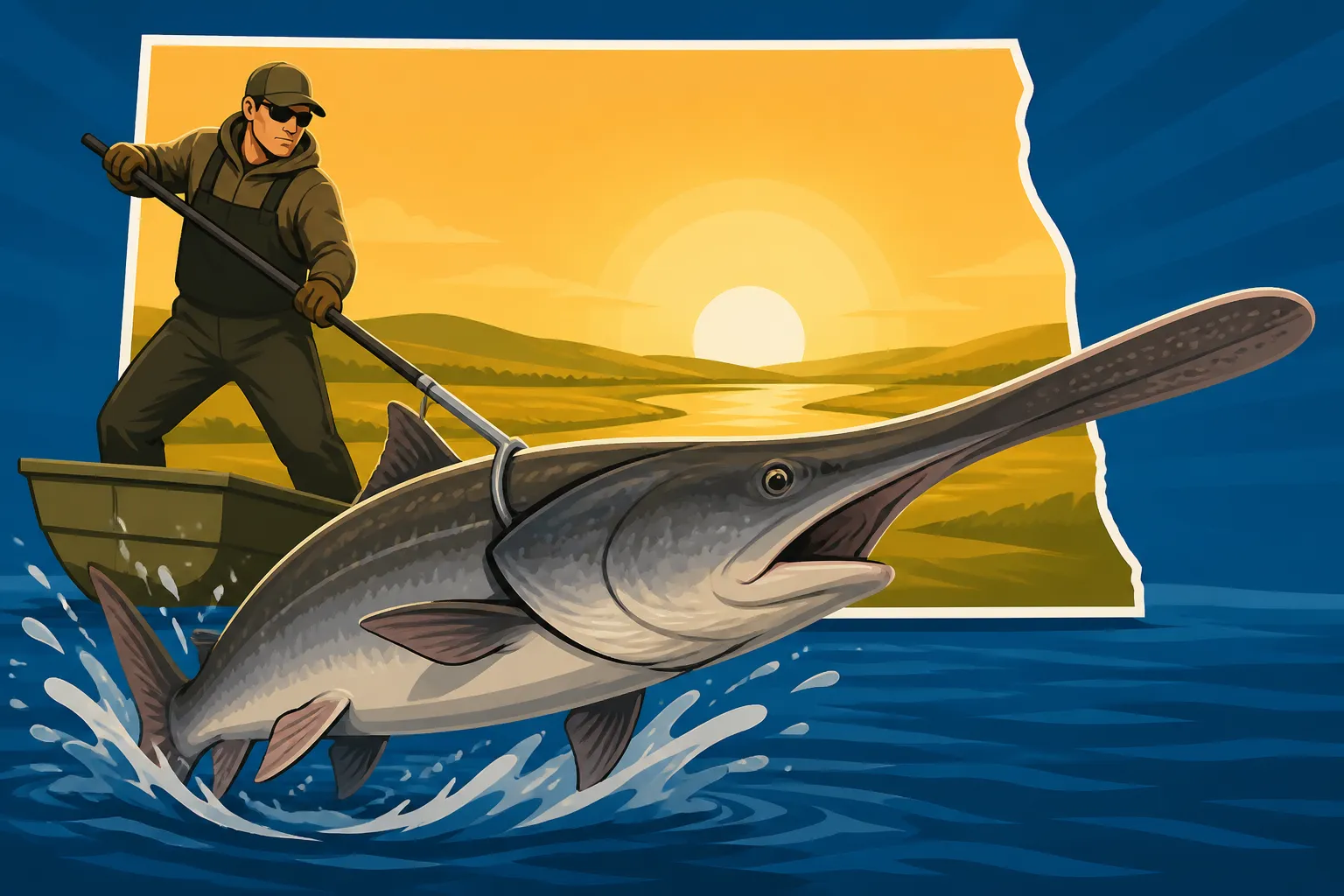
Because they don't actively chase or bite lures and bait in the traditional sense, catching a paddlefish requires a completely different approach: snagging. This method involves using heavy tackle to hook the fish in the body as it swims by. It's a technique specific to certain species, and it's what makes the paddlefish fishery so unique and regulated. Understanding this fundamental difference is key to appreciating both the challenge and the conservation efforts surrounding these incredible animals.
Their preferred habitat in North Dakota consists of large, slow-moving rivers and impoundments within the Missouri River system. They gravitate towards deep water and areas with strong currents that naturally concentrate their food supply. They are truly built for the big water, which is why locations like Lake Sakakawea and the Missouri River are so vital to their survival and popularity among anglers.
Why North Dakota is a Paddlefish Hotspot
North Dakota truly stands out as a premier destination for paddlefish enthusiasts. The state's section of the Missouri River system, particularly the waters around the Garrison Dam and the confluence with the Yellowstone River, provides an incredibly rich and stable environment for these large fish to thrive. The vastness of Lake Sakakawea Fishing Guide for North Dakota Anglers and the flow of the Missouri River Fishing Guide create perfect conditions for healthy, robust paddlefish populations.
This abundance isn't accidental; it's the result of decades of careful management and conservation efforts by the North Dakota Game and Fish Department (NDGFD). These efforts have cultivated a fishery renowned for producing not just numerous paddlefish, but genuinely trophy-sized specimens that often push the limits of what anglers believe possible. It's this reputation for producing monsters that draws anglers from far and wide, all hoping for that one incredible hook-up.
The consistent opportunity to encounter truly massive fish—some stretching over six feet long and weighing well over a hundred pounds—is what solidifies North Dakota's status. While other states may have paddlefish, North Dakota's managed system, combined with excellent habitat, means that the dream of landing a state record, or at least a personal best, is a very real possibility here. This makes it an exciting destination for those seeking an unforgettable, strength-testing angling experience.
The Quest for a North Dakota Paddlefish Snagging Record
Every angler dreams of catching "the big one," but for paddlefish snagging, that dream takes on monumental proportions. It's not just about a big fish; it's about a truly enormous, powerful creature that can test your resolve and your gear to its absolute limits.
Defining a Record Paddlefish
When we talk about a state record for paddlefish in North Dakota, we are almost exclusively talking about weight. Unlike some fish where length might be a secondary consideration, the sheer mass of these ancient giants is what truly counts. A paddlefish that qualifies as a record isn't just a few pounds heavier than the average; it's often a truly gargantuan specimen that stands out for its incredible girth and overall bulk. While many impressive paddlefish caught in North Dakota easily exceed 50 or 60 pounds, a true record-breaker is likely pushing into the triple digits, a rare feat that makes headlines and sets a new benchmark for all other anglers.
The process of verifying a new state record is stringent and handled meticulously by the North Dakota Game and Fish Department. It's not enough to simply say you caught a giant; the fish must be weighed on a certified scale, often at an official NDGFD check station or a location with a certified scale that can be verified by department personnel. This ensures accuracy and removes any doubt about the fish's true weight. Species identification is also confirmed, though paddlefish are so distinct there's rarely any confusion. This rigorous process underscores the prestige and legitimacy of holding a state record in North Dakota.
For an angler, knowing these standards means every ounce counts, and careful handling of a potential record is paramount. From the moment it's brought to shore, minimizing stress on the fish and getting it to a certified scale quickly and safely becomes the top priority. The entire experience shifts from just fishing to a high-stakes mission to record a piece of history.
The Thrill of Landing a Potential Record
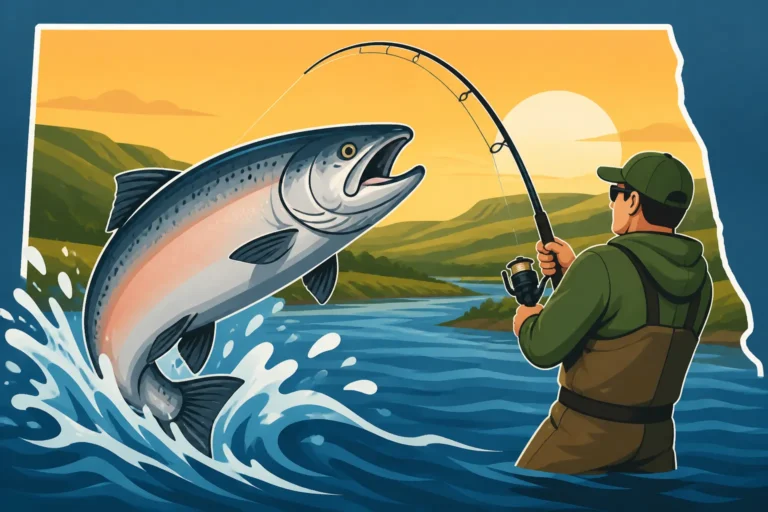
The physical challenge of snagging a colossal paddlefish is unparalleled in freshwater angling. When you hook into a truly massive paddlefish, it’s not just a tug on the line; it’s like snagging a submerged log that suddenly decides to fight back with immense, primal power. These fish don't jump or perform acrobatic feats, but they make long, determined runs and pull with incredible, unrelenting force that can test every fiber of your being and every component of your tackle.
Hours can pass with hundreds of casts, and the conditions might be less than ideal – perhaps windy, or with varying current. But then, there's that solid thud on the line, the rod doubles over, and the reel screams as line peels off at an alarming rate. In that moment, the adrenaline surges, and every ounce of fatigue vanishes. It’s a pure test of strength, endurance, and skill, as you battle a prehistoric leviathan, knowing that this could be the one.
The anticipation, the careful maneuvering of the boat (if applicable), and the coordinated effort with fellow anglers (if fishing with a group) all add to the high drama. Bringing such a fish to the bank or boat requires precise technique and often multiple attempts with a large landing net or specialized gaff. The moment the giant paddlefish is secured and you get your first full look at its incredible size, you realize the magnitude of what you've accomplished. It's a memory etched forever, whether it ultimately claims the record or simply stands as a testament to an epic battle.
Understanding Paddlefish Biology and Growth for Record Catches
To truly appreciate the North Dakota paddlefish snagging record, and perhaps even hope to break it, it helps to understand the incredible biology that allows these fish to grow to such immense sizes. They are truly marvels of the aquatic world.
Factors Influencing Paddlefish Size
One of the primary reasons paddlefish in North Dakota can reach such colossal dimensions is their remarkably long lifespan. These fish can live for 50 years or even more, giving them decades to grow steadily. Unlike many game fish that reach their maximum size relatively quickly, paddlefish are in it for the long haul, slowly accumulating mass year after year. This extended growth period, combined with their filter-feeding efficiency, makes truly massive specimens a possibility.
Beyond age, a stable and abundant food source is absolutely crucial. North Dakota's Missouri River system, particularly the nutrient-rich waters feeding into Lake Sakakawea Fishing Guide for North Dakota Anglers, provides an ideal environment. These waters teem with zooplankton, the microscopic organisms that paddlefish filter from the water. A consistent, high-quality food supply means these fish don't face periods of nutritional stress that could stunt their growth. The sheer volume of water in these large impoundments and rivers also contributes to a stable environment, minimizing fluctuations that could negatively impact their health.
While environmental factors play a huge role, genetics can also contribute to a paddlefish's potential for record-breaking size. Just like in any species, some individual fish may simply be predisposed to grow larger and faster than others. When these genetically superior fish are in an optimal environment, they can truly become giants. This combination of longevity, abundant food, pristine habitat, and a touch of genetic lottery is what allows North Dakota to consistently produce such awe-inspiring paddlefish.
Prime Locations for Trophy Paddlefish
Knowing where these behemoths congregate is half the battle when you're targeting a trophy paddlefish. While paddlefish can be found throughout the Missouri River system, certain areas in North Dakota are renowned for their consistent production of truly massive specimens. The absolute prime location is the confluence of the Missouri and Yellowstone Rivers, particularly around the Fort Union Trading Post National Historic Site. This is where two major river systems meet, creating dynamic currents and concentrating vast amounts of zooplankton, making it a natural feeding ground for paddlefish.
Another incredibly productive area is the stretch of the Missouri River immediately below the Garrison Dam spillway. The dam's discharge creates powerful currents and deep scour holes, which are perfect holding spots for large paddlefish. This turbulent, oxygen-rich water with a steady flow of nutrients and plankton creates an ideal environment. The concentrated numbers of fish here, often waiting for prime feeding opportunities, increase an angler's chances of encountering a true monster.
Anglers serious about pursuing a record-class paddlefish often spend considerable time studying these specific areas, understanding current patterns, and even researching historical catch locations. These are not secret spots, but rather well-known productive zones that demand respect for the resource and an understanding of the immense power of the river. Consulting local guides, checking NDGFD reports, and utilizing detailed topographical maps can provide invaluable insights into where these giants might be lurking. If you're looking for Best Places to Fish in North Dakota for trophy paddlefish, these river sections are at the top of the list.
Navigating North Dakota's Paddlefish Snagging Regulations
Paddlefish are a highly managed species due to their unique biology and the specific method of catching them. To participate in this extraordinary fishery, especially with the hope of catching a record, you absolutely must understand and strictly adhere to North Dakota's comprehensive regulations.
Essential Licenses and Permits
Fishing for paddlefish in North Dakota is not as simple as buying a general fishing license and heading to the river. Due to the species' conservation status and the specialized nature of the fishery, a specific paddlefish tag is required in addition to your standard North Dakota fishing license. This two-tiered licensing system ensures that the NDGFD can closely monitor and manage the number of paddlefish harvested each season. If you are just starting your journey into North Dakota fishing, it's a good idea to consult the North Dakota Fishing License Guide to understand all the basics before diving into the specialized paddlefish regulations.
The paddlefish tags are typically issued through a limited lottery system, meaning not everyone who applies will receive one. This competitive process is a direct reflection of the department's commitment to sustainable management, preventing overharvesting and protecting the long-term health of the population. Applying for your tag well in advance of the season is critical, as you don't want to miss out on the opportunity to participate due to a missed deadline. Details about the cost can be found in the North Dakota Fishing License Cost Guide, but remember that the paddlefish tag is a separate fee.
Furthermore, these tags are often zone-specific, meaning they designate where you are allowed to snag your paddlefish, such as the Upper Missouri River zone or the Yellowstone River zone. Once you've secured your tag, it's usually non-transferable, meaning only you can use it. Understanding these nuances from the North Dakota Fishing Regulations Explained booklet or the NDGFD website is crucial. Failing to have the correct tag for the correct zone can lead to severe penalties, regardless of how impressive your catch might be. Make sure to check Do You Need a Paddlefish Tag in North Dakota? for specific details.
Understanding Snagging Seasons and Limits
Timing is everything in the North Dakota paddlefish snagging season. Unlike many fish species with lengthy open seasons, paddlefish snagging is restricted to a very short and specific window, typically in May. This limited season is carefully chosen to coincide with predictable fish movements while minimizing impact on critical life stages. The exact dates often vary slightly from year to year and by specific zone, so consulting the current North Dakota Fishing Season Dates and Limits is non-negotiable before planning your trip. Anglers often meticulously plan their vacations around these specific dates, knowing they only get a few weeks, if that, to pursue these giants.
Daily and possession limits are also extremely conservative. For paddlefish, it's often a "one fish per season" limit, meaning once you harvest a fish, your paddlefish tag for that year is used, and you're done. This strict limit reinforces the conservation-first approach to this unique fishery. It highlights the immense value placed on each individual fish and ensures that the overall harvest remains sustainable. Immediately upon landing a legally harvested fish, the tag must be securely attached to the fish, as detailed in the regulations, and proper reporting to the NDGFD is usually required, sometimes even at designated check stations.
Beyond the harvest limit, there can be specific size restrictions or requirements for immediate release of untagged fish. For instance, if you snag a fish but haven't yet used your tag or it's below a certain minimum size, you must release it promptly and carefully. The rules are designed to protect the breeding stock and ensure the health of the overall population. Anglers must be prepared to handle and release large, powerful fish gently. Adhering to these nuanced regulations is not just about avoiding a fine; it's about being a responsible steward of a truly precious natural resource.
Legal Snagging Methods and Reporting
Successfully snagging a paddlefish, especially a potential record, requires not only the right equipment but also strict adherence to legal methods. The North Dakota Game and Fish Department specifies exactly how paddlefish may be taken. This typically involves casting and retrieving a heavy-duty rod and reel combination that is spooled with strong line, to which a large, barbless treble hook is attached. The emphasis on "casting and retrieving" is important; it's a controlled technique, not a free-for-all. This method allows anglers to actively seek out fish in the water column and is a far cry from indiscriminate techniques like spearing or harpooning, which are illegal.
The "barbless" requirement for hooks is critical for conservation. Many paddlefish are snagged and released, either because they are too small, outside the legal zone, or the angler has already filled their tag. A barbless hook significantly reduces the harm and stress to the fish during release, increasing its chances of survival. Anglers must ensure their hooks are either manufactured barbless or have the barbs completely crimped down before heading out.
Once a legally tagged paddlefish is harvested, there are specific reporting requirements. This often includes presenting the fish at a designated NDGFD check station, where biologists may collect biological data such as length, weight, and sex. This data is invaluable for monitoring the health and dynamics of the paddlefish population. Anglers contribute directly to the science that ensures the future of this fishery. This entire process, from legal snagging to reporting, underscores the managed and regulated nature of paddlefish fishing in North Dakota, protecting these ancient giants for generations to come.
Gear Up for Your Record-Breaking Paddlefish Snagging Expedition
Chasing a North Dakota paddlefish, especially one of record proportions, is not for the faint of heart, nor for flimsy gear. These fish are immensely powerful, and your equipment needs to be up to the monumental task.
Heavy-Duty Rods and Reels
Forget your standard walleye or bass setup; those simply won't cut it when you're going head-to-head with a hundred-pound paddlefish. What you need is gear built for battle, something akin to what saltwater anglers use for tuna or sharks. Think heavy-duty surf rods, muskie rods, or specialized paddlefish rods. These rods are characterized by an extremely strong backbone, a moderate-fast action for leverage, and enough length (often 7 to 10 feet) to make long casts and absorb powerful runs. The rod's power rating should be "heavy" or "extra-heavy" to handle the immense stress. A good place to start your search for these specialized rods is online, where retailers like "Amazon" offer a wide range of options.
Paired with such a formidable rod, you'll need an equally robust reel. Conventional (baitcasting) reels are often preferred for paddlefish due to their superior cranking power, line capacity, and durability under extreme pressure. Look for reels with a strong, smooth drag system that can withstand long, powerful runs without faltering. Spool your reel with heavy braided line, typically 80 to 100-pound test, or even heavier. Braided line offers superior strength-to-diameter ratio, zero stretch for direct hooksets, and excellent abrasion resistance, which is crucial when battling fish in strong currents near submerged structures.
The combination of a powerful rod, a high-capacity reel, and strong braided line is non-negotiable. Any weakness in this system will likely result in a broken line, a bent hook, or a lost fish, and a record-class paddlefish will exploit any flaw. Investing in quality gear for paddlefish is an investment in your success and your ability to bring these magnificent fish to hand. For more general advice, you might want to check out Best Fishing Rods for North Dakota Anglers.
Essential Terminal Tackle and Accessories
Beyond the rod and reel, your terminal tackle for paddlefish snagging also needs to be exceptionally rugged. The most critical component is the hook. You'll need large, incredibly strong treble hooks, often ranging in size from 8/0 to 12/0. These hooks need to be robust enough to withstand the immense pressure of snagging and fighting a huge fish without straightening or breaking. Remember, by North Dakota law, these hooks must be barbless or have their barbs completely crimped down. This is vital for minimizing harm to fish that are released.
To get your hook down to where the paddlefish are feeding in strong currents, you'll also need substantial lead weights. These can range from 8 ounces to a pound or even more, depending on the current speed and depth. Using heavy swivels and strong split rings is also important to connect all your components securely and prevent line twist. Finding these specialized, heavy-duty items can sometimes be a challenge at smaller bait shops, but online marketplaces like "Amazon" typically offer a wide selection of appropriate tackle. For a broader overview of general fishing tackle, you can check Best Fishing Tackle for North Dakota Lakes.
Finally, don't forget the accessories that will make your expedition safer and more successful. A large, sturdy landing net, or a specialized gaff designed for large fish, is essential for safely bringing a big paddlefish to shore. Heavy-duty gloves will protect your hands from line burns and the rough scales of a fighting fish. If you're pursuing a record, a certified, accurate scale and a measuring tape are non-negotiable for official documentation. A well-stocked Essential Gear Checklist for North Dakota Fishing will ensure you’re prepared for anything these powerful fish throw your way.
Conservation and Ethical Snagging for Future Records
The pursuit of a North Dakota paddlefish snagging record is thrilling, but it comes with a profound responsibility. These are ancient, magnificent creatures, and their conservation depends on the ethical actions of every angler.
Responsible Angling Practices
Engaging in paddlefish snagging is a privilege, not a right, and it demands the highest level of respect for the resource. While snagging is a legal and traditional method for this species, it inherently requires a greater commitment to responsible angling than many other forms of fishing. Your actions on the water directly impact the long-term health and sustainability of this unique fishery.
When you do hook a paddlefish, whether it's a potential record or a smaller fish you intend to release, your actions must be quick and decisive. Minimize the fight time to reduce stress on the fish, especially if it's going to be released. If you're releasing a paddlefish, handle it with extreme care. Support its body fully, especially its heavy belly, and avoid dragging it over rocks or rough surfaces. Get it back into the water as quickly and gently as possible, ensuring it swims away strongly. The goal is to maximize its survival chances so it can continue to grow and contribute to the population, perhaps becoming someone else's record someday.
Ultimately, being a responsible paddlefish angler means going beyond simply following the letter of the law. It means embracing the spirit of conservation, understanding the vulnerability of these long-lived fish, and doing everything in your power to ensure their future. This commitment is what will sustain the fishery and allow future generations to experience the incredible thrill of pursuing a North Dakota paddlefish record.
The Role of Anglers in Paddlefish Conservation
Anglers play an absolutely vital role in the ongoing conservation of North Dakota's paddlefish. Every piece of information you provide, every tag you purchase, and every responsible action you take contributes directly to the health and future of this fishery. When you report your catch, whether harvested or released (if required), you're providing crucial data to wildlife biologists. This data helps them monitor population trends, assess growth rates, and understand the overall health of the paddlefish population. Without this information, it would be much harder for the NDGFD to make informed management decisions that protect the species.
Furthermore, the fees generated from the sale of fishing licenses and specialized paddlefish tags directly fund essential conservation programs. These funds support research into paddlefish biology, habitat restoration efforts, and law enforcement to prevent poaching and ensure fair chase. So, every time you buy a license, you're investing in the very fishery you enjoy. This financial support is the lifeblood of many wildlife management initiatives.
Finally, responsible anglers contribute to conservation through their own actions and by encouraging good practices in others. This includes adhering strictly to all regulations, being mindful of Aquatic Nuisance Species Rules for Boaters to prevent the spread of harmful invasives, and educating fellow anglers on ethical handling and release techniques. By being good stewards of the resource, anglers ensure that the North Dakota paddlefish fishery remains vibrant and capable of producing record-breaking giants for generations to come. The legacy of these ancient fish, and the records they inspire, rests squarely on the shoulders of those who pursue them.
| Feature | Typical Game Fish (Walleye, Pike) | North Dakota Paddlefish (Snagging) |
|---|---|---|
| Primary Method | Bait, Lures, Flies | Snagging (large treble hook) |
| Target Species | Predatory Fish | Filter Feeder |
| Season | Often year-round or long seasons | Short, specific spring season |
| Licensing | General fishing license | Fishing license + special tag |
| Typical Fight | Strikes, runs, jumps | Powerful, deep, heavy runs |
| Record Metric | Weight (sometimes length) | Almost exclusively weight |
| Gear Required | Medium to Heavy | Extra Heavy (saltwater grade) |
Disclaimer
This article is for general informational purposes only and does not constitute professional advice. Laws, prices and regulations vary by location and change over time. Consult a qualified professional for guidance on your specific situation.