Best Fishing Line for North Dakota Lakes
There's nothing quite as frustrating as casting out on a beautiful North Dakota lake, feeling that perfect bite, and then losing your prize fish because your line snapped. Whether it's the sheer power of a trophy northern pike or the subtle nibble of a walleye in deep water, the right fishing line can make all the difference between a story of triumph and a tale of woe. This comprehensive guide will help you navigate the often-confwhelming world of fishing lines, so you can choose the absolute best options for tackling North Dakota's diverse fisheries.
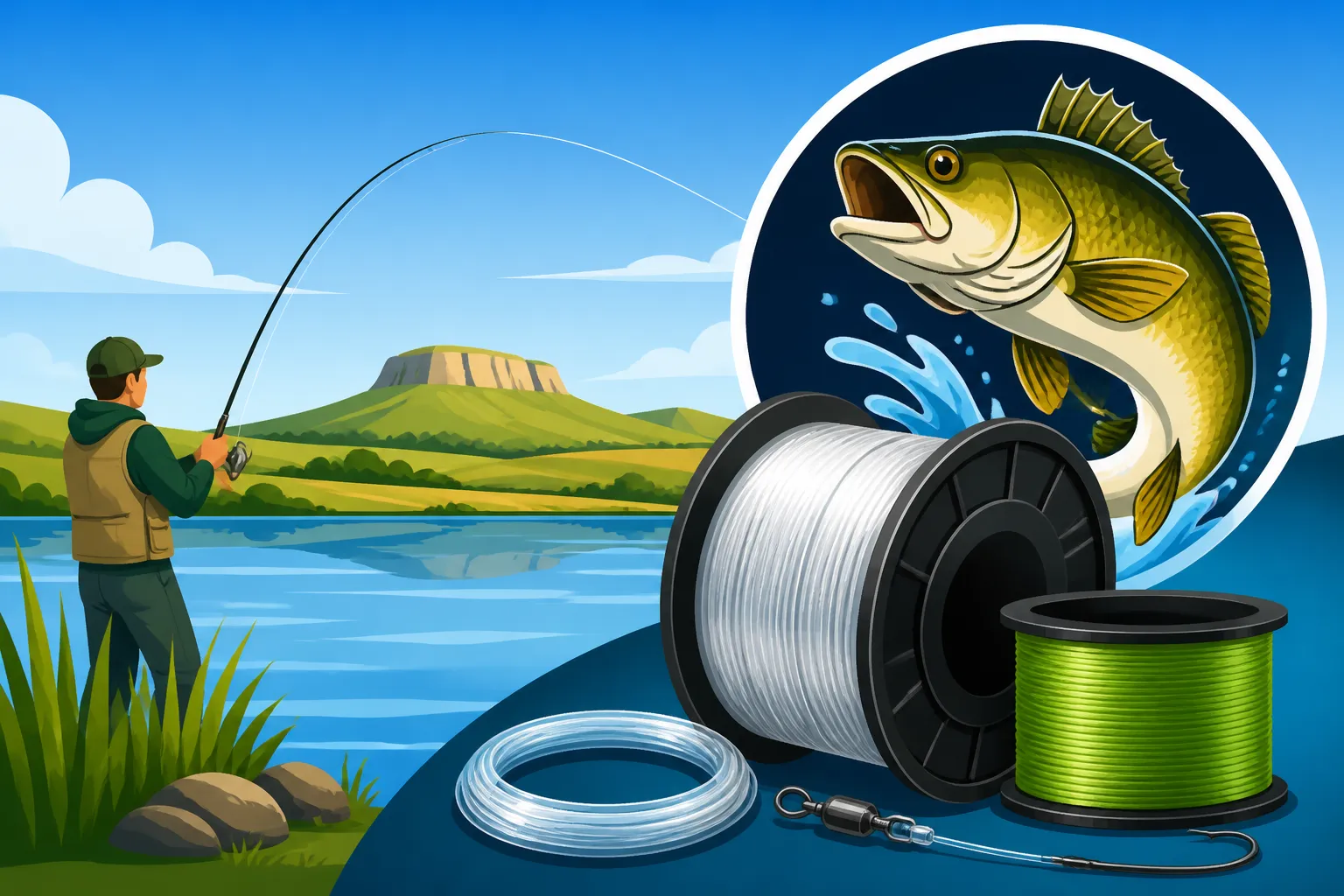
Understanding the Basics: Monofilament, Fluorocarbon, and Braided Line
Before we dive into specific scenarios, let's talk about the three main types of fishing line you'll encounter. Each has its own unique characteristics, and understanding them is the first step to making an informed choice for your North Dakota adventures. It's not about one being "better" than the others, but rather which one is best suited for a particular situation, a particular fish, or even a particular angler's preference.
Monofilament: The Classic Workhorse
Ah, monofilament. For many of us, this was the first type of line we ever used, and it still holds a special place in tackle boxes across the state. Mono, as it's often called, is made from a single strand of nylon, and its versatility is a big part of its enduring appeal. It's generally the most affordable option, making it a great choice if you're just starting out, or if you're looking to spool multiple reels without breaking the bank.
One of monofilament's defining characteristics is its stretch. This might sound like a disadvantage, but it can actually be a huge benefit. The stretch acts like a shock absorber, cushioning sudden strikes and preventing hooks from tearing out of a fish's mouth, especially when you're dealing with hard-fighting fish or setting the hook aggressively. It's also quite forgiving, meaning it's less likely to snap under sudden tension than lines with less stretch. However, this stretch also means less sensitivity, which can make it harder to feel those subtle bites in deeper water or strong currents.
Monofilament also has a tendency to float, which can be advantageous for topwater presentations or when you want your bait to suspend naturally in the water column. It's relatively easy to tie knots with, and it's quite visible, which some anglers prefer for watching their line for bites or when fishing in low light conditions. You'll find it in a rainbow of colors, but often the clear or low-vis green options are most popular for general fishing in North Dakota.
Fluorocarbon: The Nearly Invisible Edge
Fluorocarbon line often gets lumped in with monofilament because it's also a single-strand line, but it's a completely different beast. Made from polyvinylidene fluoride (PVDF), fluorocarbon has a higher density than water, meaning it sinks. This can be a huge advantage when you want your lure to get down quickly or stay in the strike zone without being lifted by currents. It also boasts significantly less stretch than monofilament, which translates to much greater sensitivity. You'll feel every bump, every tick, every subtle take, which is crucial for finicky fish like walleye.
But the real magic of fluorocarbon, and its biggest selling point, is its near invisibility underwater. Fluorocarbon has a refractive index very close to that of water, making it incredibly difficult for fish to see. This "stealth factor" is invaluable in clear water conditions or when targeting wary fish that have seen every trick in the book. Many anglers use fluorocarbon specifically as a leader material, tying a section of it to their main line (often braided) to get the best of both worlds: strength and sensitivity from the main line, and invisibility from the leader.
While fluorocarbon is fantastic for its low visibility and sensitivity, it does have a few drawbacks. It tends to be stiffer and has more "memory" than monofilament, meaning it can retain the coil from the spool, especially in heavier tests. This can sometimes lead to more tangles or "wind knots" if not managed carefully. It's also generally more expensive than monofilament. However, for serious anglers chasing trophy fish in clear North Dakota waters, the benefits often outweigh the costs and challenges.
Braided Line: Power and Sensitivity
Braided line is fundamentally different from mono or fluoro. It's made by weaving together multiple strands of synthetic fibers, usually Spectra or Dyneema. This construction gives braided line incredible strength for its diameter, zero stretch, and exceptional sensitivity. When a fish breathes on your bait, you'll know it. When your lure touches a rock, you'll feel it. This direct connection to your lure and fish is what makes braid so appealing to many anglers.
The minimal stretch in braided line means that every twitch of your rod tip is transmitted directly to your lure, giving you superior control and action. When you set the hook, that energy is transferred instantly, leading to solid hooksets, even at long distances or in deep water. Its thin diameter for a given pound test also means you can cast further and it cuts through the water more easily, making it great for deep presentations or fishing in current. Plus, it's incredibly durable and abrasion-resistant, holding up well against rough cover, rocks, and even the sharp teeth of a northern pike.
However, braid isn't perfect for every situation. Its high visibility can be a deterrent for skittish fish, which is why it's often paired with a fluorocarbon leader. While it's extremely strong, it can also be difficult to cut without specialized tools, and its slippery nature means certain knots can slip if not tied properly and cinched down tight. Despite these quirks, the power and sensitivity of braided line make it an indispensable tool for many serious North Dakota anglers, especially when paired with a good North Dakota Walleye Fishing Guide.
Matching Line to North Dakota's Diverse Waters and Target Species
North Dakota offers such an incredible variety of fishing experiences, from the vast expanses of Lake Sakakawea to the flooded timber of Devils Lake, and the mighty Red River. Each environment, and each target species, calls for a slightly different approach to your fishing line choice. Let's break down some common scenarios.
Walleye Wonders: Line Choices for Lake Sakakawea and Devils Lake
Walleye are undoubtedly king in North Dakota, and rightfully so. They're a challenge to catch and delicious to eat. When targeting walleye, especially on big waters like Lake Sakakawea Fishing Guide for North Dakota Anglers or Devils Lake Fishing Guide for North Dakota Anglers, sensitivity and stealth are often key.
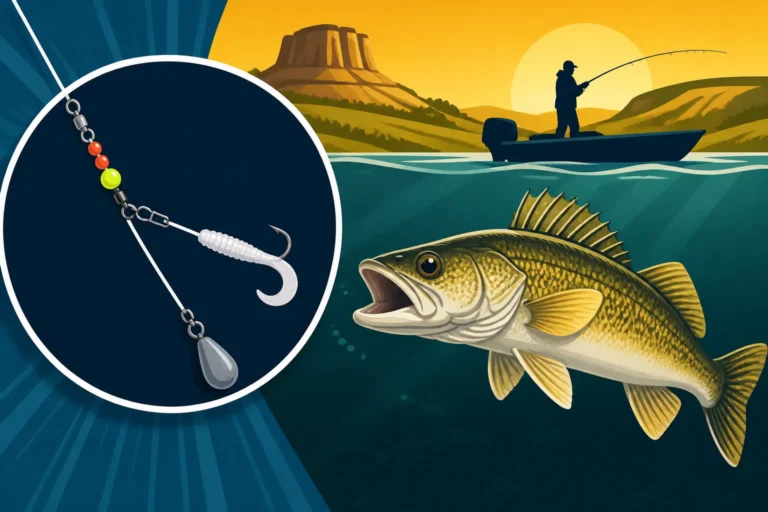
For vertical jigging or rigging live bait in deeper water, a braided main line with a fluorocarbon leader is a powerhouse combination. The braid's zero stretch allows you to feel those incredibly subtle "thunks" that walleye often impart, even if they're just breathing on your bait. A 6 to 10-pound test braided line, like those you can find readily on Amazon or at Bass Pro Shops, is a good starting point, paired with a 8 to 12-pound fluorocarbon leader. The leader's invisibility reduces line shyness, and its slight stretch can provide a little give on the hookset. For those who prefer a single line, 8 to 10-pound test fluorocarbon offers a fantastic balance of sensitivity and invisibility, though you'll sacrifice some casting distance and raw power compared to braid. Monofilament can also work, especially for trolling crankbaits where its stretch acts as a shock absorber against powerful strikes, preventing hooks from pulling free. A 10-pound mono is a solid choice here.
Northern Pike Pursuits: Heavy Duty for Toothier Critters
Northern pike are North Dakota's freshwater barracudas, and their sharp teeth demand a robust line. When you're casting big spoons, inline spinners, or jerkbaits for these aggressive predators, especially in areas with weeds or timber, you need something that can stand up to the fight. This is where braided line truly shines.
A 20 to 50-pound test braided line is ideal for pike. Its high breaking strength for a small diameter means you can really lean into a fish without fear of snapping, and its abrasion resistance helps it hold up against their toothy grins and any submerged structure. You'll still want to use a leader, but for pike, a heavy fluorocarbon leader (20-40 lb test) or even a steel or titanium leader is often necessary to prevent bite-offs. The visibility of the braid isn't usually a major concern for pike, as they are typically less line-shy than walleye and are more motivated by aggressive strikes. If you're looking for gear, Bass Pro Shops typically carries a good selection of specialized pike tackle and line. Using a line that can withstand the abuse is crucial for success, as outlined in any good North Dakota Northern Pike Fishing Guide.
Catfish Challenges: Strength for the Red River Giants
The Red River is legendary for its giant channel catfish, and if you're targeting these whisker-faced behemoths, brute strength is paramount. Catfish aren't particularly line-shy, so you don't need to worry as much about invisibility. What you need is sheer pulling power to haul them out of strong currents and away from snags.
Braided line, again, is often the top choice for serious catfishing. Go heavy, like 30 to 65-pound test braid. This will give you the muscle to winch in those 20-pound-plus channel cats and lift them away from the debris on the river bottom. The no-stretch property of braid also allows for powerful hooksets, which is essential when a big catfish mouths your bait gently. Many anglers still opt for a heavy monofilament (20-30 lb test) for catfishing, especially if they prefer the forgiving stretch and easier knot tying. It's a classic choice that still puts plenty of fish in the boat. Just make sure whatever you choose, it's strong enough to handle the sheer power of a Red River giant. You'll definitely want to check out a North Dakota Channel Catfish Fishing Guide for more tips on these river monsters.
Perch and Panfish Perfection: Finesse for the Smaller Bites
While walleye and pike get a lot of attention, North Dakota's panfish, especially yellow perch on Devils Lake, offer incredible action and a tasty meal. For these smaller, often finicky fish, finesse is the name of the game. Sensitivity and low visibility become incredibly important, as panfish can be very subtle in their takes.
For perch, crappie, and bluegill, a light fluorocarbon or monofilament line is usually preferred. A 2 to 6-pound test fluorocarbon line offers excellent sensitivity and invisibility, allowing you to detect even the slightest nibble and present your bait naturally. It's also great for ice fishing for perch, where their bites can be incredibly light. If you prefer the ease of handling and lower cost, a 2 to 4-pound test monofilament is a classic choice and will certainly catch plenty of panfish, especially if the water isn't crystal clear. The slight stretch of mono can also prevent hooks from tearing out of their delicate mouths. Remember, when you're going for big numbers of North Dakota Yellow Perch Fishing Guide or panfish, a more forgiving setup can be key to keeping them hooked.
| Line Type | Key Characteristics | Best For (ND Fishing) | Pros | Cons |
|---|---|---|---|---|
| Monofilament | Stretchy, good knot strength, floats, affordable | Trolling for walleye, general panfish, beginner setups | Forgiving stretch, easy to tie, good shock absorption, cost-effective | Less sensitive, UV degradation over time, visible to fish, line memory |
| Fluorocarbon | Low stretch, sinks, nearly invisible underwater, stiff | Walleye jigging, clear water, finesse presentations | High sensitivity, stealthy, abrasion resistant, sinks | More expensive, can be stiff, challenging knots, more line memory |
| Braided Line | No stretch, thin diameter, extremely strong, floats | Pike, catfish, jigging walleye (with fluoro leader), heavy cover | Extreme sensitivity, incredible strength, long casting, abrasion resistant | Highly visible, needs leader often, specific knot requirements, expensive |
Factors to Consider Beyond Line Type
Choosing between mono, fluoro, and braid is a big step, but there are other critical considerations that will fine-tune your selection for the best North Dakota fishing experience. Don't overlook these details, as they can significantly impact your success on the water.
Pound Test: Balancing Strength and Presentation
The pound test of a fishing line refers to the approximate amount of force the line can withstand before breaking. It's a critical factor, but it's not always about going for the heaviest line you can find. There's a delicate balance to strike between strength and presentation. Heavier line is thicker, more visible, and can impact the natural action of your lure. Lighter line is less visible and allows for more natural presentations, but obviously risks breaking with a bigger fish or a snag.
For example, when chasing walleye with jigs, you want enough strength to handle a good fish, but a line that's too heavy (say, 20 lb test mono) will make your jig fall unnaturally and be much more visible. A lighter 6-10 lb braid or 8-10 lb fluorocarbon is usually perfect, allowing the lure to perform as intended and remaining less conspicuous. Conversely, if you're muscling huge catfish out of timber on the Red River, a 10 lb test line simply won't cut it, no matter how good your technique. You'll want 30-50 lb test braid to have any chance. Always consider the target species' typical size, their fight, and the cover you'll be fishing in. A good rule of thumb is to use the lightest line you can get away with while still confidently fighting the fish you expect to encounter.
Line Color: Does It Really Matter?
This is a hot debate among anglers, and honestly, the answer often depends on who you ask and what kind of fishing they do. For monofilament and braided lines, you'll find a wide array of colors: clear, green, blue, yellow, red, even multicolored braids.
- Clear/Low-Vis Green/Blue: These are generally considered "safe" choices for monofilament, as they blend in relatively well with most water conditions. If you're concerned about line visibility but still want to use mono, stick to these.
- High-Vis Yellow/Orange/Green: Often used for braided lines, these colors are highly visible above the water. This can be a huge advantage for strike detection, especially when jigging or drift fishing, as you can see your line twitch even before you feel the bite. Many anglers who use high-vis braid simply add a fluorocarbon leader to counter the visibility issue below the water.
- Fluorocarbon: By its very nature, fluorocarbon is designed to be invisible. So, while it might have a slight tint in hand, its purpose is to disappear in the water, making its color less of a concern.
Ultimately, for most North Dakota fishing scenarios, a clear or low-vis mono, or a high-vis braid with a fluorocarbon leader, will serve you well. Don't let line color be the main factor in your decision, but do consider how it might impact your ability to see bites or how visible it might be to wary fish.
Line Memory and Abrasion Resistance
These two factors are often overlooked but are crucial for both performance and durability.
- Line Memory: This refers to the line's tendency to retain the coiled shape of the spool. Monofilament, especially inexpensive varieties, and stiffer fluorocarbons, can suffer from significant line memory. This leads to frustrating coils and kinks, reducing casting distance, causing tangles, and generally making fishing less enjoyable. To combat this, you can stretch your line before fishing, or simply invest in higher quality lines that are designed to have less memory. Braided lines generally have very little memory, which is another one of their advantages.
- Abrasion Resistance: This is how well the line stands up to rubbing against rocks, timber, zebra mussels, or the sharp teeth of fish. This is hugely important in North Dakota, where you might be fishing rocky shorelines, sunken timber in Devils Lake, or current-swept structures on the Missouri River. Fluorocarbon typically excels in abrasion resistance, often even better than monofilament. Braided line is also very strong against abrasion, but it can fray if repeatedly rubbed against sharp edges. Monofilament is generally the least abrasion-resistant, and a nick can quickly lead to a break. If you're fishing in areas with a lot of cover or structure, prioritizing abrasion resistance in your line choice (or using a protective leader) is a smart move. This is especially true when navigating new waters, which you can learn more about in a Best Fishing Lakes in North Dakota guide.
Tips for Spooling and Maintaining Your Fishing Line
Even the best fishing line won't perform optimally if it's not spooled correctly or properly maintained. These often-overlooked details can significantly extend the life of your line, prevent frustrating tangles, and ultimately lead to more successful fishing trips in North Dakota.
Proper Spooling Techniques for Longevity
Getting your line onto the reel correctly is more important than many anglers realize. Incorrect spooling can lead to significant line twist, reduced casting distance, and a higher chance of frustrating tangles and bird's nests, especially with spinning reels.
For spinning reels, the key is to ensure the line comes off the filler spool in the same direction it's going onto your reel spool. Place the filler spool label-side up (or down, depending on how the line is coiled) and let the line uncoil naturally. If you see the line twisting as you reel, flip the filler spool over. Keep a little tension on the line as you reel it in, making sure it lays flat and even across the reel spool. Don't overfill your spool; leave a small gap (about an eighth of an inch) from the lip to prevent line from flying off during casts. Overfilling is a common mistake that causes a lot of problems. For new anglers, there are plenty of helpful videos online, or your local tackle shop like Bass Pro Shops might even spool it for you for a small fee.
For baitcasting reels, the process is a bit simpler since the line goes straight onto the spool. The main thing is to keep consistent, moderate tension on the line as you fill the reel. This prevents the line from digging into itself on the spool, which can lead to backlashes and snags when you cast. Fill it to about the same level as a spinning reel – don't pack it to the brim. No matter the reel type, ensuring your line is evenly distributed on the spool is vital for preventing problems later on the water.
Checking and Replacing Your Line Regularly
Fishing line doesn't last forever, and neglecting to check and replace it is a surefire way to lose fish. Environmental factors like UV light, heat, and even just the friction of casting and retrieving can degrade line over time. Nicks, abrasions, and general wear and tear accumulate, significantly weakening the line.
Make it a habit to check the first few feet of your line frequently, especially after fishing near rocks, docks, or other abrasive structures. Run your fingers along the line; if you feel any rough spots, nicks, or kinks, cut off that damaged section. This simple step can prevent a heartbreaking break-off. As a general rule, monofilament should probably be replaced at least once a season, if not more often if you fish frequently. Fluorocarbon and braided lines are more durable, but still benefit from annual replacement, or at least inspecting and reversing the line on the spool to use the unused portion. When you're preparing for the North Dakota Open Water Fishing Season or getting ready for How to Ice Fish in North Dakota, always make line inspection part of your routine. You can find excellent value bulk spools for seasonal respooling on Amazon.
Line Care on the Water and Off
Proper care extends beyond just spooling and replacement. On the water, try to avoid unnecessary abrasion. If you're fishing around sharp rocks, be mindful of where your line is rubbing. If you snag, try to pull your lure free carefully, rather than just yanking, which can weaken your line significantly. After a day of fishing, especially in saltwater (though less of a concern in North Dakota's freshwater, it's still good practice), a quick rinse of your reel and line with fresh water can help remove any grime or debris.
When storing your rods and reels, keep them out of direct sunlight for extended periods, as UV rays are particularly harsh on monofilament. Store them in a cool, dry place. If you have older spools of line that have been sitting in your garage for years, it's usually best to discard them and buy fresh. The slight cost of new line is a small price to pay for the peace of mind that your gear won't fail you when that trophy fish finally bites. Taking good care of your line is an essential part of maintaining all your Best Fishing Tackle for North Dakota Lakes.
Making Your Final Decision: A Quick Comparison
With all this information, you might be feeling a bit overwhelmed, but don't worry! Choosing the "best" fishing line really boils down to understanding your specific needs for a given day on the water. There's no single perfect line for every scenario, but there's definitely a perfect line for your scenario.
Tailoring Your Choice to Your Fishing Style
Consider how you fish and what you're targeting.
- Are you a finesse angler? If you love to jig for walleye, throw small plastics for bass, or chase panfish, then the sensitivity and low visibility of fluorocarbon or a braid-to-fluoro leader setup will be your best friend. You'll feel every single subtle take, making you a more effective angler.
- Are you a power angler? If you're battling big northern pike, wrestling giant catfish, or casting heavy lures in snaggy cover, then the sheer strength, thin diameter, and abrasion resistance of braided line are indispensable. Pair it with a heavy leader, and you're ready for anything.
- Are you a relaxed, all-around angler? If you're trolling, bank fishing for a variety of species, or simply value ease of use and affordability, then reliable monofilament is still a fantastic choice. Its stretch provides a forgiving buffer, and it's easy to tie knots with. It's often the best starting point for Beginner Casting Tips for New Anglers.
Many experienced North Dakota anglers will have multiple setups, each spooled with a different line type, to cover all their bases. A reel spooled with braid for jigging, another with mono for trolling, and perhaps a light fluorocarbon setup for panfish. This versatility ensures you're always ready, no matter what North Dakota throws your way. Think about the conditions you'll be fishing in – clear water vs. stained, heavy cover vs. open water – and let that guide your decision. Don't be afraid to experiment, and pay attention to what works best for you and your fishing style. After all, the best line is the one that gives you confidence on the water!
Disclaimer
This article is for general informational purposes only and does not constitute professional advice. Laws, prices and regulations vary by location and change over time. Consult a qualified professional for guidance on your specific situation.