How Cold It Gets Ice Fishing on Devils Lake
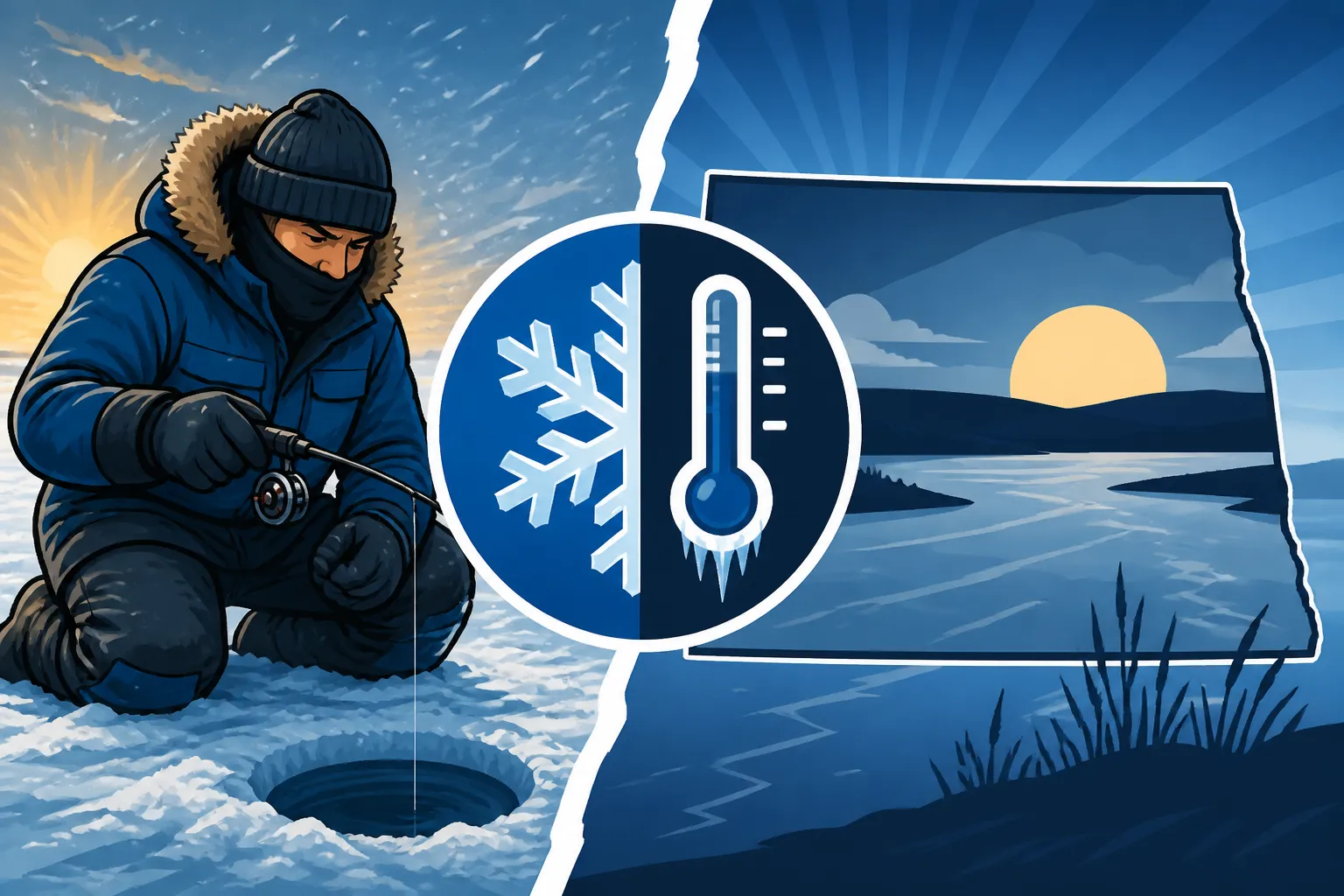
For anyone dreaming of dropping a line through the ice on North Dakota's legendary Devils Lake, there's often one big question that pops up first: "Just how cold does it really get out there?" It’s a completely valid concern. North Dakota winters are no joke, and the thought of being exposed on a vast, frozen expanse can be daunting. But let me tell you, with the right knowledge and preparation, the cold is merely part of the adventure, not a deterrent. This guide will walk you through the typical temperature ranges, the deceptive nature of wind chill, and most importantly, how to stay warm and comfortable while enjoying some of the best ice fishing the Midwest has to offer.
The Chilling Reality of Devils Lake Winters
Let's face it, North Dakota isn't known for its balmy winter breezes. When you're planning an ice fishing trip to Devils Lake, you need to understand that cold isn't just a possibility; it's practically a guarantee. But it's not a uniform cold. There are layers to it, much like the clothing you'll be wearing. The actual air temperature is one thing, but the wind chill, the humidity, and even the sunlight all play a huge role in what you truly experience out on the ice. The flat, open landscape around Devils Lake offers very little protection from the elements, meaning that winds can sweep across the lake unimpeded, turning a merely cold day into a truly frigid ordeal.
Average Air Temperatures: The Numbers Game
When you look at a weather app, you might see the mercury hovering around 0°F to 10°F on an average winter day in North Dakota. Sounds cold, right? Well, that's often the mild side of things, especially during the heart of winter. During January and February, it's not uncommon for daytime high temperatures to stay well below zero, sometimes even reaching -20°F or colder before factoring in the wind. Nighttime lows can easily plummet to -30°F or worse. These aren't isolated incidents; they're fairly standard conditions for the region. Knowing these baseline temperatures helps you set realistic expectations for your trip.
The Wicked Wind Chill Factor: What It Truly Feels Like
Here's where the real magic (or misery, depending on your gear) happens: wind chill. A 10 mph wind on a 0°F day can make it feel like -15°F. Bump that wind up to 20 mph, and suddenly it feels like -25°F. On Devils Lake, sustained winds of 15-25 mph are common, and gusts can be even higher. This means that a seemingly "mild" 5°F day can quickly transform into a dangerously cold experience that feels like -20°F or lower when the wind whips across the vast, open ice. This isn't just about comfort; it's about safety. Exposed skin can suffer frostbite incredibly quickly in these conditions. That's why checking the wind forecast is just as crucial, if not more so, than checking the air temperature.
Seasonal Temperature Swings on Devils Lake Ice
The ice fishing season on Devils Lake isn't a monolithic block of cold. It actually spans several months, and the typical temperatures and conditions you'll encounter can vary quite a bit depending on when you venture out. Each phase of the season has its own unique challenges and rewards, both in terms of fishing and how you need to prepare for the cold. Understanding these nuances can help you pick the best time for your trip and pack accordingly. For a general overview of the fishing calendar, check out North Dakota Fishing Season Calendar.
Early Ice: Deceptive Comfort and Sudden Drops
Early ice, typically from mid-November through December, can often present some of the most "comfortable" conditions for ice fishing, but don't let it lull you into a false sense of security. Air temperatures might hover around the teens or even low 20s°F, making for pleasant days out on the lake. However, cold snaps are very real and can hit hard, dropping temperatures well below zero overnight. The ice might not be as thick or stable during this period, so safety is paramount. Always check How Thick Ice Needs to Be for Ice Fishing before heading out. The fishing can be phenomenal during early ice, as fish are still relatively active from the open water season, but you need to be ready for those sudden shifts in temperature and wind.
Mid-Winter Peak: Embracing the Deep Freeze
January and February are, without a doubt, the coldest months on Devils Lake. This is when North Dakota truly earns its reputation for brutal winters. During this time, sustained periods of sub-zero temperatures are the norm, often dropping to -10°F, -20°F, or even colder during the day. Factor in the wind chill, and you're regularly looking at "feels like" temperatures of -30°F to -50°F. This is when the hardiest anglers truly shine, and your gear becomes absolutely critical. The ice is usually at its thickest and most stable, allowing access to a wider range of Devils Lake Ice Fishing Access Points. While challenging, mid-winter can offer some incredible fishing opportunities for species like perch and walleye, as fish settle into predictable patterns.
Late Ice: Thawing Days, Freezing Nights
As March approaches and spring looms, late ice conditions emerge. You'll start to see more days with above-freezing temperatures, especially in the afternoon sun. These days can feel incredibly mild compared to the mid-winter freeze. However, don't be fooled; overnight temperatures can still plummet well below zero, refreezing slush and creating treacherous conditions. The ice itself can become less stable as it begins to decay, particularly around shorelines and inlets. While the warmer daytime temps might seem inviting, Late Ice Fishing Safety Tips are crucial. Fish often become more active as the water warms and oxygen levels increase, making late ice a prime time for a last-ditch effort at a big catch, but always prioritize safety over fishing.
More Than Just the Thermometer: Personalizing the Cold
While the numbers on the thermometer and the wind chill chart are important, they don't tell the whole story of how cold you'll feel when you're out ice fishing on Devils Lake. Your personal experience of the cold is a complex interplay of environmental factors and, crucially, your own preparation.
Sun, Snow, and Humidity: Unsung Influencers
Imagine a clear, sunny day versus a grey, overcast one, both with the same air temperature. The sunny day will almost always feel warmer, even if the thermometer says otherwise. The sun's radiant heat can make a significant difference, especially if you're out of the wind. Snow cover also plays a role; while fresh snow is beautiful, it can reflect sunlight and actually make the air around you feel colder if you're not in direct sun. Humidity, though less of a factor in the dry North Dakota winter air than in other climates, can still impact how "dry" or "damp" the cold feels. A dry cold often feels more tolerable than a humid one at the same temperature, simply because dampness makes you feel colder faster.
Your Personal Fortress: The Role of Proper Gear
This is where you take control of your comfort, no matter what the thermometer says. Proper gear doesn't just make the cold bearable; it can make it enjoyable. Think of your clothing and shelter as a personal microclimate you create around yourself. I can't stress enough how important it is to invest in quality cold-weather attire specifically designed for extreme conditions. You can find excellent options for insulated bibs and jackets at stores like Bass Pro Shops, where staff can help you navigate the myriad of choices. Similarly, online retailers like Amazon offer a vast selection, often with customer reviews that can give you real-world insights into how gear performs in truly cold environments.
It's not just about the big-ticket items. Your boots, gloves, and headwear are absolutely critical. Many experienced ice anglers will tell you that if your feet and hands are warm, the rest of you is much more likely to be comfortable. Keeping your head covered is also vital, as a significant amount of body heat can be lost through an uncovered head. This kind of preparation is detailed further in guides like What to Wear Ice Fishing in North Dakota and Best Cold Weather Gear for Ice Fishing.
Mastering the Arctic: Strategies for Staying Warm
Now that we've covered the chilling realities, let's talk about the strategies that allow thousands of anglers to not only tolerate but genuinely love ice fishing on Devils Lake every winter. It's all about proactive preparation and smart on-ice tactics.
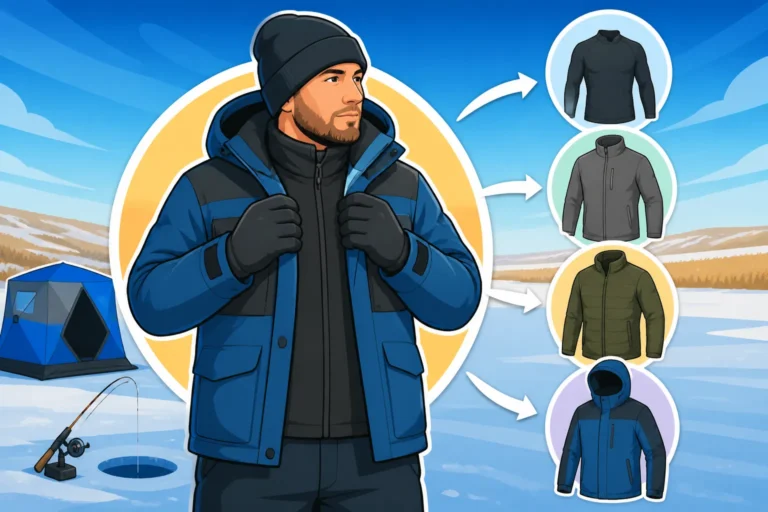
The Art of Layering: Building Your Thermal Armor
Layering is the golden rule of cold-weather comfort, especially when you're going to be active, then sitting still, then active again. It's not just about putting on a lot of clothes; it's about smart layering.
- Base Layer: This is your foundation. Think moisture-wicking materials like merino wool or synthetic blends. Cotton is a big no-no because it holds moisture, and when it gets wet from sweat, it will make you colder, not warmer. This layer pulls sweat away from your skin, keeping you dry.
- Mid-Layers: These are your insulation layers. Fleece jackets, down vests, or heavy wool sweaters work perfectly. You can add or remove these throughout the day to adjust to changing conditions or your activity level. If you're drilling holes with an Ice Fishing Auger Techniques and moving a lot, you might shed a mid-layer; when you're sitting patiently, you'll want it back on.
- Outer Layer: This is your protective shell. Look for something that's waterproof or highly water-resistant and, most importantly, windproof. This layer shields you from the biting winds and any snow or slush. Many ice fishing-specific suits from brands like StrikerICE or Eskimo are designed with flotation and extra insulation, offering an additional layer of safety and warmth.
Don't forget the extremities! High-quality, insulated, waterproof boots are non-negotiable. Thick wool socks (again, no cotton!) are essential. For hands, a combination of thinner, dexterity-friendly gloves for handling tackle and thicker, insulated mittens or "choppers" for when you're not actively fishing is ideal. And a warm hat or balaclava is a must to prevent heat loss from your head.
Creating a Microclimate: Shelters and Heaters
For most anglers, a truly enjoyable Devils Lake ice fishing experience in the deep cold involves an ice fishing shelter and a portable heater. These aren't just luxuries; they're essential tools for comfort and safety.
- Ice Fishing Shelters: From portable flip-overs to larger hub-style shelters, these provide crucial protection from the wind and elements. An insulated shelter, like those you can find from Otter, Clam, or Eskimo, makes an enormous difference. The insulation traps the heat from your body and your heater, creating a surprisingly comfortable interior. Consider a Best Insulated Ice Shelter for Extreme Cold if you plan to fish in the dead of winter.
- Portable Heaters: Paired with a shelter, a safe portable heater can elevate the interior temperature by 30-50 degrees Fahrenheit above the outside air. Propane heaters from brands like Mr. Heater are incredibly popular and effective. Always ensure proper ventilation when using any propane heater inside a shelter to prevent carbon monoxide buildup. Checking reviews for heaters on Amazon can give you a good idea of their performance in various conditions and user safety tips. These tools allow you to strip down to lighter layers inside your shelter, staying comfortable while enduring outside temperatures that could be -20°F or colder.
Internal Warmth: Food, Drink, and Movement
Beyond what you wear and what gear you bring, what you put into your body and how you manage your physical activity also plays a huge role in staying warm.
- Warm Drinks: A thermos full of hot coffee, tea, or cocoa is more than just a treat; it helps warm you from the inside out. Sipping on warm liquids regularly helps maintain your core body temperature.
- High-Calorie Snacks: Your body burns a lot of calories trying to stay warm in the cold. Bring energy-dense snacks like trail mix, nuts, protein bars, and even some chocolate. These provide the fuel your body needs to generate heat.
- Stay Hydrated: It sounds counterintuitive in the cold, but dehydration can sneak up on you and make you more susceptible to the cold. Drink water regularly, even if you don't feel thirsty.
- Keep Moving: When you start to feel a chill, a short burst of activity can often get your blood flowing and warm you up. Stand up, walk around inside your shelter, do some stretches, or even step outside and drill a few extra holes. Movement generates body heat and can prevent you from getting too cold while sitting still.
From high-quality insulated boots to specialized hand warmers, both Bass Pro Shops and Amazon offer a wide array of products designed for extreme cold. Taking advantage of these resources to adequately equip yourself will be the difference between a miserable experience and a memorable one.
Remember, ice fishing on Devils Lake in North Dakota is an incredible experience, but it demands respect for the cold. By understanding the typical temperatures, preparing for the wind chill, and equipping yourself with the right layers and gear, you can comfortably enjoy the thrill of the bite, even when the thermometer is trying to tell you otherwise.
Devils Lake Winter Temperature Ranges
Here's a general idea of what temperatures you might encounter during the Devils Lake ice fishing season. Remember, wind chill will make these feel significantly colder.
| Month | Average High (°F) | Average Low (°F) | Typical Wind Speed (mph) | "Feels Like" Range (with wind chill) |
|---|---|---|---|---|
| November (Late) | 20-30 | 5-15 | 10-20 | 0 to 20°F |
| December | 10-20 | -5 to 5 | 10-25 | -20 to 10°F |
| January | -5 to 5 | -20 to -10 | 15-30 | -40 to -10°F |
| February | 0-10 | -15 to -5 | 10-25 | -30 to 0°F |
| March (Early) | 20-35 | 5-20 | 10-20 | 0 to 25°F |
Note: These are general ranges and actual conditions can vary wildly. Always check the current forecast for Devils Lake before heading out.
Disclaimer
This article is for general informational purposes only and does not constitute professional advice. Laws, prices and regulations vary by location and change over time. Consult a qualified professional for guidance on your specific situation.