How to Register a New Boat in North Dakota
So, you’ve finally done it – you've brought home that shiny new boat, maybe a sleek fishing rig or a pontoon perfect for family outings on Lake Sakakawea. It's an exciting time, but before you can truly hit the water, there's a crucial piece of paperwork to handle: getting your boat officially registered in North Dakota. Many new boat owners feel a bit overwhelmed by the process, wondering exactly where to start and what documents they'll need. This guide is here to walk you through every step, ensuring you understand the ins and outs of boat registration, from initial requirements to keeping your vessel compliant on the water.
The Essential First Step: Why Registering Your New Boat in North Dakota Matters
Bringing a new boat home is a dream come true for many, filled with visions of reeling in trophy walleye or simply cruising on a calm evening. But before those dreams become reality, there’s a vital administrative hurdle to clear: boat registration. This isn't just about red tape; it's a fundamental part of responsible boat ownership in North Dakota, serving several important purposes. Ignoring it could lead to frustrating fines and a day on the water ending before it even truly begins.
Legal Requirements and Your Obligation as a Boat Owner
First and foremost, registering your boat is a legal requirement in North Dakota for most motorized vessels and larger sailboats. Think of it like registering your car; it's how the state keeps track of watercraft and ensures all users are operating within the law. This process grants your boat a unique identification number and requires you to display registration decals, making your vessel easily identifiable. Without proper registration, you could face penalties from the North Dakota Game and Fish Department. It’s a bit like driving an unregistered vehicle – you wouldn’t do it on land, and you shouldn’t do it on the water either. Understanding these North Dakota Boat Registration Requirements is your first step toward hassle-free boating.
Beyond the initial registration, it’s also important to understand that there's a difference between a boat's registration and its title. While both are crucial, registration primarily concerns the right to operate your boat on public waters, whereas the title proves legal ownership. You’ll typically deal with both when acquiring a new vessel, and knowing the Difference Between Boat Registration and Boat Title in North Dakota can save you a lot of confusion.
Safety, Identification, and Environmental Stewardship
Registration isn't just about avoiding fines; it also plays a significant role in safety and environmental protection. In the unfortunate event of an accident, a lost vessel, or a theft, your registration details provide vital information to law enforcement and rescue agencies. It helps them identify your boat and, potentially, contact you. This identification can be crucial in emergency situations on vast waters like Lake Sakakawea or Devils Lake.
Furthermore, North Dakota, like many states, places a strong emphasis on protecting its precious aquatic ecosystems. Part of your boat registration fees typically includes an Aquatic Nuisance Species (ANS) fee. This isn't just another charge; it's a direct investment in keeping invasive species like zebra mussels out of our lakes and rivers. By paying this fee, you're contributing to efforts that inspect boats, educate boaters, and prevent the spread of these harmful organisms. It’s a small but mighty way to practice Aquatic Nuisance Species Rules for Boaters and ensure our waters remain healthy for generations of anglers and boaters.
Navigating the Paperwork: Step-by-Step Guide to North Dakota Boat Registration
Alright, let's get down to the nitty-gritty of actually getting that new boat registered. It might seem like a mountain of paperwork, but by breaking it down into manageable steps, you'll find it's quite straightforward. The key is to be prepared and gather everything you need before you start.
Gathering Your Essential Documents
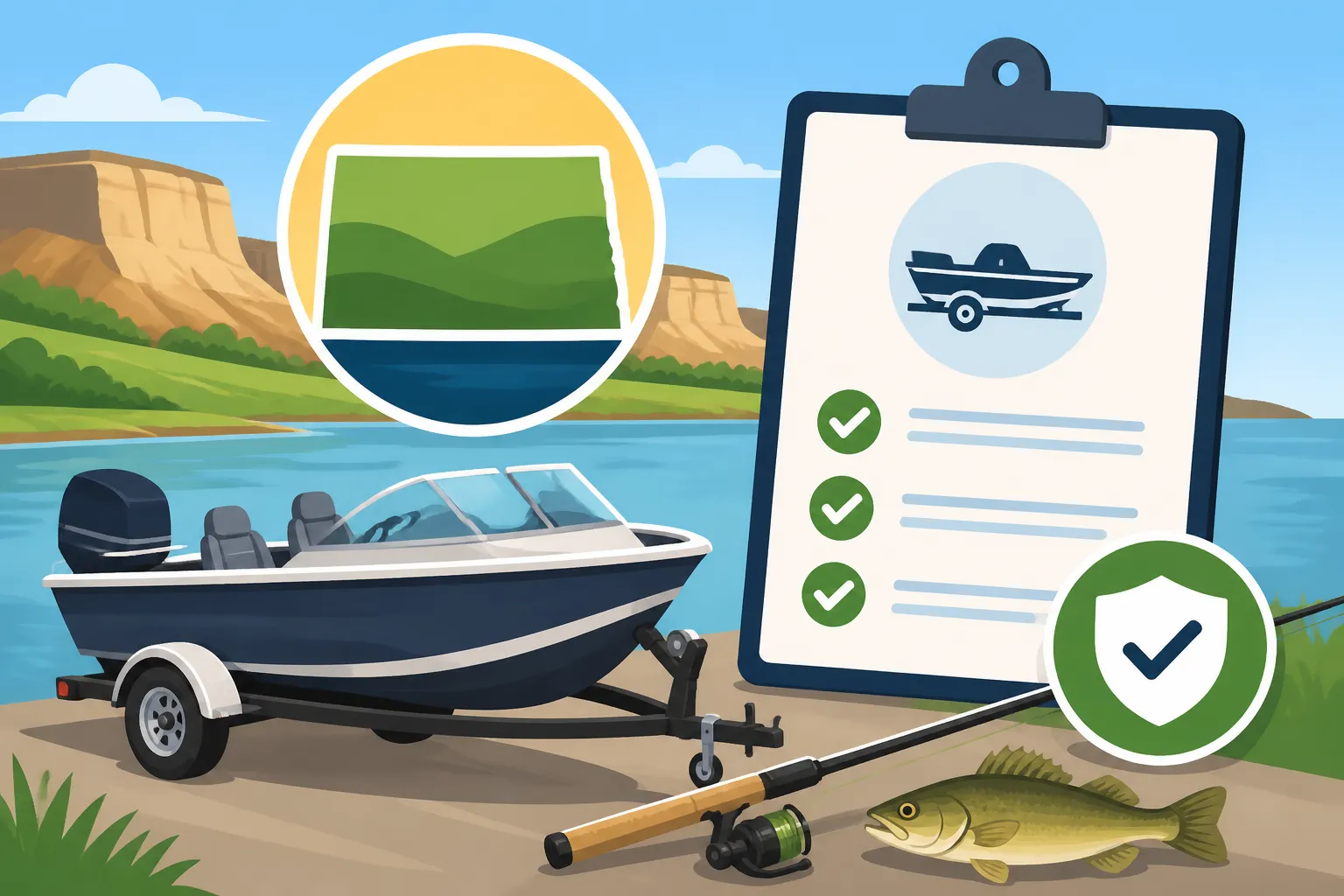
Before you even think about filling out a form, you need to have your ducks in a row with your documentation. The North Dakota Game and Fish Department will require specific proofs to register your vessel. Here’s what you’ll typically need to compile:
- Proof of Ownership: This is usually the manufacturer's statement of origin (MSO) if your boat is brand new. If you somehow acquired a new boat without an MSO (unlikely but possible), a certified bill of sale from a reputable dealer showing the full purchase details might suffice, but an MSO is always preferred for new vessels. This document proves that you are the legal owner of the watercraft.
- Proof of Identity: A valid driver's license or state-issued identification card will be required. This confirms who you are and verifies your residency if you're applying for a resident registration.
- Physical Information about the Boat: You'll need details like the Hull Identification Number (HIN), make, model, year, length, and propulsion type (inboard, outboard, sail). All of this should be readily available on your MSO or directly from the boat itself.
- Engine Information: For motorized boats, you’ll also need details about the engine, including its horsepower and serial number.
Having these documents neatly organized will make the registration process much smoother. It's a good idea to make photocopies for your records before sending anything off or bringing it to an office.
Choosing Your Registration Method: Online, Mail, or In-Person
North Dakota offers a few convenient ways to register your new boat, allowing you to pick the method that best suits your schedule and preference.
- Online Registration: This is often the quickest and most convenient option. You can typically access the online portal through the North Dakota Game and Fish Department website. You'll need to accurately input all your boat and personal information, and you'll likely be able to upload digital copies of your ownership documents. This method is great for those who prefer to handle things from home and receive their decals in the mail. However, for a brand new boat that has never been registered before, you might need to submit original ownership documents, making mail or in-person submission the primary initial path. Always check the current guidelines on the official website.
- Registration by Mail: If you prefer traditional mail or if your new boat requires submitting original documents like the MSO, this is a solid choice. You'll download and print the necessary forms from the North Dakota Game and Fish Department website, fill them out meticulously, attach your required documents, and mail them to the department's licensing division. Be sure to use certified mail for important original documents!
- In-Person Registration: For those who like a personal touch, have questions, or need immediate assistance, visiting a North Dakota Game and Fish Department office or an authorized vendor (like some bait shops or hardware stores) is a great option. This allows you to hand over your documents, pay the fees, and often receive your temporary registration and decals on the spot. It’s particularly helpful if you have any unique circumstances or if you want to ensure everything is correct before leaving. You can find locations that offer registration services on the NDGFD website.
Once you’ve successfully submitted your application and paid the necessary fees, the department will process your request. You'll then receive your registration certificate and the required decals to display on your boat. Remember, you typically have a grace period after purchasing a new boat to get it registered, but it’s always best to do it as soon as possible to avoid any issues. For specifics on these deadlines, check out North Dakota New Boat Registration Deadline.
Beyond the Basics: Understanding Fees, Exemptions, and ANS in North Dakota
When you register your boat in North Dakota, it's not just a one-and-done administrative task. There are ongoing considerations, particular types of fees, and specific exemptions that are important for every boat owner to understand. Knowing these details can prevent surprises and ensure you remain compliant year after year.
Deciphering North Dakota Boat Registration Fees
While I can't give you exact dollar amounts, it's helpful to understand the structure of the fees associated with boat registration in North Dakota. These fees generally depend on a few key factors:
- Boat Length: Larger boats typically incur higher registration fees. The North Dakota Game and Fish Department usually has a tiered system where fees increase as the vessel's length increases. This is a common practice to account for the size and potential impact of different watercraft. You can find a detailed breakdown of these structures on the official NDGFD site, often under North Dakota Boat Registration Fees by Size.
- Registration Period: North Dakota boat registrations are valid for a specific period, usually three years. This means you'll pay a lump sum that covers this entire period, and then you'll need to renew it before the expiration date.
- Aquatic Nuisance Species (ANS) Fee: As mentioned earlier, this fee is a critical component of North Dakota's effort to combat invasive species. It's usually a separate line item but mandatory for most registered boats. Every boat owner plays a part in protecting our waters, and this fee directly funds those vital programs. It covers things like watercraft inspections at popular boat ramps and educational initiatives. While the exact North Dakota Aquatic Nuisance Species Fee Amount can vary, its purpose remains constant: safeguarding our lakes and rivers.
It’s crucial to understand that these fees contribute directly to managing North Dakota's waterways, supporting conservation efforts, safety patrols, and access site maintenance. When you register, you're not just paying for a sticker; you're investing in the future of North Dakota fishing and boating.
Who Needs to Register and Who Gets a Pass?
Not every floating device needs to be registered in North Dakota, which can sometimes lead to confusion. Generally, any boat propelled by machinery (like an outboard motor, even an electric trolling motor) and any sailboat over a certain length will require registration. This covers the vast majority of personal watercraft and fishing boats you see on lakes like Devils Lake or the Missouri River.
However, there are exemptions. Manual power, inflatable boats, canoes, and kayaks that are not mechanically propelled are typically exempt from registration. So, if you're planning a quiet paddle on a calm lake with just a canoe or a kayak, you might not need to worry about registration. However, if you attach a trolling motor to that kayak, even a small one, it likely triggers the registration requirement. For a clear understanding, you might want to check out resources like Do Kayaks Need to Be Registered in North Dakota? and Do Canoes Need to Be Registered in North Dakota?. Always verify the current regulations, as rules can occasionally change.
Here’s a quick overview of what generally needs registration:
| Category | Description | Registration Required? |
|---|---|---|
| Motorized Boats | Any vessel propelled by an engine, including electric trolling motors, regardless of size. | Yes |
| Sailboats | Sailboats over a specific length (check current regulations for exact dimensions). | Yes |
| Personal Watercraft | Jet Skis, WaveRunners, Sea-Doos, and similar vessels. | Yes |
| Canoes/Kayaks | If equipped with a motor (even electric). | Yes |
| Canoes/Kayaks | Paddle-powered only. | No |
| Rowboats/Prams | Paddle or oar-powered only. | No |
| Sailboards/Paddleboards | Generally considered exempt due to design. | No |
Always consult the official North Dakota Game and Fish Department regulations for the most up-to-date and definitive information on exemptions.
Keeping Your Boat Legal: Common Scenarios and Essential Tips
Getting your boat registered is a fantastic first step, but responsible boat ownership extends beyond that initial paperwork. There are situations you might encounter, rules about displaying your registration, and general best practices that will ensure your time on North Dakota's waters is always smooth sailing.
What About Used Boats or Out-of-State Vessels?
The information above mostly covers new boats purchased from a dealer in North Dakota. But what if your situation is a bit different?
- Buying a Used Boat: When purchasing a used boat, the process is similar, but instead of an MSO, you'll need the previous owner's properly signed-over title and a bill of sale. It's crucial that the title is transferred correctly to your name to prove ownership. Without a clear title, you won't be able to register the boat.
- Bringing an Out-of-State Boat to North Dakota: If you’re moving to North Dakota or bringing a boat from another state for an extended period, you’ll need to register it here. There's often a grace period, such as the North Dakota 90-Day Rule for Out-of-State Boats, during which your out-of-state registration is recognized. However, after that period, or if you establish residency, you must register it in North Dakota. The process will be similar to registering a new boat, using your out-of-state title and registration as proof of ownership. For a complete guide, look into Registering an Out-of-State Boat in North Dakota.
These scenarios are common, and the North Dakota Game and Fish Department has clear procedures for them. Just make sure you have all your documentation from the previous state or owner in order.
Proper Display of Registration Numbers and Decals
Once you receive your registration certificate and decals, knowing how to properly display them is key to staying legal. North Dakota has specific rules to ensure your boat can be easily identified by law enforcement.
- Registration Numbers: These are your unique identifying numbers and letters. They must be permanently attached to both sides of the forward half of your boat. The numbers need to be block characters, at least three inches high, and in a contrasting color to the hull. There's usually a space or hyphen separating the letter prefixes and suffixes.
- Validation Decals: These smaller stickers indicate the current validity of your registration. They are usually placed within six inches of your registration number, typically towards the stern on both sides.
Think of it like your license plate and registration stickers on your car; they need to be visible and correctly placed. Failing to display them properly can lead to a citation. Make sure to consult the current North Dakota Fishing and Boating Guide for diagrams and exact placement instructions.
Beyond Registration: Essential Safety Gear and Maintenance
A registered boat is a legal boat, but a safe boat requires more. As a new boat owner, don't forget to equip your vessel with all the necessary safety gear required by law. This typically includes:
- Life Jackets (PFDs): You need one Coast Guard-approved life jacket for every person on board. Children have specific requirements, often needing to wear them at all times while the boat is underway. You can find excellent options for all ages and activities at retailers like Bass Pro Shops or even through online vendors on Amazon.
- Fire Extinguisher: Most motorized boats require at least one approved fire extinguisher.
- Sound-Producing Device: A whistle, horn, or other device capable of producing an audible signal is necessary.
- Visual Distress Signals: For night operation, you'll need appropriate lighting. For coastal waters (not typically an issue in landlocked North Dakota, but good to know for future trips!), visual distress signals are also required.
Regular maintenance, like checking your engine, lights, and ensuring your drain plug is in, is also critical for safety and longevity. Becoming familiar with these basics will not only keep you legal but, more importantly, keep you and your passengers safe on the water. Enjoy your new boat responsibly, and tight lines!
Disclaimer
This article is for general informational purposes only and does not constitute professional advice. Laws, prices and regulations vary by location and change over time. Consult a qualified professional for guidance on your specific situation.