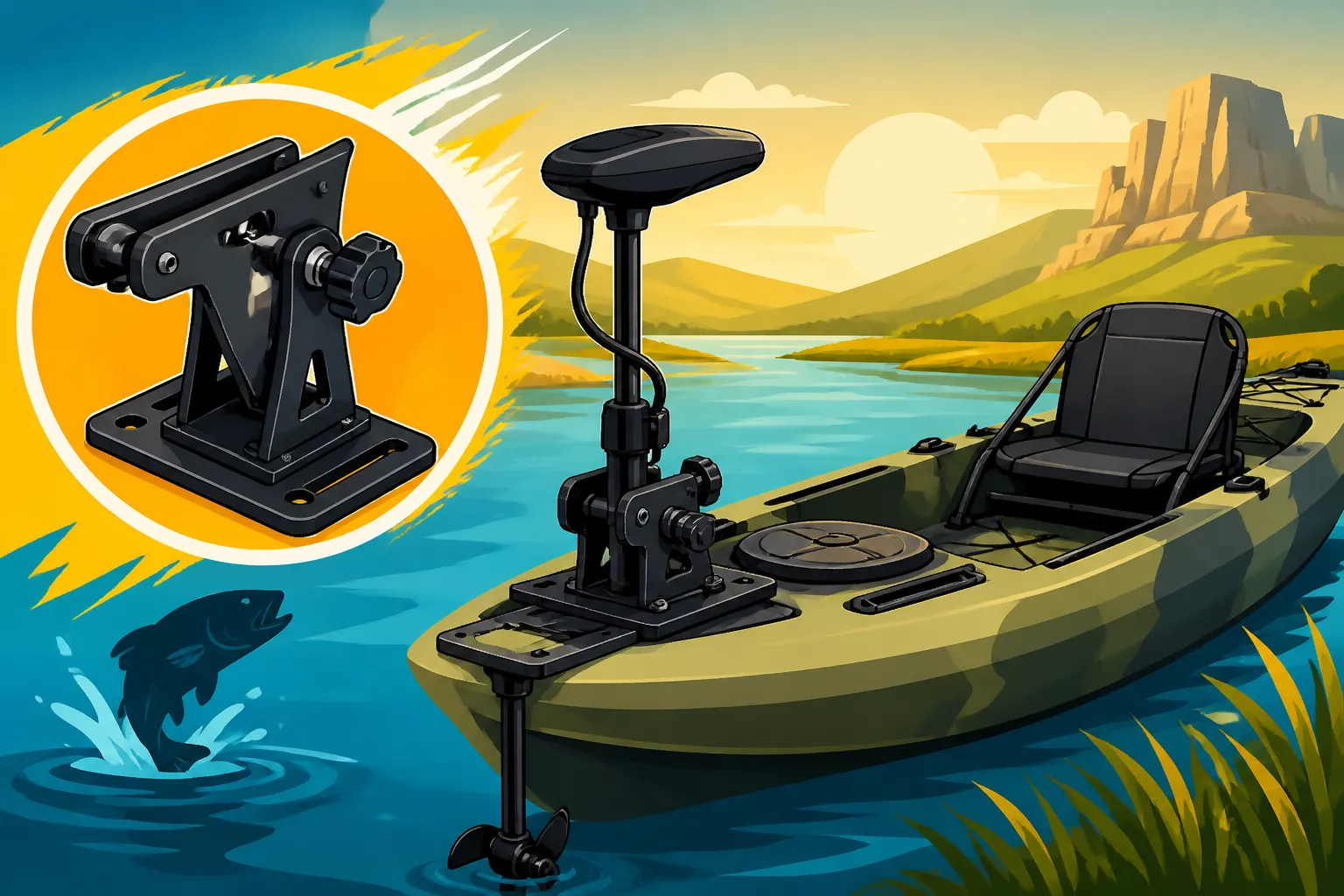
Best Trolling Motor Mount for a Fishing Kayak
The vast, often windy waters of North Dakota's lakes and rivers can make fishing from a kayak a real workout, especially when you're trying to cover ground or hold a spot against the current. Paddling endlessly quickly turns a relaxing day into a tiring chore, leaving you drained instead of delighted. This guide will help you navigate the often-confusing world of trolling motor mounts for fishing kayaks, ensuring you find the perfect setup to power your adventures and make your time on the water more productive and enjoyable.
Why Motorizing Your Fishing Kayak Makes Sense in North Dakota
North Dakota might be known for its big skies, but it's also home to some seriously big water, like Lake Sakakawea, Devils Lake, and the mighty Missouri River. Paddling these expanses can be exhausting, especially when you're battling the notorious North Dakota wind or trying to stay put in a strong current. Adding a trolling motor to your fishing kayak isn't just a luxury; for many, it's a game-changer that transforms their fishing experience.
Imagine being able to quietly cruise along a shoreline, effortlessly holding your position as you cast for walleye, without constantly dropping your paddle. Or picture yourself easily moving from one promising weed line to another on Devils Lake without burning precious energy. A trolling motor provides that crucial assist, extending your range, saving your strength, and allowing you to focus on what you love most: catching fish. It makes covering large areas more feasible, letting you explore new spots you might never have reached with just a paddle. Plus, when that unexpected North Dakota gust kicks up, having a motor can be a real safety net, helping you get back to shore more easily. It truly unlocks the full potential of kayak fishing in our state's diverse aquatic landscapes. If you're looking for Best Kayaks for North Dakota Fishing, considering how a motor might integrate is a smart first step.
Extending Your Range and Battling the Wind
One of the biggest frustrations for kayak anglers in North Dakota is limited range. You might see a promising point or a secluded bay just out of paddling distance, and the thought of the long paddle back can be discouraging. A trolling motor changes that equation entirely. With electric propulsion, you can confidently venture further from your launch point, knowing you have the power to return efficiently, even if conditions change. This is especially true on expansive waters like Lake Sakakawea, where distant coves might hold trophy fish.
The wind here is no joke. It can turn a calm morning into a white-capping challenge in minutes. Trying to maintain your casting position, especially when drift fishing or holding over a structure, can be incredibly difficult with just a paddle. You're constantly correcting, paddling, and repositioning, which takes your focus away from fishing. A trolling motor, particularly one with spot-lock or GPS capabilities, allows you to anchor electronically, holding your position precisely against the wind and current. This means more time with your lure in the strike zone and less time wrestling with your boat. For those truly challenging days, understanding Fishing During North Dakota's Windy Conditions becomes paramount, and a motor can be your best friend.
Conserving Energy for More Productive Fishing
Let's be honest: fishing is supposed to be relaxing, not an endurance sport. When you spend half your day paddling against the wind or current, you're not just getting tired; you're often sacrificing fishing time and focus. Fatigued arms and shoulders lead to less accurate casts, less sensitive bites felt, and ultimately, fewer fish in the cooler. A trolling motor helps you conserve that precious energy.
By letting the motor do the hard work of propulsion and positioning, you free up your body and mind to concentrate on angling techniques. You can make more casts, react quicker to bites, and simply enjoy the tranquility of being on the water. This is particularly beneficial for longer fishing trips or multi-day excursions where consistent energy levels are key to success. Think about those long stretches of the Missouri River where a quiet drift with a motor assist can put you right on the fish without the constant struggle of paddling. This allows you to truly engage with techniques like Jigging for Walleye on Lake Sakakawea or carefully presenting bait for Red River Catfish Fishing Spots in North Dakota.
Common Types of Trolling Motor Mounts for Kayaks
When it comes to putting a trolling motor on your fishing kayak, it's not a one-size-fits-all situation. The type of mount you choose will depend heavily on your kayak's design, the kind of fishing you do, and your personal preferences for control and maneuverability. Understanding the pros and cons of each type is crucial to making an informed decision.
Transom-Style Mounts
This is arguably the most common and often simplest solution for many kayaks, especially those designed with a flat stern or an existing mounting point. A transom mount essentially mimics how a trolling motor would attach to a small jon boat or canoe. It involves a bracket that clamps or bolts to the rear (transom) of the kayak. The motor then clamps directly onto this bracket.
Many recreational kayaks, especially larger fishing models, will have a small, flat area at the stern that can accommodate such a mount. Some kayaks even come with pre-installed inserts or a designated "motor mount ready" feature. The beauty of a transom mount is its simplicity. It's often easy to install and remove, making transport and storage less of a hassle. However, steering is typically done by hand, reaching behind you, which can be awkward. Some anglers overcome this by adding a remote steering kit or an extension handle. These mounts are widely available, from outdoor retailers like Bass Pro Shops to online marketplaces like Amazon, and come in various designs to fit different kayak sterns.
Universal Side Mounts
Universal side mounts are a versatile option for kayaks that don't have a suitable transom or if you prefer the motor to be off to one side. These mounts typically consist of a long arm that extends out from the side of your kayak, with a bracket at the end where the trolling motor attaches. The arm is often secured to the kayak's gunwale (the upper edge of the side) using clamps or by bolting it directly.
The "universal" aspect comes from their adjustability; many can be positioned and angled to fit a variety of kayak shapes. One key advantage is that the motor is closer to your seating position, making manual steering a bit easier than with a traditional transom mount. However, having the motor on the side can affect how you paddle and may create a slight imbalance, especially in choppy water. They can also be a bit bulkier than transom mounts, potentially getting in the way when you're actively casting. It's important to ensure the mount is robust enough to handle the motor's thrust and the forces of water resistance, especially if you're fishing larger bodies of water.
Bow Mounts
Bow mounts are less common for kayaks but offer superior control, especially when paired with a foot-pedal or GPS-enabled remote control trolling motor. These mounts attach to the front (bow) of the kayak, allowing the motor to pull the boat rather than push it. This "pulling" action is generally considered more efficient and provides much finer control over steering and positioning, akin to a larger bass boat.
The challenge with bow mounts on kayaks is the installation. Most kayaks aren't designed with a sturdy, flat area on the bow to accommodate a traditional bow mount bracket. This often requires custom fabrication or modifications to reinforce the bow. Furthermore, a bow-mounted motor might extend quite a bit in front of the kayak, potentially interfering with casting or landing fish. However, for dedicated kayak anglers who demand maximum control and are comfortable with DIY projects or specialized kayaks, a bow mount system can be incredibly effective, especially for precision fishing tactics like working specific structures for North Dakota Walleye Fishing Techniques. When considering this option, you'll also want to look at Best Trolling Motor Thrust for Big Lakes to ensure you have enough power for effective control.
Pontoon-Style or Outrigger Mounts
Some unique mounting solutions involve pontoon or outrigger systems that attach to the kayak. These systems provide a stable platform on which to mount a trolling motor, often off to the side or even between two pontoons. The primary benefit of these setups is the added stability they bring to the kayak, which can be a huge plus on larger, wavier lakes. If you've ever felt a little tippy on Lake Sakakawea Fishing Guide for North Dakota Anglers, this might appeal to you.
The motor itself can then be transom-mounted to a bar or plate that spans the outriggers or pontoons. While these offer excellent stability and a dedicated mounting point, they also add significant bulk, weight, and setup time. They can make launching and retrieving more cumbersome and might reduce the kayak's overall speed due to increased drag. However, for anglers who prioritize a super stable platform and a dedicated motor mount, these systems can be a robust solution. They are often a custom-built solution, or you might find kits that allow you to adapt common outrigger systems for motor use.
Choosing the Right Mount: Key Considerations for North Dakota Waters
Selecting the best trolling motor mount isn't just about what can fit on your kayak; it's about what will work best for the specific challenges and opportunities presented by North Dakota's diverse fishing environments. From the broad expanse of Lake Sakakawea to the winding currents of the Red River, each body of water demands different considerations from your setup.
Kayak Design and Stability
First and foremost, your kayak's design is going to dictate a lot of your mounting options. Does your kayak have a flat, reinforced transom area that would easily accept a clamp-on mount? Many modern fishing kayaks are now "motor-ready" and simplify this process significantly. If not, you'll need to consider side mounts or even look at more involved bow-mount solutions. Pay close attention to the structural integrity of your kayak in the potential mounting area. A flimsy stern or thin plastic gunwale might not hold up to the vibrations and thrust of a trolling motor over time, especially in choppy conditions.
Stability is another critical factor. North Dakota can be windy, and larger lakes can get very rough very quickly. If your kayak is inherently less stable, a side mount might exacerbate any tippy feelings, especially when the motor is engaged. In such cases, a transom mount might be preferable, as it keeps the weight more centered at the stern. For ultimate stability, especially if you plan to stand and fish, you might even consider an outrigger system that inherently provides a stable platform for your motor. Remember that adding a motor, battery, and mount will shift the kayak's center of gravity and add weight, so always test your setup in calm waters first. This is especially true when considering Is Kayak Fishing Safe on Lake Sakakawea?.
| Mount Type | Pros | Cons | Best For |
|---|---|---|---|
| Transom Mount | Simple, easy to install, widely compatible | Awkward steering, less precise control | Kayaks with flat sterns, casual cruising |
| Side Mount | Better steering access, adaptable to many kayaks | Can affect paddling, minor stability impact | Kayaks without transom, focused bank fishing |
| Bow Mount | Superior control, precise positioning | Complex installation, potential obstruction | Dedicated tournament/techy anglers |
| Pontoon/Outrigger | Excellent stability, dedicated platform | Bulky, adds weight, reduces speed | Standing anglers, rough water, heavy gear |
Intended Use and Water Conditions
How you plan to use your motor and where you typically fish in North Dakota should heavily influence your choice. Are you primarily looking for a slow cruise across a calm prairie lake to get to your favorite panfish spot? A simple transom mount will likely suffice. Do you plan to spend hours slowly trolling for walleye on Lake Sakakawea, needing precise speed control? Then a more robust, stable mount is crucial, possibly even one that allows for deeper motor deployment in bigger waves.
If you're frequently battling the currents of the Missouri or Red River, a mount that offers excellent directional control is paramount. A bow mount, if feasible, provides the best "point-and-go" steering against current, whereas a transom mount might require more active paddling to keep your nose pointed where you want it. In any case, consider the typical wave action you'll encounter. A mount that keeps the propeller submerged consistently, even through wakes or chop, will perform much better and prevent cavitation, which is when the prop spins in air. This also ties into the best fishing spots on the Red River border waters or How to Anchor a Boat on the Red River.
Ease of Installation and Portability
Let's face it, not everyone is looking for a complex DIY project. For many, a simple, quick-to-install, and easy-to-remove mount is key. Transom mounts often win in this category, as they can frequently be clamped on and off in minutes. This is great for anglers who frequently transport their kayak on top of a vehicle or store it in a small garage. You can often find a good selection of these practical mounts at retailers like Bass Pro Shops or online at Amazon, designed for straightforward attachment.
Side mounts can vary in installation difficulty, with some being simple clamps and others requiring drilling into the kayak hull. Bow mounts almost always require more significant modification and permanent attachment. If you're someone who values being able to quickly launch and retrieve, or if your storage space is limited, lean towards mounts that don't involve a lot of fiddling or permanent fixtures. Always think about the entire process, from loading your kayak onto your vehicle to getting it ready on the ramp. A bulky, complicated mount might seem great on paper, but if it adds 20 minutes to your setup and breakdown, it might not be the right fit for your fishing style.
Installation, Use, and Maintenance of Your Kayak Trolling Motor Mount
Once you've picked out the perfect trolling motor mount for your kayak, the journey isn't over. Proper installation, smart usage, and diligent maintenance are absolutely essential to ensure safety, longevity, and optimal performance of your motorized setup. Skipping these steps can lead to frustrating days on the water, or worse, damage to your gear or kayak.
Step-by-Step Installation Guide
Each mount will come with specific instructions, and it's always best to follow those closely. However, here's a general overview of what to expect:
- Read the Instructions Thoroughly: This seems obvious, but it’s the most overlooked step. Understand all components and steps before you even pick up a tool.
- Gather Your Tools: You’ll likely need wrenches, screwdrivers, a drill (if drilling is required), sealant (for waterproof connections), and measuring tape.
- Position the Mount:
- Transom Mount: Place the bracket on the stern, ensuring it's centered and clear of any paddling interference. If clamping, ensure a secure, tight fit without overtightening and damaging the kayak material. If bolting, mark holes, drill carefully, and use marine-grade sealant on all bolts to prevent water intrusion.
- Side Mount: Position the arm along the gunwale, ensuring the motor will sit clear of your paddle stroke and any other gear. Consider how it will affect your balance. Secure clamps tightly or drill and seal bolts as per instructions.
- Bow Mount: This is often the most complex. It will typically involve a large plate or bracket that needs to be bolted to the bow, often requiring internal access to reinforce the area. This is usually a more permanent installation.
- Attach the Trolling Motor: Once the mount is securely in place, attach your trolling motor to the mount's bracket. Ensure all clamps are tight, and the motor is oriented correctly for steering.
- Route Wiring (if applicable): Plan how you'll run your motor's power cables to your battery, which should be stored in a dry bag or box. Ensure cables are secured and not prone to snagging. Consider using dedicated Best Portable Power Station for Ice Fishing Electronics for clean power.
- Test in Shallow Water: Before heading out into deeper or active fishing areas, always test your setup in calm, shallow water. Check for stability, steering response, and ensure no parts are rubbing or interfering.
Remember that drilling into your kayak voids warranties and can create weak points if not done correctly. If you're unsure, consult a professional or consider universal, clamp-on options.
Maximizing Performance and Safety on the Water
Using your trolling motor effectively and safely is paramount, especially on North Dakota's waters where conditions can change rapidly. First, always carry a Best Life Jackets for Cold Water Fishing, and ensure it's worn, especially when operating a motor, even in a kayak. While kayaking can feel very "hands-on," the motor adds a new dimension of speed and potential for unexpected maneuvers.
When using your motor, start at a low speed, especially if you're navigating tight spots or unfamiliar areas. Higher speeds can drain your battery quickly and reduce control. Learn how your kayak handles with the motor's thrust, particularly in crosswinds or current. If you have a foot-pedal control, practice using it until it feels intuitive. Consider bringing a backup paddle; motors can fail, batteries can die, and you don't want to be stranded on a large lake like Sakakawea far from shore. For specific considerations about powering your motor, you might also want to read Best Trolling Motor Battery for All-Day Fishing. Always be aware of other boaters, swimmers, and hazards in the water. Keep your eyes up and pay attention to your surroundings, especially when navigating busy areas near boat ramps or popular fishing spots.
Proper Maintenance for Longevity
Like any piece of fishing gear, your trolling motor mount needs a little love to keep it in top shape. After every use, especially if you've been in saltwater (though less common in North Dakota, it's good practice) or muddy fresh water, rinse your mount and motor thoroughly with fresh water. This prevents corrosion and buildup.
Periodically check all bolts, clamps, and connections for tightness. Vibrations from the motor and general use can cause hardware to loosen over time. Re-tighten anything that feels wobbly. Inspect the mount for any cracks, bending, or signs of stress, particularly around attachment points to the kayak. Address any issues promptly. If you have a permanent mount, check the sealant around bolts to ensure it's still watertight. For storage, especially over the long North Dakota winter, remove your motor and mount, clean them, and store them in a dry, temperate place, away from direct sunlight. This prevents UV damage to plastics and rust on metal components. A well-maintained mount will serve you faithfully for many seasons, allowing you to enjoy countless fishing adventures.
Disclaimer
This article is for general informational purposes only and does not constitute professional advice. Laws, prices and regulations vary by location and change over time. Consult a qualified professional for guidance on your specific situation.