Best Ice Picks for Safety
The thrill of ice fishing in North Dakota is something truly special, but let's be honest, there's always that nagging worry in the back of our minds: what if the ice isn't as solid as we think? That moment of uncertainty, that slip, that terrible chill as the cold water engulfs you – it's a terrifying thought. This guide isn't about scaring you, but about empowering you with one of the most vital pieces of safety gear, ice picks, and showing you why they're not just an option, but a non-negotiable part of your winter fishing kit.
Why Ice Picks Aren't Just an Accessory, They're Essential
When you're out on a frozen lake, whether it's Devils Lake or a smaller pond near home, conditions can change in a heartbeat. A sudden drop in temperature, a spring melt, or even just hitting a weak spot can turn a perfect day into a life-threatening situation. That's why considering ice picks as an optional extra is a mistake many new, and even some seasoned, anglers make. They are a literal lifeline when you find yourself in the water.
The Real Danger of Thin Ice in North Dakota
North Dakota winters are famously brutal, and while that often means thick, stable ice, it also means unpredictable conditions, especially during early or late ice seasons. Pressure ridges, areas with moving current, or even natural springs can create dangerously thin spots that aren't visible until it's too late. Without immediate means to help yourself, falling into frigid water can lead to hypothermia rapidly, making it incredibly difficult to pull yourself out. Your muscles seize up, your dexterity vanishes, and panic can set in, making self-rescue almost impossible without the right tools. Think about fishing on Safest Early Ice Fishing Lakes in North Dakota – even on these seemingly safe bodies of water, conditions can change.
Imagine this scenario: you're walking across a seemingly solid stretch of ice, maybe near a well-frequented spot on Lake Sakakawea, when suddenly you feel the give. One moment you're upright, the next you're submerged, the biting cold stealing your breath. Without ice picks, your gloved hands, numb from the shock, would struggle to find purchase on the slick, unforgiving ice edge. Your heavy winter clothing, designed to keep you warm on top of the ice, now works against you, quickly soaking up water and dragging you down. This isn't just an inconvenience; it's a true emergency where every second counts, and having a way to grip the ice could be the difference between getting out and a far worse outcome.
The Instant Self-Rescue Advantage
The primary, undeniable benefit of ice picks is their ability to provide immediate traction when you've fallen through. They are designed to dig into the ice, giving you something solid to pull yourself up with. Trying to claw your way out with bare hands or even gloved hands on a smooth, wet ice surface is nearly futile. The pointed metal spikes on ice picks are purpose-built for this exact situation.
They act like miniature grappling hooks, allowing you to establish a secure grip on the edge of the hole. This isn't about brute strength; it's about leverage and friction. By using the picks to pull and kick, you can propel yourself horizontally onto the stronger ice. This quick self-rescue capability is paramount because the longer you're in the water, the more your body temperature drops, and the less capable you become of helping yourself. It's a simple, low-tech solution that addresses a critical need in a high-stakes moment, making them an invaluable piece of your Best Ice Fishing Gear for North Dakota checklist.
What Makes a Good Pair of Ice Picks?
Not all ice picks are created equal, and understanding the features that truly matter can make a significant difference in their effectiveness when you need them most. It's not just about two pointy things on a string; it's about thoughtful design for a truly critical piece of safety equipment.
Grip, Spike Material, and Construction
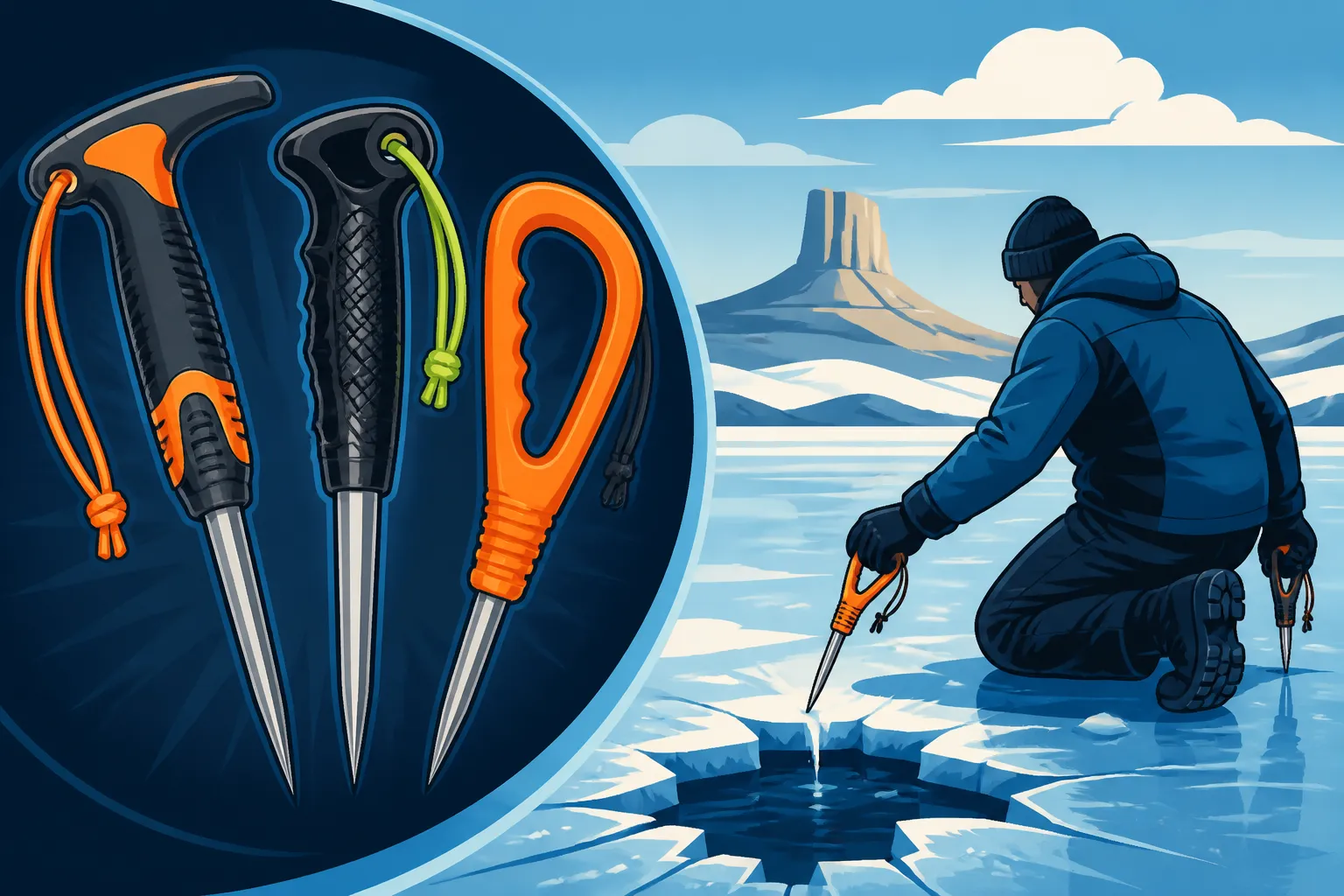
When you're shivering, disoriented, and fighting for your life, the last thing you want is a flimsy or hard-to-hold tool. Good ice picks start with a comfortable, non-slip grip. Look for handles made from textured plastic or rubberized materials that provide excellent purchase, even when wet or when you're wearing bulky gloves. Some brands like the ones you might find on Amazon or at Bass Pro Shops prioritize ergonomic designs that fit well in the hand, ensuring you can maintain control under stressful conditions.
The spikes themselves are the business end, and their material is crucial. Stainless steel or hardened carbon steel are ideal, offering durability and resistance to corrosion, which is important for gear that's exposed to moisture. The points should be sharp enough to penetrate ice easily but sturdy enough not to bend or break under pressure. The picks should feel solid, not cheap or fragile. Remember, you're relying on these to support your weight, so robust construction is key. The lanyard connecting them is also vital; it needs to be strong and durable to withstand the force of pulling yourself out.
Retractable Lanyards and Buoyancy
One of the most innovative features in modern ice pick design is the retractable lanyard. Instead of a fixed length of cord that can dangle and get in the way, retractable lanyards keep the picks snug against your body until needed. When you pull them, the cord extends, allowing you to use each pick independently without worrying about dropping one. This design prevents snagging on clothing or gear and ensures the picks are always accessible. When you're frantically trying to escape the icy grip of the water, every second counts, and fumbling with a tangled cord is the last thing you want.
Additionally, buoyancy is an often-overlooked feature that can be a game-changer. If, in the panic of the moment, you accidentally drop an ice pick, a buoyant model will float, allowing you to retrieve it. Non-buoyant picks will sink to the bottom, rendering them useless. Many modern designs incorporate lightweight, sealed handles that naturally float, providing an extra layer of peace of mind. This small detail can be incredibly important, especially if you're alone and only have one pair of picks to rely on. Considering the harsh conditions and the critical need for quick action, ensuring your picks will float if dropped is a smart choice for any North Dakota angler.
How to Use Ice Picks Effectively When the Unthinkable Happens
Knowing how to use your ice picks is just as important as owning them. In a real emergency, panic can easily set in, clouding your judgment. Practicing (mentally, of course, or in a safe, controlled environment) the steps can drastically improve your chances of self-rescue.
The Immediate Actions When You Fall Through
First and foremost, when you hit the water, your body's natural reaction is often to gasp. Fight this urge if you can, as inhaling frigid water can be deadly. Instead, focus on controlling your breathing. The cold shock is immense, but it usually passes within a minute or two. Don't shed your heavy winter clothes; while they feel like a burden, they trap air and can initially provide some buoyancy and insulation. As they soak, they become heavy, but in the immediate aftermath, they offer some protection.
Your next priority is to orient yourself. Try to face the direction you came from, as that ice was solid enough to support you moments ago. Once oriented, immediately reach for your ice picks. They should always be worn around your neck or accessible from an outer pocket, ensuring they're not submerged or unreachable. If they're tucked deep inside layers, you've already lost precious seconds. Keep them on the outside, ready for instant deployment. This immediate access is critical, as your hands will quickly lose function in the freezing water. You might find it helpful to review What to Do If You Fall Through the Ice for additional tips.
The Crawl-Out Technique
Once you have a pick in each hand, stab them into the ice edge directly in front of you, about shoulder-width apart. This creates a stable anchor point. Now, kick your legs vigorously behind you, almost as if you're trying to swim horizontally. This helps push your body up and reduces the amount of friction you have with the water. Simultaneously, use the ice picks to pull yourself forward onto the ice.
The key is to try and get as much of your upper body onto the ice as possible before attempting to stand. Once your chest is out, continue to kick and pull, essentially "swimming" onto the ice like a seal. Once you're fully out of the water, do not stand up. Your weight will be concentrated on a small area, and you risk breaking through again. Instead, roll or crawl away from the hole, spreading your weight over a larger surface area, until you reach undeniably solid ice. Only then should you slowly attempt to stand. This technique is designed to get you out quickly and minimize the risk of falling back in. Early Ice Fishing Safety Tips and Late Ice Fishing Safety Tips often emphasize these exact steps.
Where to Keep Your Ice Picks
The most effective place to wear your ice picks is around your neck, ideally with a retractable cord that keeps them tucked under your chin or across your chest. This ensures they are always immediately accessible. If they're in a coat pocket, that pocket might be submerged, or your hands might be too numb to retrieve them. Some picks come with a fixed lanyard, which is also fine, as long as it's worn where it won't get tangled and can be grabbed instantly.
Consider them like a whistle for a lifeguard – always on the person, always within reach. A simple safety vest or jacket designed for ice fishing often has designated loops or pockets for picks, making them even more convenient. The important thing is that when you fall through, your hand instinctively goes to them, and they are there. This isn't gear you can leave in the sled or in your fish house; it needs to be on you at all times when on the ice. This immediate accessibility directly relates to the advice found in Should You Carry Ice Picks While Ice Fishing?.
Choosing the Right Ice Picks for Your North Dakota Adventures
With so many options out there, how do you pick the right set of ice picks for the challenging conditions of North Dakota? It really comes down to balancing accessibility, reliability, and personal preference, all while keeping our unique winter environment in mind.
Key Features to Look For
When you're shopping for ice picks, prioritize the features that directly contribute to self-rescue in extreme cold. Here's a quick rundown:
| Feature | Why It Matters for North Dakota Anglers |
|---|---|
| Ergonomic Grip | Numb, gloved hands need a secure, easy-to-hold handle. |
| Durable Spikes | Stainless or hardened steel for reliable ice penetration and longevity. |
| Retractable Lanyard | Keeps picks out of the way but instantly accessible; prevents tangles. |
| Buoyant Design | If dropped in the water, they'll float, allowing for retrieval. |
| Bright Color | Easier to spot if dropped or in low visibility conditions. |
| Compact Size | Easy to wear on your person without interfering with fishing activities. |
| Corrosion Resistance | Essential for gear exposed to water, ice, and fluctuating temperatures. |
Remember, the ideal picks are those you'll actually wear consistently because they are comfortable and don't get in your way. If they're a hassle, you might be tempted to leave them behind, which defeats the entire purpose.
Popular Brands and Where to Find Them
You'll find a variety of reputable brands offering quality ice picks. Companies specializing in outdoor and winter sports gear typically produce reliable options. Brands often found at retailers like Bass Pro Shops, Cabela's, or even general online marketplaces like Amazon, offer different styles and price points. While I can't name specific models or guarantee availability, looking for picks from well-known ice fishing equipment manufacturers is a good starting point. Many of these brands also produce other essential gear covered in guides like Best Ice Fishing Augers for North Dakota or Best Ice Fishing Shelters for North Dakota.
When browsing, pay attention to customer reviews, especially those from anglers in cold climates. They often provide valuable insight into real-world performance. Don't be swayed by overly cheap options; this is one piece of gear where a slightly higher investment truly buys you peace of mind and reliable performance when your life might depend on it.
Don't Forget the Basics: Other Safety Gear
While ice picks are crucial, they are part of a larger safety ecosystem when you're out on the hard water. Always tell someone where you're going and when you expect to be back. Carry a fully charged cell phone in a waterproof bag. Wear layers, especially appropriate outer shells that can resist water initially, as discussed in What to Wear Ice Fishing in North Dakota. And, critically, always check the ice thickness regularly as you venture out, especially in unfamiliar areas or during questionable conditions. A spud bar or an auger for test holes is your first line of defense, letting you know How Thick Ice Needs to Be for Ice Fishing before you commit.
Ice picks are a simple, yet incredibly effective tool that every single person stepping onto North Dakota's frozen lakes should have. They’re a small investment for an enormous return: your safety and peace of mind on the ice. Don't leave home without them.
Disclaimer
This article is for general informational purposes only and does not constitute professional advice. Laws, prices and regulations vary by location and change over time. Consult a qualified professional for guidance on your specific situation.