Fishing From a Kayak in North Dakota
There's a unique frustration that comes with loving North Dakota's incredible fishing opportunities but feeling stuck on the shoreline or limited by a big, expensive boat. You see those pristine back bays, quiet river bends, or shallow weed beds just out of reach, knowing big fish are hiding there. This guide is all about breaking free from those limitations, diving deep into how fishing from a kayak in North Dakota can open up a whole new world of angling adventure, stealth, and incredible catches.
Why Kayak Fishing in North Dakota Makes So Much Sense
For years, I dragged my big Lund across the state, feeling the pinch of gas prices and the hassle of launching in crowded areas. Then I discovered kayak fishing, and honestly, it changed the game for me. North Dakota's waters, from the sprawling Lake Sakakawea to the winding Red River, offer an incredible diversity, and a kayak is often the perfect vessel to truly explore them. It’s not just about getting to fish; it’s about experiencing fishing in a way that traditional boats simply can't offer.
Unlocking Hidden Waters and Stealth
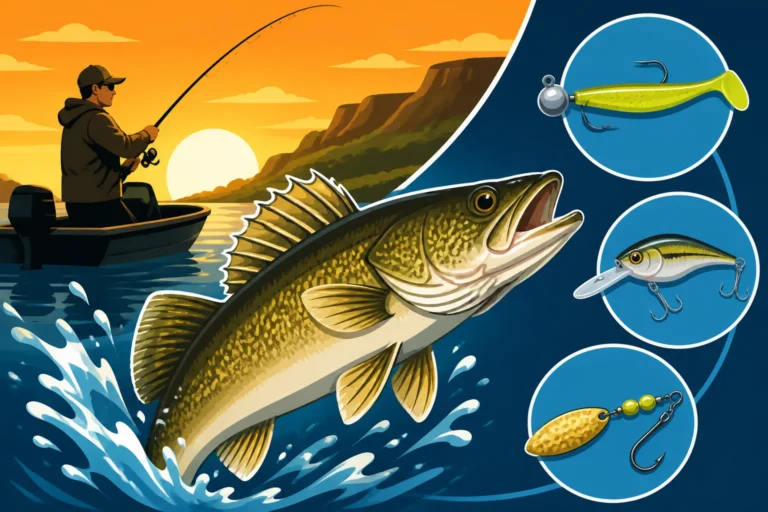
One of the biggest advantages of fishing from a kayak is the ability to access waters that are completely off-limits to larger boats. Think about those shallow coves on Devils Lake, the lily pad fields in smaller prairie lakes, or the tight oxbows along the Missouri River. These are often fish havens, undisturbed and teeming with life because few anglers can reach them. With a kayak, you can quietly paddle into these areas, slip through dense vegetation, and target fish that rarely see a lure. The stealth factor is huge, too. There’s something truly magical about gliding silently over the water, not spooking fish with a roaring outboard motor. I’ve had walleye and pike strike within feet of my kayak simply because they didn't know I was there, making for some truly unforgettable battles. This quiet approach often leads to more bites, especially in clearer waters where fish are more easily spooked by engine noise or shadows.
Cost-Effectiveness and Portability
Let's be real, owning a big fishing boat in North Dakota comes with a hefty price tag: the initial purchase, the engine maintenance, the fuel costs, the winterization, and storage fees. It adds up quickly! Kayak fishing, on the other hand, is incredibly budget-friendly. The initial investment in a quality fishing kayak is a fraction of a powered boat, and your "fuel" is your own paddle power (or a small trolling motor if you choose). This makes it an accessible option for so many more anglers who might be priced out of traditional boating. Beyond the financial savings, the portability of kayaks is a game-changer. You don't need a heavy-duty truck and trailer; most fishing kayaks can be easily transported on top of a car, in the bed of a pickup, or even in a small utility trailer. This means less time at the boat ramp, easier solo trips, and the freedom to explore multiple spots in a day without the logistical nightmare of a full-sized rig. You can literally pull up to a roadside ditch, slide your kayak into a small creek, and be fishing in minutes, which is simply impossible with a traditional boat.
Choosing the Right Kayak for North Dakota's Diverse Waters
Deciding on the perfect fishing kayak for North Dakota isn't a one-size-fits-all situation. Our state throws everything at you: massive, wind-swept reservoirs like Lake Sakakawea, shallow, timber-filled lakes like Devils Lake, and powerful river systems like the Red and Missouri. Your choice will depend heavily on where you plan to spend most of your time and what species you're chasing.
Sit-on-Top vs. Sit-Inside Considerations
The first big decision is usually between a sit-on-top (SOT) and a sit-inside (SINK) kayak. For fishing in North Dakota, most anglers gravitate towards sit-on-top kayaks. Why? Stability and ease of movement are primary reasons. SOTs are generally wider and more stable, allowing you to stand up and cast, which is a huge advantage when sight fishing for pike in the shallows or getting a better vantage point for walleye structure. They also drain water quickly through scupper holes, so you don't have to worry about bailing water if you take a wave over the bow or if you capsize (though capsizing is much less likely with a good fishing SOT). Entry and exit are simpler, too, which is great for getting in and out of the water quickly or for wading.
Sit-inside kayaks, while offering more protection from the elements and often being faster and more efficient to paddle, aren't as common for dedicated fishing in North Dakota, especially on bigger waters. The enclosed cockpit can make it harder to access gear, stand up, or re-enter the kayak from the water. However, if you're primarily focused on smaller, calmer rivers or specific techniques where speed and protection from the spray are paramount, a SINK might be an option. For the vast majority of North Dakota kayak anglers, the stability and open deck space of a sit-on-top kayak win out every time. For more in-depth advice on selecting your vessel, check out our guide on Best Kayaks for North Dakota Fishing.
Length, Stability, and Propulsion Options
When you look at kayak specifications, length and width directly impact speed and stability. Longer kayaks (12 feet and up) tend to track straighter and are faster, which is great for covering long distances on big lakes like Lake Sakakawea. Shorter kayaks (under 10 feet) are more maneuverable, perfect for navigating tight turns on smaller rivers or weaving through flooded timber on Devils Lake. Wider kayaks offer more initial stability, which is crucial if you plan to stand and cast or if you're fishing in potentially choppy conditions. You'll find a wide range of options when browsing fishing kayaks on a platform like Amazon, where you can compare features and read reviews to find what best suits your needs.
Then there's propulsion. Most kayaks are paddle-driven, and a good, lightweight paddle is essential. However, many modern fishing kayaks offer alternative propulsion systems. Pedal-drive kayaks, like those from Hobie or Old Town, allow you to use your legs to propel the kayak, freeing your hands for fishing. This is a game-changer for trolling, fighting fish, or fishing in windy conditions, which are incredibly common in North Dakota. Electric trolling motors are another popular addition, especially for covering ground or battling currents. Many kayaks are designed with motor mounts, or you can add one with aftermarket kits. Just remember that adding a motor will likely require you to meet North Dakota's North Dakota Boat Registration Requirements, even for a kayak, so be sure to check those regulations beforehand. The ability to propel your kayak hands-free can significantly increase your efficiency and enjoyment, especially when you're battling a stubborn walleye or trying to maintain position in a strong current.
| Kayak Type | Pros | Cons | Best for |
|---|---|---|---|
| Sit-on-Top | Stable, easy re-entry, gear access, standing | Slower, less weather protection | Lakes, rivers, standing to cast, all-around fishing |
| Sit-Inside | Faster, better weather protection, lighter | Less stable, difficult re-entry, limited gear access | Calm, smaller rivers, colder weather, efficient paddling |
| Pedal Drive | Hands-free fishing, efficient, good for wind | Higher cost, heavier, can snag in shallow weeds | Trolling, covering distance, consistent fishing |
| Motorized Ready | Speed, less effort, covering large areas | Requires battery, maintenance, potentially requires registration | Large lakes, fighting strong currents, long distance travel |
Essential Gear and Rigging Your Kayak for North Dakota Adventures
Once you've got your kayak picked out, it's time to think about what you'll bring along. Kayak fishing demands a thoughtful approach to gear – you have limited space, so every item needs to earn its spot. From safety essentials to rod holders, proper rigging can make or break your day on the water, especially when dealing with North Dakota’s often unpredictable conditions.
Safety Gear and Cold-Water Preparedness
Safety is paramount, and it's something I can't stress enough, especially with North Dakota's notoriously cold water and sudden weather changes. First and foremost, a personal flotation device (PFD) is non-negotiable. Wear it, don't just store it. Even strong swimmers can get into trouble in cold water or strong currents if they take an unexpected spill. Beyond the PFD, always carry a whistle to signal for help. A bright flag on a pole (like a safety flag from Amazon) makes you more visible to other boaters, which is critical on busy waters like Lake Sakakawea.
Regarding cold water, North Dakota's fishing season often stretches into spring and fall, when water temperatures can be dangerously low, even if the air feels warm. This is where the 50/50 rule comes in: if the air temperature plus the water temperature doesn't add up to at least 100 degrees Fahrenheit, you need to dress for immersion. That means wearing layers of synthetic or wool clothing (avoid cotton!), and considering a dry suit or wet suit, especially for early spring ice-out fishing or late fall adventures. Always let someone know where you're going and when you expect to return. A dry bag (also easily found on Amazon) for your phone, keys, and an extra layer of warm clothes is also a smart move. Staying safe means being prepared for the worst-case scenario, even if you hope it never happens.
Rod Holders, Storage, and Electronics Integration
Rigging your kayak effectively makes all the difference in comfort and efficiency. You'll definitely want rod holders. Most fishing kayaks come with flush-mount holders, but adjustable, track-mounted holders (like those from RAM Mounts or Scotty) are incredibly versatile for trolling, keeping rods out of the way, or quick access. You can find a great selection of these on Amazon as well. For tackle storage, waterproof tackle boxes that fit snugly in your kayak's storage hatches or bungee-corded areas are ideal. I prefer soft-sided tackle bags that conform to the space, rather than bulky hard cases. A small cooler or insulated bag is essential for keeping your bait fresh and your drinks cold, and for bringing your catch home.
Electronics have become a staple in kayak fishing. A compact fish finder with GPS capabilities can revolutionize your success, especially on structure-heavy lakes like Oahe or pinpointing contours on Lake Sakakawea. Many kayaks have transducer mounts built-in, or you can use suction-cup mounts. A small, rechargeable battery (like a 12V lithium-ion) tucked into a dry box will power your unit all day. Don't forget a net! A small, rubberized net is perfect for landing fish quickly and safely, without tangling hooks or damaging the fish. For a comprehensive overview of what tackle to bring, consider our guide on Best Fishing Tackle for North Dakota Lakes. For a deeper dive into the world of electronics, you might find our article on Best Fish Finders for North Dakota Lakes extremely helpful.
Navigating North Dakota's Regulations and Safety on the Water
Fishing in North Dakota, even from a kayak, isn't just about bait and hooks; it's also about knowing the rules and staying safe. The regulations are there to protect our natural resources and ensure everyone has a good time on the water. Ignoring them can lead to fines and a ruined day.
Understanding Registration and Licensing Requirements
This is a big one that often catches new kayak anglers off guard. In North Dakota, if your kayak is powered by any kind of motor – whether it's an electric trolling motor, a small gas outboard, or even a pedal-drive system with an auxiliary electric assist – it generally needs to be registered with the North Dakota Game and Fish Department. Simply put, if it's not solely propelled by human power (paddling or pedaling without assist), you're probably going to need to register it. This is a critical distinction, so don't assume your kayak is exempt just because it's small. You'll need to display registration numbers, just like a bigger boat.
Even if your kayak is strictly paddle-powered, you, as the angler, will absolutely need a valid North Dakota Fishing License Guide. There are various options, from annual resident licenses to short-term nonresident permits, so make sure you have the correct one for your situation. Additionally, all motorized vessels (and often non-motorized vessels when crossing state lines) are subject to North Dakota Aquatic Nuisance Species Rules for Boaters. This means cleaning, draining, and drying your kayak and all gear to prevent the spread of invasive species like zebra mussels. These rules are serious, and wardens do check. Make sure you're familiar with all current North Dakota Fishing Regulations Explained before you hit the water.
Essential Safety Practices for Kayak Anglers
Beyond the legal requirements, common-sense safety is paramount, especially when you're low to the water in a kayak. North Dakota weather can be notoriously fickle, with calm mornings quickly turning into windy, choppy afternoons, particularly on large bodies of water like Lake Sakakawea. Always check the forecast before you go, and be willing to change your plans if conditions look rough. Wind is a kayak angler's biggest adversary; a strong breeze can make paddling exhausting, push you off course, and create dangerous waves. Our article, Is Kayak Fishing Safe on Lake Sakakawea?, delves into the specifics of staying safe on bigger water.
Another crucial practice is to never fish alone on big, unfamiliar waters, or at least always tell someone your float plan: where you're launching, where you plan to go, and when you expect to return. A fully charged cell phone in a waterproof case is a must. Pack plenty of water, snacks, and sun protection, as kayak fishing often exposes you to direct sun for extended periods. When paddling near motorboats, assume they don't see you and try to stay out of main channels. Being small and silent is great for fishing, but it also means you're less visible, so always be aware of your surroundings. Remember, a fun day on the water is a safe day on the water.
Top North Dakota Kayak Fishing Destinations and Target Species
North Dakota truly offers a smorgasbord of fishing opportunities, and a kayak lets you tap into nearly all of them. From sprawling reservoirs to intimate rivers, there's a unique adventure waiting around every bend. Knowing where to go and what to target can make your kayak fishing trips incredibly rewarding.
Lake Sakakawea and Missouri River Challenges
Lake Sakakawea is a behemoth, North Dakota's largest lake, and it can be intimidating in a kayak. Its sheer size, deep waters, and propensity for high winds mean that careful planning is essential. However, the rewards can be immense. Kayakers here often target walleye, especially in the numerous bays and protected coves that larger boats might struggle to navigate. Focus on rocky points, submerged timber (if water levels allow), and the mouths of feeder creeks where walleye congregate. Chinook salmon are also a popular target in Sakakawea, though they often require trolling in deeper, open water which can be more challenging from a kayak unless you have a pedal drive or small motor. For more specific insights into this legendary body of water, our Lake Sakakawea Fishing Guide for North Dakota Anglers is a fantastic resource.
The Missouri River, both above and below Garrison Dam, offers different challenges and rewards. Below the dam, the powerful current can be intense, but the fishing for walleye, sauger, and even trout can be phenomenal in the calmer eddies and current breaks. Kayak anglers need to be proficient at reading the water and confident in their paddling or motor skills. Upriver, the Missouri River offers excellent opportunities for walleye and smallmouth bass, particularly in the quieter stretches. The smaller tributaries and backwaters connecting to the main river are prime kayak territory, offering solitude and excellent fishing for a variety of species.
Devils Lake and Red River Opportunities
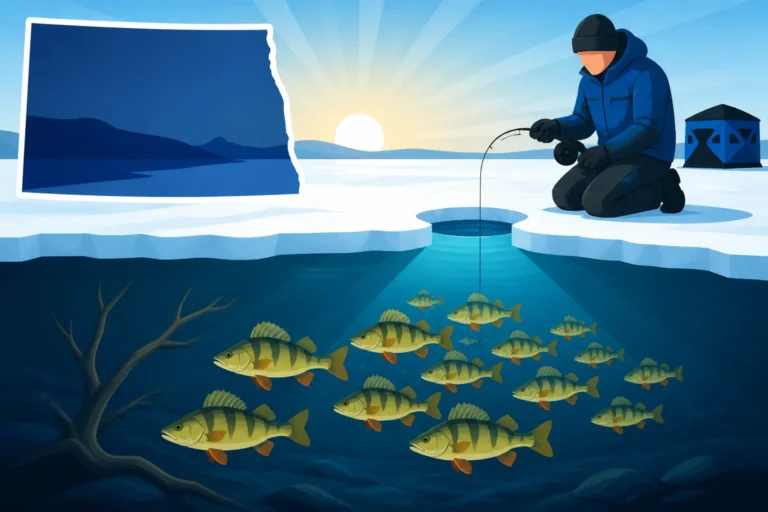
Devils Lake is legendary for a reason, and it's a kayak angler's paradise. Its complex network of flooded timber, submerged roads, and countless bays makes it ideal for stealthy exploration. Here, yellow perch are king, and kayaking allows you to slip into those tight spots where the biggest perch hide among the trees. Walleye and northern pike also thrive in Devils Lake's fertile waters. You can easily access the flooded timber that bigger boats often avoid, presenting unique opportunities for jigging or casting spoons. For comprehensive details on this fishery, check out our Devils Lake Fishing Guide for North Dakota Anglers. The shallower, weedier sections of the lake are perfect for casting lures for aggressive pike.
The Red River of the North, flowing along the eastern border, is a world-class catfishery, and kayak fishing for channel catfish here is an incredible experience. The river's slower current in many areas makes it manageable for kayaks, and you can drift or anchor strategically on bends and deeper holes. Target species here are overwhelmingly channel catfish, with some northern pike and walleye also present. Using cut bait or stink baits on the bottom is the go-to technique. The ability to slip into calmer backwaters or closer to brush piles without spooking fish gives kayak anglers a distinct edge. For those looking to tackle the Red, our Red River of the North Fishing Guide offers invaluable advice. Smaller lakes and reservoirs throughout North Dakota, like Lake Ashtabula, Jamestown Reservoir, and numerous other prairie lakes, are also fantastic for kayak fishing, offering a quieter experience and diverse species like crappie, bluegill, and more walleye and pike.
Kayak Fishing Techniques and Strategies for North Dakota Success
Kayak fishing isn't just about getting to the fish; it's about how you fish once you're there. Many traditional boat fishing techniques can be adapted, but there are also unique strategies that make kayak angling particularly effective in North Dakota’s diverse waters. It often comes down to being efficient with your movements, understanding your vessel's limitations, and leveraging its stealth.
Mastering Casting and Positioning
One of the biggest adjustments for new kayak anglers is learning to cast effectively from a seated or standing position in a relatively confined space. For many, a shorter rod (around 6'6" to 7' for spinning or baitcasting) can be easier to manage than longer ones, especially when sitting. You'll want to master accurate roll casts and sidearm casts to keep your lure out of your paddle stroke and avoid snagging your kayak. Our guide on Best Fishing Rods for North Dakota Anglers offers some great recommendations for various techniques.
Positioning your kayak is absolutely crucial, especially when trying to hold a specific spot against wind or current. An anchor system is invaluable. A small grappling anchor (1.5-3 lbs) with a retrieve system, or even a drift sock (sea anchor) to slow your drift, can make a huge difference. Anchor trolleys, which allow you to position your anchor point anywhere along the length of your kayak, are a popular and effective rigging modification. This lets you orient your kayak perfectly to cast to a certain structure or against the wind, keeping your bow or stern pointed into the elements for maximum stability and casting comfort. When fishing weed lines or structure, make several quiet approaches from different angles to thoroughly work the area without disturbing the fish.
Adapting to Wind and Current
North Dakota is famous for its wind, and it's perhaps the biggest challenge for kayak anglers. Strong winds can make paddling difficult, create choppy conditions, and make holding a position almost impossible without a robust anchoring system or a motorized assist. When faced with wind, try to fish in protected bays, leeward shores, or upstream of points that break the wind. If you're on open water, using a drift sock can slow your drift and allow you to effectively cover an area, especially for walleye.
Current, particularly on the Missouri and Red Rivers, presents its own set of challenges. Understanding how current works – where eddies form, where current seams create fish-holding lies, and how obstacles alter flow – is key. When paddling upstream, stick to the slower water near the banks to conserve energy. When drifting downstream, use your paddle or a small motor to "ferry" across the current, maintaining your position over key spots. Back-paddling or using a reverse pedal drive to hold against the current for precise presentations can also be very effective. Remember, your kayak's low profile can be an advantage, allowing you to hide from the wind or current in ways a taller boat cannot. It’s all about working with the elements rather than fighting them directly.
Disclaimer
The information provided in this guide is for general informational purposes only and does not constitute professional advice. Fishing regulations, safety guidelines, and local conditions can change rapidly. Always consult the official North Dakota Game and Fish Department regulations and local weather forecasts before planning any fishing trip. Safety should be your top priority on the water.