What Month Is Best for Walleye Fishing on Lake Sakakawea?
Trying to figure out the absolute "best" time to hit Lake Sakakawea for walleye can feel like chasing a mirage, can't it? This massive body of water, often called North Dakota's "Great Lake," presents so many opportunities that pinpointing one single month for peak walleye action is a challenge for even the most seasoned anglers. This guide aims to break down the walleye bite month by month, helping you understand the seasonal nuances so you can plan your ultimate Lake Sakakawea fishing trip with confidence, no matter your preferred style.
Understanding Lake Sakakawea's Walleye Seasons
Lake Sakakawea is a dynamic fishery, stretching over 178 miles with an incredible 1,600 miles of shoreline. This immense size means walleye patterns are constantly shifting, influenced by water temperature, forage availability, and angler pressure. While a short answer might point to early summer or fall, the truth is, each part of the open water season offers something unique for the persistent walleye angler. What might be "best" for one person, who loves shallow water jigging, might be totally different for another, who prefers deep water trolling.
Early Season Excitement: Post-Spawn to Warming Waters (April-May)
After the ice finally retreats from Lake Sakakawea, usually sometime in April, a sense of urgency and excitement fills the air for walleye anglers. This early season period, extending through May, is often highly anticipated because the walleye are coming off their spawn and are hungry. They're looking to regain energy, moving from deeper wintering holes into shallower areas to feed. You'll find them congregating in bays, along rocky points, and near incoming creeks, especially where the water warms up first.
Think about those days when the sun hits the water just right, and you can practically feel the lake waking up. That's when the walleye start to get active. Depths can vary, but often you're looking at anywhere from 5 to 20 feet of water. This is a prime time for vertical jigging with a minnow or soft plastic, or casting small crankbaits that mimic baitfish. The fish aren't always aggressive, but when you find a school, the action can be fast and furious. The cooler water also means the fish are often more cooperative once hooked, offering a spirited fight before you even get them to the boat. It's a fantastic time for those who enjoy precise boat control and feeling that distinct walleye "thump" on the end of their line.
Mid-Summer Patterns: Deep Water and Trolling Tactics (June-August)
As North Dakota's summer temperatures truly set in, typically from June through August, Lake Sakakawea undergoes a significant transformation. The surface water warms considerably, pushing walleye into deeper, more comfortable thermal zones. This is when the main lake structure becomes the key. Points, humps, submerged islands, and deep weed lines become magnets for baitfish, and consequently, for walleye. The fish spread out more, making them a bit more challenging to locate, but once you find them, the rewards can be substantial.
This period often means transitioning from casting to trolling. Techniques like pulling bottom bouncers with spinner rigs, drifting with live bait, or precisely trolling crankbaits are highly effective. You'll need good electronics to identify structure and schools of baitfish, as the walleye will often be tightly associated with these features. Depths can range from 20 to 40 feet, or even deeper depending on the specific area and how pronounced the thermocline is. While the sun can be intense and recreational boat traffic picks up, dedicated anglers who learn the art of deep water presentations can consistently put walleye in the boat. It's a time for patience, pattern recognition, and covering water to locate those active feeding fish. You might find yourself experimenting with different crankbait colors or blade sizes, perhaps even ordering a new assortment from a place like Amazon to keep your tackle box fresh.
Fall Feast: Aggressive Feeding Before Winter (September-October)
For many hardcore walleye anglers, the fall on Lake Sakakawea, particularly September and October, is arguably the "best" time for both numbers and trophy potential. As the air cools and the water temperatures begin to drop steadily, walleye enter a pre-winter feeding frenzy. They're instinctively bulking up for the long, lean months under the ice, becoming incredibly aggressive and less particular about what they strike. This means they are often easier to catch and more willing to hit larger presentations.
You'll find walleye moving back to shallower depths in some areas, especially bays and points that still hold warmth, but they'll also remain on main lake structure. The key is their intense feeding behavior. Trolling large crankbaits, jigging heavier spoons or lipless crankbaits, and even casting big swimbaits can all be highly productive. The fishing pressure also tends to decrease significantly after Labor Day, offering a more serene experience on the water. The cooler weather means comfortable fishing, and the fish are often in prime condition, boasting thick shoulders and vibrant colors. If you're looking for that last hurrah of the open water season with excellent action, fall on Lake Sakakawea is truly special. You'll be looking forward to this season all year long once you experience it. For more insights on the season's progression, take a look at our North Dakota Fall Fishing Guide.
Why "Best Month" is a Nuance, Not a Simple Answer
The truth about finding the "best month" for walleye fishing on Lake Sakakawea is that it's rarely a one-size-fits-all answer. Lake Sakakawea is a vast and complex ecosystem, and walleye are adaptable creatures. What's "best" for one angler might not be for another, and success often hinges on understanding the subtle shifts in the lake throughout the year.
Factors Influencing Walleye Behavior
Walleye behavior is governed by a few critical environmental factors, and these factors are constantly in flux on a lake the size of Sakakawea. Understanding them is key to consistently finding fish, regardless of the month.
Firstly, water temperature is perhaps the most significant driver. Walleye are cool-water fish, and their metabolism, feeding activity, and location are directly tied to the water temperature. In spring, warming trends bring them shallow. In summer, they seek the cooler, oxygenated waters of the thermocline or deeper structure. In fall, cooling temperatures trigger their aggressive feeding. Knowing the ideal temperature range for active walleye (typically 55-70°F for peak activity) helps you predict where they'll be and how they'll react.
Secondly, forage availability and movement play a massive role. Lake Sakakawea is home to a robust forage base, including smelt, shiners, and yellow perch. Walleye will follow their food. If the smelt are schooling in deep water, so too will the walleye. If young-of-the-year perch are abundant in shallow weeds, you might find walleye ambushing them there. These baitfish movements can be localized and change rapidly, requiring anglers to stay observant and adapt. This dynamic explains why a spot that was hot last week might be barren this week; the bait moved, and the walleye followed.
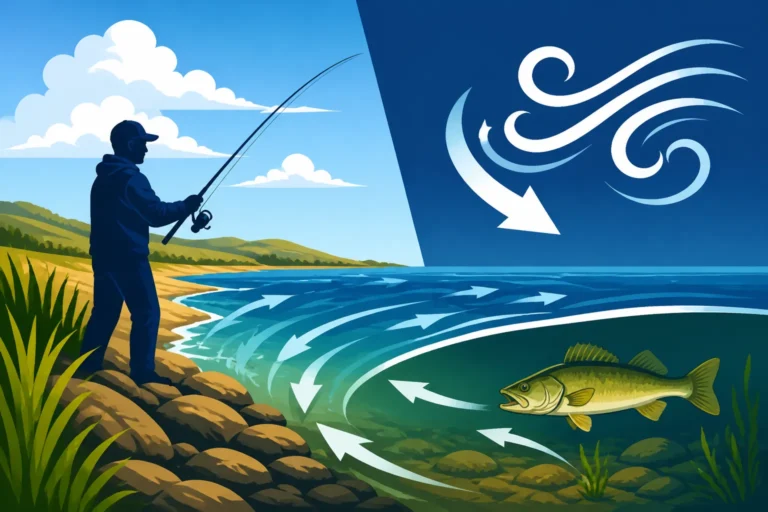
Finally, weather patterns are constant variables. Wind, for example, can be a walleye angler's best friend or worst enemy on Sakakawea. A consistent chop can position walleye on wind-blown points, bringing baitfish within striking distance. However, a strong, sustained wind can make boat control difficult and create unsafe conditions on such a large body of water. Barometric pressure changes associated with cold fronts can also make walleye lethargic and less willing to bite. Conversely, stable weather often leads to more consistent fishing. You need to be ready to adjust your approach based on what Mother Nature throws at you.
Personal Preferences and Techniques
Your own fishing style and preferences also heavily influence what month you consider "best." Are you someone who loves the finesse of jigging in shallow water, feeling every rock and subtle bite? Then the late spring and early fall might be your sweet spot. The walleye are often shallower, making it easier to target them with vertical presentations. You're actively "hunting" them, feeling for that distinct tap.
Perhaps you prefer the methodical nature of trolling and covering vast amounts of water. If so, the summer months, when walleye are scattered but predictably relating to main lake structure, will likely appeal to you more. This is when you can set lines, monitor your electronics, and wait for the rod to double over. It's about efficiency and pattern development, often requiring a larger boat and more specialized gear. For more details on this approach, check out our guide on Summer Walleye Trolling Techniques.
Then there are those who cherish the sheer thrill of a trophy hunt. If landing a massive walleye is your ultimate goal, then the colder waters of late fall often present the best opportunity. The fish are at their heaviest, aggressively feeding, and often willing to hit larger baits. It's a time when you might not catch as many fish, but the ones you do catch can be truly memorable. Each month offers a unique challenge and reward, making the "best" truly subjective.
Breaking Down the Months: What to Expect
Let's dive a little deeper into what each prime open-water month typically offers for walleye fishing on Lake Sakakawea. Knowing what to anticipate can help you align your expectations and tactics.
April and May: Post-Spawn Frenzy and Shallow Feeds
As the ice fully recedes in April, walleye on Lake Sakakawea typically begin their post-spawn recovery. They've just completed the arduous task of spawning, usually in river mouths, rocky points, and shallow bays, and are now incredibly hungry. This makes them relatively easy to target if you find their feeding zones. The action starts in areas that warm up fastest. Think shallow, protected bays and the upper reaches of the lake's arms like the Van Hook Arm or Four Bears Bay.
In May, as water temperatures continue to climb, the bite usually gets even more consistent. Walleye will be actively cruising shallower flats and points, often in depths of 5 to 15 feet. This is an excellent time for casting lipless crankbaits, small stickbaits, or even plastics on jig heads. Live bait, particularly a simple jig and minnow or jig and plastic combo, can be deadly. Don't overlook slip bobbers fished over emerging weed beds if you find some in the bays. This can lead to incredible action as walleye ambush baitfish. Remember, the fish are still relatively concentrated, and finding a school often means multiple hook-ups. This is a critical time for anglers seeking quantity and consistent action. For detailed early season tactics, consider reading our Early Spring Walleye Techniques in North Dakota guide.
June and July: Consistent Trolling on Main Lake Structure
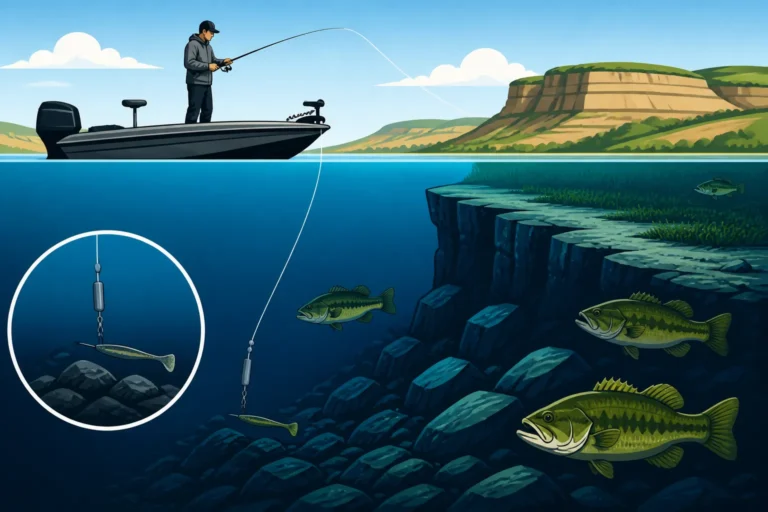
By June, Lake Sakakawea's main body warms significantly, and the walleye begin to move to deeper, more predictable main lake structure. This is classic summer walleye fishing, characterized by covering water and targeting specific features with trolling techniques. Think about those long, sweeping main lake points, submerged humps, and even the edges of the old river channel. Depths can vary widely, from 15 feet over the top of a hump to 30-40 feet along a breakline.
Throughout July, these patterns solidify. Trolling with bottom bouncers and spinner rigs, dressed with a minnow, crawler, or leeches, is a staple. Different blade colors and sizes can make a huge difference, so don't be afraid to experiment. Crankbait trolling, either flatlining or using lead core, is also incredibly effective, especially for targeting suspended fish or covering different depths. Brands like Rapala, Berkley, or Salmo offer a wide range of crankbaits that perform well in Sakakawea's clear to stained waters. You might even find some great deals on these lures if you're browsing online, say on Amazon. Remember that electronics are your best friend during this period, helping you pinpoint those subtle depth changes and baitfish schools that attract the walleye. While the fishing can be slower than the spring bite, the fish you catch are often larger and healthier.
August and September: Transition, Aggression, and Big Fish
August on Lake Sakakawea marks a transition. The peak summer heat starts to wane, and walleye begin to sense the impending fall. They remain tied to deeper main lake structure but often become more aggressive. This month can offer a fantastic blend of consistent trolling and opportunities for jigging larger fish. They are still actively feeding, but their metabolism is ramping up in preparation for the cold.
As September rolls around, this pre-winter feeding binge truly kicks into high gear. This is a favorite month for many, combining the consistent action of summer with the aggressive bites of fall. Walleye will attack a wider range of lures and baits. Trolling crankbaits, often larger profiles, or bigger spinner rigs, can be exceptionally productive. Jigging with larger spoons or blade baits on deep structure can also entice brutal strikes. The fish are often fat and feisty, making for excellent battles and even better table fare. This is one of the premier months to target genuine trophy walleye on Lake Sakakawea. The cooler temperatures make for a much more comfortable fishing experience, and the crowds begin to thin out. Our Fall Walleye Fishing Patterns in North Dakota article provides more in-depth strategies for this period.
October: The Last Hurrah Before Freeze-Up
October on Lake Sakakawea is often considered a hidden gem for walleye fishing, especially for those willing to brave the colder weather. As water temperatures continue their steady decline, walleye feed voraciously, packing on calories for winter. This is a period of concentrated effort for the fish, and they often school tightly. While the numbers might not be as high as in May or September, the size of the fish can be exceptional.
This month often sees walleye moving to deeper staging areas near wintering holes, but they will still make forays into shallower structure to feed. Large crankbaits, both trolled and cast, are very effective. Vertical jigging with heavy jigs and large minnows or soft plastics can also trigger powerful strikes from cold-water walleye. It's a time when you might have to work harder to find them, but when you do, the rewards can be incredible, often yielding some of the biggest walleye of the year. Always keep an eye on weather forecasts, as sudden cold snaps can make fishing challenging, and safety on the water is paramount.
Here's a quick overview of what to expect for walleye fishing on Lake Sakakawea:
| Month | Primary Walleye Behavior | Best Techniques | Typical Depths | Notes |
|---|---|---|---|---|
| April | Post-spawn, recovering, moving shallow | Vertical jigging, casting small crankbaits/plastics | 5-15 feet | Ice-out, finding first warm water, good numbers possible. |
| May | Active shallow feeding, energetic | Jigging, casting, slip bobbers, light trolling | 5-20 feet | Consistent bite, fish still concentrated, excellent action. |
| June | Moving to main lake structure, deeper | Trolling bottom bouncers, crankbaits | 15-30 feet | Covering water, electronics crucial, fish spreading out. |
| July | Deep water structure, stable summer patterns | Trolling crankbaits, spinner rigs, lead core | 20-40+ feet | Peak summer, recreational traffic, pattern fishing. |
| August | Transition to fall, more aggressive | Trolling larger crankbaits, bottom bouncers | 15-35 feet | Pre-fall feeding, good size potential, less pressure than July. |
| September | Aggressive pre-winter feeding frenzy | Trolling large crankbaits, jigging spoons/blade baits | 10-30 feet | Many consider this the "best," high action, trophy potential. |
| October | Concentrated feeding, trophy-focused | Trolling deep crankbaits, heavy jigging | 15-40+ feet | Fewer bites but larger fish, cold weather gear essential. |
Practical Tips for Maximizing Your Sakakawea Walleye Success
No matter which month you choose to fish for walleye on Lake Sakakawea, a few core principles will always help you maximize your success. This massive lake demands preparation, flexibility, and a keen eye on the conditions.
Monitoring Conditions Regularly
Lake Sakakawea is huge, and its conditions can change on a dime. Staying on top of current water levels, water temperatures, and weather forecasts is absolutely non-negotiable. Lower water levels can significantly impact boat access at ramps and alter fish-holding structure, making previously good spots too shallow or exposed. Rising water, on the other hand, can flood new vegetation, creating fresh feeding opportunities. You can often find up-to-date information on the U.S. Army Corps of Engineers website or local fishing forums to keep tabs on the Lake Sakakawea Water Level Right Now.
Beyond water levels, consistently checking surface water temperatures is vital. A sudden cold snap in spring can push fish deeper, while an extended warm spell in fall might keep them shallow longer. Wind is another massive factor. Always be aware of the wind speed and direction. A strong north wind can make certain areas unfishable due to massive waves, forcing you to seek sheltered bays or arms. Conversely, a good ripple on the water can turn on a bite. Don't just look at the day's forecast; understand how the conditions over the past few days might have influenced the walleye.
Essential Gear and Bait for Every Season
Having the right gear and bait for the prevailing conditions is paramount. While there's always an element of personal preference, certain items are universally valuable. For spring and fall jigging, a sensitive medium-light to medium power spinning rod, paired with a reliable reel spooled with braided line and a fluorocarbon leader, is ideal for detecting subtle bites. For summer trolling, a medium-heavy rod with a line counter reel spooled with monofilament or lead core line is a must-have for precise depth control. You can find a fantastic selection of rods, reels, and specialized lines for specific techniques through retailers like Amazon, making it easy to stock up for your next trip.
When it comes to bait, live bait is often king on Sakakawea, especially minnows, nightcrawlers, and leeches. However, the effectiveness of each can vary by season. Minnows are often deadly in colder water, while crawlers and leeches shine in warmer months. Always have a variety of artificial lures too: jigs, crankbaits (both shallow and deep diving), spinner rigs, and soft plastics. Don't be afraid to experiment with colors and sizes. Sometimes, a subtle change in your presentation, like switching from a firetiger crankbait to a perch pattern, can be the difference between a slow day and a banner one. Our guide on the Best Bait for North Dakota Fishing offers more specific recommendations.
Adapting Your Approach on the Water
The most successful walleye anglers on Lake Sakakawea are those who are constantly adapting. Don't get stuck on one technique or one spot if it's not producing. Walleye are constantly on the move, and what worked yesterday might not work today. Start with a plan, but be ready to pivot based on what your electronics tell you, what the conditions are doing, and what other anglers (if any) are reporting.
If your trolling bite slows down, try switching to casting or jigging a nearby point. If the fish seem to have moved off a hump, check the deep water breaks around it. Pay attention to small details: how deep are you marking bait? Are the fish on the bottom or suspended? What direction is the wind blowing, and how is it affecting current and wave action? Being able to read the water and adjust your strategy is a skill that comes with experience, but it's crucial for consistent success on a lake as dynamic as Sakakawea. Even if you're a beginner, being open to trying different things will dramatically increase your chances. For some initial ideas, consult our guide on the Best Fishing Spots for Beginners in North Dakota.
Disclaimer
Fishing regulations and conditions can change. Always consult the latest North Dakota Game and Fish Department proclamations and local advisories before heading out on the water. This guide is for informational purposes only and does not constitute legal advice. Safe boating and fishing practices are essential for an enjoyable experience.