When Does Ice Fishing Season Start in North Dakota?
One of the biggest questions on every North Dakota angler's mind as the temperatures start to dip is, "When can I finally get out on the ice?" It's a frustrating waiting game, watching the forecasts and hoping for those consistent, bitter cold nights. Figuring out exactly when the ice fishing season "starts" isn't as simple as circling a date on a calendar; it's a dynamic process driven by Mother Nature, local conditions, and, most importantly, safety. This guide will walk you through what to expect and how to prepare for that magical first hard water experience.
Understanding North Dakota's Ice Fishing Season Start
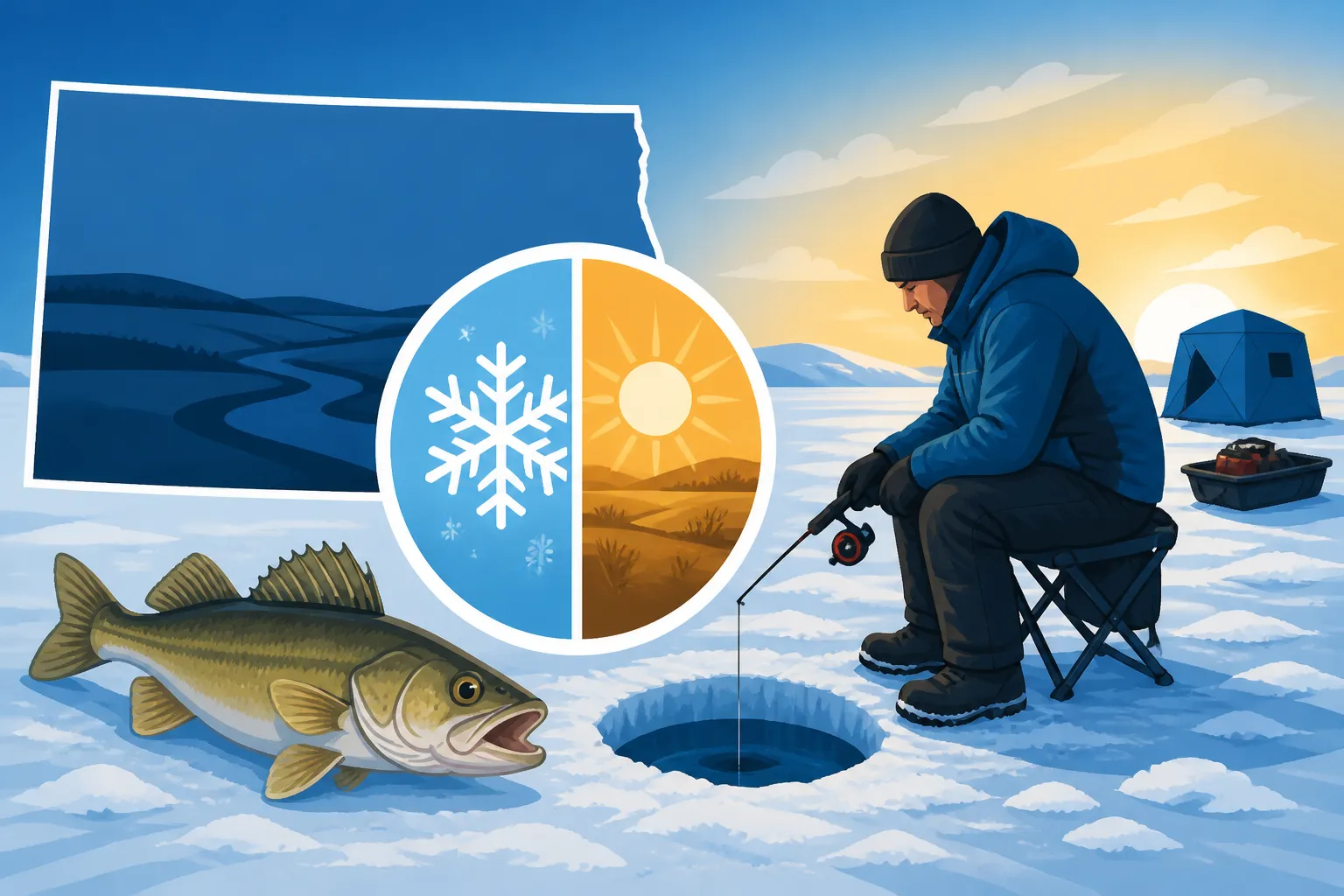
Unlike open water seasons that often have fixed opening and closing dates for certain species, the start of North Dakota's ice fishing season is completely unregulated by a specific date. The season officially "starts" when there's safe ice, which means it varies wildly from year to year and even from lake to lake. This can be a real head-scratcher for new anglers or even seasoned veterans who are used to more concrete timelines.
Practically speaking, the ice fishing season begins as soon as local bodies of water develop a sufficient thickness of ice to safely support anglers and their gear. This usually starts in late November or early December in the northern parts of the state, particularly on smaller, shallower lakes and sloughs. However, it can extend well into December, or even early January, for larger, deeper, or current-affected bodies of water like Lake Sakakawea or the main stem of the Missouri River. It's a game of patience, truly, and often a mad scramble to hit the ice as soon as conditions allow. There's no official "opening day" for ice fishing, which puts the onus squarely on individual anglers to make smart, safe decisions.
Official Guidelines Versus Practical Reality
The North Dakota Game and Fish Department (NDGFD) doesn't declare an official start date for ice fishing because Mother Nature is too unpredictable. Instead, they provide guidelines for How Thick Ice Needs to Be for Ice Fishing and emphasize personal responsibility. For many of us who live and breathe fishing, this can feel a bit vague. You want a clear "go" signal, right? But the reality is that ice conditions can change hourly, even on the same body of water.
What this means in practice is that you'll see local bait shops, online forums, and social media become buzzing hubs of "ice reports" as soon as the first cold snaps hit. People are eager to share when they find even a few inches of safe ice. While these reports are valuable, they should always be taken with a grain of salt and confirmed with your own checks. A local pond might be safe, but a sprawling lake like Devils Lake might still have large areas of open water or dangerously thin patches. The practical reality is that the season feels like it starts when you see the first portable ice shelters dotting the horizon, but you absolutely have to verify those conditions for yourself.
Early Bird Gets the Worm… or the Walleye
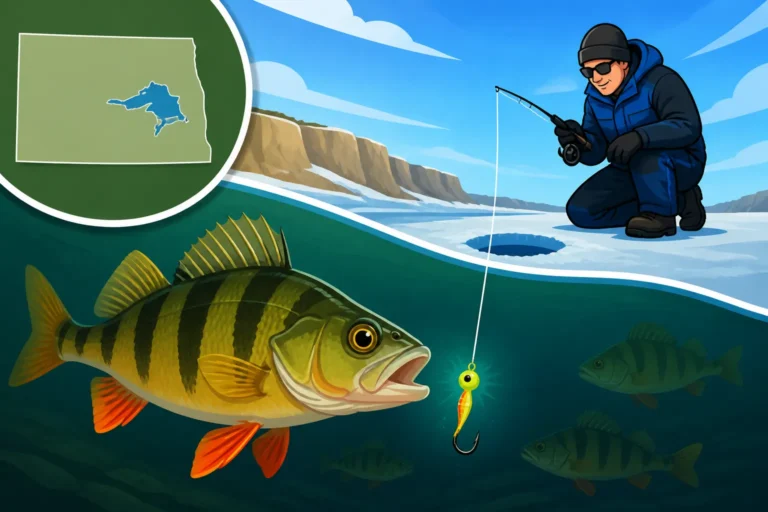
There's a definite allure to being one of the first anglers out on the hard water. Early ice fishing often means less crowded spots and some of the most aggressive bites of the entire winter, especially for species like walleye and perch that are still quite active before the full grip of winter sets in. This window, usually from late November through mid-December, can be incredibly productive. Fish are often found in shallower depths than they will be later in winter, relating to green weeds, subtle structure, and classic fall transition areas.
However, chasing that early bite requires heightened vigilance. The ice is often at its most variable and unpredictable during these initial weeks. One day, a bay might be locked up with 5 inches of solid ice, and the next, a warm spell or high winds could compromise it significantly. This is why thorough preparation, including understanding Early Ice Fishing Safety Tips, is absolutely paramount. It’s not just about getting a good fishing spot; it's about making sure you come home safely at the end of the day.
Factors Influencing Early Ice Formation
The formation of safe, fishable ice in North Dakota is a complex dance between air temperature, water temperature, wind, and the specific characteristics of each water body. It’s never as simple as "it was cold last night, so the lake must be frozen!"
The most critical factor is sustained cold temperatures, ideally dipping well below freezing (20°F or colder) for several consecutive days and nights. This allows the surface water to cool efficiently and begin the freezing process. Wind, however, can disrupt this, constantly mixing the surface water and preventing a stable layer from forming. A calm, cold night will do more for ice formation than a blustery, frigid day.
Water temperature also plays a role. If a lake has been unseasonably warm well into fall, it will take longer to freeze, even if air temperatures drop. Shallow bays and small lakes will always freeze first because they have less water to cool down and typically less exposure to strong winds.
Weather Patterns and Their Impact
North Dakota winters are famously brutal, and that's precisely what makes our ice fishing so good. However, the lead-up to winter can vary dramatically year to year. A year with an "early winter" featuring consistent cold snaps in November will mean an earlier start to the ice fishing season. Conversely, a mild November or early December, with intermittent thaws and strong winds, can push the season back significantly.
One of the biggest frustrations for ice anglers is the "false start" – a period of cold weather that locks up some lakes, only to be followed by a warm front that deteriorates the ice. This creates hazardous conditions where ice might appear safe but has lost much of its integrity. Always keep an eye on the long-range forecast, not just the daily temperature. Understanding these weather patterns helps immensely in planning your first trip out. It’s about more than just checking the thermometer; it’s about watching for sustained cold.
Lake Size, Depth, and Current
The physical characteristics of a lake or river are huge determinants of when it will freeze. As mentioned, smaller, shallower lakes like those found in the Turtle Mountains or numerous prairie potholes are typically the first to offer safe ice. They simply have less thermal mass to cool, and their smaller surface areas are less exposed to wind-driven waves that break up forming ice. You can often find fishable ice on these smaller bodies well before the larger, more popular destinations.
Larger lakes, such as Lake Sakakawea or Devils Lake, take much longer. Lake Sakakawea, being immense and deep, often doesn't offer widespread safe ice until well into December or even January. Devils Lake, while not as deep, is expansive and often has lingering pockets of open water, especially in areas with current or springs. The question of How Long Does Devils Lake Take to Freeze? depends heavily on how severe the initial cold spells are and how protected the specific bays are from wind. Rivers, like the Missouri River, present their own challenges due to constant current, which makes ice formation very inconsistent and often extremely dangerous. Always exercise extreme caution on or near river ice.
Prioritizing Safety During Early Ice
It bears repeating: safety is paramount, especially during the early stages of the ice fishing season. The excitement of the first bite can sometimes overshadow common sense, but a few minutes of careful assessment can prevent a lifetime of regret. Remember, no fish is worth risking your life. This isn't just a mantra; it's a cold, hard fact.
The North Dakota Game and Fish Department strongly advises following specific ice thickness guidelines before venturing out. For instance, 4 inches of clear, solid ice is generally the minimum for walking, while 5-7 inches is recommended for a snowmobile or ATV. Anything less than that, especially during early ice, is extremely risky. It’s not just about the average thickness; it’s about the minimum thickness in any given area, as ice can vary greatly even within a few feet.
Essential Ice Thickness Guidelines
Knowing how much ice is enough is the most critical piece of information for early season anglers. While we all want to get out there, Mother Nature doesn't negotiate on physics. Here’s a quick table outlining general safety guidelines for clear, solid ice:
| Activity | Recommended Ice Thickness (Clear, Solid Ice) | Notes |
|---|---|---|
| Individual angler on foot | 4 inches | Minimum; always check multiple spots. |
| Snowmobile/ATV | 5-7 inches | Distribute weight, avoid unnecessary stops. |
| Small car/light pickup truck | 8-12 inches | Very risky during early season; always use caution and check with local reports. |
| Medium pickup truck | 12-15 inches | Extremely rare to find this thickness during early ice; generally reserved for mid-winter. |
| Ice Shanty/Fish House (portable) | 4-6 inches | Ensure stable base, check surrounding ice. |
| Ice Shanty/Fish House (permanent) | 12-15 inches | Requires significant ice; not typical for early season. |
Crucially, these are guidelines for clear, solid ice. Slushy ice, ice with air pockets, or ice that has refrozen after a thaw is significantly weaker. Always drill test holes as you go, especially when you're in an unfamiliar area or during early season. Bring a spud bar to test ice ahead of you. It's a simple, low-tech tool that can literally save your life.
Gear Up for Safety: More Than Just Fishing Rods
Beyond checking ice thickness, having the right safety gear is non-negotiable for early ice adventures. This isn't the time to skimp or "make do." Your survival could depend on it. Ice picks are a must-have, worn around your neck and easily accessible. If you break through, they give you something to grip the ice and pull yourself out. A length of rope can be invaluable for helping others or being helped yourself. A whistle can alert others if you're in distress.
Dressing in layers of appropriate cold-weather clothing, including a flotation suit like those from Eskimo or Striker, is also highly recommended. These suits offer both warmth and buoyancy, greatly increasing your chances of survival if you go through the ice. Even if you don't opt for a full suit, ensure your clothing offers good insulation and some water resistance. A good headlamp is also vital, as early ice often means shorter daylight hours and you might be out longer than planned. Many of these essential safety items are readily available on Amazon, making it easy to stock up before the season truly kicks off. Having a cell phone in a waterproof case is also a smart move, but remember that service can be spotty in remote areas.
Gear Up for Early Ice Success
Once you’ve got your safety plan dialed in and the ice is deemed safe, it’s time to think about what you’ll need to make your early ice fishing trip a success. Early season fishing often involves a more mobile approach, covering ground to find those active fish. This means your gear choices should reflect that agility while still providing comfort in the elements.
From your auger to your shelter, every piece of equipment plays a role in enhancing your experience. The right setup can help you stay warm, locate fish efficiently, and react quickly to changing conditions, which are all hallmarks of successful early ice fishing. Think lightweight, portable, and reliable.
Choosing the Right Auger for Early Ice
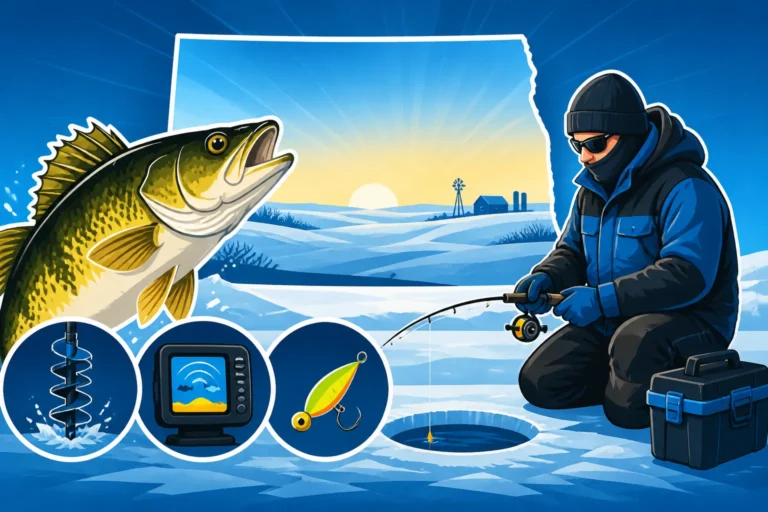
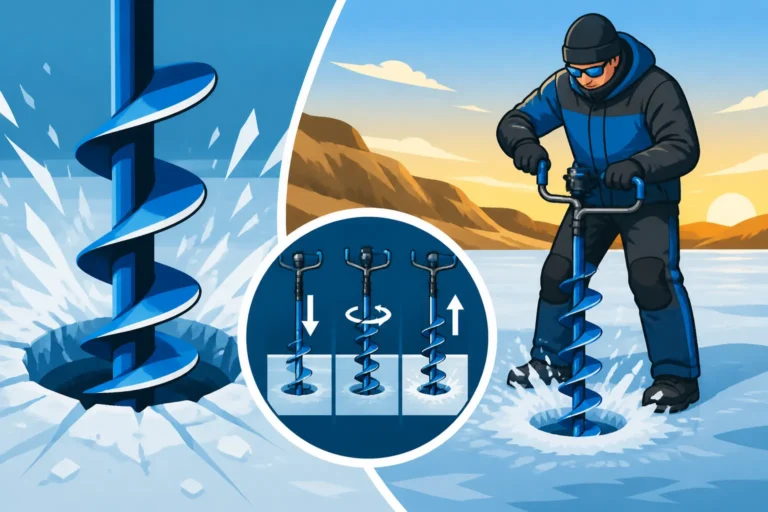
For early ice, when thicknesses are usually moderate (4-8 inches), a hand auger can be perfectly sufficient and is a great lightweight option for those who plan to walk out. It’s quiet, requires no fuel, and is easy to transport. However, if you plan to drill a lot of holes or anticipate thicker ice later in the season, a powered auger is a game-changer. Both electric augers, like those offered by Ion or StrikeMaster Lite-Flite, and propane augers are excellent choices. Electric augers are becoming increasingly popular for their quiet operation and lack of fumes, especially when fishing inside a portable shelter. Many anglers find great deals on these kinds of Best Ice Auger Brands for North Dakota through retailers like Amazon, especially before the season officially ramps up.
Regardless of the type, make sure your auger blades are sharp! Dull blades make drilling a chore and can quickly drain an electric battery. Carrying a spare set of blades or ensuring your primary set is freshly sharpened is a small detail that makes a huge difference on the ice.
Portable Shelters and Essential Electronics
Early ice often means brisk winds and rapidly changing conditions, so a portable ice shelter is a fantastic investment. Flip-over shelters, like those from Clam or Eskimo, are incredibly popular because they’re quick to deploy, offer excellent wind protection, and are easy to move from spot to spot. Hub-style shelters are also great, offering more space for groups, but take a bit longer to set up. For more ideas on setups, consider checking out guides on Setting Up an Ice Fishing Shelter.
When it comes to electronics, a good flasher or a fish finder with an ice transducer is almost essential for early ice. Fish are often spread out and moving, and these tools allow you to quickly locate fish, understand depth, and even see how fish react to your presentation. Brands like Vexilar, Marcum, and Humminbird offer excellent options. A portable power source, like a lithium battery pack, is also crucial for keeping your fish finder, phone, and even a small heater charged throughout the day. You can often find compact, reliable power stations on Amazon that are perfect for a full day of early ice action.
Dressing for Success: Staying Warm and Dry
Finally, and perhaps most importantly, proper attire is critical for enjoying early ice fishing. The air might not be as biting as mid-winter, but wet conditions (from slush, melting ice, or falling through) can turn dangerous quickly. Dressing in layers allows you to adapt to changing temperatures and activity levels. Start with a moisture-wicking base layer, add an insulating mid-layer (fleece or down), and top it off with a waterproof and windproof outer shell. As discussed, a flotation suit is the ultimate in safety and warmth.
Don't forget your extremities! Insulated, waterproof boots are a must-have, as are warm gloves or mittens. A warm hat that covers your ears is also vital. Consider checking out our guide on What to Wear Ice Fishing in North Dakota for more in-depth advice. Remember, you can always take layers off if you get too warm, but you can't add warmth you didn't bring. Staying dry and warm allows you to focus on the fishing and truly enjoy the start of the season.
Disclaimer
The information provided in this guide is for general informational purposes only and does not constitute professional advice. Ice conditions are inherently dangerous and can change rapidly. Always exercise extreme caution, assess ice conditions yourself, and prioritize safety above all else when ice fishing. The author and publisher are not responsible for any accidents or injuries that may occur.