Best Time to Start Prepping for Ice Season
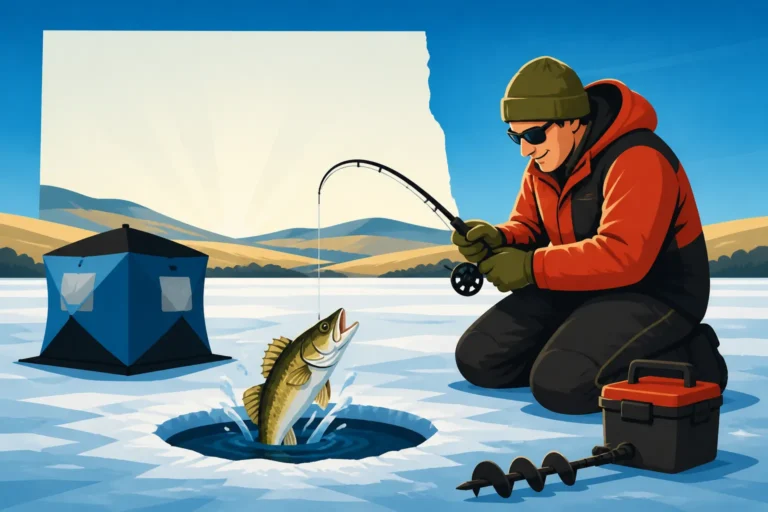
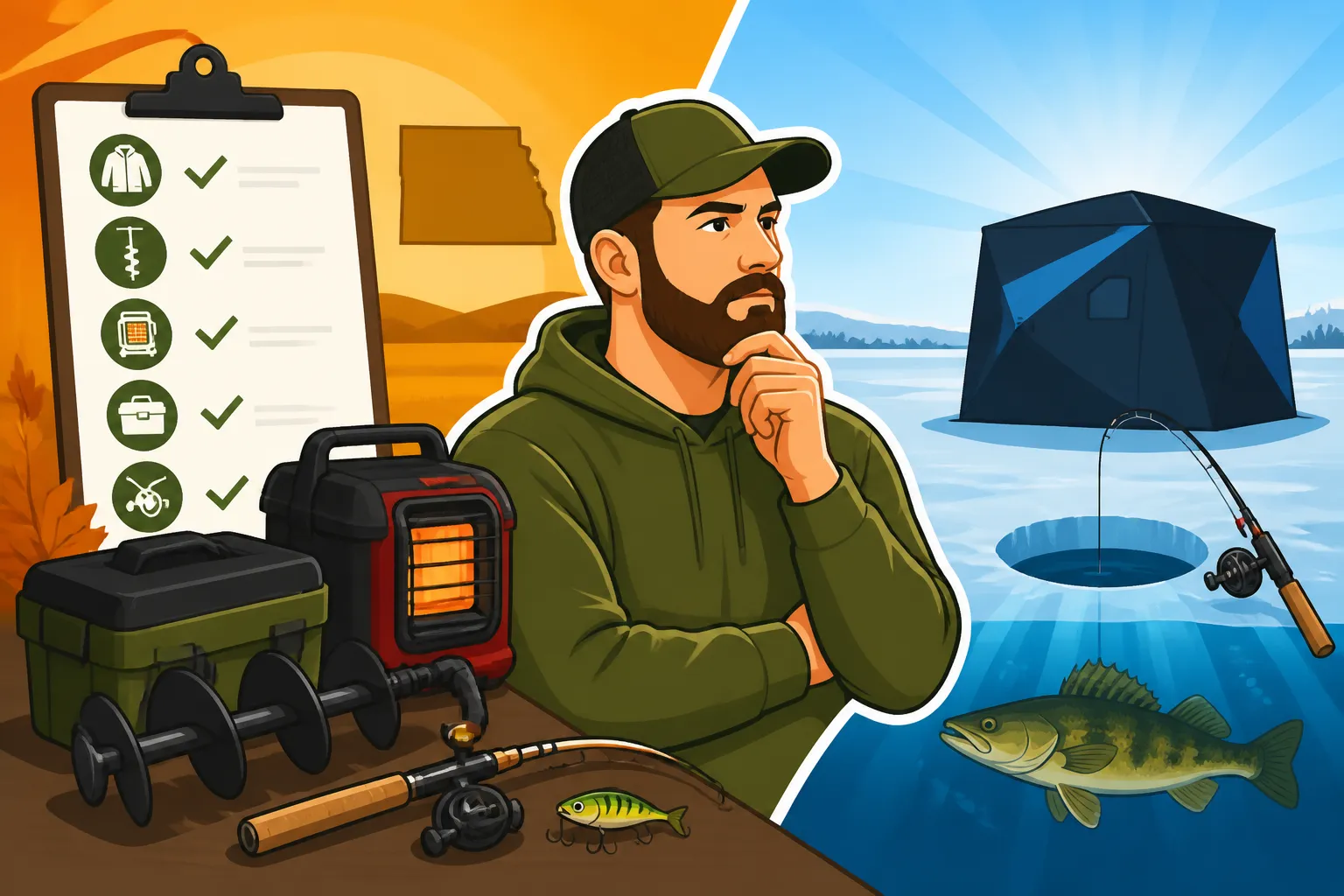
The crisp air of autumn is a beautiful thing, signaling changes in the landscape and often, a shift in our fishing focus. But for many dedicated anglers in North Dakota, it also brings a nagging thought to the back of their minds: "Is my ice fishing gear ready?" That feeling of realizing you're missing a crucial piece of equipment or that your auger won't start when first ice is just around the corner can be incredibly frustrating. This guide is all about helping you beat that stress by outlining the best time to start prepping for the ice season, ensuring you're fully prepared and excited for those first hardwater adventures.
Why Getting Ahead on Ice Season Prep Pays Off Big Time
It's tempting to put off thinking about ice fishing when the open water bite is still good, or when the leaves are just starting to turn. However, neglecting your ice season prep until the last minute can lead to unnecessary headaches, expenses, and even missed opportunities on those prime early ice days. A little foresight can make a huge difference in your overall experience.
Avoiding Last-Minute Panics and Empty Shelves
We've all been there: that sudden cold snap hits, everyone scrambles for their ice fishing gear, and suddenly, the specific jig head, propane tank, or auger spark plug you need is out of stock everywhere. It's not just local stores; even online retailers like Amazon can see specific popular items sell out or experience shipping delays during peak demand. Starting your prep early means you can leisurely assess your needs, compare prices, and order items without the pressure of a looming deadline. Imagine having your auger blades sharpened, your tackle boxes organized, and your shelter patched weeks before the ice even begins to form – pure bliss! This proactive approach allows you to secure exactly what you need, when you need it, avoiding that mad dash and potential disappointment.
Ensuring Safety and Functionality Before the Cold Hits
Ice fishing isn't just about catching fish; it's about staying safe and warm in often harsh conditions. The last thing you want is to be out on a frozen lake, miles from shore, only to discover your portable heater isn't firing up, or your headlamp batteries are dead. Early preparation allows you ample time to inspect, test, and repair all your critical equipment. You can ensure your auger starts smoothly in your garage, your shelter is free of rips that would let in biting winds, and your Best Fish Finders for Ice Fishing are fully charged and updated. This isn't just about convenience; it's a vital safety measure. Knowing your gear is in top working order provides peace of mind and allows you to focus on the fishing, not on equipment malfunctions.
Spreading Out the Financial Hit and Finding Deals
Let's be honest, ice fishing can be an investment. Between augers, shelters, electronics, rods, tackle, and all the little accessories, the costs can add up quickly. Waiting until the eleventh hour often means buying whatever is available at full price, simply because you need it immediately. By starting your prep early, say in late summer or early fall, you can take advantage of off-season sales, end-of-summer clearances, or even early bird specials that pop up. This strategy helps spread the cost over several weeks or months, making it much more manageable than a single, large expenditure. Plus, with more time, you can shop around online, perhaps finding a better deal on a specific item on Amazon or from another specialized retailer, ensuring you get the most bang for your buck.
Essential Areas of Focus for Your Pre-Ice Season Checklist
Getting ready for ice fishing involves more than just pulling out your old gear. It requires a systematic approach to ensure everything is in prime condition. From your power tools to your clothing, every piece plays a role in a successful and enjoyable day on the ice.
Inspecting and Servicing Your Ice Auger
Your ice auger is arguably your most critical piece of equipment. Without it, you’re not drilling holes, and without holes, you’re not fishing! Whether you run a gas, propane, or electric model, late summer or early fall is the perfect time for a thorough check-up.
Gas and Propane Augers: Fuel, Spark, and Blades
For gas augers, this means checking the fuel lines for cracks, replacing the spark plug, topping off or replacing stale fuel with a fresh mix, and ensuring the air filter is clean. If it's a propane model, check the regulator and hose for any damage and make sure you have a fresh tank or two. Most importantly, inspect your blades. Are they dull, chipped, or rusty? Dull blades make drilling a nightmare and can quickly drain your energy or battery. Consider having them professionally sharpened or replacing them if they're beyond repair. Even though it's still warm outside, doing a test start in your garage (with proper ventilation!) can save you a world of frustration on a cold winter morning. Remember, sharp blades are key to efficient hole drilling, regardless of your auger type. A quick search for Best Auger Size for North Dakota Ice Fishing can also help you confirm you're using the most efficient tool for your needs.
Electric Augers: Batteries, Chargers, and Blade Condition
Electric augers have become incredibly popular, but they have their own maintenance needs. The most critical component is the battery. Ensure your batteries are holding a charge, and perform a full charge cycle to verify their health. Inspect the charger for any damage. Just like gas augers, the blades are paramount. Check them for sharpness and damage, and consider having them sharpened or replaced. Since electric augers rely solely on battery power, having a spare, fully charged battery is always a good idea, especially for longer days or when fishing new, unknown spots that might require more holes. Test-running your auger at home also confirms everything is in working order before you hit the hard water.
Ice Shelter and Heater Maintenance
Your ice fishing shelter is your mobile command center and your refuge from the elements. Taking the time to properly inspect and maintain it will ensure it provides the comfort and protection you need.
Shelter Fabric, Zippers, and Poles
Unpack your shelter completely. Look for any rips, tears, or pinholes in the fabric that could let in cold air or snow. Small tears can often be patched with repair kits available at sporting goods stores or online via Amazon. Check all zippers to ensure they open and close smoothly; lubricate them if they're stiff. Inspect the poles for bends, cracks, or loose connections. Make sure all hubs and joints are functioning correctly. If you have a portable flip-over, check the sled for cracks and ensure the tow bar is solid. Proper shelter maintenance extends its life and keeps you comfortable when How Cold It Gets Ice Fishing in North Dakota.
Propane Heaters and Ventilation
For portable propane heaters, safety is the number one priority. Inspect the hose and regulator for cracks or leaks. Test the igniter to make sure it's working. If you haven't used it in a while, it's a good idea to fire it up briefly outside to burn off any dust or debris and confirm it's heating properly. Always ensure adequate ventilation when using a propane heater inside an enclosed space like an ice shelter to prevent carbon monoxide buildup. Having a working carbon monoxide detector in your shelter is a non-negotiable safety measure. When considering new options, check out resources like Best Portable Heater for an Ice Shelter to ensure you're making a safe and effective choice.
Checking Your Rods, Reels, and Line
Don't let the small size of ice fishing rods fool you; they endure a lot of stress. Taking care of your rods and reels now means fewer frustrating moments on the ice.
Rod Guides and Reel Performance
Go through each of your ice fishing rods. Run a cotton swab along each guide to check for cracks or rough spots that could fray your line. Small dings can easily ruin a perfectly good fishing line. For your reels, check the drag to ensure it's smooth and consistent, and crank the handle to feel for any grinding or stiffness. A little bit of reel oil and grease can go a long way in ensuring smooth operation in frigid temperatures. This is also a great time to match your rods to specific target species, thinking about whether you need a lighter rod for perch or a sturdier one for pike, consulting guides like Best Ice Fishing Rods for Perch.
Fresh Line for a Fresh Season
Even if your line looks okay, it's often a good idea to spool fresh line onto your ice fishing reels. Monofilament can develop memory and weaken over time, especially if it's been sitting through a summer in storage. Braided line can also fray or absorb water, which can be an issue in freezing conditions. Starting with fresh line minimizes break-offs and gives you confidence in your setup. Consider the specific conditions you'll be fishing and choose a line type and test that suits your targets, whether it's fluorocarbon for stealthy walleye or heavier braid for large northern pike.
Electronic Devices: Fish Finders and Batteries
In modern ice fishing, electronics are almost as important as the auger itself. These devices help you locate fish, understand water depth, and see how fish react to your presentation.
Charging and Updating Your Fish Finder
Pull out your fish finder (flasher or LCD unit) and charge all its batteries fully. Inspect the transducer cable for any nicks or damage. If your unit has software updates available, now is the time to download and install them. Familiarize yourself with the settings again, perhaps reviewing articles like Best Fish Finder Settings for Walleye to refresh your memory on optimal configurations for different species or conditions. Make sure you have all the necessary mounts and adapters for your shelter or bucket. It's also wise to have a spare battery fully charged and ready to go, especially if you plan on long days on the ice.
GPS Units and Portable Power Stations
If you use a separate handheld GPS unit, ensure its batteries are fresh, and update any maps or waypoints. Portable power stations have become increasingly popular for charging phones, running lights, and powering electronics on the ice. Charge your power station fully and confirm all its ports are working. Consider investing in a small, reliable unit if you don't have one, as they add a great layer of convenience and comfort, especially on a long day of North Dakota ice fishing.
Safety Gear Assessment
Ice fishing comes with inherent risks, and proper safety gear is non-negotiable. Don't ever compromise on this aspect of your ice season prep.
Ice Picks, Spud Bars, and Flotation
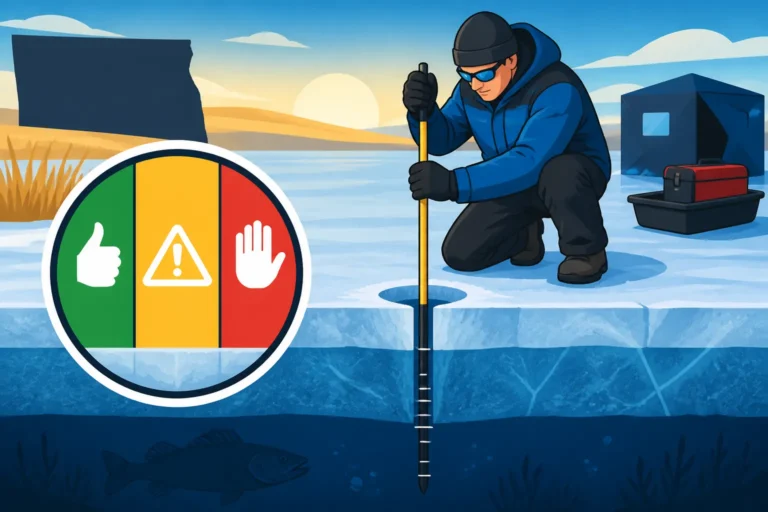
Gather all your safety gear. Do you have a pair of ice picks? These simple tools can be lifesavers if you fall through the ice. Keep them easily accessible around your neck or in a pocket. If you plan to be out on early ice, a spud bar is essential for checking ice thickness as you go. Inspect your flotation suit or PFD for any damage. Ensure everyone in your party understands basic ice safety protocols. Reviewing resources like Early Ice Fishing Safety Tips and How Thick Ice Needs to Be for Ice Fishing can be incredibly beneficial.
First Aid Kit and Emergency Supplies
A well-stocked first aid kit is crucial for any outdoor activity. Check the expiration dates on medications and replenish any used supplies. Include things like hand warmers, an emergency blanket, a whistle, a fully charged cell phone (in a waterproof case), and a small fire-starting kit. A headlamp with fresh batteries is also a must-have, especially if you plan to fish into the evening.
Tackle and Bait Inventory
While the technical gear is vital, don't forget the fun stuff – your tackle! A well-organized tackle box saves time and frustration when the bite is hot.
Jigs, Lures, and Line
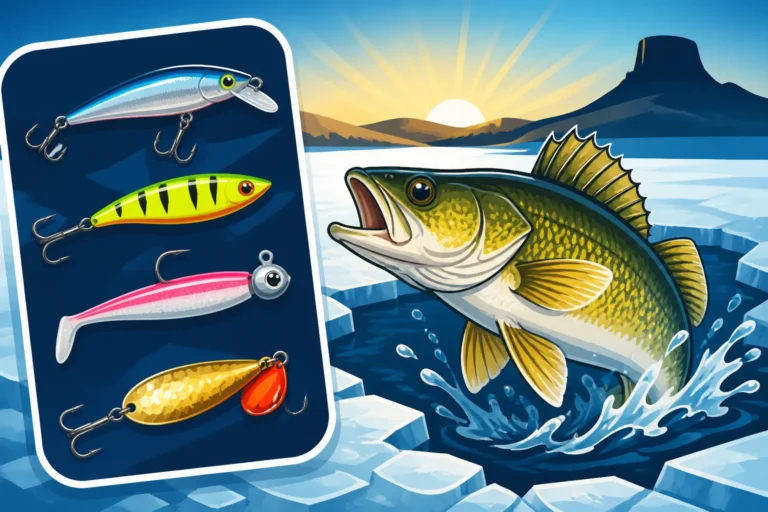
Go through your ice fishing tackle boxes. Organize jigs by size and color, ensuring hooks are sharp. Discard any rusty or damaged lures. Make a list of what you need to replenish. Consider what species you'll be targeting and ensure you have an adequate selection of specific baits and jigs for them. Perhaps you need more tiny tungsten jigs for perch or larger spoons for pike. Many anglers find great deals on bulk jigs and soft plastics on Amazon before the season ramps up. This is also a good time to tie fresh leaders on your main lines or spool new line onto your jigging rods if you haven't already.
Live Bait Considerations
While you can't store live bait for months, you can plan for it. Research local bait shops' hours and stock for the coming season. Consider investing in a good Best Live Bait Storage for Ice Fishing system, such as an insulated bait bucket with an aerator, to keep your minnows lively on the ice. Thinking ahead about your bait needs ensures you're not caught empty-handed when the fish are biting.
Your Timeline for North Dakota Ice Season Readiness
Knowing what to do is one thing, but knowing when to do it is key to a stress-free ice season prep. Breaking down your tasks by season makes the whole process feel much more manageable.
Late Summer/Early Fall (August-September)
This is the "dreaming of ice" phase, even when it's still warm enough for flip-flops. It's too early for actual ice prep, but it's the perfect time for mental preparation and initial inventory.
Initial Gear Inventory and Wish List Building
Even as you're enjoying the last warm days of open-water fishing, start thinking about next winter. This is the ideal time to pull out your stored ice fishing gear (or mentally review it) and identify any obvious deficiencies. Did your old bibs get a tear last season? Is your shelter looking a little worn? Did you wish you had a better fish finder? Make a comprehensive list of what you have, what's broken, and what you'd like to upgrade or add. This is also when you can start doing some casual online browsing on sites like Amazon for new products or reviews, without the pressure of needing to buy right away. It's a great opportunity to explore new innovations in Best Ice Fishing Gear for North Dakota or Best Ice Fishing Shelters for North Dakota.
Research and Planning for Major Purchases
If you're considering a significant investment like a new ice auger, a different shelter, or a high-end fish finder, late summer is the time to start your research. Read reviews, compare models, and set a budget. By doing this early, you can patiently wait for sales or special offers that might appear in the coming months, rather than rushing into a purchase when prices are typically higher. This long lead time ensures you make an informed decision and don't end up with buyer's remorse.
Mid-Fall (October)
The leaves are turning, the air is getting crisper, and deer hunting season might be on your mind. But for the serious ice angler, October is when the practical ice season prep really begins.
Servicing Power Equipment and Heavy Gear
This is prime time to service your gas or propane auger, change the oil, clean filters, and replace spark plugs. If you have an electric auger, cycle the batteries and check the charger. Patch any tears in your ice shelter and ensure all poles and zippers are functional. If you plan on doing any DIY repairs or sending gear in for professional service (like auger blade sharpening), doing it now avoids the long wait times that occur closer to winter. Don't forget to check your Best Cold Weather Gear for Ice Fishing – are your boots still waterproof? Do your insulated bibs still have intact zippers? Now's the time to address those issues.
Tackle Organization and Line Replacement
Take a few evenings to go through your tackle boxes. Sharpen hooks, organize jigs, and replenish any lures you ran out of last season. It’s also an excellent time to re-spool all your ice fishing reels with fresh line. Old line can be weak and develop memory, leading to missed fish. Starting fresh gives you maximum confidence. Consider your target species and ensure your tackle boxes are stocked for specific adventures, whether it's North Dakota Walleye Fishing Guide or North Dakota Yellow Perch Fishing Guide.
Late Fall/Early Winter (November-December)
The days are short, the temperatures are dropping, and the first skim of ice might already be forming on sheltered bays. This is the final push for ice season prep before it's time to hit the hard water.
Final Checks and Consumable Stock-Up
Perform a final check on all your gear. Start your auger one last time. Charge all your electronics batteries. Make sure your portable heater is working and you have plenty of propane cylinders or refillable tanks. Replenish consumable items like hand warmers, snacks, and any specific lures you decided you needed. Check your safety gear one last time, ensuring your ice picks are accessible and your first aid kit is fully stocked. This meticulous final review will pay dividends on the ice.
Monitoring Ice Conditions and First Ice Planning
Keep a close eye on local weather forecasts and ice reports. Understand when the ice fishing season officially begins and be aware of any early season regulations. Articles like When Does Ice Fishing Season Start in North Dakota? can provide key dates. Have your preferred early-ice spots in mind and plan your first outing. Remember that early ice can be unpredictable, so always prioritize safety, especially regarding Early Ice Fishing Safety Tips. Ensure you have a spud bar, ice picks, and ideally, a partner when venturing out onto fresh ice. Getting your gear ready weeks in advance means you won't be scrambling, but instead, calmly anticipating the excitement of the first hardwater bite of the season.
Seasonal Prep Checklist
Here’s a quick overview to keep you organized as you gear up for the North Dakota ice season:
| Prep Stage | Timing | Key Tasks | Important Notes |
|---|---|---|---|
| Initial Review | Late Summer | Inventory all existing gear, identify broken/worn items, start wish list for upgrades. | No rush, perfect for research and dreaming. Check for new models of Best Fishing Rods for North Dakota Anglers. |
| Major Maintenance | Early-Mid Fall | Service auger (fuel, spark, blades, batteries), repair shelter fabric/zippers, test heaters, inspect heavy gear. | Allows time for professional service or ordering parts from Amazon. Crucial for safety and avoiding delays. |
| Tackle & Line | Mid-Fall | Organize tackle, sharpen hooks, re-spool reels with fresh line, replenish jigs/lures. | Fresh line prevents break-offs. Stock up on specific species tackle after reviewing a North Dakota Walleye Fishing Guide. |
| Electronics Check | Mid-Late Fall | Charge batteries, inspect cables, update software on fish finders/GPS, test lights, ensure portable power station is charged. | Essential for success on the ice. Consider if your unit is still suitable, or if you need to research Best Fish Finders for North Dakota Lakes. |
| Safety Gear | Late Fall | Verify ice picks, spud bar, flotation devices. Update first aid kit, check emergency supplies (headlamp, whistle, fire starter). | Non-negotiable for all ice anglers. Refresh your knowledge on How to Check Ice Thickness Safely. |
| Final Prep | Late Fall/Early Winter | Charge all batteries, fuel up gas augers, stock propane, pack snacks, hot beverages, and dress appropriately. | Last chance to ensure everything is perfect before heading out. Double-check your layering for What to Wear Ice Fishing in North Dakota. |
| Ice Monitoring | Ongoing (Fall-Winter) | Monitor local weather and ice conditions, be aware of "first ice" dates and regulations. | Plan your first trip only when conditions are safe. Stay updated on When Does Ice Fishing Season Start in North Dakota? for regional variations. |
Disclaimer
This article is for general informational purposes only and does not constitute professional advice. Laws, prices and regulations vary by location and change over time. Consult a qualified professional for guidance on your specific situation.