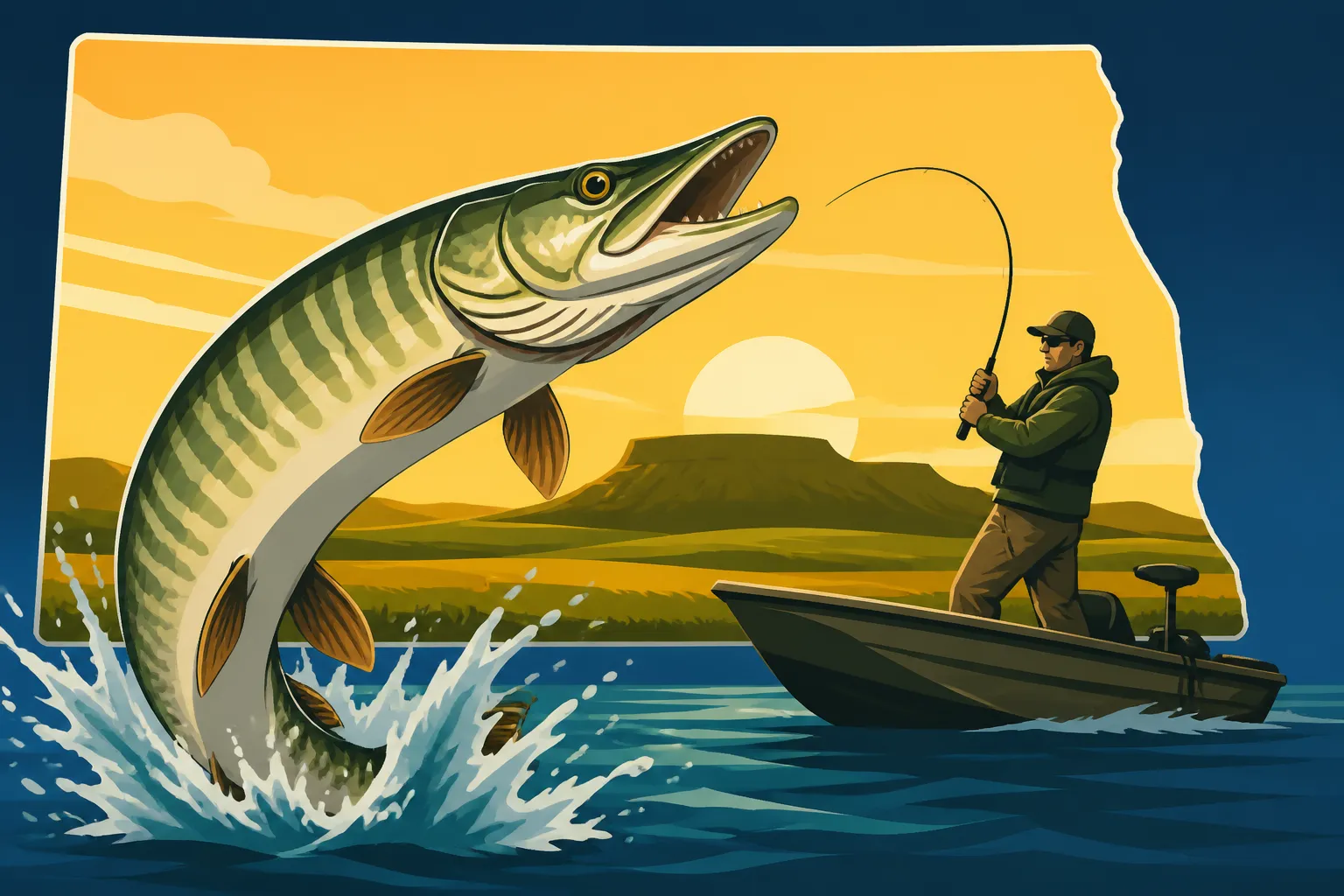
Muskie Fishing in North Dakota
For many anglers, the pursuit of muskie in North Dakota can feel like chasing a ghost – an elusive, magnificent challenge that often leaves you wondering if you're even in the right place or using the right gear. It's a journey filled with long hours, countless casts, and often, the frustration of coming up empty-handed. But for those who persevere, the reward of hooking into one of these freshwater titans is unparalleled. This guide is here to demystify muskie fishing in our great state, providing you with the knowledge and strategies to increase your chances of that unforgettable encounter.
Understanding the Elusive North Dakota Muskie
Muskellunge, often shortened to muskie, are not just fish; they're a legendary pursuit. Known as the "fish of 10,000 casts," their reputation for being difficult to catch is well-earned. But don't let that deter you! Their immense size, predatory nature, and explosive strikes make them one of the most exciting game fish in North Dakota waters. Getting to know their habits, preferred environments, and life cycles is your first step toward success.
The Allure of the 'Fish of 10,000 Casts'
The moniker "fish of 10,000 casts" isn't a marketing gimmick; it's a testament to the dedication required to consistently land muskies. These fish are apex predators, intelligent, and often solitary, making them a formidable opponent. They don't strike out of hunger alone; curiosity, territorial defense, or a sudden, irresistible presentation can trigger a bite. What makes them so appealing is precisely this challenge. There's a certain prestige that comes with fooling a muskie, knowing you've outsmarted one of the smartest fish in the lake. The anticipation with every cast, the sudden shock of a follow-up, and the sheer power when one finally hits your lure—these are the moments that keep muskie anglers coming back for more. It's a mental game as much as a physical one, demanding patience, observation, and an unyielding belief that the next cast could be the one.
Muskie Characteristics and Behavior
Muskies are instantly recognizable by their long, cylindrical bodies, flattened heads, and duck-bill-shaped jaws lined with razor-sharp teeth. They typically have dark bars or spots on a lighter background, though patterns can vary. What sets them apart from their pike cousins is the lack of scales on the lower half of their cheek and gill covers – a key identification feature. Behaviorally, muskies are ambush predators. They prefer to lie in wait in thick cover like weed beds, submerged timber, or rocky points, ready to dart out and engulf unsuspecting prey. They have incredible bursts of speed and a powerful tail that allows them to accelerate rapidly. Their diet primarily consists of smaller fish, but they're not picky; anything from ducks to small mammals can end up on their menu if the opportunity arises. Understanding this predatory instinct is crucial for lure selection and presentation. They're often moody, influenced by changes in weather, barometric pressure, and water temperature, which further adds to their elusive nature.
North Dakota Muskie Stocking and Management
North Dakota's muskie fishery is primarily sustained through diligent stocking programs by the state's Game and Fish Department. Unlike some regions where muskies naturally reproduce in large numbers, North Dakota's populations often rely on these efforts to thrive. This means that the lakes holding muskies are carefully selected and managed to provide the best possible habitat. The goal is not to create a high-numbers fishery, but rather a trophy fishery, where anglers have the chance to catch truly large, impressive fish. The department monitors growth rates, population health, and angler success to make informed decisions about stocking schedules and locations. This dedicated management ensures that even though muskies might be elusive, the opportunity to hook into a genuinely magnificent specimen exists for those willing to put in the time. You can often find information about these stocking efforts on the Game and Fish website, which can give you clues about potential hot spots. For instance, knowing where they've stocked in recent years can help predict where mature fish might be now.
Where to Find Muskie in North Dakota
While North Dakota might not be the first state that comes to mind for muskie fishing, we actually have some fantastic, albeit challenging, opportunities. These fish thrive in specific environments, usually large lakes with ample forage and diverse structure. Knowing these prime locations is half the battle; the other half is understanding the specific habitats within them.
Top Muskie Lakes in North Dakota
When you talk about muskie fishing in North Dakota, a few lakes immediately jump to mind as premier destinations. These are the bodies of water where dedicated muskie anglers spend their time, often traveling significant distances for a chance at a trophy.
- Lake Audubon: Connected to the mighty Lake Sakakawea, Lake Audubon is perhaps the most famous muskie lake in North Dakota. It boasts a healthy population of impressive fish, with many exceeding the coveted 40-inch mark. The lake offers diverse structure, from shallow bays choked with weeds to rocky points and submerged humps, all ideal muskie ambush points. Anglers here often focus on large crankbaits and glide baits.
- New Johns Lake: This gem is another top-tier muskie fishery. Similar to Audubon, it's known for producing quality fish. It's often praised for its relatively clear water, which can make sight fishing for following muskies an exhilarating experience. The lake features extensive weed lines, submerged timber, and deep contours that hold these predators.
- Other Potential Waters: While Audubon and New Johns are the heavy hitters, some other lakes occasionally produce muskie, often as a result of past stocking efforts or limited natural movement. It's always a good idea to check the latest regulations and stocking reports from the North Dakota Game and Fish Department, as conditions and opportunities can shift. These other lakes might not hold the same numbers or trophy potential, but sometimes a surprise catch can occur.
Understanding the specific features of these lakes, like those mentioned in Best Places to Fish in North Dakota, will greatly assist your targeting efforts.
Understanding Muskie Habitat in These Lakes
Muskies are creatures of structure and transition. They don't just swim around aimlessly; they position themselves in areas that offer both cover for ambush and access to deeper water or escape routes. In North Dakota's lakes, this often means focusing on a few key habitat types:
- Weed Beds: Expansive beds of coontail, cabbage, or milfoil are muskie magnets. These provide excellent camouflage, cooler water temperatures in summer, and a buffet of smaller forage fish. Look for edges, pockets, and points within these weed lines where a muskie can hide and surprise its prey.
- Rocky Points and Reefs: Hard bottom structure, especially points that extend into deeper water or submerged rock reefs, are also prime muskie territory. These areas often attract baitfish, and muskies will use the contours to ambush.
- Submerged Timber and Brush Piles: Sunken trees, stumps, and artificial brush piles offer vertical and horizontal cover. These can be difficult to fish without getting snagged, but they often hold big fish.
- Transition Zones: Where shallow water meets deep, where hard bottom transitions to soft, or where current meets still water – these are all high-percentage areas for muskies. They exploit these changes to their advantage.
When you're out on the water, pay close attention to your electronics. Your fish finder can reveal these underwater structures, helping you pinpoint potential muskie haunts. Many anglers use high-definition mapping and side-imaging to really pick apart these complex environments.
Seasonal Movement Patterns
Muskies, like most fish, have distinct seasonal movement patterns that dictate where you'll find them and how they'll respond to your presentations.
- Spring (Post-Spawn): After the ice goes out and water temperatures begin to rise (typically late April into May), muskies are recovering from the spawn. They'll often be found shallower, cruising flats, new weed growth, or rocky shorelines as they look for easy meals. They can be aggressive but also wary as they're often in clear, shallow water.
- Summer: As water temperatures climb, muskies often move to deeper weed edges, submerged humps, and thermoclines where they can find cooler water and abundant bait. Early mornings and late evenings can still produce in shallower cover, but during the heat of the day, targeting deeper structure or shaded areas, especially in a lake like Lake Audubon which also holds smallmouth bass in rocky areas, can be key. Lake Audubon Smallmouth Bass Fishing might even give you clues to structure holding muskie!
- Fall: This is often considered the prime time for trophy muskie fishing. As water temperatures cool, muskies enter a "feeding frenzy" to bulk up for winter. They'll often be found deeper but will make forays into shallower feeding grounds. Big baits are key, and fishing right up until ice-up can be incredibly productive. This is when the largest fish are most actively feeding and can be caught.
Understanding these patterns, in conjunction with the North Dakota Fishing Season Dates and Limits, can help you plan your trips for maximum success.
Best Times for Muskie Fishing in North Dakota
Timing is everything in muskie fishing. While you can catch one at any given moment, certain periods offer significantly better odds. This isn't just about the season, but also about daily conditions and the subtle cues the fish give you.
Prime Seasons: Summer and Fall Hotspots
While spring post-spawn can offer good action, summer and especially fall are generally considered the most productive seasons for muskie in North Dakota.
- Summer's Challenge and Reward: Summer muskie fishing can be tough due to higher water temperatures and fishing pressure, but it's far from impossible. Focus on the cooler parts of the day – early mornings and late evenings – when muskies might move into shallower feeding areas. During the heat of the day, concentrate on deeper weed lines, humps, and points where they can find thermal refuge. Trolling can be very effective in summer, covering vast amounts of water to locate active fish. Think about large bucktails, crankbaits, or even topwater lures during low-light conditions.
- Fall's Trophy Potential: This is the season when many anglers dedicate their time and effort. As the water cools, muskies become incredibly aggressive, trying to pack on calories before winter. They'll often move to rocky structures, deep weed edges, and main lake points. Larger, slower presentations often excel in the fall, such as big glide baits, oversized rubber baits, and even live bait (where legal and applicable, always check regulations). The fish are often heavier and stronger in the fall, making for epic battles. Persistence through colder weather and short days often pays off with the muskie of a lifetime.
Weather and Water Conditions for Success
Muskies are notoriously sensitive to environmental changes. Paying attention to weather patterns and water conditions can significantly impact your success rate.
- Barometric Pressure: A stable or slowly rising barometric pressure often signals good fishing. Muskies tend to be more active and willing to strike during these periods. A rapidly dropping pressure before a storm can also trigger a feeding frenzy, but conditions might become too dangerous to fish. Post-front conditions, with high, stable pressure and clear skies, often make muskies lethargic and difficult to catch.
- Wind: A moderate chop on the water surface can be your friend. It breaks up the light penetration, makes it harder for muskies to see your boat, and creates current that can stir up baitfish. Too much wind, however, can make boat control and casting extremely challenging and even unsafe, especially on large bodies of water like Lake Audubon.
- Cloud Cover: Overcast days are generally preferred for muskie fishing. Reduced light penetration means muskies are less likely to be deep and more willing to chase lures in shallower water throughout the day.
- Water Temperature: This is perhaps the most critical factor. Muskies have optimal feeding temperature ranges, typically in the 60s Fahrenheit. However, they will feed outside of this range. As water cools in the fall, they'll remain active, but their metabolism slows, often requiring slower presentations. Learning about these cues and how to adapt your strategy can differentiate a good day from a frustrating one.
Understanding Muskie Feeding Windows
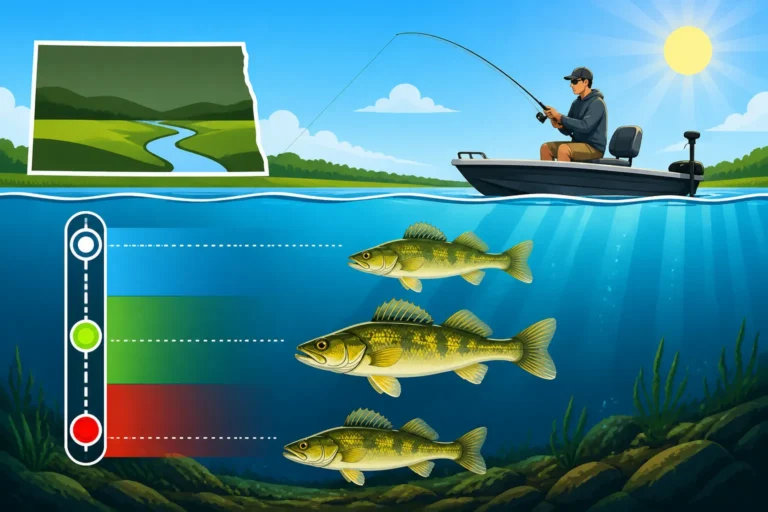
Muskies don't typically feed all day long. Instead, they often have specific "feeding windows" – periods of heightened activity that can last anywhere from minutes to a few hours. Identifying and capitalizing on these windows is crucial.
- Solunar Tables: Many muskie anglers consult solunar tables, which predict periods of increased fish activity based on moon phases and positions. While not foolproof, they can provide a general guide.
- Major and Minor Feeding Periods: These tables often highlight "major" and "minor" feeding periods each day. A major period might coincide with a moonrise or moonset, while minor periods could be moon overhead or underfoot. It's during these times that muskies are supposedly more likely to be active.
- Environmental Triggers: Beyond the moon, sudden changes in weather (like a cloud front moving in, or a sudden drop in wind), or even the activity of baitfish, can trigger a muskie feeding window. Pay attention to any signs of increased activity around you, whether it's baitfish jumping or birds diving. If you observe a feeding window, maximize your effort and casts during that time. Sometimes, you only get one shot, so make it count.
Essential Gear and Techniques for Muskies
Muskie fishing isn't just about big lures; it's about having the right tools for the job and knowing how to wield them. This isn't a fishery where light tackle will cut it; you need heavy-duty gear designed to withstand the immense power of these fish.
Rods, Reels, and Line for Muskie
Your muskie setup needs to be robust, capable of casting large baits, handling powerful strikes, and controlling a strong, aggressive fish.
- Rods: Look for heavy or extra-heavy power baitcasting rods, typically 8 to 9.5 feet long. These longer rods provide better casting distance for heavy lures, increased leverage for fighting big fish, and better shock absorption during head shakes. A fast or extra-fast action is usually preferred for solid hook sets. Brands like St. Croix, G. Loomis, and Shimano offer excellent muskie-specific rods that can handle the stress. You can often find a good selection of specialized muskie rods on platforms like Amazon if your local tackle shop has limited inventory.
- Reels: High-quality baitcasting reels with a strong drag system and a high line capacity are essential. Reels with a gear ratio in the 5:1 to 6:1 range offer a good balance of power for retrieving big lures and speed for working them effectively. Make sure your reel has a smooth, consistent drag that won't falter during a long fight.
- Line: Braided line is the standard for muskie fishing due to its incredible strength, lack of stretch, and thin diameter. Pound test typically ranges from 80 to 100 pounds. The lack of stretch helps with solid hook sets at long distances, and the high breaking strength is critical for battling powerful fish and ripping lures free from weeds. Always pair your braided line with a heavy-duty fluorocarbon or wire leader (100-150 lb test) to prevent bite-offs from their sharp teeth. A good Best Fishing Rods for North Dakota Anglers guide might touch on heavy gear, but muskie fishing definitely takes it to another level.
| Gear Component | Key Characteristics | Why It Matters for Muskie |
|---|---|---|
| Rod | Heavy/Extra-Heavy Power, 8-9.5 ft Length | Cast large baits, leverage for fighting, strong hook sets |
| Reel | Strong Drag, High Line Capacity, Baitcasting | Handles powerful runs, smooth operation, holds heavy line |
| Line | 80-100 lb Braided | No stretch for hook sets, extreme strength for big fish |
| Leader | 100-150 lb Fluorocarbon/Wire | Prevents bite-offs, withstands abrasion |
Essential Lures and Baits
Muskie anglers carry an arsenal of specialized lures, each designed for different situations and fish moods. The general rule is: go big.
- Bucktails: These are perhaps the most iconic muskie lures. Featuring large blades (single, double, or tandem) and a flowing skirt, they create significant vibration and flash. They are excellent for covering water quickly and can elicit aggressive strikes.
- Crankbaits: Large, deep-diving or shallow-running crankbaits imitate large baitfish. They are effective for trolling or casting over weed beds, rocky points, and open water. Colors often mimic common forage like perch, cisco, or suckers.
- Glide Baits and Jerkbaits: These lures are designed to be worked with rod tip twitches and pauses, creating an erratic, wounded-baitfish action. They can be incredibly effective when muskies are finicky or following.
- Soft Plastics/Rubber Baits: Massive soft plastic lures, often weighing several ounces, can imitate large forage. They offer a unique, undulating action that can be irresistible to big muskies, especially in cooler water.
- Topwater Lures: Nothing beats the excitement of a muskie exploding on a topwater bait. Large prop baits, walk-the-dog lures, or creeper baits are used in low-light conditions or over shallow, weedy areas.
Remember, presentation is key. Always check your knots and leaders, as one faulty component can cost you the fish of a lifetime. Looking for a diverse selection? Check out specialty fishing stores or online retailers like Amazon for the latest and most effective muskie baits. This is where a general Best Fishing Tackle for North Dakota Lakes article will only give you part of the picture; muskie require dedicated, oversized tackle.
Casting and Trolling Strategies
Successfully presenting your chosen lure to a muskie requires both strategic thinking and physical effort.
- Casting: This is the most common method. Focus your casts on prime muskie habitat: weed edges, rocky points, submerged timber, and any visible structure. Cast beyond your target and retrieve the lure past the potential ambush point. Vary your retrieve speed and cadence. One of the most critical aspects of muskie casting is the "figure eight" or "L-turn" at the boat. When a muskie follows your lure right up to the boat, you rapidly sweep your rod tip in a large figure eight pattern just under the surface. This erratic movement often triggers a strike from a curious follower who might have otherwise turned away. Many trophy muskies are caught this way, so never lift your lure out of the water until you've completed several figure eights.
- Trolling: Trolling allows you to cover vast amounts of water, especially on big lakes like Lake Audubon, and can be particularly effective during the summer months or when fish are scattered. Use large, deep-diving crankbaits or even bucktails, and pay close attention to your speed and depth. Trolling speed typically ranges from 2.5 to 5 mph, depending on the lure and desired action. Using multiple rods with different lures at varying depths can help you identify what the fish are keying in on. Make sure your boat is equipped for trolling, especially on windy days. If you're wondering about boating, Best Boats for North Dakota Lakes might give you some ideas for a setup that can handle muskie trolling. Always be aware of the How Many Lines Can You Fish With in North Dakota? regulations when trolling, as rules vary.
The Importance of Landing Gear
Landing a muskie safely and efficiently is paramount, both for the angler's safety and the fish's well-being. These are large, powerful fish with sharp teeth, and they can injure themselves or you if not handled properly.
- Large Landing Net: A big, muskie-specific landing net with a deep, rubberized mesh is non-negotiable. The net opening should be large enough to engulf the entire fish, preventing it from flopping out. Rubberized mesh protects the fish's slime coat and fins and prevents hooks from tangling, making for quicker release.
- Long-Nose Pliers and Bolt Cutters: These are essential tools. Long-nose pliers help extract hooks that are not deeply set. If a muskie swallows a hook or it's deeply embedded, bolt cutters are necessary to cut the hooks. This allows for a fast release, minimizing stress on the fish. Never try to yank a deeply embedded hook out; it will likely harm the muskie.
- Jaw Spreaders and Release Tools: While not always necessary with careful handling, jaw spreaders can be useful for stubborn fish to safely remove hooks. Specialized muskie release tools (like a hook-out) can also aid in quick and safe unhooking.
- Heavy-Duty Gloves: Protecting your hands from sharp teeth and gills is crucial. Heavy-duty gloves designed for handling fish can prevent serious injury.
- Camera (Ready to Go!): You'll want to capture the moment, so have your camera ready and accessible. However, prioritize the fish's health over the perfect photo. Get a few quick shots and then release it. For more general boating essentials, check out the Essential Gear Checklist for North Dakota Fishing.
Regulations and Conservation Efforts
Muskies are a prized resource, and their populations are carefully managed to ensure sustainable fishing for future generations. Understanding and adhering to regulations, as well as practicing proper catch and release, is vital.
North Dakota Muskie Regulations
North Dakota's muskie regulations are designed to protect these long-lived, slow-growing fish and promote a trophy fishery. These regulations can include:
- Minimum Size Limits: Expect a significant minimum length requirement, often in the 40-inch range or even higher. This ensures that most fish caught are mature and have had a chance to reproduce. For specific, current rules, anglers must consult the latest North Dakota Fishing Proclamation or the Game and Fish Department's official website.
- Daily and Possession Limits: Typically, muskie limits are very restrictive, often one fish per day and one in possession. Some regulations might even require a special tag or prohibit retention entirely in certain waters.
- Season Dates: While North Dakota has a generally long open water fishing season, specific rules might apply to muskie, particularly concerning spawning periods.
- Special Considerations: There might be rules regarding artificial lures only, or prohibitions on live bait in certain muskie waters to prevent the introduction of invasive species or to protect the stocked fishery.
It cannot be stressed enough: always verify the current regulations before you head out. These can change year to year. A quick check of the North Dakota Fishing Regulations Explained or North Dakota Fishing License Guide will help you find the most up-to-date information. Ignorance of the law is never an excuse for violations.
Catch and Release Practices
Given the "fish of 10,000 casts" nature of muskie and their role as a trophy species, catch and release is not just a suggestion; it's a fundamental part of responsible muskie fishing. Proper handling dramatically increases a fish's survival rate.
- Minimize Fight Time: Use appropriate heavy gear to land the fish as quickly as possible, reducing exhaustion.
- Keep the Fish in the Water: Whenever possible, unhook and release the muskie while it's still in the net or in the water. This prevents damage to its slime coat, fins, and internal organs that can occur when it's out of its buoyant environment.
- Wet Hands: If you must handle the fish, wet your hands thoroughly beforehand. Dry hands can remove the protective slime coat, making the fish susceptible to disease.
- Support the Body: If lifting for a photo, support the muskie horizontally with two hands – one under the gill plate (but not actually in the gills!) and one under the belly near the tail. Never hang a muskie vertically by the jaw or gills, as this can cause severe internal damage.
- Quick Photos: Take photos quickly and return the fish to the water immediately.
- Revive the Fish: Hold the fish gently in the water, facing into any current, until it regains its strength and can swim away on its own. It might take several minutes, especially after a long fight.
By following these practices, you ensure that the muskie you caught can continue to grow and provide a challenge for another angler down the line. This is truly the essence of conservation in muskie fishing.
Protecting the Future of Muskie Fishing
Beyond individual catch and release practices, protecting the future of muskie fishing involves a broader commitment to conservation. This includes:
- Reporting Violations: If you witness poaching or other illegal fishing activities, report them to the North Dakota Game and Fish Department. These actions directly threaten the health of the fishery.
- Preventing Invasive Species: Always "Clean, Drain, Dry" your boat and gear after every outing, especially when moving between different bodies of water. Invasive species like zebra mussels or Eurasian watermilfoil can devastate aquatic ecosystems, impacting muskie habitat and forage.
- Advocacy: Support organizations dedicated to muskie conservation and habitat improvement. Your voice and financial contributions can help fund research, stocking programs, and habitat restoration projects.
- Educating Others: Share your knowledge of responsible muskie fishing with fellow anglers. The more people who understand and practice ethical angling, the better our chances of preserving this incredible fishery for generations to come. Even understanding the difference between a muskie and a pike, as detailed in Northern Pike vs Muskie Identification and How to Identify a Hybrid Muskie in North Dakota, is a part of this educational effort.
Tips for a Successful North Dakota Muskie Hunt
Chasing muskies is a marathon, not a sprint. Success often comes down to a combination of preparation, persistence, and a willingness to adapt. Here are some extra tips to help you on your quest for North Dakota's freshwater giants.
Patience and Persistence: The Muskie Angler's Mantra
It's called the "fish of 10,000 casts" for a reason. Muskie fishing demands an extraordinary level of patience and persistence.
- Embrace the Grind: Expect to cast for hours without a single bite, follow, or even a glimpse of a fish. This is normal. The successful muskie angler is the one who keeps casting, keeps believing, and keeps working their lure with dedication.
- Stay Focused: It's easy to get distracted or lose focus after hundreds of casts. But that one strike could come at any moment. Maintain your concentration on your retrieve, feel for any subtle changes, and always be ready for the figure eight at the boat.
- Learn from Every Outing: Even if you don't catch a fish, every trip is a learning experience. Pay attention to the conditions, the areas you fished, what lures you used, and what (if anything) you saw. Keep a log of your outings to identify patterns over time. The "bad days" often teach you more than the good ones.
- Mental Toughness: Muskie fishing can be mentally draining. Celebrate the small victories – a clean cast, a perfect figure eight, a glimpse of a follow. These small successes build the mental fortitude needed for the long haul. Remember, just because they aren't biting now doesn't mean they won't bite in the next hour or the next cast.
Boat Control and Presentation
Having the right gear is one thing, but presenting your lure effectively is another. Boat control plays a huge role in muskie fishing success, especially in North Dakota's often windy conditions.
- Electric Trolling Motor: A high-thrust, reliable electric trolling motor is invaluable. It allows for precise boat positioning, stealthy approaches to prime spots, and crucial boat control during the figure eight at the boat. Spot-lock features on modern trolling motors are a game-changer for holding your position in wind or current.
- Drift Sock/Anchor: When casting large areas or if you prefer to drift, a drift sock can slow your boat down and help maintain a consistent drift path, allowing you to thoroughly work an area. For holding precise positions in strong winds or current, a traditional anchor system is a must.
- Working the Edges: When approaching a weed line or rocky point, position your boat so you can cast along the edge, not just perpendicularly to it. Muskies often patrol these edges, and a lure retrieved parallel to the cover spends more time in the strike zone.
- Angles and Casts: Don't just cast in one direction. Work an area with different casting angles to present your lure from various perspectives. Sometimes a muskie might ignore a lure coming from one direction but strike aggressively when it approaches from another. This subtle manipulation of presentation can be the difference between a follow and a strike.
Advanced Electronics for Muskie
Modern fishing electronics have revolutionized muskie fishing, giving anglers an edge they never had before. While not strictly necessary for every angler, they can dramatically improve your efficiency.
- High-Definition Sonar and Down/Side Imaging: These technologies allow you to literally "see" the underwater world. You can identify submerged weed beds, rock piles, individual timber, and even baitfish schools that indicate potential muskie presence. Side imaging is particularly useful for scanning large areas quickly and identifying hidden structure away from the boat.
- GPS Chartplotters with Lake Maps: Detailed lake maps showing contours, depths, and navigation hazards are essential. GPS allows you to mark waypoints for productive spots, follow precise trolling paths, and navigate safely, especially on large, complex lakes. A good chartplotter for Lake Sakakawea, for instance, would also be invaluable on Lake Audubon.
- Live Sonar (e.g., Garmin LiveScope, Humminbird Mega Live, Lowrance ActiveTarget): This cutting-edge technology allows you to see in real-time what's happening beneath your boat and out in front of it. You can see your lure, baitfish, and potentially, a muskie reacting to your presentation. This allows for immediate adjustments to your retrieve or lure choice, turning followers into biters. While a significant investment, it offers an unprecedented advantage for understanding muskie behavior in the moment. Remember, you can always browse these high-tech units and accessories on Amazon if your local retailer has limited stock.
Using these tools effectively requires practice, but they can cut down on those "10,000 casts" by helping you fish smarter, not just harder.
Disclaimer
This article is for general informational purposes only and does not constitute professional advice. Laws, prices and regulations vary by location and change over time. Consult a qualified professional for guidance on your specific situation.