What Fish Species Live in Devils Lake?
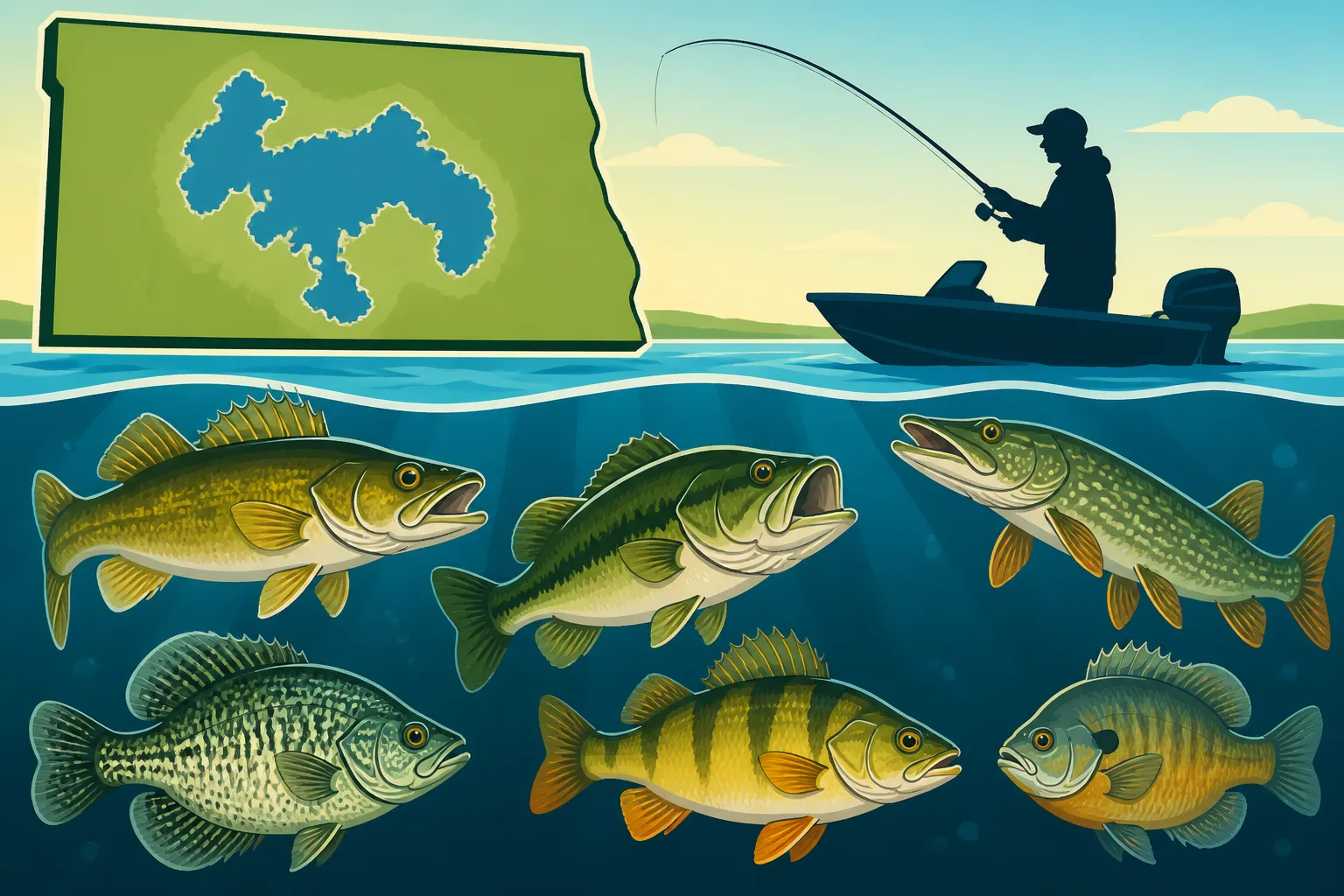
For many anglers, the question of what fish species lurk beneath the surface of Devils Lake isn't just curiosity; it's a vital piece of the puzzle for planning a successful and rewarding fishing trip. There’s nothing more frustrating than arriving at a new body of water, tackle box in hand, only to realize you’re completely unprepared for the fish that actually live there. This comprehensive guide will peel back the watery layers of Devils Lake, revealing its diverse aquatic inhabitants and helping you understand what makes this legendary North Dakota fishery tick.
The Unique Ecosystem of Devils Lake
Devils Lake isn't just another body of water; it's an anomaly, a natural marvel that has transformed dramatically over the decades. Its ever-changing nature is what makes it such a dynamic and productive fishery, but it also means that understanding its unique ecosystem is key to unlocking its secrets.
How Devils Lake Became So Productive
Imagine a vast, sprawling landscape of submerged trees, old farmsteads, and flooded roads, all teeming with life. That's essentially what Devils Lake has become. Historically, it was a much smaller, shallower lake, but cycles of increased precipitation starting in the late 20th century led to a dramatic and sustained rise in water levels. This wasn't a slow, gentle creep; it was an inundation, swallowing up thousands of acres of dry land. As the water rose, it flooded forests, pastures, and even entire communities, creating an unparalleled amount of new habitat for fish.
These submerged structures — the skeletal remains of trees, brush piles, old fence lines, and even flooded buildings — provide incredible cover and ambush points for predatory fish. It also created vast new areas for aquatic insects and baitfish to thrive, forming the base of a robust food chain. The influx of nutrients from the flooded agricultural land further fueled this productivity, leading to an explosion in fish populations and growth rates that are the envy of many other fisheries. This dynamic expansion is a huge part of why How Big Is Devils Lake Compared to Other North Dakota Lakes? is a question often asked, as its sheer size and unique features set it apart.
The Impact of Salinity on Fish Species
One of the most defining characteristics of Devils Lake is its salinity. It's an endorheic basin, meaning it has no natural outflow. Water comes in from precipitation and runoff, but it only leaves through evaporation. As water evaporates, it leaves behind dissolved minerals and salts, causing the lake's salinity to fluctuate. In drier periods, salinity rises; in wetter periods, it dilutes. This isn't ocean-level saltiness, but it's enough to significantly influence the types of fish that can thrive here.
Some freshwater fish are quite tolerant of brackish conditions, and others, not so much. The species that have adapted to or even benefited from this unique chemistry are the ones that dominate the Devils Lake fishery today. This salinity actually helps to limit the proliferation of certain less desirable fish species, while others, like the beloved walleye and perch, seem to relish the conditions, often showing exceptional growth and vitality. Understanding this delicate balance helps anglers appreciate the robustness of the fishery, even as they consult the North Dakota Fishing Regulations Explained for specific catch limits.
The Dominant Game Fish of Devils Lake
When you talk about fishing on Devils Lake, a few species immediately come to mind. These are the fish that draw anglers from all over the country, and for good reason—they thrive in this unique environment, offering incredible opportunities for memorable catches.
Walleye: The King of Devils Lake
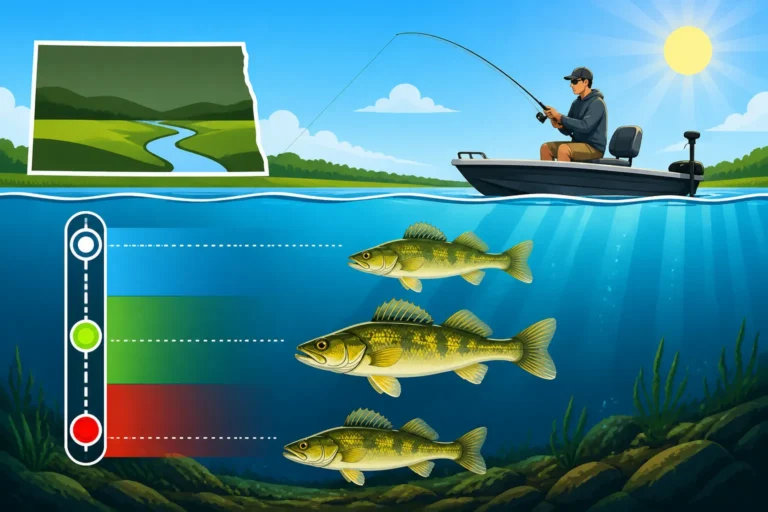
Ask any seasoned angler about Devils Lake, and they'll likely tell you about the walleye. This lake has earned a reputation as one of the premier walleye destinations in North America, and it's easy to see why. The abundance of flooded timber, rock piles, and submerged humps creates a perfect labyrinth for walleye to ambush prey. They grow big, they grow fast, and they're incredibly plentiful.
Walleye in Devils Lake are often found in tight schools, relating closely to structure. In the spring and fall, they might move shallower to feed, while in the summer, they often retreat to deeper humps and breaklines, especially where that flooded timber provides overhead cover. When the ice covers the lake, they're still there, providing thrilling action for those willing to brave the cold. Targeting these fish often involves specialized techniques, and knowing Devils Lake Walleye Fishing Spots can give you a significant advantage. If you're looking for detailed strategies, our North Dakota Walleye Fishing Guide is a fantastic resource.
Yellow Perch: North Dakota's Panfish Powerhouse
While walleye might be king, yellow perch are the undisputed rock stars of Devils Lake, especially during the hardwater season. Devils Lake has an almost mythical status for producing "jumbo perch"—fish that are significantly larger than what you might find in many other lakes. These aren't your typical small panfish; many perch caught here are over 10 inches, with some pushing 14-15 inches, providing a substantial fight and an even more substantial fillet.
The perch thrive in the diverse habitats of Devils Lake, utilizing the expansive weed beds, flooded timber, and varied bottom contours to forage on insects and baitfish. They are prolific breeders and their populations are robust. When winter sets in, dedicated ice anglers flock to the lake, knowing that schools of these golden-striped beauties are waiting. Finding them often involves moving around, drilling many holes, and using electronics to spot schools beneath the ice, but the reward is well worth the effort. For those venturing out, checking Devils Lake Perch Fishing Spots is a smart move, and our North Dakota Yellow Perch Fishing Guide can offer more insights.
Northern Pike: The Lake's Apex Predator
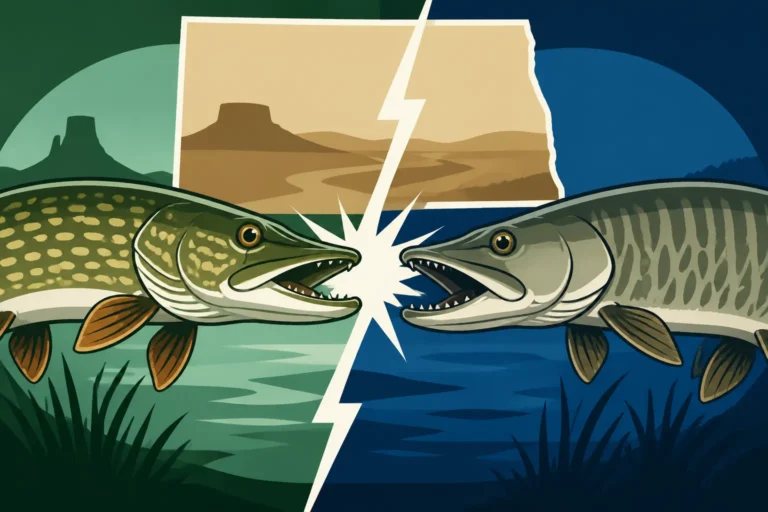
If you're looking for a toothy battle, Devils Lake delivers with its healthy population of northern pike. These aggressive predators find the extensive flooded timber and weed lines to be ideal hunting grounds. Pike are ambush predators, lurking in the submerged cover, waiting to dart out and strike unsuspecting baitfish or, hopefully, your lure. They grow to impressive sizes in Devils Lake, with many anglers reporting catches of fish over 10 pounds, and true trophy pike certainly exist.
Catching a big pike on Devils Lake can be an exhilarating experience, whether you're casting spoons and spinnerbaits into the weed edges during open water season or using tip-ups with large minnows through the ice. They provide a fantastic fight and often bite when other species are finicky. Just remember to bring a good pair of pliers or a hook remover, and maybe a heavy glove, as their sharp teeth are no joke! For more specific strategies on tackling these giants, you can explore our North Dakota Northern Pike Fishing Guide.
Other Notable Fish Species in Devils Lake
While walleye, perch, and pike often steal the spotlight, Devils Lake is home to a broader array of fish that add to its fishing diversity. These species might not always be the primary target, but they certainly contribute to the overall experience and can provide some unexpected thrills.
White Bass: The Energetic Fighters
White bass are a schooling fish known for their aggressive strikes and spirited fights, and they are quite prevalent in Devils Lake. While not as commonly targeted as walleye or perch, they can offer incredible action, especially during warmer months. When you find a school of white bass, it’s often a fast and furious experience, with multiple hookups and non-stop reeling. They are often found chasing baitfish near the surface or along breaklines and can be caught on a variety of small lures, spoons, or even just a simple jig and minnow.
Their energetic nature makes them a lot of fun, particularly for anglers looking for consistent bites. Many anglers stumble upon white bass while targeting walleye, and quickly learn to appreciate their feisty nature. They're also quite tasty, offering another good reason to keep a few for the frying pan.
Crappie and Bluegill: Panfish for Everyone
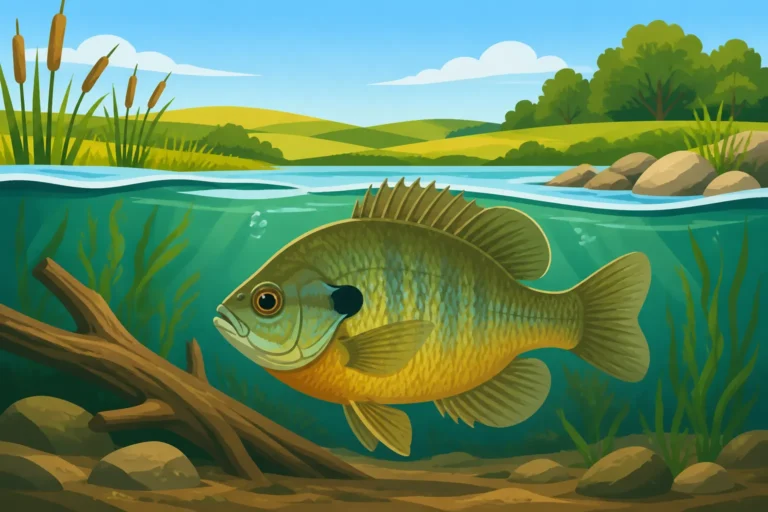
Although not as dominant as the yellow perch, both black crappie and bluegill call Devils Lake home. These panfish tend to prefer the shallower, calmer bays with plenty of submerged vegetation and timber, where they can find cover and forage. They might not reach the jumbo sizes of the lake's perch, but they provide excellent opportunities for a relaxing day of fishing, especially for families or those new to the sport.
Crappie can be found schooling around brush piles and flooded trees, particularly in the spring and fall. Bluegill are typically found closer to shore, in areas with abundant aquatic plants. Light tackle, small jigs, and live bait like worms or small minnows are usually the ticket for these species. While they may not be the focus of the trophy hunter, they offer consistent action and are delicious on the dinner table, rounding out the panfish offerings of Devils Lake.
Forage Fish and Their Role
Behind every healthy game fish population is a robust community of forage fish. These smaller species, though rarely targeted by anglers, are the unsung heroes of the Devils Lake ecosystem. Fathead minnows, spottail shiners, and other small baitfish form the crucial link in the food chain, converting plankton and aquatic insects into sustenance for the larger predatory fish. Without this abundant forage base, the impressive growth rates and sheer numbers of walleye, perch, and pike simply wouldn't be possible.
The flooded timber and extensive weed beds provide ideal nursery habitat and refuge for these baitfish, allowing them to proliferate and support the apex predators. Understanding their role helps us appreciate the intricate balance of the lake's ecosystem. When you see your fish finder light up with bait balls—often with products like the Humminbird or Lowrance units found easily on Amazon—you know the game fish aren't far behind.
Angling Success and Devils Lake Fish
Catching fish on Devils Lake isn't just about knowing what's there; it's about understanding their habits, adapting to the lake's conditions, and employing smart angling practices. Success often comes down to a combination of knowledge and preparation.
Seasonal Movements and Where to Find Fish
Devils Lake is a truly year-round fishery, but the location and behavior of its fish change dramatically with the seasons. During the open water months, from spring thaw to late fall, walleye might be found on shallow rocky points in spring, then moving to deeper submerged humps and breaklines in summer, often retreating to the flooded timber during calmer periods or feeding sprees. Pike are typically in the weedier bays and flooded areas, while perch can be scattered or schooled up depending on the season and forage availability.
Winter, however, transforms the lake into an ice fishing paradise. The frozen surface allows access to vast areas that are difficult to reach by boat. Anglers use portable and permanent shelters, augers (many great ones available on Amazon!), and specialized ice fishing electronics to locate schools of perch, walleye, and pike. Knowing the ice conditions and fish movements is crucial. Checking resources like Devils Lake Ice Fishing Access Points and the North Dakota Fishing Season Calendar can provide valuable timing information. You might even find yourself exploring Devils Lake Flooded Timber Fishing Spots through the ice.
Conservation and Sustainable Fishing
The incredible productivity of Devils Lake is a gift, and it's one we all want to protect for future generations. That means practicing responsible and sustainable fishing habits. Always be aware of the current North Dakota Fishing Regulations Explained, paying close attention to daily limits, possession limits, and any size restrictions for specific species. These rules are in place to ensure the health of the fishery.
Many anglers choose to practice selective harvesting, keeping some fish for the table while releasing the larger, trophy-sized individuals, particularly with walleye and pike, which are often the prime breeders. Proper catch-and-release techniques are vital to ensure the survival of released fish. This mindset of conservation helps maintain Devils Lake as a world-class fishery. If you're interested in alternative fishing methods, even Fishing From a Kayak on Devils Lake can contribute to lighter pressure on certain areas. For those looking for winter thrills, remember that Devils Lake is one of the Best Ice Fishing Lakes in North Dakota and requires respecting specific ice fishing regulations.
Devils Lake Fish Species at a Glance
For a quick overview of what you can expect to find, here’s a summary of the most prominent fish species in Devils Lake:
| Species | Common Size Range (inches) | Preferred Habitat | Key Characteristics |
|---|---|---|---|
| Walleye | 15-25 | Flooded timber, humps, breaklines, rocky points | Highly sought-after, excellent eating, strong fighters, often school. |
| Yellow Perch | 8-14 | Weed beds, flooded timber, varied bottom | Devils Lake known for "jumbo" sizes, schooling fish, popular for ice fishing, delicious. |
| Northern Pike | 24-40+ | Weed lines, flooded timber, shallow bays | Aggressive predators, strong fighters, provide exciting battles, large sizes possible. |
| White Bass | 10-15 | Open water, chasing baitfish, breaklines | Schooling fish, aggressive strikes, provide fast action, good eating. |
| Black Crappie | 8-12 | Brush piles, flooded trees, calm bays | Panfish, good eating, often found schooling, prefer structure. |
| Bluegill | 6-9 | Shallow areas with abundant vegetation | Popular panfish, easy to catch, good for beginners and families. |
Disclaimer
This article is for general informational purposes only and does not constitute professional advice. Laws, prices and regulations vary by location and change over time. Consult a qualified professional for guidance on your specific situation.