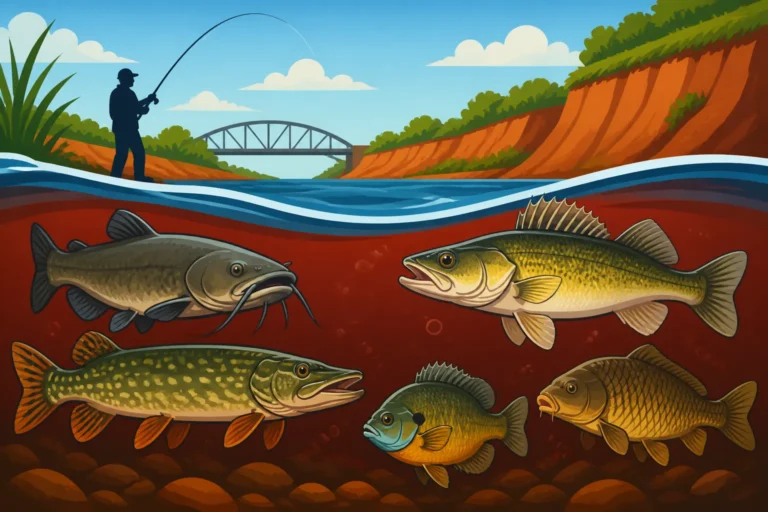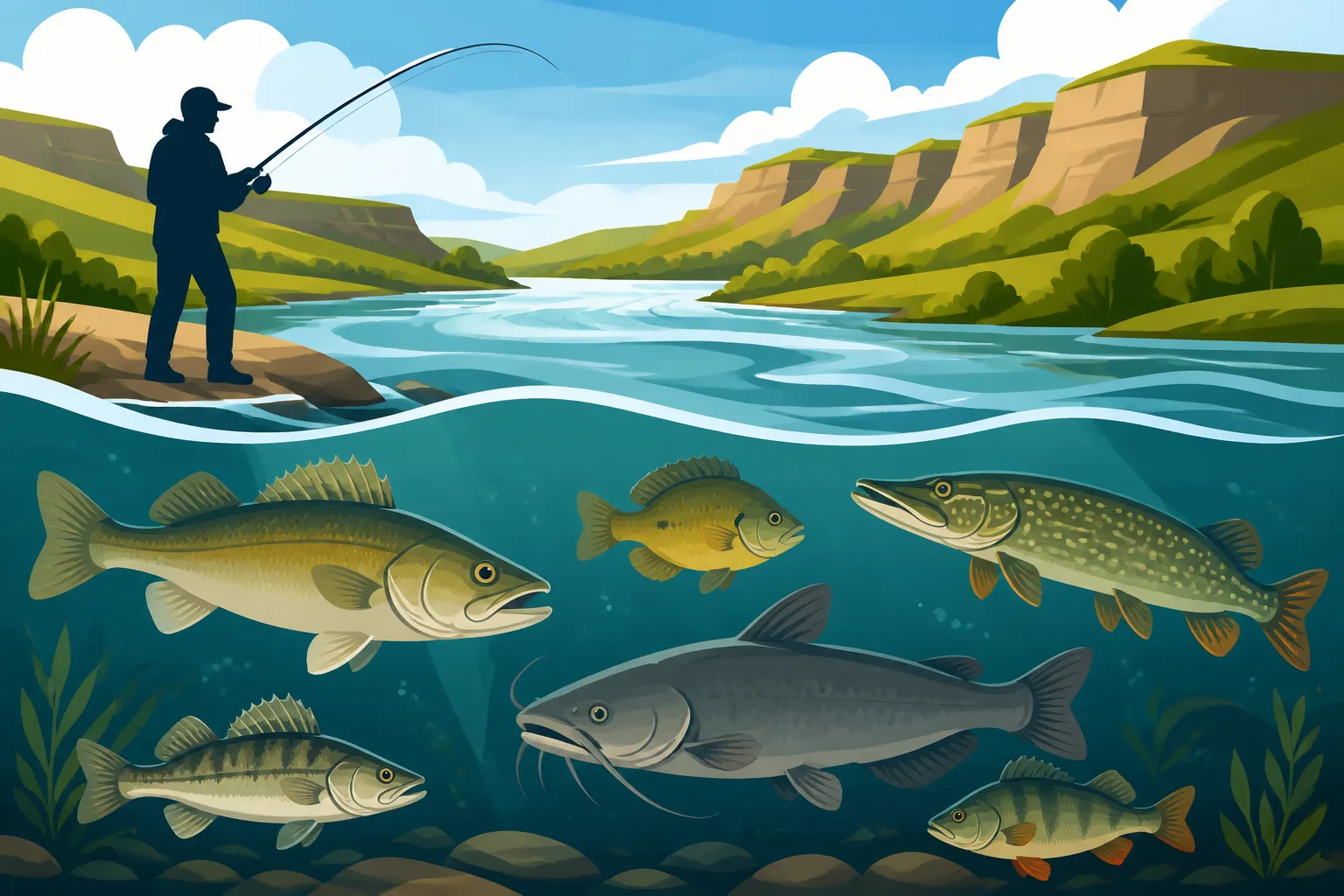
What Fish Species Live in the Missouri River?
Anglers often dream of vast, productive waters, and the Missouri River in North Dakota certainly fits that bill. But with such a massive system, it's easy to feel overwhelmed, wondering what finned beauties you might actually encounter beneath its currents. This guide is here to shed light on the incredible diversity of fish species calling the North Dakota stretch of the Missouri River home, so you can better plan your next angling adventure.
The Missouri River: A Diverse Ecosystem for Anglers
The "Mighty Mo," as many folks affectionately call it, isn't just a river; it's a lifeline carving its way through the North Dakota landscape, offering an incredible variety of habitats for fish. From the deep, cold waters below Garrison Dam to the more meandering, shallower stretches, this river system is a constantly changing environment, and understanding its character is key to understanding its fish.
The River's Unique Character in North Dakota
Unlike many of our smaller lakes and reservoirs, the Missouri River in North Dakota is a dynamic, flowing system. The current, especially in the main channel, plays a huge role in where fish hold and feed. You'll find everything from swift runs and deep holes to calmer backwater areas and submerged structures like old trees or rock piles. This variety of cover means a wider array of species can thrive. The water levels can fluctuate, too, influenced by releases from the Garrison Dam, which creates new feeding opportunities and changes where fish congregate. It's a challenging but incredibly rewarding place to fish because the fish are often more active and aggressive due to the constant need to feed in the current.
The river's structure is often complex. Think about those hidden current seams where faster water meets slower water – those are prime ambush points for predators. Sandbars, submerged ledges, and deep scour holes created by the flow all provide crucial habitat. It's not always about finding a deep hole; sometimes, it's about locating a subtle change in bottom contour or a protected eddy. For serious anglers, learning to read the river and its currents is a lifelong pursuit, but even beginners can start to identify promising areas once they understand what fish are looking for.
How Water Conditions Influence Fish Populations
The water conditions on the Missouri River are a huge factor in what fish thrive and where you'll find them. Downstream from the Garrison Dam, the water tends to be cooler and clearer, especially early in the season, which impacts species like trout (though not as prevalent as our main gamefish) and certainly affects the behavior of walleye and sauger. As you move further downstream, away from the dam's influence, the water gradually warms, and often picks up more sediment, leading to slightly murkier conditions, which can be favorable for species like catfish.
The flow rate, dictated by dam releases, directly affects current speed and water depth. A strong flow might push fish into calmer eddies or behind larger structures, while a reduced flow could spread them out across flats or allow them to move into shallower feeding areas. Even a subtle change in clarity, perhaps after a significant rain event upstream, can alter a fish's willingness to bite, making them rely more on scent or vibration than sight. Experienced river anglers pay close attention to these factors, often checking current conditions before heading out. Sometimes a simple adjustment, like choosing a brighter lure color on a cloudy day or a scent-infused bait in turbid water, can make all the difference. You can often find specialized gear for various water conditions and depths on sites like Amazon, making it easier to be prepared.
Popular Game Fish Species of the North Dakota Missouri River
When people talk about fishing the Missouri River in North Dakota, a few species immediately come to mind. These are the fish that draw anglers from all over, offering exciting fights and delicious table fare.
Walleye and Sauger: The Missouri's Prized Catches
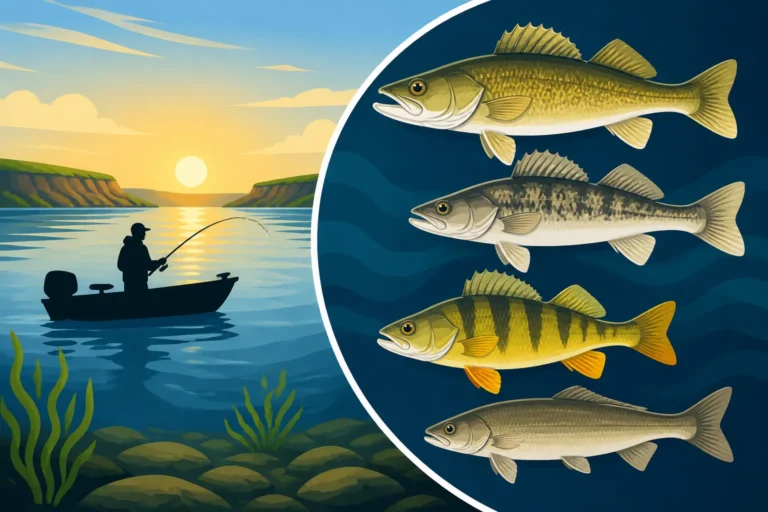
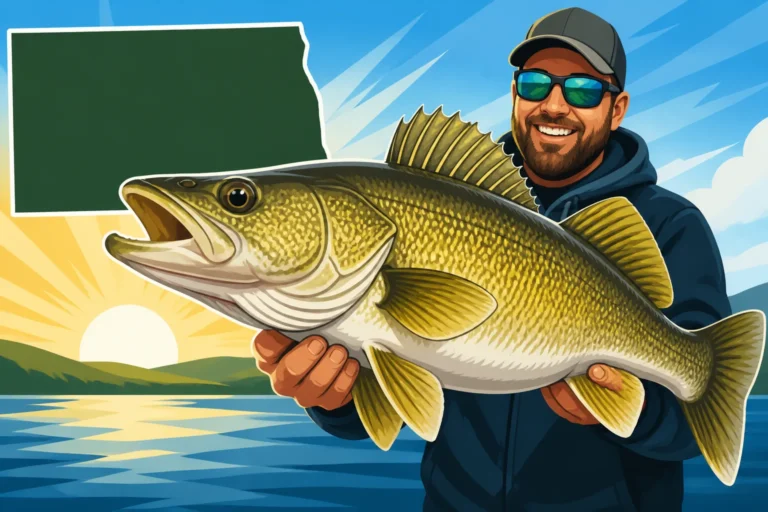
Ah, walleye and sauger! These two are, without a doubt, the undisputed kings of the Missouri River for many North Dakota anglers. They're often found together, though sauger tend to prefer slightly deeper, darker, and sometimes more turbid water than walleye. Walleye are known for their golden flanks and delicious white meat, while sauger have distinct dark blotches and a slightly rougher skin. Both are exceptional fighters and provide fantastic sport.
On the Missouri, you'll find walleye and sauger often holding tight to current breaks, behind underwater structures, or along the edges of channels and humps. They love to ambush baitfish, so anywhere the current creates a natural funnel or hiding spot is a prime location. Vertical jigging with a leadhead jig tipped with a minnow or a soft plastic is a classic and highly effective technique, especially in deeper holes or current seams. Trolling crankbaits that mimic baitfish is another excellent strategy, allowing you to cover vast stretches of water and find active fish. Many anglers swear by North Dakota Walleye Fishing Techniques for specific approaches. During low-light conditions, like dawn, dusk, or even night, these fish become more active and move into shallower feeding areas. Understanding the difference between these two species, particularly regarding size limits and daily creel limits, is crucial, so a good read on North Dakota Walleye Size Limit Rules and North Dakota Sauger Fishing Guide can really help.
Channel Catfish: River Monsters of the Depths
If you're looking for a powerful fight, the channel catfish of the Missouri River will not disappoint! While the Red River to our east is famous for its giants, the Missouri River also holds some truly impressive channel cats, especially in its warmer, slower sections. These fish are powerful, pull hard, and can grow to significant sizes, making them a favorite target for many anglers, particularly in the summer months.
Catfish are bottom dwellers and scavengers, meaning they're often found in deeper holes, around log jams, or in areas with slower current where food settles. They have an incredible sense of smell, making stink baits, cut bait (like pieces of sucker or shad), and even chicken livers extremely effective. They're often most active in the evening and at night, which can make for a peaceful yet exhilarating fishing experience under the stars. Using heavy-duty gear is a must when targeting these river monsters; a robust rod and reel spooled with strong braided line will serve you well. You can find excellent catfish-specific rods and reels on Amazon, often with glowing reviews from fellow anglers. If you're really looking to hone your skills, our guide on North Dakota Channel Catfish Fishing Guide provides a ton of in-depth information.
Northern Pike: Aggressive Predators
Northern pike are another formidable predator found in the Missouri River system, especially in the slower-moving backwaters, oxbows, and sloughs connected to the main channel. While they might not be as prevalent in the swift main current, find an area with submerged vegetation or standing timber, and you're likely to encounter these toothy torpedoes. They are incredibly aggressive and will readily strike at a variety of lures.
These fish are ambush predators, often lurking in cover, waiting to dart out and devour unsuspecting baitfish or smaller game fish. Large spoons, spinnerbaits, and even topwater lures can elicit explosive strikes. They are an absolute blast to catch, providing thrilling runs and aerial acrobatics. However, be mindful of their sharp teeth – a good pair of long-nosed pliers is essential for safe unhooking! Our North Dakota Northern Pike Fishing Guide goes into much more detail about how to best target these fierce fish, including specific lure recommendations and techniques for different seasons.
Smallmouth Bass: Feisty Fighters
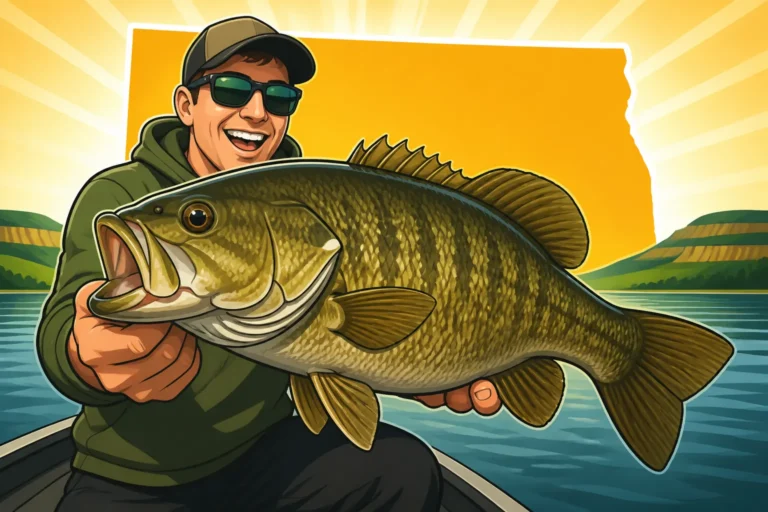
For those who love a hard-fighting fish, the smallmouth bass in the Missouri River are a true treat. These bronze beauties thrive in areas with rocky bottoms, current, and clear water. Think about those stretches below rapids or around rip-rap shorelines – that's prime smallmouth territory. They are known for their acrobatics and tenacious fights, often leaping out of the water once hooked.
Smallmouth bass are opportunistic feeders, preying on crayfish, minnows, and aquatic insects. Lures that imitate these food sources work exceptionally well: small crankbaits, jigs, tube baits, and even topwater plugs can be deadly. They tend to be most active during warmer months, and targeting them around structure in moderate current is often the most successful strategy. While not as large as their largemouth cousins, what they lack in size, they more than make up for in pure fighting spirit. If you're keen on finding these feisty fish, exploring North Dakota Smallmouth Bass Fishing Guide will give you a wealth of information to get started.
Other Notable Fish Species in the Missouri River System
Beyond the main gamefish, the Missouri River hosts a rich tapestry of other aquatic life, some of which are also popular with anglers, while others simply add to the river's ecological diversity.
Crappie, Perch, and Panfish
While not as dominant in the main river as in some of North Dakota's larger lakes, crappie, yellow perch, and various other panfish do exist in the Missouri River system, particularly in the calmer, shallower backwaters, oxbow lakes, and protected embayments that connect to the main flow. These areas often warm up faster in the spring and provide crucial spawning habitat.
Anglers targeting these species often use light tackle, small jigs tipped with minnows or plastics, or live bait under a bobber. They can provide fantastic action, especially for families or beginners, and are excellent eating. Finding the right slack-water area or protected cove is key to locating these schooling fish. For more detailed insights into specific panfish, check out our guides on North Dakota Crappie Fishing Guide and North Dakota Yellow Perch Fishing Guide. Sometimes, just a simple search on Amazon for "North Dakota panfish jigs" will show you what local anglers are often using.
White Bass, Drum, and Sturgeon
The Missouri River is also home to other interesting species. White bass are schooling fish that can offer fast-paced action, especially when they're actively chasing baitfish near the surface. They put up a respectable fight and are quite tasty. Freshwater drum, often called "sheepshead," are bottom feeders that can grow quite large and provide a surprisingly strong battle on the end of your line. While often overlooked, they are abundant and can be fun to catch.
Then there are the majestic sturgeon. Shovelnose sturgeon are present in the Missouri River, and while they can be caught, they are a protected species, and special regulations apply. There's also the critically endangered pallid sturgeon, which is extremely rare and must be immediately released if caught. Always consult the latest North Dakota Fishing Regulations Explained before targeting or handling sturgeon to ensure you're in compliance.
Rough Fish and Invasive Species
Like any major river system, the Missouri also supports a healthy population of "rough fish" such as common carp and bigmouth buffalo. These species, while not always the primary target for recreational anglers, can grow to enormous sizes and offer an incredible fight, particularly for those who enjoy bowfishing or carp fishing.
In terms of invasive species, aquatic nuisance species (ANS) are always a concern. While not fish, organisms like zebra mussels are a constant threat to North Dakota's waterways, including the Missouri River. Learning about Aquatic Nuisance Species Rules for Boaters is vital for all anglers to help prevent their spread. Checking your boat and gear after every outing is a small step that makes a huge difference in protecting our precious fisheries.
Adapting Your Approach to Missouri River Fish
Fishing the Missouri River is a different ballgame than fishing a quiet lake. The current, the size, and the sheer volume of water demand a slightly different mindset and approach.
Gear Considerations for River Fishing
When you're dealing with current, deeper water, and potentially larger, stronger fish, your gear choices become even more critical. You'll generally want a slightly heavier action rod than you might use on a calm lake, especially for walleye or catfish. Medium-heavy to heavy power rods, paired with reels spooled with braided line (which has less stretch and better sensitivity), are often preferred. The strong current means you'll need heavier sinkers and jigs to get your bait down to the strike zone and keep it there. Best Fishing Rods for North Dakota Anglers offers a good starting point for general choices.
Anchoring effectively is another key consideration. A solid anchor system is essential to hold your boat steady in the current, allowing you to present your bait properly. For shore anglers, robust rod holders that can withstand a strong pull from a big catfish or pike are a must. Don't forget the essentials: a good pair of pliers for unhooking, a sturdy net, and plenty of terminal tackle suitable for river conditions. You can often find durable and high-quality river fishing gear, from heavy sinkers to specialized catfish rigs, easily online through retailers like Amazon.
Understanding Seasonal Movements
Fish in the Missouri River, like anywhere else, are highly influenced by the seasons. Spring often brings about spawning migrations, with walleye and pike moving into shallower areas or tributaries. Post-spawn, they spread out, with walleye often relating to main channel structures and catfish becoming more active as water temperatures rise in summer.
Fall sees many species, especially walleye, aggressively feeding to bulk up for winter, often moving shallower in cooler water and then eventually concentrating in deeper holes as temperatures drop. Even in winter, the Missouri River below Garrison Dam often remains open, providing unique fishing opportunities, though ice fishing in North Dakota is typically focused on our many lakes. However, understanding the North Dakota Fishing Season Calendar and general fish patterns is crucial for consistent success. The fish are always moving and adapting, and the best anglers are those who can adapt right along with them.
Here's a quick overview of some common fish species you might encounter on the North Dakota Missouri River:
| Species | Preferred Habitat | Common Baits/Lures | Peak Season | Notes |
|---|---|---|---|---|
| Walleye | Current breaks, submerged structure, channel edges | Jigs (minnow/plastic), crankbaits, bottom bouncers | Spring, Summer, Fall | Prized for eating; active in low light. |
| Sauger | Deeper, darker water, current breaks, scour holes | Jigs (minnow/plastic), small crankbaits | Spring, Fall | Similar to walleye, often deeper. |
| Channel Catfish | Deep holes, log jams, slower current, muddy bottoms | Cut bait, stink baits, chicken livers, live bait | Summer, Fall | Strong fighters; active at night. |
| Northern Pike | Slack water, backwaters, submerged vegetation/timber | Large spoons, spinnerbaits, jerkbaits, large minnows | Spring, Fall | Aggressive ambush predators; sharp teeth. |
| Smallmouth Bass | Rocky areas, current, rip-rap, points | Crankbaits, jigs, tube baits, topwater | Summer | Feisty fighters; acrobatic. |
| White Bass | Open water, schooling around baitfish, current | Small spoons, spinnerbaits, jigs, minnows | Summer | Fast action; school in large numbers. |
| Freshwater Drum | Deeper holes, soft bottoms, slower currents | Worms, crawlers, cut bait | Summer | Strong fighters, often overlooked. |
| Yellow Perch | Backwaters, calmer embayments, submerged structure | Small jigs, minnows, worms | Spring, Fall | Good for pan frying, often in schools. |
| Black Crappie | Backwaters, submerged timber, brush piles | Small jigs, minnows, small crankbaits | Spring, Summer | Excellent eating; tend to school. |
The Missouri River truly is a dynamic and fascinating fishery, teeming with life and offering endless opportunities for anglers. From the iconic walleye and sauger to the hard-fighting catfish and pike, there's a fish for every preference. Embrace the challenge, learn the nuances of river fishing, and you'll find yourself rewarded with incredible experiences and memories that last a lifetime. Just remember to always be prepared, understand the regulations, and most importantly, enjoy your time on the water.
Disclaimer
This article is for general informational purposes only and does not constitute professional advice. Laws, prices and regulations vary by location and change over time. Consult a qualified professional for guidance on your specific situation.