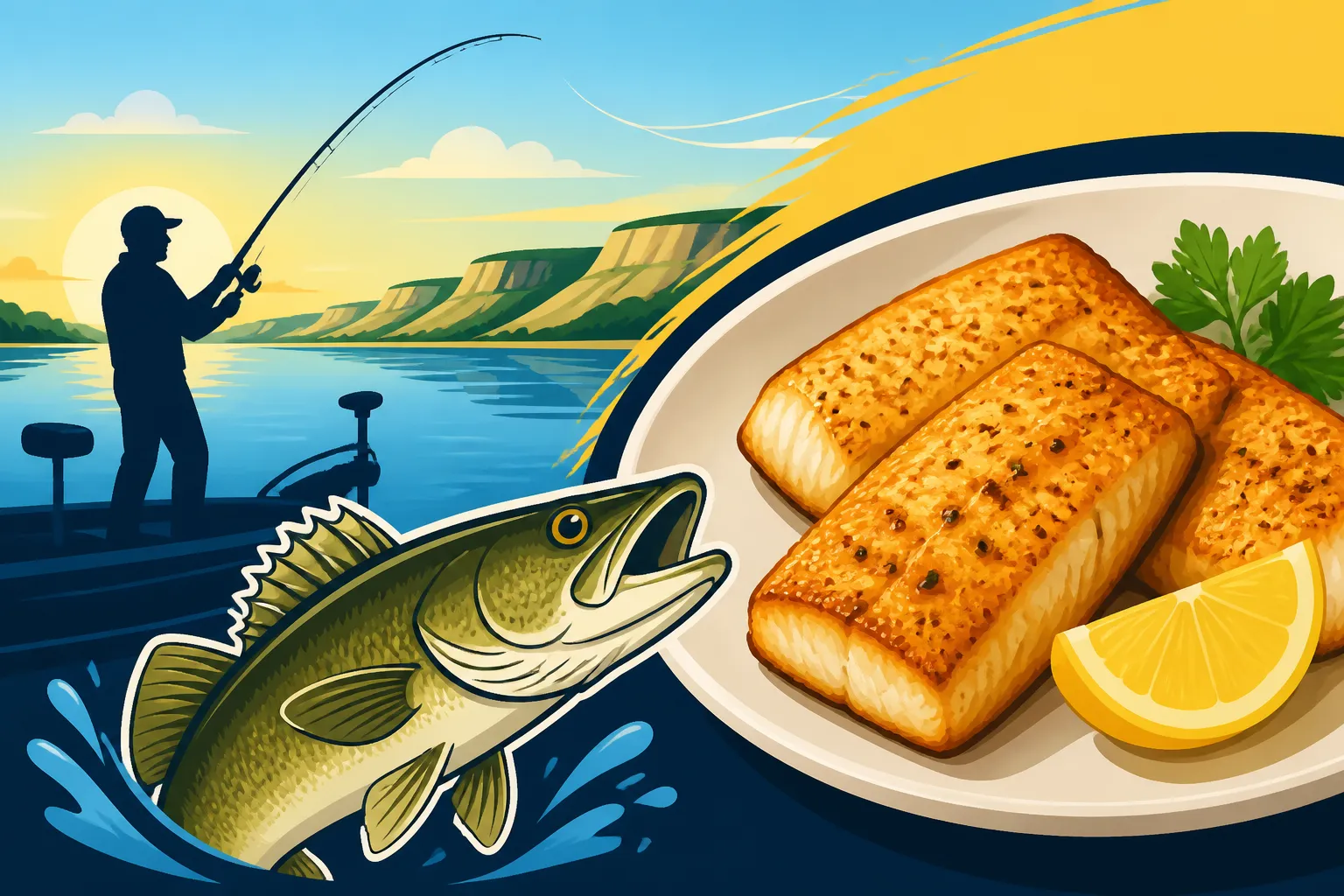
Best Tasting Fish From Lake Sakakawea
Ah, Lake Sakakawea! It's one of North Dakota's true gems, a sprawling body of water that offers some of the most incredible fishing experiences you can imagine. But let's be honest, while catching fish is a thrill, what really gets a lot of us excited is bringing home a delicious meal. If you've ever stood by the cleaning station, gazing at your day's haul and wondering which one will taste best on the plate, you're not alone. This guide is all about helping you identify the tastiest fish from Lake Sakakawea, and how to make sure they get from your line to your table in prime culinary condition.
The Culinary Crown Jewels of Lake Sakakawea
When you talk about fish from Lake Sakakawea, certain species immediately spring to mind as top contenders for the dinner plate. These are the ones anglers often brag about, not just for their fight, but for their incredible flavor. They've earned their reputation for a reason, and understanding what makes them so special can elevate your appreciation and your next meal.
Walleye: The Undisputed King of the Frying Pan
Let's be real, if there's one fish that consistently wins the "best tasting" award in North Dakota, it's the walleye. Their reputation isn't just hype; it's built on a foundation of flaky, pearly white meat that boasts an incredibly mild and sweet flavor. There's virtually no "fishy" taste, which makes them a favorite even among those who are usually a bit hesitant about eating fish. When pan-fried to a golden crisp, there's really nothing better.
The reason walleye from Lake Sakakawea taste so good often comes down to their pristine environment and diet. Lake Sakakawea is a massive, deep, and relatively cold reservoir, which provides an ideal habitat for walleye to thrive. They feed heavily on abundant forage fish, particularly rainbow smelt, which contributes to their clean, delicate flavor and firm texture. This natural diet, combined with the cold waters, helps produce fish with less fat and a superior flavor profile compared to walleye from shallower, warmer, or muddier waters.
To truly maximize that fantastic walleye flavor, proper handling from the moment it leaves the water is paramount. Many seasoned anglers will tell you to immediately bleed your walleye by cutting a gill arch, then get it on ice in a quality cooler as quickly as possible. This step, often overlooked by beginners, is crucial for improving the meat's quality and taste. The cold stops spoilage, and bleeding removes excess blood, which can contribute to a stronger, less desirable taste.
Northern Pike: A Delicious Challenge
Now, Northern Pike might raise a few eyebrows when it comes to a "best tasting" list, and I get it. Many anglers shy away from pike due to the dreaded "Y-bones" and the perception that they're overly "fishy." But I'm here to tell you that this is a myth rooted in improper cleaning and handling. With the right technique, Northern Pike from Lake Sakakawea can be absolutely delicious, offering firm, white meat with a distinct, robust flavor that's quite different from walleye but equally enjoyable.
The key to unlocking the pike's culinary potential lies in mastering the "five-fillet" method, or similar boneless filleting techniques. It sounds intimidating, but with a sharp Best Fillet Knives for Walleye and Pike and a little practice (YouTube is your friend here!), you can easily separate the meat from those pesky Y-bones, leaving you with beautiful, boneless fillets. The meat itself is firm and lean, making it excellent for grilling, baking, or even smoking. Many find its flavor more pronounced than walleye, but certainly not in a negative way, especially when handled correctly.
Just like with walleye, immediate bleeding and icing are vital for Northern Pike. Because of their predatory nature, pike tend to have more blood in their system, and getting that out quickly makes a huge difference in the final taste. If you're hesitant, challenge yourself to learn the proper filleting method, and you might just discover a new favorite table fish. You'll want a sharp fillet knife, and a good one can make all the difference – a quick search on Amazon will show you the array of quality options available, with many specialized for filleting larger fish like pike.
Chinook Salmon: A Big Lake Delicacy
While not native to North Dakota, Chinook salmon have been successfully stocked in Lake Sakakawea for decades, providing a unique big-water fishery. These impressive fish offer a completely different, yet equally superb, culinary experience compared to their freshwater counterparts. Their flesh is typically a vibrant orange-red, rich, and oily, packed with flavor and beneficial omega-3 fatty acids. If you're a fan of ocean salmon, you'll be delighted by the quality of Sakakawea's Chinooks.
The cold, deep waters of Lake Sakakawea, combined with a diet primarily of rainbow smelt, contribute to the salmon's excellent condition and taste. They grow large and strong, developing that characteristic rich flavor and texture. Unlike some of the other species, Chinook salmon are often best prepared by grilling, baking, or smoking, which really allows their natural oils and flavor to shine. Pan-frying is an option, but their richness can sometimes be a bit much for that method.
Anglers targeting Chinook salmon specifically know that presentation and quick handling are crucial. The flesh is delicate, and bruising or improper storage can quickly degrade its quality. If you're lucky enough to land one of these beauties, treat it with care. Get it on ice immediately in a well-insulated cooler. Investing in a quality cooler to keep your catch on ice immediately is paramount. Brands available on Amazon offer excellent insulation for those longer days on the water. This ensures that the rich, flavorful meat retains its premium taste until it reaches your kitchen.
Other Highly Palatable Catches from Sakakawea
While walleye, pike, and salmon might get the most attention for their table fare on Lake Sakakawea, don't overlook some of the other incredible species that call this reservoir home. They might not always make the front page of fishing magazines, but they certainly deserve a spot on your dinner plate. Each offers a unique flavor and texture profile that can be a delightful surprise.
Smallmouth Bass: Understated Flavor
Smallmouth bass are fierce fighters on the line, and while they're often prized for their sporting qualities, their culinary value is sometimes understated. Don't let their reputation as a sport fish fool you; smallmouth bass offer firm, white, flaky meat with a mild, clean flavor. Many anglers compare their taste favorably to walleye, often describing it as slightly firmer. They don't have the same "gamey" taste that some largemouth bass can occasionally exhibit, making them a fantastic option for a fresh fish meal.
When preparing smallmouth bass, simple cooking methods often yield the best results. Pan-frying, baking, or grilling lightly seasoned fillets allows their natural, clean flavor to come through without being overpowered. Because their meat is lean, be careful not to overcook them, as this can dry out the fillets. A perfectly cooked smallmouth fillet is tender, flaky, and absolutely delicious. They're often caught around rocky structures and points throughout Lake Sakakawea, making them a common bonus catch for walleye anglers.
Much like walleye, the key to excellent-tasting smallmouth bass is swift handling. Bleeding them and getting them on ice quickly after the catch will ensure that the fillets are pristine. Their diet of crayfish and small baitfish in the clear waters of Sakakawea contributes to their consistently good flavor. So, the next time you land a bronzeback, consider taking a couple home for dinner; you might be pleasantly surprised by what you've been missing.
Yellow Perch: Panfish Perfection
Ah, the humble yellow perch! While they might be small in stature, their flavor is anything but. Yellow perch are often considered the quintessential panfish, and for good reason. Their meat is sweet, flaky, and consistently delicious, making them a favorite among ice anglers and open-water enthusiasts alike. If you've ever had a plate of fresh-fried perch fillets, you know exactly what I'm talking about – they're incredibly addictive.
The perch in Lake Sakakawea, like those in Devils Lake Perch Fishing Spots, thrive in the abundant forage base and cool waters, which contributes to their excellent taste. They might require a bit more effort to clean due to their size, but the reward is well worth it. Many anglers find that the delicate flavor of perch is best highlighted by a simple pan-fry, perhaps with a light breading or just some salt and pepper. Their small, boneless fillets cook quickly and are perfect for a family meal.
For perch, getting them from the hook to a cooler full of ice is even more critical because of their smaller size and delicate nature. A large cooler full of ice is essential when targeting these prolific panfish, especially if you plan on catching a good number of them. Keep them cold and clean, and you'll be rewarded with some of the finest eating fish North Dakota has to offer. They're a favorite for a reason, and if you haven't tried them, you absolutely should!
Sauger: Walleye's Cousin with Distinct Appeal
Often mistaken for walleye, sauger are a distinct species that also inhabit Lake Sakakawea and offer excellent table fare. While they share a similar appearance and habitat with walleye, many anglers describe sauger meat as having a slightly richer or "nuttier" flavor, often with a finer, more delicate flake. This subtle difference makes them a prized catch for those who appreciate nuanced flavors in their fish.
Sauger tend to prefer deeper, murkier waters and are often found in the lower reaches of Lake Sakakawea and the Missouri River system. Their diet is similar to walleye, consuming various baitfish, which contributes to their clean and desirable taste. Like walleye, sauger fillets are boneless and easy to prepare, making them a fantastic choice for any fish recipe. Because of their delicate texture, pan-frying or baking are excellent methods that allow their unique flavor to shine.
If you're out on Sakakawea and catch a sauger, don't hesitate to keep it within North Dakota Fishing Regulations Explained and take it home. Treat it with the same care you would a walleye – bleed it and get it on ice quickly. You'll discover that this cousin of the walleye stands on its own as a truly delicious fish, offering a slightly different, yet equally appealing, culinary experience. Consider trying them baked with a touch of lemon and herbs for a real treat.
Factors Influencing Fish Taste and How to Maximize It
It's not just about what kind of fish you catch; it's also about how you treat that fish from the moment it comes out of the water. Several factors can dramatically impact the taste and texture of your catch, turning a potentially great meal into something less desirable. By paying attention to these details, you can ensure that every fish you keep from Lake Sakakawea reaches its full flavor potential.
Water Quality and Fish Diet
The environment a fish lives in plays a massive role in its taste. Lake Sakakawea, being a large, deep, and relatively clean reservoir, generally produces fish with excellent flavor profiles. The cold, oxygen-rich waters minimize stress on the fish, and a healthy ecosystem provides a consistent, high-quality food source. When fish have access to abundant, clean forage – like the prolific rainbow smelt in Sakakawea – their flesh tends to be firm, lean, and free of any "muddy" or off-flavors sometimes associated with fish from stagnant or warmer, nutrient-rich waters.
Conversely, fish from waters with poor water quality or an undesirable diet can sometimes develop unpleasant tastes or textures. This is why location matters, even within the same body of water. A fish caught from a clean, deep basin will often taste better than one caught from a shallow, silty bay during a hot spell. Luckily, for the most part, Lake Sakakawea's vastness and depth mean that the fish populations are generally healthy and their flesh is consistently good. This healthy environment is a key reason why Lake Sakakawea Fishing Guide for North Dakota Anglers is so popular, offering not just quantity but quality.
It's also worth noting that what a fish eats can impart subtle flavors. For instance, the smelt-heavy diet of walleye and salmon in Sakakawea is believed to contribute to their distinct, clean tastes. This natural connection between diet and flavor is something experienced chefs and anglers often appreciate. A healthy ecosystem truly translates to a delicious meal.
Proper Handling and Cleaning in the Field
This is arguably the most critical step in ensuring your fish tastes its best. Many novice anglers make the mistake of simply tossing their catch into a bucket or a livewell without proper care, especially on warm days. The longer a fish struggles or remains in warm water, the more lactic acid builds up in its muscles, and the faster spoilage begins. This can lead to softer, mushier meat and a stronger, "fishier" taste.
To combat this, the golden rule is "bleed and ice." As soon as you land a fish you intend to keep, quickly dispatch it, bleed it (a quick cut to the gills works wonders), and immediately submerge it in a cooler full of ice water. The cold shock stops bacterial growth and enzyme activity, preserving the firm texture and delicate flavor. Keep that cooler well-stocked with ice – it's your fish's best friend. Check out guides like Best Coolers for Keeping Fish Fresh to make sure you have the right equipment.
When it comes time to clean, do it promptly. The sooner you fillet your fish, the better. Remove the entrails, skin, and any dark red meat along the lateral line, as these can contribute to stronger flavors. Use clean tools and surfaces to avoid contamination. For those trickier Y-bones in pike, there are specific tools and instructional videos, many found through a quick Amazon search, that can guide you through the process, ensuring you get maximum, clean fillets. Also, consider a dedicated set of cutting boards for fish, easily found on Amazon, to prevent cross-contamination in your kitchen.
Cooking Methods and Seasoning
Once you have those pristine, fresh fillets, the way you cook them can either enhance or detract from their natural flavor. The beauty of great-tasting fish like those from Lake Sakakawea is that they often require very little in the way of elaborate preparation. Simple is usually best. Pan-frying, baking, grilling, or even smoking are all excellent options, depending on the species and your preference.
For walleye and perch, a light breading or simple dredge in flour with salt and pepper, then pan-fried to a golden crisp, is a classic and hard-to-beat method. The mild flavor shines through beautifully. For Northern Pike, after careful filleting, grilling or baking with some lemon and herbs can be fantastic, as the firm meat holds up well to these methods. Chinook salmon, with its rich, oily flesh, lends itself wonderfully to grilling or smoking, where the heat can render some of those healthy fats and infuse a smoky flavor.
Avoid overpowering the fish with heavy sauces or excessive seasoning, especially with milder-flavored species. Let the natural taste of the fish be the star. Experiment with different cooking techniques and seasonings to find what you enjoy most, but always start by appreciating the inherent deliciousness of a fresh catch.
Responsible Harvesting and Enjoyment
Part of enjoying the best-tasting fish from Lake Sakakawea involves being a responsible angler. This means understanding and respecting the rules, ensuring that future generations can also experience the joy of catching and eating these magnificent creatures. Good stewardship enhances the experience for everyone.
Understanding Limits and Regulations
The North Dakota Game and Fish Department sets specific limits and regulations for a reason: to manage fish populations sustainably. It's not just about obeying the law; it's about preserving the incredible resource that Lake Sakakawea represents. Before you head out, always familiarize yourself with the current North Dakota Fishing Regulations Explained for all species you plan to target, especially for size and daily limits. These rules are in place to ensure that fish populations remain healthy and robust, so that trophy fish and delicious table fare continue to be available for years to come.
Ignoring these rules, whether intentionally or out of ignorance, can have serious consequences for both the individual angler and the overall fishery. Game wardens are diligent in checking licenses and catches, so always be prepared. Check the North Dakota Fishing Season Dates and Limits for any species-specific seasons or special regulations that might be in effect. Adhering to these guidelines is a core part of being a ethical angler and contributes directly to the sustained quality of fishing in Lake Sakakawea.
Remember, the goal is not just to catch fish, but to catch fish responsibly. Taking only what you need and releasing the rest carefully ensures that the ecosystem remains balanced and healthy. This mindful approach guarantees that future outings will be just as rewarding, if not more so, than the last.
Field to Table Best Practices
The journey from the lake to your table is a series of small, crucial steps. We've talked about bleeding and icing, but what happens after you've cleaned your fish? For immediate consumption, fresh fillets are unparalleled. However, often we catch more than we can eat in a day or two, and proper storage becomes vital to preserve that delicious taste.
Vacuum sealing is a game-changer for freezing fish. It removes all the air, preventing freezer burn and keeping your fillets tasting fresh for much longer, often up to six months or even a year. Without vacuum sealing, frozen fish can develop off-flavors and a dry, tough texture surprisingly quickly. A vacuum sealer is another game-changer for preserving fish flavor long-term, and Amazon has a wide selection of models to fit any budget. When you're ready to cook, thaw the fish slowly in the refrigerator overnight, rather than at room temperature, to maintain its texture and flavor.
Beyond freezing, consider other preservation methods. Smoking fish, particularly salmon or even pike, is a popular way to extend its shelf life and impart incredible flavor. Pickling, while less common for species like walleye, can also be a unique way to enjoy your catch. The point is, don't let any of that delicious Lake Sakakawea goodness go to waste. Thoughtful preservation practices mean you can savor the taste of your successful fishing trip long after you've left the water.
Experimenting with Your Catch
While we've highlighted the "best tasting" fish, taste is ultimately subjective. What one person considers the pinnacle of flavor, another might find merely good. The real joy comes from experimenting and discovering your favorite. Don't be afraid to try different cooking methods or seasonings with each species. You might find that you prefer grilled walleye over fried, or baked smallmouth bass over a traditional pan-sear.
Perhaps you'll discover a newfound appreciation for Northern Pike once you master the boneless fillet. Or maybe you'll find that the rich flavor of Chinook salmon shines brightest when smoked low and slow. The wide variety of fish in Lake Sakakawea means there's a world of culinary exploration awaiting you. For a deeper dive into specific species, you might find guides like North Dakota Walleye Fishing Guide or North Dakota Chinook Salmon Fishing Guide helpful in understanding their characteristics.
The greatest chefs often say that the best ingredient is fresh, high-quality produce. The same goes for fish. When you start with a healthy, well-handled fish from a magnificent body of water like Lake Sakakawea, you're already halfway to a spectacular meal. Enjoy the process, savor the flavors, and happy cooking!
| Fish Species | Flavor Profile | Texture | Common Preparations |
|---|---|---|---|
| Walleye | Mild, sweet, clean, virtually non-fishy | Flaky, tender | Pan-fried, baked, grilled |
| Northern Pike | Robust, distinct, savory | Firm, lean | Baked, grilled, smoked, pan-fried (boneless fillets) |
| Chinook Salmon | Rich, oily, full-bodied, vibrant | Moist, flaky | Grilled, baked, smoked |
| Smallmouth Bass | Mild, clean, slightly sweet | Firm, white | Pan-fried, baked, grilled |
| Yellow Perch | Sweet, delicate, quintessential panfish flavor | Fine, flaky, tender | Pan-fried |
| Sauger | Mild, slightly "nuttier" than walleye, clean | Fine, flaky, tender | Pan-fried, baked |
Disclaimer
This article is for general informational purposes only and does not constitute professional advice. Laws, prices and regulations vary by location and change over time. Consult a qualified professional for guidance on your specific situation.