Can You Catch Saltwater Species in North Dakota?
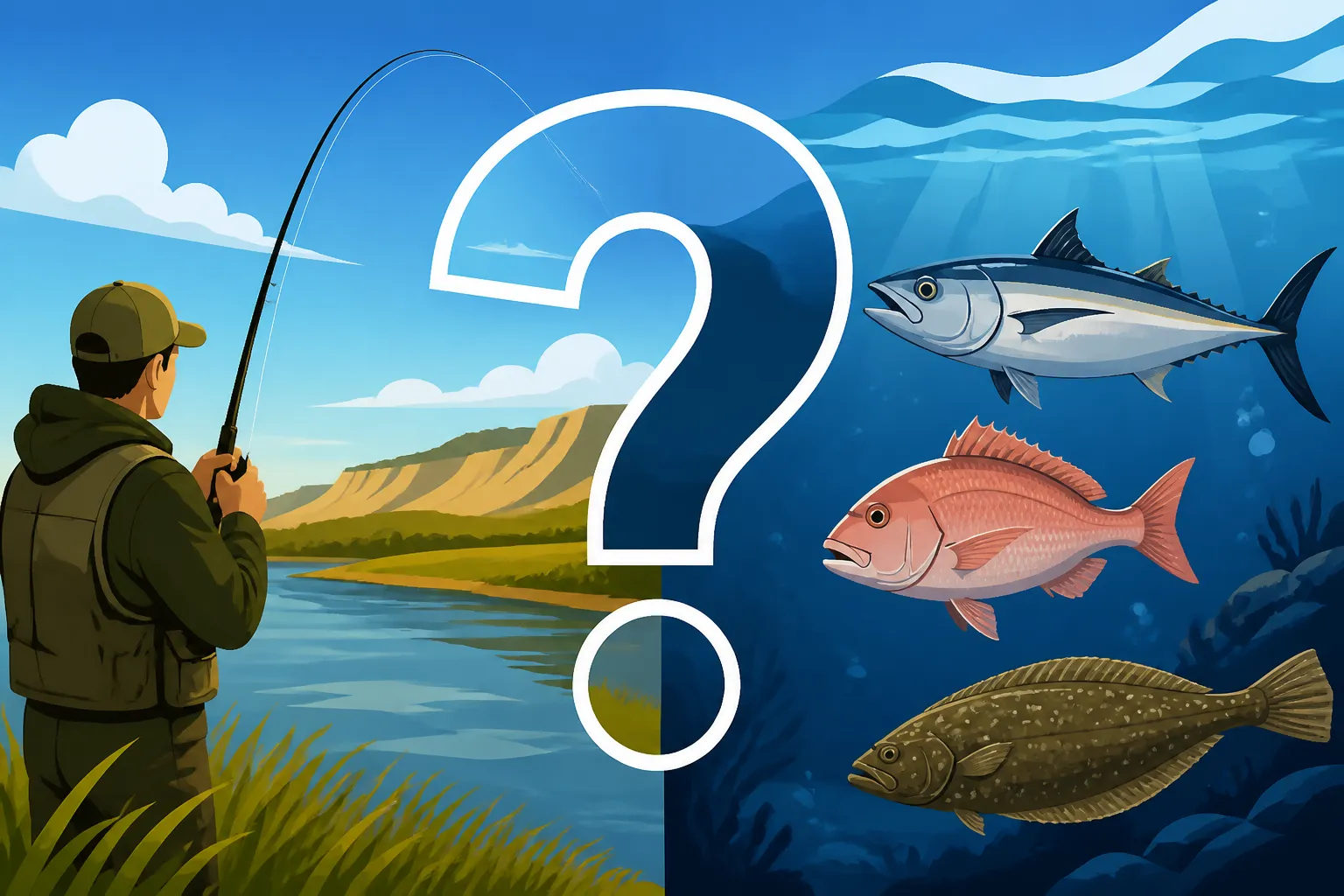
It's a common question, especially for folks new to our beautiful state or those who've only ever fished coastal waters: "Can you actually catch saltwater species in North Dakota?" While the thought of reeling in a red snapper or a striped bass right here in the heartland might be exciting, the straightforward answer is no, not in the traditional sense. This guide is here to clear up those misconceptions, explain why our state is exclusively a freshwater fishing paradise, and highlight some of the incredible native and stocked species that call our lakes and rivers home.
The Geographic Reality: North Dakota is Landlocked
Let's face it, when you think of North Dakota, ocean waves and sandy beaches probably aren't the first things that come to mind. Our state is proudly nestled right in the middle of the North American continent, a long, long way from any ocean. This fundamental geographical fact is the primary reason why true saltwater species simply cannot survive here.
No Ocean, No True Saltwater Fish
North Dakota's landscape is dominated by vast prairies, rolling hills, and, crucially for us anglers, an intricate network of freshwater lakes and rivers. Our major waterways, like the mighty Missouri River and the Red River of the North, flow towards distant oceans, but they are entirely composed of freshwater. The water in these systems, and in popular fishing destinations like Lake Sakakawea, Devils Lake, and Lake Oahe, has a very low salinity content. This is a critical factor because fish, much like other living organisms, are adapted to specific environmental conditions.
Imagine trying to breathe underwater with lungs; it just doesn't work. The same principle applies to fish and their aquatic environment. Saltwater fish have specialized biological systems designed to cope with high salt concentrations, while freshwater fish are adapted to low salt. Our vast freshwater systems, while offering incredible fishing, just don't provide the necessary environment for ocean-dwelling creatures. There's no magical underground connection to the sea, no secret saline spring that supports a population of cod or flounder. We're a freshwater state through and through, and understanding North Dakota Fishing Regulations Explained always starts with that basic premise.
How Salinity Dictates Fish Habitats
The difference between freshwater and saltwater might seem simple, but it's a huge deal for fish physiology. Fish have what's called osmoregulation, which is how their bodies control the balance of water and salts. Think of it like a delicate internal balancing act. Saltwater fish constantly lose water from their bodies to their salty surroundings, so they drink a lot of seawater and excrete concentrated salts. Freshwater fish, on the other hand, absorb water from their less salty environment and have to constantly pee out excess water while retaining salts.
Trying to put a saltwater fish into freshwater would be like throwing a desert animal into a swamp – their body just isn't built for it. Their gills, kidneys, and other organs wouldn't be able to adjust to the radical change in osmotic pressure, and they simply wouldn't survive for long. This is why you'll find completely different ecosystems and fish species in freshwater environments compared to marine ones. The distinct chemical makeup of our waters fundamentally shapes the types of aquatic life that can thrive here, which brings us to the fantastic freshwater species that do call North Dakota home.
Freshwater Species That Might Fool You
While you won't find tuna or sharks swimming in Lake Sakakawea, North Dakota is home to some truly impressive freshwater fish that, for various reasons, might lead anglers to mistakenly compare them to saltwater species. Their size, fighting prowess, or unique appearance can certainly give a "big water" feel to an inland fishing adventure.
Misconceptions About Larger, Unique Freshwater Fish
Let's talk about some of our "heavy hitters" that can sometimes prompt these comparisons. One of the biggest contenders that often gets mistaken for a saltwater fish is the Chinook Salmon found in Lake Sakakawea. Now, if you know your salmon, you know they're famous for their ocean runs. But here in North Dakota, these magnificent fish are part of a landlocked, entirely freshwater population, sustained by annual stocking efforts. They still grow large and fight like crazy, making for an exhilarating catch that certainly feels "oceanic" in its power. A big Chinook on the line in Lake Sakakawea can make you feel like you're out on the Pacific, but rest assured, it's a freshwater feat! If you're targeting these beauties, our North Dakota Chinook Salmon Fishing Guide has all the details.
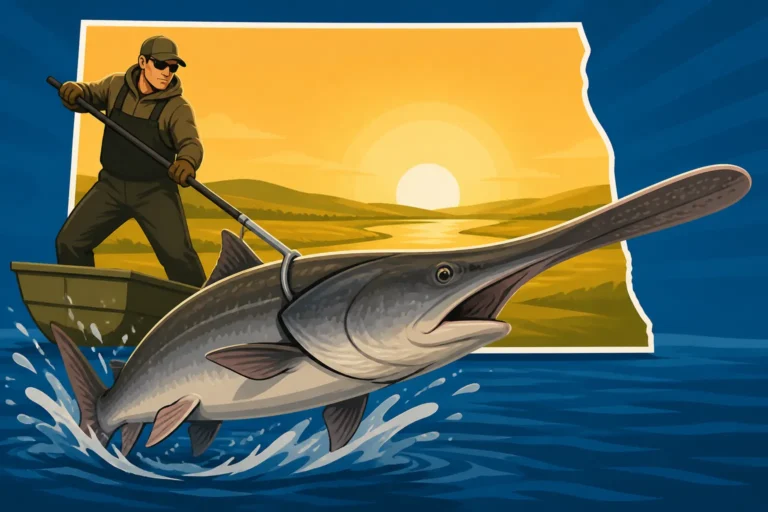
Then there's the prehistoric-looking Paddlefish. These ancient fish, with their long, paddle-like snouts, are truly unique to the Missouri River system. They can grow to incredible sizes, reaching well over 100 pounds, and their sheer mass can make them feel like something pulled from the deep sea. Anglers who participate in the limited snagging season often describe the fight as monumental, unlike anything else in freshwater. It's easy to see why someone might think such a creature belongs in a different, more exotic environment. Our North Dakota Paddlefish Snagging Guide provides insight into this incredible fishery.
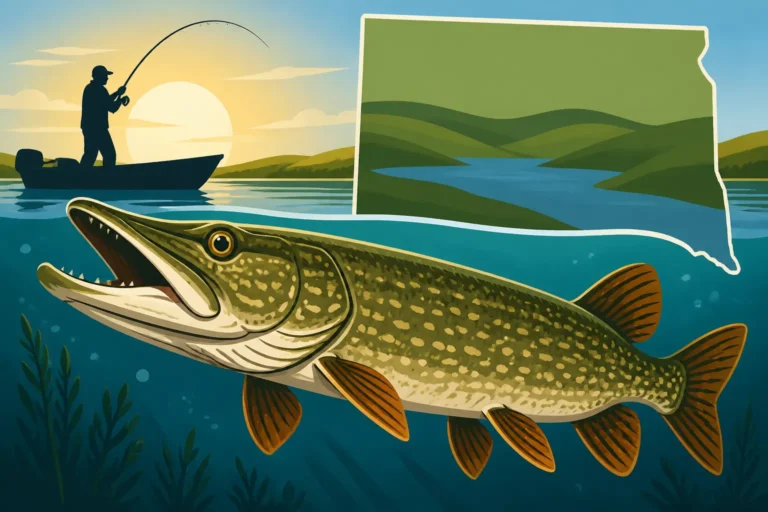
Even our common game fish, like large Northern Pike or Walleye, can create that "saltwater" illusion. A 20-pound pike, with its sharp teeth and aggressive strikes, can feel like battling a barracuda. And a trophy walleye, especially on big water like Lake Sakakawea, can offer a prolonged, intense fight. These fish certainly put up a challenge, but they are quintessentially freshwater residents. If you're unsure about a species, a good field guide, perhaps one you can grab on Amazon, can be a real lifesaver for identification. Check out our guides on North Dakota Walleye Fishing Guide and North Dakota Northern Pike Fishing Guide for more on these incredible species.
Anadromous and Catadromous Fish: Not in North Dakota
You might have heard terms like "anadromous" or "catadromous" when discussing fish, and these describe species that migrate between fresh and saltwater. Anadromous fish, like many salmon species in coastal regions, spend most of their lives in the ocean but return to freshwater rivers to spawn. Catadromous fish, like some eels, do the opposite: they live in freshwater but migrate to the ocean to reproduce.
Because North Dakota is landlocked, we simply do not have the natural conditions for these types of migrations. Our rivers eventually flow to the ocean, yes, but the distance and numerous dams make a natural migration impossible. This is why our Chinook Salmon fishery is sustained through stocking. The fish are born in hatcheries, released into the freshwater lake, live their entire lives there, and if they reproduce, it's typically through human intervention or within the confines of the freshwater system, not a journey to the ocean and back. So, while you're getting an exciting "salmon" experience, it's a testament to freshwater management, not a glimpse into the ocean's bounty. The Fish Species Found in North Dakota Lakes and Rivers article offers a broader look at our aquatic inhabitants.
The Science Behind Freshwater Fish in a Landlocked State
It's truly fascinating how fish adapt to their environments, and North Dakota's freshwater species are prime examples of this. They thrive not despite the lack of saltwater, but because their bodies are perfectly tuned to the unique conditions of our inland waters.
Adaptations for Freshwater Survival
As we touched on earlier, osmoregulation is key. Freshwater fish have a higher concentration of salt in their bodies than the water around them. This means water is constantly trying to enter their bodies through their gills and skin. To counteract this, their kidneys are incredibly efficient at producing large amounts of dilute urine, essentially pumping out excess water to maintain their internal salt balance. They also have specialized cells in their gills that actively absorb salts from the water. It's an intricate dance of physiological processes that allows them to live comfortably in the low-salinity environment of North Dakota's lakes and rivers.
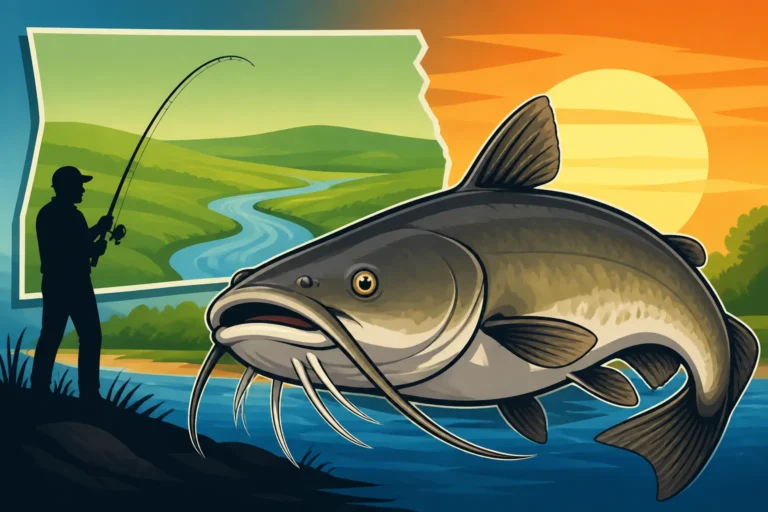
Beyond osmoregulation, freshwater fish have evolved to utilize the food sources available in their specific ecosystems. Their diets range from insects and small invertebrates to smaller fish and even vegetation. For instance, the Channel Catfish of the Red River are opportunistic feeders, perfectly adapted to scavenging and hunting in a river system that offers a rich buffet of aquatic life. Their powerful sense of smell helps them locate food in murky waters. This intricate web of adaptations means our native and naturalized freshwater species are not just surviving, but truly flourishing, creating robust fisheries for anglers. You can learn more in our North Dakota Channel Catfish Fishing Guide.
Stocking Programs for "Exotic-Looking" Species
The presence of Chinook Salmon in Lake Sakakawea is a fantastic example of how modern fisheries management can bring a taste of the "exotic" to a landlocked state. Since the early 1970s, the North Dakota Game and Fish Department has been actively stocking Chinook Salmon into Lake Sakakawea. These aren't just any salmon; they're specifically bred for a landlocked existence. They complete their entire life cycle within the enormous freshwater reservoir, providing an incredible sport fishery that would otherwise be impossible.
The success of this program relies on careful monitoring of the lake's ecosystem, ensuring there's enough forage fish (like smelt) for the salmon to eat, and consistent stocking numbers. It's a testament to the dedication of fisheries biologists to create diverse angling opportunities. This means that while you're catching a Chinook Salmon, you're experiencing a highly managed, freshwater-adapted population, not a wild salmon that has somehow found its way from the ocean. This also means you don't need a different license for these species; a standard North Dakota Fishing License Guide covers them. For a deeper dive into these efforts, explore Chinook Salmon Stocking Numbers in North Dakota.
Embracing North Dakota's Rich Freshwater Fisheries
While the lure of saltwater species might be strong for some, North Dakota offers a freshwater angling experience that is truly second to none. Our lakes and rivers are teeming with diverse and exciting game fish that provide challenges and rewards for anglers of all skill levels.
Popular Freshwater Game Fish in North Dakota
Let's celebrate what we do have! North Dakota is famous for its incredible walleye fishery, particularly on Devils Lake and Lake Sakakawea. These fish are sought after for their delicious table fare and their tricky, yet satisfying, bite. Anglers travel from all over to experience the thrill of a walleye hitting a jig or crankbait. We also have thriving populations of:
- Northern Pike: Aggressive, hard-fighting predators that can grow to impressive sizes, offering thrilling battles, especially in weedy bays.
- Yellow Perch: A favorite for ice fishing, these panfish provide consistent action and are another fantastic eating fish, particularly abundant in Devils Lake.
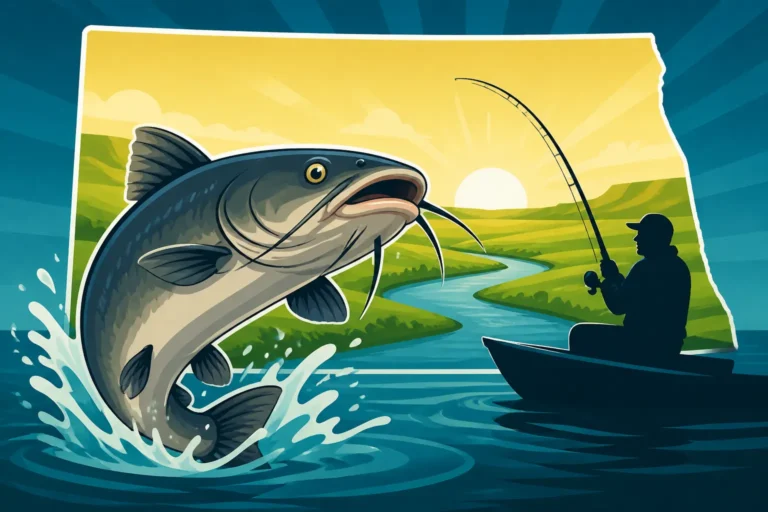
- Channel Catfish: Found in abundance in the Red River, these whiskered giants can offer epic tug-of-war battles, especially when fishing at night.
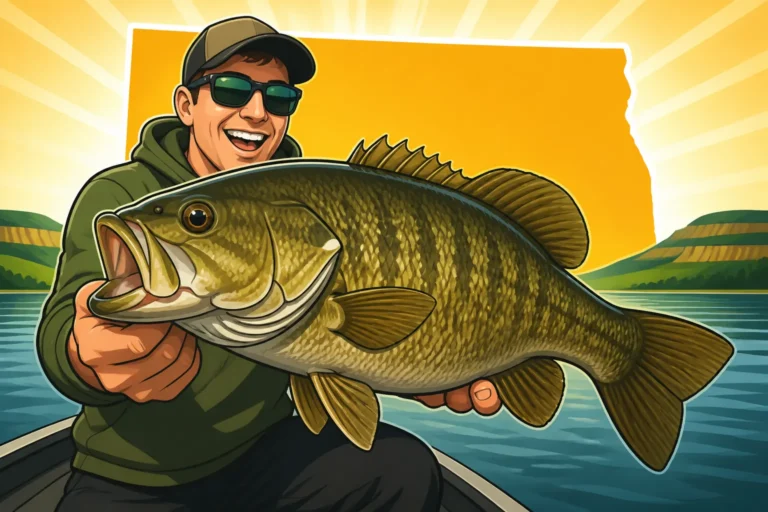
- Smallmouth Bass: Known for their acrobatic fights, these "bronzebacks" are growing in popularity, found in rocky areas of many lakes.
- Crappie and Bluegill: Wonderful panfish that offer fun for the whole family, perfect for a relaxing day on the water.
These species, and many others, create a vibrant and diverse fishing scene across the state. There's truly something for everyone, whether you're casting from shore, trolling in a boat, or braving the winter elements for ice fishing. If you're looking for where to start, our Best Places to Fish in North Dakota guide is a great resource. You might also find that many of our local bait shops or online retailers like Amazon offer specialized tackle and guides for these specific North Dakota fisheries.
Enjoying the Unique Angling Experience
The North Dakota fishing experience is about more than just the fish; it's about the wide-open spaces, the stunning sunrises over placid lakes, and the camaraderie found on the ice or along the riverbanks. It's about adapting your techniques to our unique conditions, whether you're jigging for walleye on a windy day or waiting patiently for a massive catfish bite in the dark.
Instead of wishing for saltwater species, we encourage anglers to dive deep into the incredible opportunities our freshwater systems provide. Learn about the seasonal movements of our fish, experiment with different baits and lures, and discover the joy of landing a trophy walleye or a massive pike. Every cast in North Dakota's waters is an opportunity to connect with nature and appreciate the rich biodiversity that thrives right here in the middle of the continent. There are plenty of resources, from online guides to books you might find on Amazon, that can help you understand the nuances of our local fish and the best ways to catch them. Who knows, you might even discover a new favorite species right in your backyard!
Disclaimer
This article is for general informational purposes only and does not constitute professional advice. Laws, prices and regulations vary by location and change over time. Consult a qualified professional for guidance on your specific situation.