Missouri River Fishing Through Bismarck, North Dakota
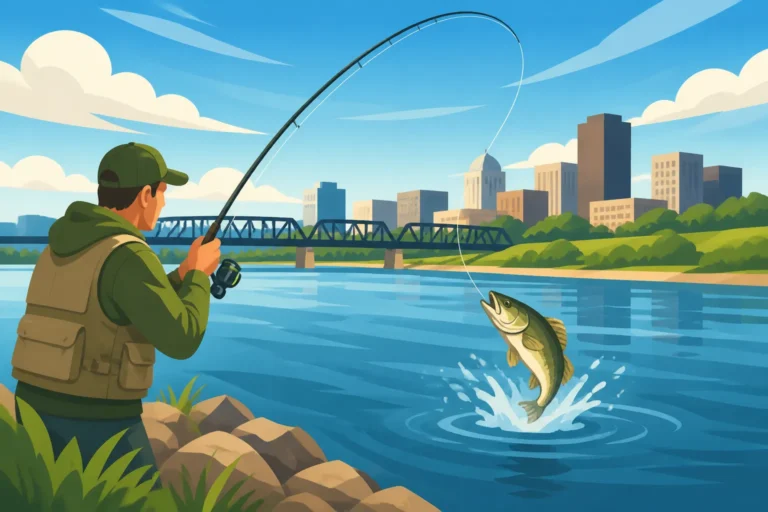
The mighty Missouri River, as it carves its path through Bismarck, North Dakota, presents both incredible opportunities and unique challenges for anglers. It's easy to feel overwhelmed by the sheer size of the river, the ever-changing current, and where exactly to drop a line to find success in the heart of the capital city. This comprehensive guide will strip away the guesswork, pinpointing the best spots, essential techniques, and crucial regulations to help you master fishing the Missouri River around Bismarck.
Understanding the Missouri River in Bismarck
Fishing the Missouri River through Bismarck isn't just about finding water; it's about understanding a complex, dynamic ecosystem. The river here is heavily influenced by the upstream Garrison Dam, which dictates water levels, flow, and temperature, directly impacting fish behavior. Unlike smaller lakes, the Missouri's current, depth, and structure vary dramatically, requiring a thoughtful approach.
Unique Characteristics of the Bismarck Stretch
The Missouri River through Bismarck is a tale of contrasts. Upstream from the city, particularly closer to the Garrison Dam, the water tends to be colder and clearer, more reminiscent of a trout stream in some sections, though it's still prime walleye and salmon territory. As it flows through Bismarck, the river widens, slows in certain areas, and collects more sediment, offering different habitats. You'll find a mix of deeper holes, current seams, sandbars, and submerged structures like old pilings or log jams that provide cover for various fish species. The urban backdrop adds another layer, with bridges, rip-rap along shorelines, and parks offering both access and unique fishing challenges. Understanding these nuances is key, as what works near the dam might not work as well right in downtown Bismarck. The constant flow means fish are often oriented to current breaks, looking for ambush points or areas to conserve energy.
Key Fish Species to Target
The Missouri River in the Bismarck area is a veritable smorgasbord for anglers, boasting a fantastic diversity of species. Walleye and sauger are arguably the superstars, drawing anglers from all over the region. These predatory fish thrive in the Missouri's fertile waters, growing to impressive sizes. You'll often find them in similar habitats, especially along current seams and underwater drop-offs.
Beyond the "eyes," the river is also famous for its robust population of channel catfish. These powerful fighters lurk in deeper holes and along outside bends, especially during the warmer months. Northern pike, while perhaps not as prevalent as in some of North Dakota's shallower lakes, are present, particularly in slower backwater areas or near weed beds if they exist. Smallmouth bass can be found around rocky structures and rip-rap, offering a hard-fighting challenge. And let's not forget about the occasionally massive paddlefish that migrate through these waters, though snagging them requires specific permits and is highly regulated. Other species like carp, drum, and various panfish also call these waters home, providing additional opportunities for a bend in your rod. If you're wondering which species are most common or what the records are, you might want to check out our complete guide on Fish Species Found in North Dakota Lakes and Rivers.
Best Fishing Spots and Access Points Around Bismarck
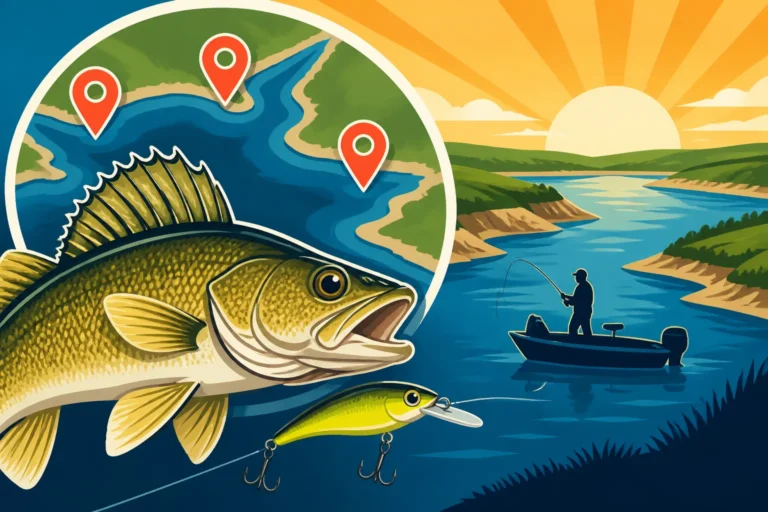
Finding the right spot on such a large river can feel like searching for a needle in a haystack. However, Bismarck is fortunate to have several well-known and productive areas, both for those with a boat and those who prefer to fish from shore.
Popular Shore and Pier Fishing Locations
If you're an angler who prefers to keep your feet on solid ground, Bismarck offers some fantastic options for shore and pier fishing. These spots are often accessible and can be very productive, especially during prime times.
-
General Sibley Park: Located just south of Bismarck, General Sibley Park is a popular spot with good shore access. The confluence of the Heart River with the Missouri here creates interesting current breaks and deeper pockets that attract fish, particularly walleye and catfish. You'll find anglers casting from the banks, often using slip-sinker rigs or casting crankbaits. It's a family-friendly area, and a great place to spend an afternoon trying your luck. The park environment makes it pleasant, even if the fish aren't biting immediately.
-
Missouri River Trail System & Under Bridges: The extensive Missouri River trail system through Bismarck provides numerous points of access. Anglers often find success fishing around bridge pilings, such as those under the Memorial Bridge or the I-94 bridge. These structures create eddies and current breaks where fish congregate. Be mindful of safety and foot traffic, but these spots are hotbeds for walleye and sauger that hug structure. Casting jigs with plastics or live bait, or even throwing small crankbaits, can be effective here. Remember that fishing from within the bridge structure itself might be prohibited, so always observe local signage.
-
McDowell Dam Recreation Area: While technically not the Missouri River itself, McDowell Dam Recreation Area, located east of Bismarck, is a popular spot for local anglers. It's a smaller, more controlled body of water that offers excellent fishing for rainbow trout, northern pike, and panfish. It's a great alternative if the Missouri is too windy or high, or if you're introducing kids to fishing. The fishing here is quite different from the river, but it's an important local resource. For more on what to expect, you can check out our article on Best Fishing Lakes Near Bismarck.
Boat Launch Access and Key Areas
For those with a boat, the Missouri River opens up a world of possibilities, allowing you to reach prime mid-river structures and cover more water.
- Grant Marsh Bridge Area: The area immediately around and below the Grant Marsh Bridge (Memorial Bridge) is a perennial favorite for boat anglers. The bridge pilings and the deeper water associated with the bridge channel create excellent ambush points for walleye and sauger. Trolling crankbaits or jigging vertically around these structures can be highly effective. The current here can be significant, so a good trolling motor and knowledge of boat control are essential.
- Fox Island Boat Ramp and Nearby Structures: Fox Island, located south of Bismarck, offers a convenient boat ramp and access to some fantastic fishing grounds. The islands and submerged sandbars in this area create complex current patterns and diverse habitats. Anglers often drift or troll along the edges of these structures, targeting walleye and sauger. Catfish are also abundant in the deeper holes around Fox Island. Knowing how to read your electronics to find drop-offs and structure is a huge advantage here. When planning your boat outing, it's always good to be familiar with North Dakota Boat Registration Requirements.
- The Power Plant Discharge: Downstream from Bismarck, the discharge area from the power plant can be a magnet for fish, especially during colder months. The warmer water attracts baitfish, which in turn draws in predators like walleye and sauger. This area can be particularly productive for jigging or casting soft plastics. Be aware that this spot can get crowded, and respectful angling etiquette is important. Some anglers even use platforms like FishingBooker to find experienced local guides who know these specific honey holes and can navigate the unique challenges of fishing near such industrial features.
| Fishing Spot | Primary Species Targeted | Best Access Type | Key Features / Tips |
|---|---|---|---|
| General Sibley Park | Walleye, Catfish, Drum | Shore | Heart River confluence, current breaks, family-friendly |
| Bridge Pilings | Walleye, Sauger, Smallmouth Bass | Shore/Boat | Current eddies, structure, deeper channels |
| Fox Island Area | Walleye, Sauger, Catfish | Boat | Islands, sandbars, varied current, deeper holes |
| Power Plant Discharge | Walleye, Sauger | Boat | Warmer water, attracts baitfish, can be crowded |
| McDowell Dam | Rainbow Trout, Pike, Panfish | Shore/Boat | Stocked lake, good alternative to river, no current |
Essential Techniques and Tackle for Bismarck Waters
Fishing the Missouri River effectively means having a versatile approach and the right gear. The conditions can change quickly, so being prepared for different scenarios is crucial.
Effective Strategies for Walleye and Sauger
Walleye and sauger are the prized catches in the Bismarck stretch, and anglers employ several proven techniques to target them.
- Jigging: This is a classic and highly effective method, especially for walleye and sauger holding tight to structure or in current breaks. Using 1/4 to 1/2 ounce jigs tipped with live bait (minnows, shiners) or soft plastics (paddle tails, curly tail grubs) is common. The key is to maintain bottom contact, often by lifting and dropping the jig subtly. In deeper water or strong current, heavier jigs might be necessary. Focus on areas with current seams, submerged rock piles, or bridge pilings where fish can ambush prey.
- Trolling Crankbaits and Bottom Bouncers: When fish are spread out or suspended, trolling becomes a powerful tool. Trolling crankbaits that dive to different depths can cover a lot of water. Matching the bait color to the water clarity and forage is often important. For example, natural baitfish patterns in clearer water, and brighter colors in stained water. Bottom bouncers with spinner rigs or live bait (like nightcrawlers) are another excellent choice for covering ground and presenting bait near the bottom, especially when working along contours or sand flats. You'll want to ensure you have the right setup, as discussed in our North Dakota Walleye Fishing Guide.
- Rigging with Live Bait: Whether using a slip-sinker rig from shore or drifting a Lindy Rig from a boat, live bait is often irresistible to walleye and sauger. Minnows, leeches, and nightcrawlers are staples. The trick is to present the bait naturally, allowing the current to carry it into fish-holding areas. A good slip-sinker rig allows the fish to take the bait without feeling the weight of the sinker, increasing your hook-up ratio. For more on what bait works best across the state, consider reading our guide on Best Bait for North Dakota Fishing.
Tackling Catfish and Other Bottom Dwellers
Channel catfish are abundant and grow large in the Missouri, offering incredible fights. They are often less finicky than walleye, making them a great target.
- Cut Bait and Prepared Baits: Catfish have an excellent sense of smell and are drawn to strong scents. Cut bait, such as pieces of oily fish like chub or suckers, or even commercial prepared baits (stink baits, chicken livers), are highly effective. Rigging these on a simple slip-sinker rig with a sturdy circle hook, and casting it into deeper holes, current eddies, or near log jams, is a proven method. Fishing at night can be particularly productive for catfish, as they often become more active after dark.
- Heavy Tackle and Strong Line: Don't underestimate the power of a Missouri River channel cat. Use medium-heavy to heavy action rods with strong reels spooled with 15-30 lb monofilament or braided line. This setup will give you the backbone to turn a large fish away from snags and bring it to the bank or boat. For a deeper dive into targeting these impressive fish, our North Dakota Channel Catfish Fishing Guide is an excellent resource.
- Targeting Structure and Deep Holes: Catfish love structure and deeper, slower-moving water. Focus on the outside bends of the river, deep scour holes created by current, and areas with submerged timber. They'll often stage near these features, waiting for an easy meal to drift by. Patience is key, as catfish bites can sometimes be subtle, but often they'll take the bait with conviction.
Adapting to Seasonal Changes
The Missouri River's character changes dramatically with the seasons, and so too should your fishing approach.
- Spring (Ice-Out to Late May): As the ice melts and water temperatures begin to rise, fish become more active. Walleye and sauger will often move shallower, staging for spawning or feeding aggressively after the long winter. This is a prime time for jigging with minnows or slow-trolling shallow-diving crankbaits. The high flows from spring runoff can make fishing challenging, pushing fish to quieter waters.
- Summer (June to August): Warmer water disperses fish more widely, but also energizes species like catfish and smallmouth bass. Walleye and sauger will often move to deeper main channel humps, drop-offs, or rely more heavily on current breaks. Early morning and late evening bites are often best for walleye in summer. This is an excellent time for trolling crankbaits, bottom bouncing, and targeting catfish at night.
- Fall (September to November): This is often considered one of the best times to fish the Missouri River. As water temperatures drop, fish begin to feed heavily in preparation for winter. Walleye and sauger become very aggressive, making trolling crankbaits or jigging spoons highly effective. Baitfish migrate, and predators follow. Fall also offers some of the most beautiful scenery for fishing. For a comprehensive overview of when to fish for various species, be sure to check out our North Dakota Fishing Season Dates and Limits.
- Winter (Ice-Over to Ice-Out): While the main channel of the Missouri River around Bismarck rarely freezes completely due to current, backwater areas and slower sections can offer ice fishing opportunities. However, extreme caution is advised due to unpredictable ice conditions. When the open water remains, deep jigging for walleye and sauger, particularly near power plant discharges or in protected deep holes, can still be productive.
Navigating Regulations and Safety
Fishing the Missouri River requires adherence to North Dakota Game and Fish Department regulations and a healthy respect for the river's power. Ignoring either can lead to dangerous situations or legal trouble.
Key Fishing Regulations to Know
Before you even cast a line, ensure you're squared away with the rules. This isn't just about avoiding a fine; it's about preserving the fishery for everyone.
- Fishing License Requirements: Absolutely everyone aged 16 and older needs a valid North Dakota fishing license. There are different options for residents and non-residents, and even specific certificates you might need. Don't risk a penalty; get your license before heading out. Our guide, North Dakota Fishing License Guide, provides all the details you need.
- Creel Limits and Size Restrictions: Specific limits apply to different species, and these can sometimes vary by water body. For the Missouri River, pay close attention to the daily creel limits for walleye, sauger, and catfish. There might also be size restrictions, especially for walleye, designed to protect the breeding stock. Always consult the most current North Dakota Fishing Guide or proclamation. You can usually find a printed version at bait shops, or online via the NDG&F website.
- Legal Methods of Take and Equipment: Understand how many lines you can legally fish with. In North Dakota, the general rule is two lines, but there are exceptions and specific rules regarding certain types of tackle. For example, snagging is only permitted for certain species like paddlefish during a specific season and with a special tag. Knowing these details can save you a headache. Find more information in our guide on How Many Lines Can You Fish With in North Dakota?.
- Aquatic Nuisance Species (ANS) Prevention: This is paramount. The Missouri River is susceptible to invasive species. Always clean, drain, and dry your boat and gear after every outing. This includes removing all plants and animals, draining all water, and ensuring your equipment is thoroughly dry before launching into another body of water. Failure to comply can result in significant fines and, more importantly, can harm North Dakota's precious fisheries. For a detailed breakdown of all regulations, refer to our comprehensive article: North Dakota Fishing Regulations Explained.
Safety Considerations on the Missouri
The Missouri River, while beautiful, is a powerful force. Safety should always be your top priority.
- Current and Boat Control: The current on the Missouri, especially after heavy rains or increased dam releases, can be swift and strong. If boating, ensure your vessel is adequately powered and you're skilled in navigating current. Always wear a life jacket, especially if conditions are choppy or you're fishing alone. Be aware that conditions like Fishing During a Cold Front in North Dakota can impact both the fish and your safety on the water.
- Weather Awareness: North Dakota weather can change in an instant. A calm morning can quickly turn into a windy, white-capped afternoon, making boating dangerous. Always check the forecast before heading out and be prepared to get off the water if storms roll in. Lightning, high winds, and rapidly dropping temperatures are all real threats.
- Bank Stability and Slip Hazards: For shore anglers, pay attention to the stability of the riverbank. Erosion can create unstable edges, and muddy or icy banks can be extremely slippery. Wear appropriate footwear with good grip. If fishing near bridges or rip-rap, be cautious of uneven surfaces and potential debris.
- Cold Water Safety: Even in summer, the Missouri River can be surprisingly cold, especially closer to the dam. Falling into cold water can quickly lead to hypothermia. Always dress in layers, and if boating, consider taking cold water safety precautions, such as having a dry bag with spare clothes and knowing self-rescue techniques.
Planning Your Fishing Trip to Bismarck
A successful fishing trip isn't just about what happens on the water; it's also about good planning. Bismarck offers excellent resources for anglers.
Local Amenities and Resources
Bismarck is a major city, meaning you'll have no trouble finding what you need to make your fishing trip comfortable and convenient.
- Bait Shops and Sporting Goods Stores: You'll find several well-stocked bait shops throughout Bismarck, like Scheels or smaller local outfits. These stores are invaluable for fresh live bait, local tackle recommendations, and up-to-the-minute fishing reports. Don't be shy about asking the folks behind the counter for advice; they're often local experts happy to share tips on what's biting and where.
- Accommodation and Dining: As the state capital, Bismarck offers a wide range of accommodation options, from budget-friendly motels to comfortable hotels. There are also plenty of dining choices to suit every taste and budget, perfect for refueling after a long day on the water.
- Local Fishing Guides: If you're new to the Missouri River or want to maximize your chances of catching a trophy, consider hiring a local fishing guide. These professionals know the river intimately, understand seasonal patterns, and can provide all the necessary gear. Platforms like FishingBooker can be an excellent resource for finding and booking reputable guides in the Bismarck area, offering options for various species and trip durations. A guided trip is often the fastest way to learn the nuances of river fishing.
Best Times to Visit
While the Missouri River offers year-round fishing opportunities, some seasons are generally more productive or pleasant than others.
- Late Spring and Early Summer (May-June): This is often a sweet spot. The weather is usually pleasant, fish are active post-spawn, and the bite can be phenomenal for walleye and sauger. It's also a great time for targeting catfish as water temperatures rise.
- Fall (September-October): Many seasoned anglers will tell you fall is the prime time for trophy walleye. Fish are aggressively feeding, and the cooler temperatures make for very comfortable fishing. The autumn colors along the riverbanks also add to the experience.
- Avoiding Peak Times: Weekends and holidays can see increased traffic on the river, especially at popular boat ramps. If you prefer a quieter experience, consider fishing during weekdays. Also, be mindful of local fishing tournaments, which can concentrate many boats in prime areas. If you're planning a trip for a specific species, understanding the Missouri River Fishing Guide will help immensely.
Fishing the Missouri River through Bismarck offers an unparalleled experience, blending urban convenience with wild, productive waters. With a little preparation and the right approach, you'll be well on your way to enjoying the fantastic angling opportunities this iconic North Dakota waterway provides.
Disclaimer
The information provided in this guide is for general informational purposes only and is subject to change. Always consult the most current North Dakota Game and Fish Department regulations and local advisories before engaging in any fishing activities. Safety should be your utmost priority on the water.