Fishing Spots Open Year-Round in North Dakota
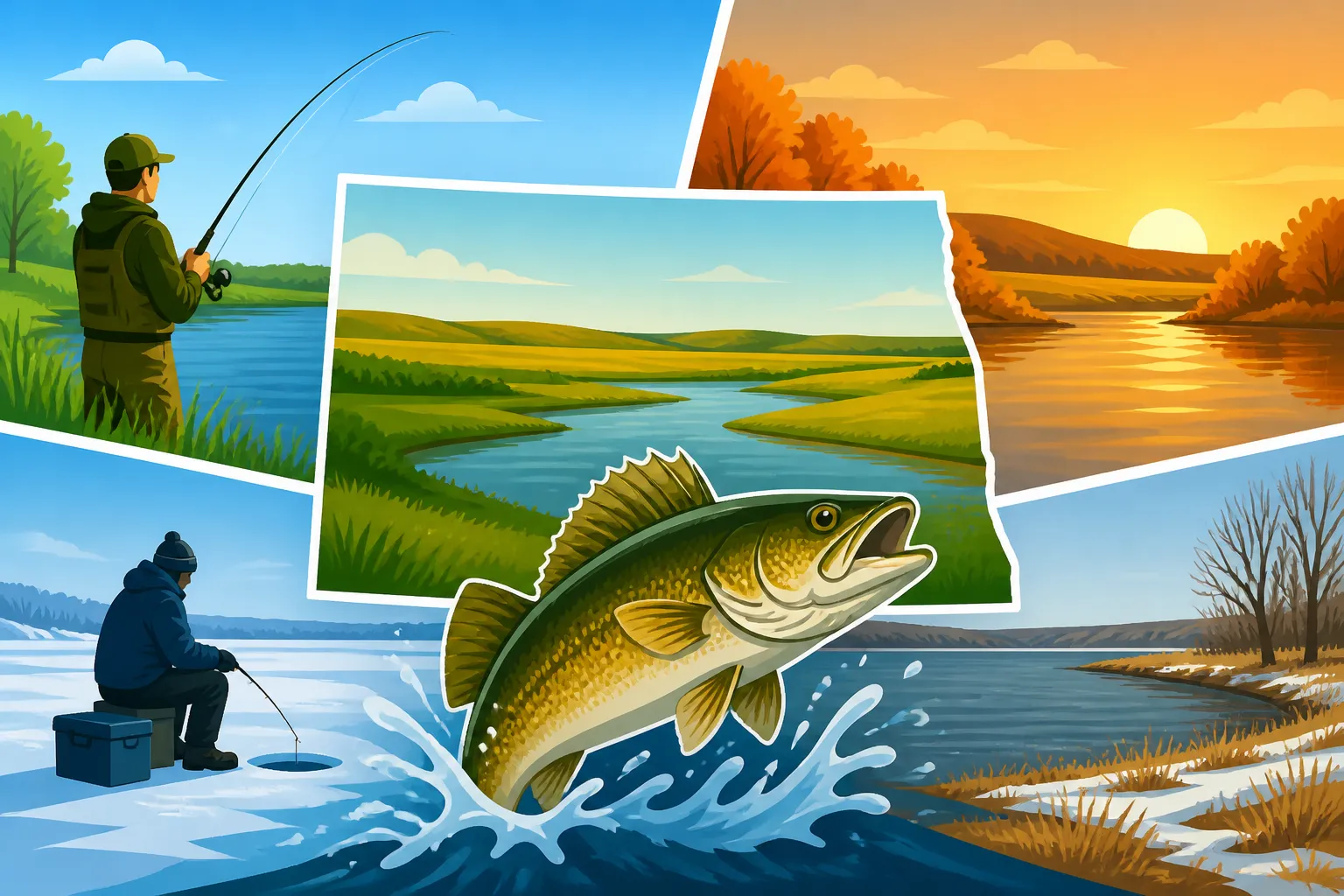
It's a common misconception, especially among those new to the prairie, that North Dakota's harsh winters shut down fishing entirely. Many anglers resign themselves to a few months of open water and then pack away their gear, assuming the season is over. But that's just not the reality! The truth is, North Dakota offers incredible, diverse fishing opportunities 365 days a year, if you know where to look and how to prepare. This guide is here to shed light on those fantastic spots that remain open and productive no matter the season, ensuring your rod is never truly put away for long.
Understanding North Dakota's Year-Round Fishing Reality
The thought of year-round fishing in a state known for its intense winters might seem a bit contradictory to some, but it’s a beautiful reality for those who embrace it. North Dakota boasts a resilient fishery, with many lakes and rivers providing abundant opportunities regardless of whether the water is liquid or solid. It's about shifting your mindset and adapting to the conditions, rather than thinking fishing stops cold when the snow flies.
The Myth of Seasonal Closures
While it's true that certain species have specific regulatory windows for harvest or specific methods, the idea that all fishing shuts down for months is simply a myth. For instance, you might find some restrictions on darkhouse spearfishing for northern pike during certain periods, or specific paddlefish snagging seasons, but these are exceptions rather than the rule for general angling. Most game fish like walleye, northern pike, yellow perch, and even channel catfish are available for pursuit throughout the calendar year, even if your approach has to change dramatically between July and January. The fish are still there, they're still eating, and they're still catchable; you just need to know how to reach them!
How Regulations Shape Year-Round Access
The North Dakota Game and Fish Department (NDGFD) does an excellent job of setting up regulations that ensure sustainable fishing while maximizing angler opportunities. When you delve into the nuances of the state's fishing rules, you'll find that many waters have continuous open seasons for most species. It's not like some states where entire lakes close down to angling for months on end. Instead, NDGFD often uses daily limits, possession limits, and sometimes length restrictions to manage fish populations, which allows for consistent pressure without depleting resources.
For example, while there might be a specific limit on how many walleye you can keep, you can still fish for them every single day of the year. This approach means that as long as you adhere to the general rules, which are detailed in our comprehensive guide on North Dakota Fishing Regulations Explained, you'll almost always find a place to cast a line. Of course, getting your How to Get a North Dakota Fishing License is the first and most crucial step, as it's required for nearly all anglers over the age of 16.
Premier Year-Round Fishing Destinations
When we talk about year-round fishing in North Dakota, certain bodies of water immediately come to mind. These aren't just good for a season; they're truly exceptional and offer consistent action from spring thaw right through the thickest ice. Their size, depth, and diverse fish populations make them resilient to seasonal changes, providing continuous opportunities for anglers.
Massive Reservoirs: Lake Sakakawea and Lake Oahe
These two giants, formed by the damming of the Missouri River, are truly the crown jewels of North Dakota's year-round fishing scene. Their sheer size means they offer incredible diversity in habitat and, consequently, in fishing opportunities.
- Lake Sakakawea: Stretching for over 178 miles, Lake Sakakawea is a behemoth that truly offers something for every angler, every month. In the open water months, it's famous for its world-class walleye, huge northern pike, and a unique chinook salmon fishery. Anglers can spend days trolling cranks, jigging structure, or slip-bobbering for walleye along its vast shorelines and numerous bays. Even when the ice sets in, usually by late December or early January, different parts of the lake become prime ice fishing grounds. While the main body of the lake might be too vast and dangerous for ice fishing, numerous sheltered bays and arms, like the Van Hook Arm or Deepwater Bay, offer fantastic opportunities for perch, walleye, and pike through the ice. It truly is a diverse fishery, making it a key focus in our Lake Sakakawea Fishing Guide for North Dakota Anglers. Many experienced guides, some of whom can be found through platforms like FishingBooker, operate on Sakakawea year-round, adapting their strategies from deepwater trolling to finding those winter perch schools.
- Lake Oahe: While a significant portion of Lake Oahe lies south in South Dakota, the northern reaches that extend into North Dakota near Bismarck are equally productive year-round. This segment of the lake is renowned for its excellent walleye, northern pike, and especially impressive channel catfish. During open water, fishing the river channels and flooded timber for these species can be incredibly rewarding. When winter arrives, the ice fishing can be stellar, particularly for walleye and pike in the bays and feeder creeks that freeze up reliably. Anglers often find fantastic action for various species, keeping them coming back to this segment of the Missouri River system. For more in-depth information, you can explore our Lake Oahe Fishing Guide.
The Dynamic Devils Lake
Often called the "Perch Capital of the World" and a walleye haven, Devils Lake is another incredible year-round destination, though in a very different way than the Missouri River reservoirs. This natural, saline lake is known for its fluctuating water levels and incredible fish growth.
- Open Water Adventures: During the warmer months, Devils Lake is a labyrinth of flooded timber, submerged roads, and countless points and bays that hold massive populations of walleye, northern pike, and jumbo yellow perch. Trolling crankbaits, casting jigs, or drifting with live bait are all popular and effective methods. The unique structure created by the rising waters makes for endless exploration and fish-holding cover.
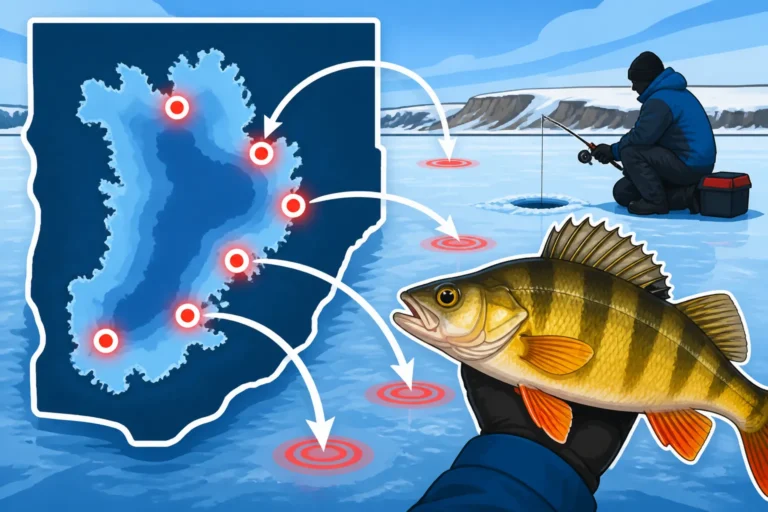
- Ice Fishing Mecca: When winter blankets North Dakota, Devils Lake transforms into an ice fishing paradise, arguably one of the most popular Best Ice Fishing Lakes in North Dakota. Anglers flock from all over to target the abundant yellow perch and walleye through the ice. The sheer number of access points, combined with an established infrastructure of ice guides and rental shelters, makes it very accessible. You'll find countless ice shacks dotting the landscape, each angler hoping to pull up a monster perch or a feisty walleye. Many charter services, easily bookable through sites like FishingBooker, specialize in ice fishing trips here, providing heated shelters and all the gear you need for a comfortable and productive day on the ice. Our Devils Lake Fishing Guide for North Dakota Anglers offers a deeper dive into its unique fishery.
Rivers That Never Truly Sleep: Missouri and Red Rivers
Unlike still water lakes, rivers often resist freezing solid, or at least maintain open water stretches, providing crucial year-round access even in the coldest months.
- The Missouri River (mainstem): Below the Garrison Dam, the Missouri River flows swiftly, often remaining open even when temperatures plummet. This section, particularly near Bismarck, is phenomenal for walleye, sauger, and northern pike. Anglers can fish from shore, or if conditions allow, boat in the open stretches during mild winter days. The power plant discharges and moving current create unique oxygenated and warmer zones that attract fish even when other waters are frozen. Our detailed Missouri River Fishing Guide covers many of these hot spots.
- The Red River of the North: Forming the eastern border of the state, the Red River is world-renowned for its trophy channel catfish. What makes it a year-round destination is its current, which keeps much of it from freezing solid, especially in the deeper channels or near urban areas. While the catfishing certainly slows down in winter, the river still holds good populations of walleye and northern pike that can be targeted through the ice in calmer stretches or from shore in open areas. Anglers dedicated to finding big cats will still brave the cold for a chance at a true monster, often using local insights or booking an experienced guide through platforms like FishingBooker. You can learn more about this incredible fishery in our Red River of the North Fishing Guide.
Smaller Waters and Specialized Year-Round Opportunities
While the big names like Sakakawea and Devils Lake often steal the spotlight, North Dakota has a wealth of smaller, yet equally important, fishing spots that remain open and productive year-round. These often provide more localized or specialized opportunities that shouldn't be overlooked.
Stocked Ponds and Community Fisheries
Across North Dakota, various smaller ponds and community fisheries are regularly stocked by the NDGFD, often with trout, panfish, or even catfish. These waters, frequently located near towns, offer convenient access for anglers, including families and those who prefer shore fishing.
- Accessible Fishing: These ponds, while usually freezing over solid, become prime ice fishing locations for panfish like bluegill and crappie, and stocked trout. They're often smaller, making them safer and easier to navigate for ice anglers compared to the sprawling main lakes. They're also usually among the first to freeze over safely, providing early ice fishing opportunities. Many of these spots are perfect for beginners or those just looking for a quick outing. The NDGFD often provides stocking reports, so you can track where the fish are being released.
- Year-Round Management: The continuous stocking ensures a fresh supply of fish, making them viable targets throughout the year. While not offering the trophy potential of the large reservoirs, they provide consistent action and are vital for local angling communities.
Power Plant Lakes and Warm Water Discharges
One of the most unique aspects of year-round fishing in North Dakota is the presence of lakes with warm water discharges from power plants. These facilities use lake water for cooling, and the discharged, slightly warmer water creates open-water oases even in the dead of winter.
- Nelson Lake: Perhaps the most famous example is Nelson Lake, located near Center, North Dakota. This lake, fed by the Milton R. Young Station power plant, literally never freezes over. As a result, it offers open-water fishing 365 days a year. It's an absolute anomaly for the region and a true gem for winter anglers who prefer not to brave the ice. Nelson Lake is renowned for its excellent largemouth bass, as well as northern pike, bluegill, and crappie, all thriving in the consistently warmer waters. Our dedicated Nelson Lake Fishing Guide will tell you everything you need to know about this extraordinary fishery. It's a prime example of where innovative anglers, often with insights shared on FishingBooker forums, can find action when all other lakes are locked up tight.
- Other Discharge Areas: While Nelson Lake is the most prominent, other smaller discharge areas or river sections affected by industrial warming can also provide similar, though often less extensive, open-water opportunities during winter. These spots typically draw a crowd, for good reason!
Diversified Species for All Seasons
The key to successful year-round fishing in North Dakota is often about diversifying your target species. While walleye are always popular, other fish truly shine in different seasons.
- Winter Warriors: Yellow perch and northern pike are quintessential ice fishing targets. Perch offer fast action and are delicious, while pike provide a thrilling fight through a hole in the ice. You'll find specific techniques and strategies for targeting these species when the ice is thick. Our guide on North Dakota Northern Pike Fishing Guide provides excellent tips for year-round pike action.
- Cold Water Walleye: Walleye fishing doesn't stop in winter; it just changes. They often school up in deeper main lake basins or along structural breaks, becoming prime targets for patient ice anglers using jigs and dead sticks. Our North Dakota Walleye Fishing Guide covers their habits across seasons.
- Catfish in the Cold: While less active, large channel catfish can still be caught on the Red and Missouri Rivers during winter, often by anglers using large cut baits in deep holes. It's a slower bite, but the rewards can be massive.
Essential Considerations for Year-Round Angling
Embracing year-round fishing in North Dakota means more than just knowing where to go; it means understanding how to go and, critically, how to stay safe and effective in changing conditions. It requires adaptability, preparation, and a healthy respect for the elements.
Adapting Gear and Techniques for Every Season
Successful year-round angling demands a flexible approach to your tackle and methods. What works in July won't necessarily cut it in January, and vice-versa.
- Open Water Essentials: During spring, summer, and fall, you'll be using traditional open-water gear: spinning and baitcasting rods, various lures like crankbaits, jigs, and spinner rigs, and live bait setups with slip bobbers or bottom bouncers. Trolling, casting, and drifting are common techniques. You'll want to review resources like our Best Fishing Rods for North Dakota Anglers to ensure you have the right tools.
- Ice Fishing Specifics: When the ice hits, your gear undergoes a dramatic transformation. Short, sensitive ice rods, specialized reels, tip-ups, and an array of small jigs, spoons, and live bait become your arsenal. An ice auger, a good fish finder (flasher or sonar), and a comfortable ice shelter are absolutely essential for enduring the cold and finding fish. Our guide on How to Ice Fish in North Dakota covers all the essentials, from drilling holes to setting up shelters.
| Season | Primary Species Targeted | Common Techniques | Essential Gear Highlights |
|---|---|---|---|
| Spring | Walleye, Pike, Perch, Crappie | Jigging, pitching, slow trolling | Light to medium spinning rods, jigs, crankbaits, live minnows |
| Summer | Walleye, Pike, Catfish, Bass | Trolling, casting, slip bobbering | Medium-heavy rods, deep diving crankbaits, cut bait, plastics |
| Fall | Walleye, Pike, Perch, Salmon | Trolling, jigging, slip bobbering | Medium rods, spoons, large swimbaits, minnows, suckers |
| Winter | Walleye, Perch, Pike, Crappie | Jigging, dead sticking, tip-ups | Ice rods, small jigs, wax worms, minnows, auger, shelter |
Safety First in Variable North Dakota Conditions
North Dakota's weather can be unpredictable and extreme, particularly in winter. Safety must always be your top priority when fishing year-round.
- Ice Safety: When fishing on ice, always check ice thickness thoroughly. "No ice is 100% safe" is the golden rule. Pay attention to local reports and err on the side of caution. Conditions can change rapidly, and thin ice or pressure ridges can be extremely dangerous. Carry ice picks and know what to do if you fall through. Our Early Ice Fishing Safety Tips offers crucial advice for staying safe. Never venture out alone, especially on new ice or in remote areas.
- Open Water Safety: Even in open water seasons, conditions can turn quickly. High winds can make large reservoirs like Sakakawea incredibly dangerous for smaller boats. Always wear a life jacket, especially in cold water, and let someone know your float plan. Be prepared for sudden thunderstorms or cold fronts.
- Weather Preparedness: Dress in layers, carry extra dry clothes, and be mindful of hypothermia risks in cold weather. Dehydration and sunburn are concerns in summer. A well-stocked first-aid kit and communication devices are always a good idea, no matter the season.
Utilizing Resources for Planning Your Trip
To make the most of North Dakota's year-round fishing, leverage the available resources.
- NDGFD Website and Proclamation: The North Dakota Game and Fish Department website is an invaluable source for current regulations, fishing reports, stocking information, and public access points. Always review the latest North Dakota Fishing License Guide and annual fishing proclamation before heading out.
- Local Bait Shops and Guides: Local bait shops are treasure troves of up-to-the-minute information on what's biting, where, and what tackle is working. They're often run by passionate anglers who are happy to share their knowledge. If you're new to a body of water or want to maximize your chances, consider hiring a local guide. Many professional guides, especially on popular waters like Lake Sakakawea, Devils Lake, and the Red River, operate year-round, adapting their services to the season. You can often find and book these experienced guides through online platforms like FishingBooker, which makes planning an outing much easier. They can provide not just the expertise but also all the necessary gear, which is a huge benefit for visitors or those just getting into a new type of fishing.
- Online Forums and Social Media: Angling communities online can offer real-time insights and connect you with fellow enthusiasts. Just remember to be discerning with information and verify anything critical with official sources.
North Dakota truly offers a fantastic, continuous fishing journey for those willing to adapt and explore. So, don't let the calendar dictate your fishing adventures. Embrace the challenge, enjoy the beauty of the changing seasons, and discover the incredible year-round opportunities that await you on the waters of North Dakota!
Disclaimer
The information provided in this guide is for general informational purposes only and is subject to change. Always consult the official North Dakota Game and Fish Department website and current fishing proclamation for the most accurate and up-to-date regulations, licensing requirements, and safety guidelines before engaging in any fishing activities. Fishing conditions can vary significantly, and personal safety should always be the top priority.