How to Ice Fish in North Dakota
The biting cold of a North Dakota winter can feel intimidating, transforming our vast lakes and reservoirs into formidable sheets of ice. Many anglers feel a mix of excitement and trepidation when considering ice fishing, wondering where to start, what gear they truly need, and how to stay safe and warm while out on the frozen expanse. This comprehensive guide is here to demystify ice fishing in North Dakota, offering practical advice, essential tips, and a veteran angler's perspective to help you embrace the season with confidence and success.
Understanding North Dakota's Ice Fishing Scene
Ice fishing isn't just a pastime in North Dakota; it's a deep-rooted tradition, a way of life that connects us to the land and its bountiful waters even when they're locked under ice. There's a unique serenity to sitting over a hole, watching your sonar, or waiting patiently for that tell-tale tap on the line, all while surrounded by the stark beauty of a North Dakota winter.
The Allure of Winter Angling in North Dakota
For many, the beauty of North Dakota's frozen landscape is a powerful draw. Imagine the crisp, clean air, the silence broken only by the hum of an auger or the occasional shriek of a reel. It's an opportunity to truly disconnect from the daily grind and immerse yourself in nature. Unlike open-water fishing where fish can roam freely in vast areas, ice fishing often concentrates fish in specific locations due to changes in oxygen levels, forage availability, and depth. This can sometimes make finding them a bit easier, turning a sprawling lake into a collection of predictable hot spots.
Furthermore, ice fishing offers a unique social experience. You'll often see small villages of ice houses pop up on popular lakes, with anglers sharing tips, stories, and even a warm meal. It's a fantastic way to bond with family and friends, teaching younger generations the patience and rewards of the sport. The anticipation of drilling that first hole, setting up your shelter, and dropping a line into the unknown depths is a feeling that seasoned ice anglers cherish all season long.
Top Fish Species to Target Through the Ice
North Dakota boasts an incredible array of fish species that remain active and catchable throughout the winter months. Knowing which species you're after can greatly influence your gear choices, techniques, and even where you decide to set up your lines. The mainstays of the North Dakota ice fishing scene are definitely walleye, yellow perch, and northern pike.
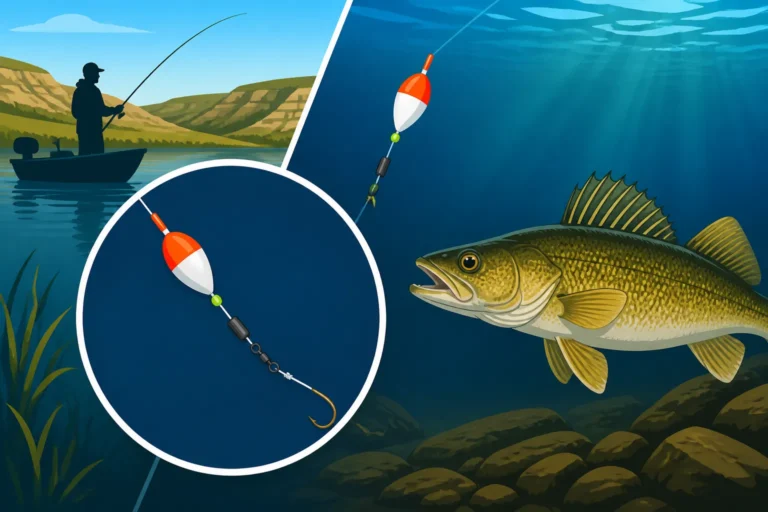
Walleye are perhaps the most sought-after game fish, known for their delectable fillets and challenging bite. They often congregate on main lake points, humps, and submerged structure, especially during low-light periods. Yellow perch, particularly the jumbo perch found in places like Devils Lake, offer fast action and are a favorite for kids and adults alike. They tend to school up, so once you find one, you've often found a whole mess of them. Northern pike, the "water wolf" of North Dakota, provide thrilling battles and can be caught on tip-ups with large dead bait. Don't forget about crappie and other panfish; while not as prevalent as perch in some of the larger systems, they can provide excellent action in many smaller lakes and reservoirs.
A Glimpse into North Dakota's Diverse Ice Fishing Waters
North Dakota's geography offers a wide variety of ice fishing environments, from the vast, deep waters of Lake Sakakawea to the sprawling, timber-filled expanse of Devils Lake, and countless smaller reservoirs and prairie potholes in between. Each body of water presents its own unique challenges and rewards. Lake Sakakawea, for instance, known for its incredible walleye and Chinook salmon fishery, demands anglers be prepared for big water and potentially harsh weather, often requiring a snowmobile or ATV to access prime spots.
Devils Lake, on the other hand, is famous for its abundant yellow perch and walleye, with flooded timber and varying depths creating prime habitat. The sheer size and complexity of Devils Lake means you could spend a lifetime exploring its ice-covered bays and points. Beyond these giants, smaller lakes like Lake Ashtabula, Jamestown Reservoir, and numerous other state park and wildlife management area lakes offer more accessible and often productive opportunities for a mixed bag of species. Checking local fishing reports and connecting with bait shops in communities near your target lake is always a smart move to understand current conditions and hot bites.
Essential Gear for North Dakota Ice Fishing
Stepping out onto the ice without the right gear is a recipe for a short, cold, and unproductive day. North Dakota winters are no joke, and being properly equipped is paramount for both safety and success. Think of your gear as your armor against the elements and your tools for outsmarting the fish.
Rods, Reels, and Line: Precision for Frozen Waters
Unlike open-water fishing, ice fishing demands specialized rods, reels, and line designed for cold temperatures and specific presentations. Ice fishing rods are typically much shorter, ranging from 24 to 36 inches, allowing for precise jigging motions within the confines of an ice shelter. They come in various actions, from ultra-light for finicky panfish to heavy for battling big northern pike or deep-water walleye. A good rule of thumb is to have a few different setups to cover your bases; a medium-light rod for perch and a medium rod for walleye are excellent starting points.
Matching your rod with the right reel is crucial. Spinning reels are most common, with smaller sizes (500-1000 series) being ideal for panfish, while slightly larger sizes (1000-2500 series) work well for walleye and pike. For line, fluorocarbon or monofilament in lighter pound tests (2-8 lb) is popular for panfish and walleye due to its low visibility and minimal stretch. For heavier species like pike, braided line (10-20 lb) with a fluorocarbon leader is a strong choice, offering incredible sensitivity and strength. Consider how different line types perform in freezing temperatures; some lines become stiff and prone to memory in extreme cold.
Ice Augers: The Key to Accessing the Fish
You can't fish through the ice if you can't get through it, and that's where a reliable ice auger comes in. The thickness of North Dakota ice can range from a few inches in early winter to several feet by late season, so you need a tool that can handle the task. There are several types of augers, each with its pros and cons. Manual augers are lightweight and affordable, perfect for occasional use or when targeting thinner ice, but they can be exhausting on thick ice.
Propane and gas-powered augers offer incredible power and speed, making quick work of even the thickest ice. Brands like Eskimo and Jiffy are popular choices on the ice, known for their reliability. The downside is they are heavier, require fuel, and produce exhaust. Electric augers, powered by rechargeable lithium-ion batteries, have become incredibly popular in recent years. They are quiet, powerful, environmentally friendly, and don't produce fumes, making them ideal for use inside ice shelters. Brands such as Ion and StrikeMaster offer excellent electric options. When choosing an auger, consider the diameter of the hole you want to drill; 6-inch holes are great for panfish, while 8-inch and 10-inch holes are better for larger fish and easier access for landing them. You can find a good selection of all these types on Amazon, making it easy to compare and pick the right one for your needs. For more specific guidance on different models, check out our guide on Best Ice Fishing Auger Brands for North Dakota.
Shelters and Warmth: Staying Comfortable in the Cold
Unless you're planning on short trips on mild days, an ice fishing shelter is an absolute game-changer for staying comfortable and extending your time on the ice. These shelters protect you from the biting wind, blowing snow, and provide a much-needed increase in ambient temperature, especially when paired with a portable heater. They come in various styles, each suiting different needs.
Portable pop-up shelters are lightweight, easy to transport, and quick to set up, offering excellent flexibility for run-and-gun fishing. They pack down small and are often insulated, like models from Clam and Eskimo. Flip-over shelters, popular with anglers who use ATVs or snowmobiles, attach to a sled and flip open, creating a rigid, often insulated, structure. They're great for mobility and offer excellent protection. Then there are permanent ice houses, ranging from basic plywood shanties to elaborate, fully insulated cabins on wheels. These are typically left on the ice for extended periods, subject to specific North Dakota Ice Fishing Rules regarding placement and removal dates. Your choice depends on your budget, how often you go, and your preferred style of fishing.
Electronics and Safety Gear: Your Eyes and Lifesavers on the Ice
Modern ice fishing has been revolutionized by electronics, giving anglers a significant advantage. A good fish finder, often called a flasher or sonar, allows you to see the depth, the bottom contour, your lure, and most importantly, the fish! This real-time feedback helps you adjust your presentation and target fish more effectively. Popular brands include Humminbird, Garmin, and Vexilar, with models specifically designed for ice fishing. An underwater camera is another fantastic tool, especially for sight-fishing in clear water, allowing you to see how fish react to your lure or identify species.
Beyond fishing electronics, safety gear is non-negotiable, especially on early or late ice. Essential safety items include ice picks (worn around your neck for quick access if you fall through), a spud bar (to test ice thickness as you walk), and a throw rope. If you're driving a vehicle on the ice, ensure you know the How Thick Ice Needs to Be for Ice Fishing guidelines and carry basic recovery gear like tow straps and a shovel. Always tell someone where you're going and when you expect to return. Being prepared can literally save your life.
Mastering Ice Fishing Techniques for Popular Species
Once you have your gear sorted, it's time to talk tactics. Ice fishing isn't just about dropping a line in a hole; it's about understanding fish behavior in cold water and adapting your presentation to entice them to bite. Different species require different approaches, and mastering these techniques will dramatically improve your success.
Walleye Wisdom: Jigs, Spoons, and Tip-Ups
Walleye are a prized catch through the ice, and while they can be challenging, they're incredibly rewarding. They often relate to structure like humps, points, and sudden depth changes, especially during low-light periods at dawn and dusk. One of the most common and effective techniques is jigging with spoons or specialized ice jigs tipped with a minnow head or a small plastic tail. Popular walleye ice jigs include Northland Buck-Shot Rattle Spoons, Rapala Jigging Raps, and VMC Tungsten Jigs. Experiment with different colors and retrieve styles; sometimes a aggressive jigging motion is key, while other times a subtle quiver is all it takes.
Another highly effective method for walleye is using tip-ups. These passive fishing devices allow you to cover more area and often entice less aggressive fish. Set your tip-up with a lively minnow (like a shiner or fathead) hooked through the back or lips, suspending it just off the bottom or at the depth where you're seeing fish on your sonar. When a fish takes the bait, a flag pops up, signaling a bite. This method is particularly effective for larger walleye that might be wary of active jigging presentations. Combining active jigging with several strategically placed tip-ups is a popular strategy on many North Dakota walleye lakes. You can learn more about specific presentations in our North Dakota Walleye Fishing Techniques guide.
Perch Perfection: Finesse for Finicky Biters
Yellow perch are a favorite among North Dakota ice anglers due to their abundance and delicious taste. They are often found in large schools, so once you locate them, you can experience fast and furious action. Perch tend to prefer softer bottoms, weed edges, and flooded timber in lakes like Devils Lake. The key to perch fishing is often finesse and small baits. Tiny tungsten jigs, teardrop jigs, or small spoons tipped with a wax worm, euro larvae, or a small piece of minnow are deadly effective.
The retrieve for perch is typically subtle. A gentle lift and drop, often with a slight pause, is usually all it takes. Watch your flasher intently; perch bites can be incredibly light, sometimes just a slight hesitation in your line or a faint mark on the screen. Adjust your depth frequently, as schools of perch can move up and down in the water column. Don't be afraid to switch up jig colors, sizes, and bait until you find what they're biting on. Often, perch will hit a specific color or action more readily on any given day. To really dial in your perch game, check out our article on How to Catch Perch Through the Ice in North Dakota.
Northern Pike Power: Big Baits for Big Fish
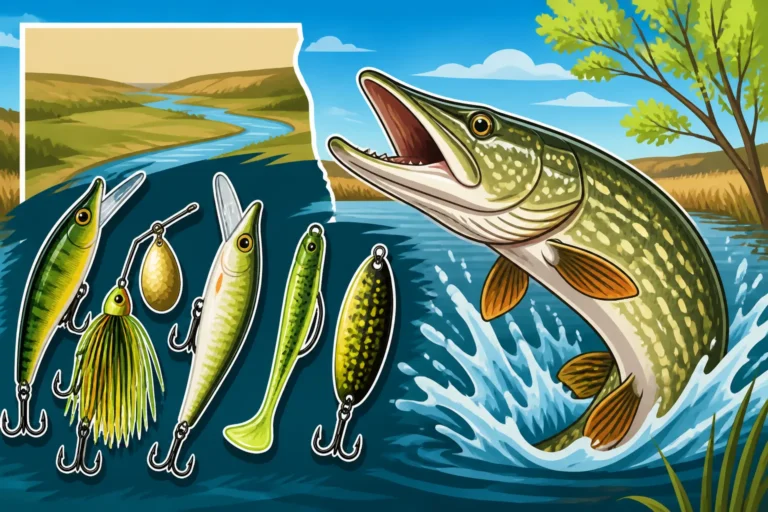
If you're looking for a thrill and a true battle through the ice, northern pike are your target. These aggressive predators can grow quite large in North Dakota waters and offer incredible fights. Pike are often found in shallower areas, near weed beds, points, or sudden drop-offs, especially in lakes with good forage bases. The most popular method for targeting pike through the ice is using tip-ups with large live or dead baitfish, such as smelt, large shiners, or suckers.
When setting up for pike, use heavier line (e.g., 20-30 lb braided line) and a steel or heavy fluorocarbon leader to prevent bite-offs. Hook your bait through the back or just behind the dorsal fin, allowing it to swim naturally. You'll often want to suspend your bait anywhere from a few feet under the ice to just above the bottom, depending on where the pike are cruising. When a flag pops, give the pike some time to run with the bait and swallow it before setting the hook. This ensures a solid hookset and increases your chances of landing that trophy fish. Many anglers also enjoy jigging for pike with large spoons or swimbaits, offering a more active approach.
Crappie and Panfish Tactics: Delicate Presentations
While perch often steal the spotlight, crappie, bluegill, and other panfish offer fantastic ice fishing opportunities in many North Dakota lakes. Crappie, in particular, are known for their schooling behavior and delicious fillets. They often suspend in deeper water near structure like brush piles, submerged trees, or channel edges. Bluegill and other sunfish tend to hug tighter to weed lines or bottom structure in shallower bays.
For crappie and panfish, finesse is key. Use ultra-light rods with sensitive tips, small tungsten jigs (1/32 to 1/16 oz) tipped with a single wax worm, mousy, or a tiny plastic tail. The bite can be incredibly subtle, so paying close attention to your rod tip is essential. A slight twitch, a momentary stop, or even your line going slack can indicate a bite. For crappie, don't be afraid to experiment with different depths, as they often suspend at various levels in the water column. Bluegill, on the other hand, are often found right on the bottom or just above structure. Always fish with a light touch and gentle movements to avoid spooking these smaller, more delicate fish.
Finding the Best Ice Fishing Spots in North Dakota
North Dakota is blessed with an abundance of diverse fisheries, offering countless opportunities for ice anglers. Knowing where to go and what to expect from each body of water can significantly increase your chances of success and make your trip more enjoyable.
Devils Lake: The Perch and Walleye Mecca
Devils Lake is arguably North Dakota's most famous ice fishing destination, renowned globally for its incredible yellow perch and walleye fishery. The lake's unique, sprawling nature, characterized by vast expanses of flooded timber, numerous bays, and varying depths, creates an incredibly rich habitat. Anglers flock to Devils Lake each winter, often setting up entire ice communities. The perch fishing can be phenomenal, with anglers frequently finding large schools of jumbo perch in the timber or over soft-bottom flats. Walleye also thrive here, often found near submerged roadbeds, rock piles, and points, especially during low-light hours.
Access to Devils Lake is plentiful, with numerous public boat ramps and resorts offering plowed ice roads, bait, and lodging. Popular access points include Creel Bay, Six Mile Bay, and the various points along the main lake. However, navigating the lake can be tricky due to the flooded timber and vastness, so a good GPS and local knowledge are invaluable. Many local guides offer their services, which can be a great way to learn the lake's nuances if you're new to the area. For detailed insights into specific locations, consider reading our article on Best Ice Fishing Lakes in North Dakota.
Lake Sakakawea: Big Water, Big Opportunities
Lake Sakakawea, North Dakota's largest reservoir, is a true "big water" fishery that demands respect but offers incredible rewards. While the sheer size can be daunting, its vastness holds incredible populations of walleye, northern pike, and even Chinook salmon that can be caught through the ice. Walleye fishing on Sakakawea often focuses on main lake points, submerged islands, and deep humps, especially where current or structure congregates baitfish. The sheer depth in many areas means anglers often need to target deeper breaks than on other lakes.
Access to Lake Sakakawea can be more challenging than Devils Lake, with fewer plowed roads and vast distances to cover. Many anglers rely on ATVs or snowmobiles to reach prime fishing spots, requiring careful attention to weather conditions and ice safety. Popular areas include the bays near Van Hook, Deepwater Bay, and the areas around Garrison Dam. Chinook salmon, a unique ice fishing opportunity in North Dakota, are often targeted in the deeper, open water sections of the lake, requiring specialized tactics and deeper presentations.
Hidden Gems and Local Favorites: Smaller Lakes and Reservoirs
Beyond the giants like Devils Lake and Sakakawea, North Dakota is dotted with hundreds of smaller lakes, reservoirs, and prairie potholes that offer fantastic, often less crowded, ice fishing opportunities. These smaller bodies of water can be excellent choices for families, beginners, or those looking for a quieter experience. Many hold healthy populations of perch, walleye, northern pike, and various panfish.
Lakes like Lake Ashtabula near Valley City, Jamestown Reservoir, and numerous wildlife management area (WMA) ponds often freeze solid earlier and offer more predictable ice conditions. They can be easier to navigate, with shorter distances to fishing spots. Nelson Lake, near Center, is unique as it's a power plant cooling reservoir, meaning it often remains open or has much thinner ice than surrounding lakes, offering a rare opportunity for open water fishing when everything else is frozen solid (but always check ice conditions meticulously!). These smaller lakes are often maintained by local communities or the North Dakota Game and Fish Department, offering good public access. Don't overlook these local treasures; a quick stop at a local bait shop can often reveal a hot bite on a lesser-known gem.
Navigating Ice Safety and Regulations
Ice fishing in North Dakota is an exhilarating experience, but it comes with critical responsibilities. Understanding and adhering to ice safety guidelines and fishing regulations is not just about avoiding fines; it's about protecting yourself, your loved ones, and the sustainability of our fisheries.
Critical Ice Thickness and Safe Travel Practices
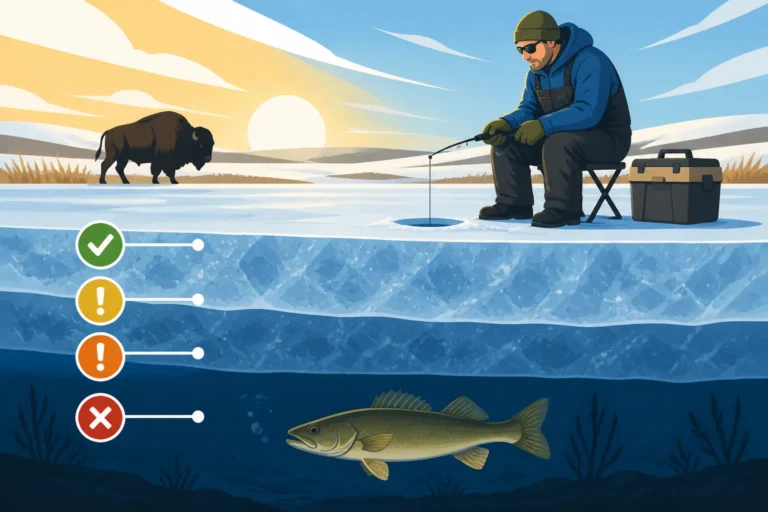
The most important rule of ice fishing is simple: no fish is worth risking your life for. Always prioritize ice safety. Ice thickness is the primary concern, and it's never uniformly thick across a body of water. Current, springs, pressure ridges, and structures like docks can all create unsafe thin spots. The North Dakota Game and Fish Department provides general guidelines for safe ice thickness, which are crucial to follow:
| Activity | Minimum Safe Ice Thickness |
|---|---|
| Foot Travel | 4 inches |
| Snowmobile/ATV | 5-7 inches |
| Small Car/Light Truck | 8-12 inches |
| Medium Truck | 12-15 inches |
Always use a spud bar or an ice auger to check thickness as you venture out, especially on early ice or unfamiliar waters. Drill holes every 15-20 feet, especially near shore, points, and areas with current. When traveling by vehicle, spread out rather than following directly in the tracks of others, and always drive slowly. Never assume someone else's tracks mean the ice is safe for your vehicle, as ice conditions can change rapidly. Remember, ice is never 100% safe, and conditions can change quickly with fluctuating temperatures and snow cover. Always check local ice reports before heading out, as conditions can vary wildly even within the same lake.
Understanding Ice Fishing Shelter Rules and Registration
North Dakota has specific regulations regarding ice fishing shelters, particularly for those that are left on the ice overnight or for extended periods. These rules are in place to ensure public safety, prevent littering, and allow for appropriate ice conditions monitoring. Generally, all ice fishing shelters left unoccupied on the ice overnight must have the owner's name, address, and telephone number prominently displayed on the exterior in legible letters at least one inch high. This applies to both portable and permanent shelters.
Furthermore, there are strict deadlines for when all ice shelters must be removed from the ice. These dates vary depending on the area of the state (south of I-94 vs. north of I-94) and can change annually, but typically fall in early to mid-March. Failing to remove your shelter by the specified date can result in fines and the impoundment of your shelter. Always consult the current North Dakota Ice Fishing Rules proclamation from the North Dakota Game and Fish Department for the most up-to-date information. It’s not just about compliance; removing shelters ensures they don't become hazards to boaters during spring thaw or contribute to pollution.
North Dakota Fishing License and Certificate Requirements
To legally ice fish in North Dakota, nearly all anglers over the age of 16 must possess a valid North Dakota fishing license. There are various license options available, including resident, nonresident, annual, and short-term licenses, such as the North Dakota Nonresident 3-Day Fishing License Price or the North Dakota Nonresident 10-Day Fishing License Price. In addition to the fishing license, most anglers also need to purchase the "Fishing, Hunting, Furbearer Certificate." This certificate is a base requirement for all individuals age 16 and older who participate in fishing, hunting, or furbearer harvesting in North Dakota.
There are specific exemptions for certain age groups or circumstances, such as youth under 16, disabled veterans, or those fishing on specific tribal lands (though tribal permits may still be required). You can purchase your license and certificate online through the North Dakota Game and Fish Department website, at authorized retail vendors like Walmart or sporting goods stores, or even via a mobile app. It's crucial to always have proof of your license on your person while fishing, whether it's a physical copy or stored digitally on your phone. For complete details on eligibility and where to purchase, refer to our comprehensive North Dakota Fishing License Guide and How to Get a North Dakota Fishing License articles.
Seasonal Considerations and Best Practices
North Dakota's ice fishing season isn't a monolithic block; it evolves from the excitement of early ice to the nuanced challenges of mid-winter and the final hurrah of late ice. Each phase presents distinct conditions, fish behaviors, and angling strategies.
Early Ice Strategies: First Light, First Bites
The first few weeks of safe, fishable ice are often some of the most productive and exciting of the entire season. Fish, having been untouched by anglers for weeks, are typically aggressive and relatively easy to locate as they often remain in their fall feeding patterns, moving into shallower waters. This is when you can find active walleye, perch, and pike in depths of 8-20 feet, often relating to the edges of remaining green weeds or shallow structure.
The key to early ice success is often focusing on shallower areas that have good forage. Fish are still actively feeding, trying to pack on calories for the long winter ahead. Use aggressive jigging presentations or lively minnows on tip-ups. However, early ice also demands the utmost caution regarding safety. Ice thickness can be highly variable, and it's essential to spud your way out, drill frequent test holes, and ideally, go with a partner. While the fishing can be hot, never let the excitement override your judgment regarding ice safety. Check out our tips on Early Ice Fishing Safety Tips for a secure start to your season.
Mid-Winter Challenges and Adaptations
As winter progresses into January and February, ice becomes significantly thicker, and conditions can become harsher. Fish activity generally slows down, and they often move to deeper waters, becoming less aggressive. This is often referred to as the "mid-winter lull," and it can be the most challenging time for ice anglers. The heavy snow cover can reduce light penetration, pushing fish deeper, and extreme cold snaps can make them lethargic.
To succeed during mid-winter, anglers need to adapt. This often means embracing a more subtle, finesse-oriented approach. Downsize your baits, slow down your jigging movements, and focus on depths where fish are likely to conserve energy, such as main lake basins, deep humps, or channel edges. Electronics become even more crucial during this period to locate these deeper, less active fish. Don't be afraid to experiment with different depths, even within the same hole. Patience is a virtue, and sometimes the best strategy is to stay put on a good spot and wait for the fish to move in. Portable shelters with heaters become essential to withstand the often brutal mid-winter temperatures.
Late Ice Opportunities and Precautions
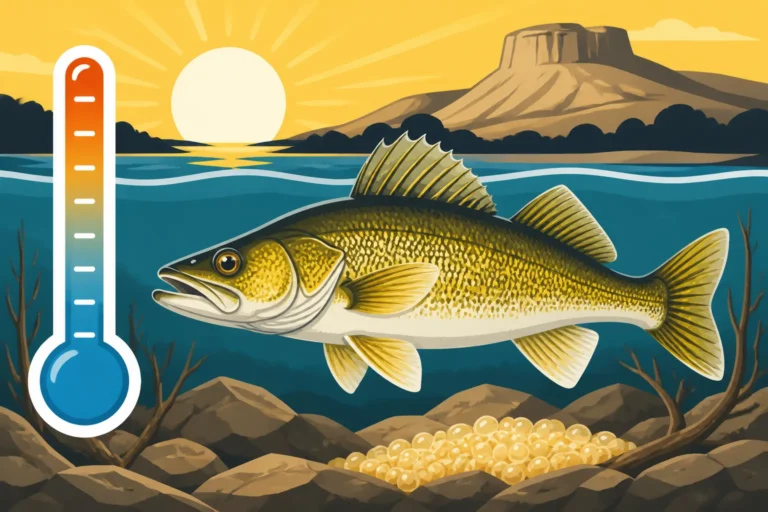
Late ice, typically from late February through mid-March, can offer a resurgence of incredible fishing opportunities, often rivaling or even surpassing early ice in terms of action. As the days lengthen and the sun's intensity increases, snow melts, and more light penetrates the ice, stimulating fish activity. Fish, anticipating the spawn, often move back into shallower areas and become much more aggressive, making them easier to catch. Walleye and northern pike, in particular, can offer spectacular action during this period.
However, late ice is also the most dangerous time of the season. The ice, while potentially still thick in places, becomes honeycombed, brittle, and unpredictable. Large cracks, slush pockets, and rapidly deteriorating access points are common. Vehicle traffic is generally discouraged, and even foot travel requires extreme caution. Always check ice conditions meticulously, avoid areas with dark spots or running water, and be prepared for potential overflow or slush under the snow. Always be aware of the mandatory ice shelter removal dates. While the fishing can be fantastic, safety should be your absolute top priority during the late ice period. It’s also crucial to monitor When Must Ice Shelters Be Removed From North Dakota Lakes?.
Comfort and Survival on the Ice
North Dakota winters are famously harsh, with temperatures frequently plummeting below zero and wind chills making it feel even colder. Being comfortable and safe on the ice is about more than just warm clothes; it's about strategic layering, reliable heating, and proper nourishment to ensure a productive and enjoyable outing.
Layering Like a Pro: Dressing for North Dakota Winters
The key to staying warm on the ice is proper layering. Forget bulky, single-layer outfits; instead, think in terms of three distinct layers that work together to insulate, wick moisture, and protect. The base layer, worn directly against your skin, should be made of moisture-wicking material like merino wool or synthetic fabrics (avoid cotton, which holds moisture and chills you). This layer moves sweat away from your body, keeping you dry.
The mid-layer provides insulation. Fleece, down, or synthetic puff jackets and pants are excellent choices. You might wear one or two mid-layers depending on the temperature. Finally, the outer shell is your protective barrier against wind, snow, and slush. Look for waterproof and windproof materials like Gore-Tex. Many ice anglers opt for specialized ice fishing suits, like those from Striker or IceArmor, which are designed with flotation assistance, durable materials, and numerous pockets. Don't forget extremities: an insulated hat, neck gaiter, waterproof gloves or mitts, and warm, waterproof boots (like those from Baffin or Kamik, readily available on Amazon) are essential. Layering allows you to adjust your insulation as activity levels or temperatures change throughout the day.
Portable Heating Solutions for Your Shelter
Even with the best layering, a portable heater inside your ice shelter can transform a frigid experience into a cozy one. For smaller, portable shelters, catalytic heaters like those from Mr. Heater are incredibly popular. They use propane, provide radiant heat, and most importantly, are designed with oxygen depletion sensors for safety. Always ensure proper ventilation when using any propane heater in an enclosed space to prevent carbon monoxide buildup. Keep a carbon monoxide detector in your shelter for added peace of mind.
For larger shelters or those with more robust ventilation, forced-air propane heaters can provide a powerful blast of warmth. Some anglers also use wood stoves in permanent ice houses, but these require careful installation and monitoring. Whichever heating method you choose, always carry extra fuel, keep a fire extinguisher handy, and never leave a heater unattended. The warmth a good heater provides can literally extend your fishing day by hours, making those bone-chilling North Dakota days much more bearable.
Staying Hydrated and Fueled for Long Days
It's easy to forget about hydration and nutrition when you're bundled up and focused on fishing, but they are crucial for maintaining energy and warding off hypothermia. Even in cold weather, your body loses fluids, so bring plenty of water or non-alcoholic beverages. A thermos of hot coffee, tea, or cocoa is not only a warm treat but also helps keep you hydrated.
For food, opt for high-energy snacks that are easy to eat with gloves on and won't freeze solid. Trail mix, energy bars, sandwiches, jerky, and fruit are excellent choices. Many anglers bring along a portable grill or stove to cook up hot dogs, chili, or even a fresh-caught fish fry right on the ice, turning mealtime into a social event. Proper nutrition helps maintain your core body temperature and keeps your mind sharp, ensuring you can focus on the fish and respond effectively to any situation that arises. Don't underestimate the power of a warm meal and a hot drink on a cold day!
Troubleshooting Common Ice Fishing Challenges
Even seasoned ice anglers encounter challenges, from a frustratingly slow bite to gear malfunctions in sub-zero temperatures. Knowing how to troubleshoot these common issues can save your day and prevent minor annoyances from escalating into major problems.
Dealing with a Slow Bite: When Fish Won't Cooperate
There will be days when the fish seem to have lockjaw, and no matter what you try, you can't get them to bite. A slow bite is arguably the most common and frustrating challenge in ice fishing. The first step is to not panic and avoid rapidly hopping from hole to hole without a plan. Start by systematically changing your presentation. If you're using a spoon, try a small jig. If you're jigging aggressively, slow it down to a barely perceptible quiver. Change colors, bait types, and even line sizes.
If changing presentation doesn't work, consider moving to different depths or even entirely different structures within the same general area. Fish might have moved shallower, deeper, or to a different type of cover. Use your electronics to scan for fish in the water column or along the bottom. If all else fails in your current spot, then it's time to become a "hole hopper." Drill a series of holes, fish each one for 10-15 minutes, and if there's no action, move on. Sometimes, simply finding a new school of fish is the solution. Remember, fish are often congregated, so finding that one active school can turn your entire day around.
Gear Malfunctions and Cold Weather Headaches
Cold weather can be brutal on fishing gear, leading to common malfunctions that can sideline your day. Line can freeze to your reel, augers can refuse to start, and electronics batteries can die prematurely. To prevent line freeze-up, use a good quality low-temp line conditioner or a specialized anti-freeze spray on your reel. Some anglers also use small heating pads or hand warmers strategically placed near their reels in extreme cold.
For gas or propane augers, always use fresh fuel and ensure proper maintenance before heading out. Electric auger batteries perform best when kept warm; store them in your ice shelter or a warm cooler until ready for use. It's always wise to carry a spare, fully charged battery. Electronics, too, suffer in the cold. Keep flashers and fish finders in insulated cases when not in use, and carry extra batteries or a portable power bank. Always pack a basic tool kit with screwdrivers, pliers, and multi-tool for minor repairs. Being prepared for these common cold-weather headaches will ensure you spend more time fishing and less time frustrated.
Handling Emergency Situations on the Ice
Despite all precautions, emergencies can happen on the ice. The most critical is falling through. This is why carrying ice picks is so important; they can help you pull yourself out of the water. If you fall through, stay calm, face the direction you came from (as that ice was strong enough to hold you), and use the picks to gain purchase and pull yourself out. Kick your feet to help propel yourself. Once out, roll away from the hole to distribute your weight, then seek immediate warmth.
Other emergencies include getting lost in a whiteout, hypothermia, or medical issues. Always carry a fully charged cell phone (in a waterproof bag) and a portable charger. Use a GPS app on your phone or a dedicated GPS unit to mark your starting point, especially on large lakes like Lake Sakakawea or Devils Lake. In a whiteout, stay put if you can't see, or follow your GPS tracks back to shore. Know the symptoms of hypothermia (shivering, confusion, clumsiness) and how to respond: get the person warm, dry, and provide hot drinks. Always inform someone of your fishing plans, including where you're going and when you expect to return, a practice often called a "float plan" in boating, but equally vital for ice safety.
Disclaimer
Please be aware that fishing regulations, license requirements, and ice conditions can change rapidly. Always consult the official North Dakota Game and Fish Department website or their latest fishing proclamation for the most current and accurate information before heading out on the ice. Ice conditions are never 100% safe; exercise extreme caution and prioritize safety above all else. This guide provides general information and recommendations, but it is the individual angler's responsibility to ensure compliance with all rules and to fish safely.