Best Live Bait for North Dakota Walleye
Getting walleye to bite can sometimes feel like trying to solve a cryptic puzzle, especially in the vast and often challenging waters of North Dakota. You've cast every artificial lure in your tackle box, tried every retrieve, and still, those elusive marble eyes just aren't cooperating. This guide is all about cutting through that frustration by focusing on the timeless, often unbeatable secret weapon for North Dakota walleye: live bait. We'll dive deep into why it works, what to use, how to rig it, and keep it frisky, so you can turn those tough days into memorable catches.
Why Live Bait Remains a Walleye Powerhouse in North Dakota
When you're out on the water, whether it's the expansive Lake Sakakawea or the storied Devils Lake, there are days when artificial lures just don't cut it. Walleye, known for their finicky nature, can be incredibly picky. That's where live bait truly shines, offering an undeniable advantage that artificial options often can't replicate.
The Irresistible Natural Attraction
Think about it from a walleye's perspective: a perfectly presented artificial bait might look enticing, but it lacks the full sensory appeal of something truly alive. Live bait, whether it's a struggling minnow, a squirming nightcrawler, or a wriggling leech, offers a complete package of attraction. It gives off natural scents that predators instinctively recognize as food. It moves erratically, mimicking an injured or vulnerable prey animal, which triggers a predatory strike response.
The subtle vibrations and irregular movements of live bait create a natural presentation that is incredibly difficult for even the most sophisticated artificial lures to mimic consistently. When walleye are holding tight to structure, suspended in open water, or simply in a neutral mood, that natural essence can be the difference between a frustrating skunk and a successful day. Furthermore, the taste and texture are exactly what a walleye expects, meaning they're more likely to hold onto the bait longer, giving you a better chance to set the hook. This natural allure is a cornerstone of effective walleye fishing, especially when you're targeting those bigger, more cautious fish that have seen every trick in the book.
Overcoming Finicky Feeding Patterns
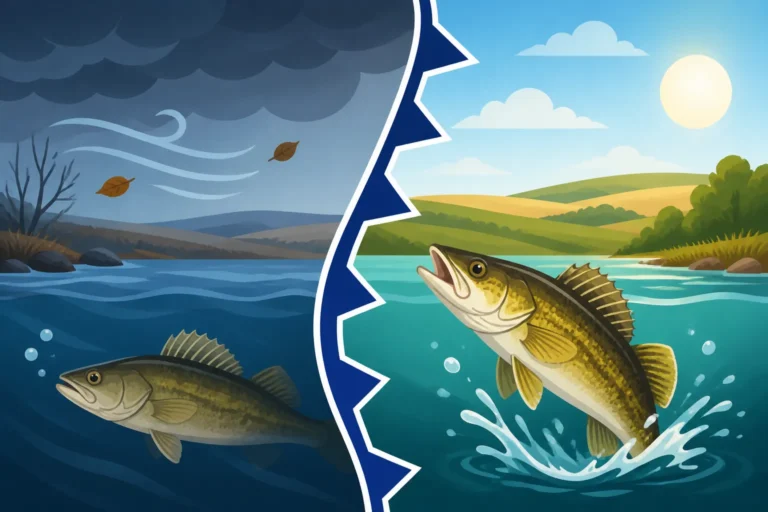
North Dakota's weather and water conditions can be notoriously variable, and these factors have a huge impact on walleye behavior. Cold fronts, significant water level changes, or post-spawn lethargy can make walleye incredibly difficult to entice. In these "tough bite" scenarios, a live minnow or leech often becomes the only thing they'll touch.
When the walleye are shut down, their metabolism might be slow, or they might simply be feeling pressured. An artificial lure, no matter how realistic, demands a more aggressive commitment from the fish. Live bait, on the other hand, can be fished much slower, allowing a walleye to observe it, approach it, and eventually take it with minimal effort. The continuous, subtle movement of live bait, even when barely reeled, keeps it looking alive and vulnerable. This passive presentation often coaxes strikes from fish that would otherwise ignore a faster, more aggressive retrieve. Understanding the nuances of walleye behavior, as detailed in our comprehensive guide on North Dakota Walleye Fishing Guide, will show you just how crucial adapting your approach, often with live bait, can be. It's about giving the walleye exactly what they want, when they want it, which more often than not, is something that looks and acts like a natural meal.
The King of Live Bait: Minnows
When you talk about live bait for walleye, minnows are usually the first thing that comes to mind, and for good reason. They are, without a doubt, the reigning champions for catching these prized fish across North Dakota's diverse waterways, from the massive reservoirs to smaller prairie lakes.
Different Minnow Varieties and Their Ideal Uses
Not all minnows are created equal, and knowing which type to use can significantly impact your success. The three most common and effective minnow varieties for North Dakota walleye are fatheads, shiners, and chubs.
- Fathead Minnows: These are your bread-and-butter bait, readily available at most bait shops. They're hardy, active, and work well in various conditions. Their smaller size makes them ideal for early season walleye when the water is cold and fish prefer a smaller, less energetic meal. They're also excellent for jigging or under a slip bobber in shallower water or over structure.
- Golden Shiners: Larger and flashier than fatheads, golden shiners are fantastic for attracting bigger walleye. Their bright, reflective scales make them highly visible, especially in stained water. Shiners are often used when trolling with a Lindy Rig or a plain hook, letting their natural swimming action do the work. They're especially effective on lakes like Lake Sakakawea, where bigger walleye are common, and their larger profile can draw attention from a distance.
- Suckers and Redtail Chubs: These are generally the largest minnows used for walleye, sometimes ranging from 4 to 8 inches. They are excellent choices for targeting trophy walleye, especially during the fall when fish are actively bulking up for winter. Chubs and suckers are often fished on heavier rigs, allowed to swim freely near the bottom or suspended off a structure. Their robust size and strong swimming action can trigger aggressive strikes from the biggest walleye in the system.
Choosing the right size is critical too. In early spring, when the water is frigid, smaller minnows (2-3 inches) are often preferred as walleye are lethargic. As the water warms through summer, larger minnows (3-5 inches) become more effective, appealing to the walleye's increased metabolism and predatory drive. Always consider the local forage base as well; if walleye are primarily eating smelt or perch fry, match your minnow size and profile accordingly.
Effective Rigging Techniques for Minnows
Properly rigging your minnow ensures it stays alive, swims naturally, and offers the best presentation. There are several go-to methods that every walleye angler should master.
- Jigging with a Minnow: This is arguably the most popular and effective method. Thread the minnow through the mouth and out the top of its head, or simply hook it lightly through the lips. This keeps it lively and allows the jig to provide the primary action while the minnow adds scent and subtle movement. When the fish are relating to structure on a lake like Lake Oahe, jigging a minnow on a brightly colored jig head can be incredibly effective. For more specific tactics, check out our guide on Jigging for Walleye on Lake Sakakawea.
- Slip Bobber Rig: A slip bobber allows you to present a minnow at a precise depth without fighting a fixed bobber. Hook the minnow through both lips or lightly behind the dorsal fin (this keeps it horizontal and active). This setup is deadly when walleye are suspended or holding in specific depth zones, especially around flooded timber or submerged weed lines. The minnow's natural struggles under the bobber often trigger strikes.
- Lindy Rigs (Live Bait Rigs): The Lindy Rig is a classic for a reason. It presents a minnow naturally on a long leader, allowing it to swim freely with minimal resistance from the sinker. Hook the minnow through the lips or just under the dorsal fin. Drift or slowly troll this rig along contours, breaks, or humps. The slow, natural movement is hard for walleye to resist. This rig truly excels when fish are scattered or when you need to cover a lot of water slowly.
- Plain Hook and Split Shot: For a minimalist approach, especially in clear, shallow water or when fish are extremely spooky, a plain Aberdeen hook with a small split shot a foot or two above it is all you need. Hook the minnow through the lips and let it swim freely. This is often used for subtle presentations from shore or in calm, shallow bays.
Seasonal Strategies for Minnow Success
The best time to use minnows, and how to fish them, often depends on the season and water temperature, which are critical factors for walleye activity, as outlined in the North Dakota Fishing Season Calendar.
- Early Spring (Post-Ice Out): As soon as the ice melts and the North Dakota Open Water Fishing Season begins, walleye are often lethargic and focused on shallow spawning areas. Smaller minnows, like fatheads, fished very slowly on a jig or under a slip bobber, are incredibly effective. Target creek mouths, shallow points, and rocky shorelines where walleye are staging or actively spawning. Learn more about these specific tactics in our guide on Early Spring Walleye Techniques in North Dakota.
- Summer: As water temperatures rise, walleye become more active and move to deeper, cooler waters. Larger minnows (shiners, small chubs) become effective, often fished on Lindy Rigs, bottom bouncers, or even trolled on spinner rigs. Focus on deep water humps, main lake points, and structural elements. Walleye will chase a more active bait during this period.
- Fall: This is prime time for big walleye, as they feed aggressively to prepare for winter. Larger minnows and chubs are fantastic options, fished on jigs in deep pockets or on Lindy Rigs along main lake breaks. Trolling large minnows behind planer boards can also be deadly on expansive lakes as walleye spread out to chase baitfish. The biggest walleye are often caught late into the open water season using these larger live baits.
Nightcrawlers and Leeches: Versatile Walleye Alternatives
While minnows might be king, nightcrawlers and leeches are undeniably the loyal dukes of live bait for North Dakota walleye. They offer different advantages, excelling in conditions where minnows might fall short and adding crucial versatility to your walleye arsenal.
The Power of Nightcrawlers: Harnesses and Slip Sinkers
Nightcrawlers are a universally loved bait, not just for walleye but for many other species. Their effectiveness for walleye really shines in warmer water, particularly during the late spring, summer, and early fall. What makes them so good? Their scent trail is powerful, and their wriggling action is extremely enticing.
- Worm Harnesses: This is probably the most popular way to present a nightcrawler for walleye, especially when trolling or drifting. A worm harness typically consists of two or three hooks spaced along a leader, often adorned with colorful beads and a small spinner blade. The hooks are threaded through the nightcrawler to keep it straight and allow the spinner to add flash and vibration. This combination of scent, action, and visual appeal is a walleye magnet. When trolling a worm harness on a bottom bouncer, the nightcrawler tracks just off the bottom, covering a lot of ground and tempting active fish. They are particularly effective on relatively flat, expansive areas of lakes like Lake Sakakawea or Lake Oahe, where walleye might be scattered and feeding on the bottom. You can find a wide variety of pre-tied worm harnesses and components to make your own on platforms like Amazon, offering different blade colors and sizes to match conditions.
- Slip Sinker Rigs (Carolina Rigs): Similar to a Lindy Rig, a slip sinker rig presents a nightcrawler naturally. The worm is hooked once through the head or several times to make it appear shorter. The slip sinker allows the walleye to pick up the bait and move off with it without feeling the weight of the sinker. This rig is excellent for drifting or casting to specific spots, letting the current or your retrieve impart a subtle, natural movement to the worm. It's a great choice for targeting walleye on breaks, humps, or even along the edges of weed beds where they might be lurking. The scent from the nightcrawler disperses well, drawing fish from a distance.
Leeches for Finicky Bites and Warm Water
Leeches are often overlooked by some anglers, but they are a secret weapon for others, especially when walleye are being particularly stubborn or when the water warms up significantly. Leeches are incredibly hardy, staying alive and active on the hook for a long time, and their undulating, snake-like swimming action is uniquely appealing to walleye.
- How to Hook a Leech: The most common and effective way to hook a leech is to simply put a small hook through its sucker at the front (the smaller end). This allows the leech to swim freely and naturally without killing it. Some anglers prefer to hook it through the body, but this can sometimes shorten its life.
- When Leeches Shine: Leeches are at their best in warmer water, typically from late spring through summer. They are tough, resistant to being picked off by smaller fish, and their slimy texture and movement are highly attractive to walleye. When walleye are suspended in open water or hiding in sparse cover, a leech under a slip bobber can be absolutely deadly. Its slow, mesmerizing undulation is a perfect match for a neutral or slightly negative walleye. They're also fantastic on a plain hook with a small split shot for casting into weed pockets or along rocky shorelines. On many North Dakota lakes, a large leech fished slowly can trigger strikes when minnows are getting ignored, especially during a mid-day lull.
- Different Sizes: Leeches come in various sizes, from small "leechettes" to large "jumbo" leeches. Match the size to the conditions and the expected size of the walleye. Smaller leeches are great for standard presentations, while larger leeches might entice those bigger, more cautious fish, particularly on deeper structure.
Combining Baits for Maximum Appeal
Sometimes, the best approach is to offer a smorgasbord of scents and actions. "Tipping" a lure with live bait is a classic technique that marries the best of both worlds.
- Jig and Crawler/Leech Combo: Tipping a jig with a piece of nightcrawler or a small leech can significantly increase its effectiveness. The jig provides the action and color, while the live bait adds scent, taste, and a tantalizing tail wiggle. This is especially effective when jigging for walleye in current or over structure, where the natural scent plume can attract fish that might ignore the artificial jig alone.
- Spinner and Minnow/Crawler Combo: While often used with a full minnow or crawler, a spinner rig can also be tipped with a piece of worm or a smaller minnow. This adds extra visual appeal and vibration from the spinner blade, combined with the irresistible natural elements of live bait. Experiment with different combinations to see what the walleye prefer on any given day. The goal is to create a presentation that offers both a strong visual trigger and a powerful scent trail.
Sourcing and Keeping Your Live Bait Fresh
Having the right live bait is only half the battle; keeping it alive and lively is equally crucial. There's nothing more frustrating than arriving at your favorite fishing spot only to find your bait bucket full of dead or sluggish minnows. Healthy bait equals more bites, it's that simple.
Buying and Transporting Bait Effectively
The journey from the bait shop to your fishing hole can be surprisingly hazardous for your delicate live bait. It's not just about getting it there; it's about getting it there alive and active.
- Where to Buy: Most small-town gas stations, tackle shops, and some larger retailers like Fleet Farm or Scheels in cities like Bismarck or Fargo will carry live bait. Always try to buy from a reputable source that keeps their bait in clean, aerated tanks. Look for bait that is active and shows no signs of stress or disease. Don't be afraid to ask when their last bait delivery was. Fresh bait makes a huge difference.
- Choosing the Right Container: Invest in a good quality bait bucket or cooler. For minnows, an insulated bait bucket with an aerator is non-negotiable for longer trips, especially in warmer weather. Many excellent portable aerators are available on Amazon that run on D-cell batteries, providing vital oxygen to your minnows. For nightcrawlers, a breathable worm container with some peat moss or special worm bedding is best. Leeches can be kept in a small bucket with just enough cool, clean water to cover them, or in a specialized leech locker.
- Temperature Control: This is the most critical factor during transport. Live bait, especially minnows, thrives in cool water (around 40-55°F or 4-13°C). In warmer months, keep your bait bucket in the shade, or even better, in a cooler with a frozen water bottle (not ice directly in the water, as chlorine can be an issue). Never leave your bait in direct sunlight or in a hot vehicle. A small, insulated bait cooler is a game-changer for preserving vitality.
At-Home Care for Extended Life
If you buy bait in bulk or want to keep leftovers for another trip, proper at-home care can extend their life significantly, saving you money and a trip to the bait shop.
- Aeration is Key: For minnows, a larger bait tank or a cooler with a powerful aerator is essential. You need consistent oxygenation to prevent them from suffocating. Change a portion of the water regularly, using non-chlorinated well water or dechlorinated tap water. You can find water conditioner drops to remove chlorine at most pet stores.
- Temperature Consistency: Keep your bait in a cool, dark place. A spare refrigerator in the garage is ideal for minnows and leeches, as it provides a stable, cool environment. For nightcrawlers, their special worm bedding kept in a cool basement or garage works well. Avoid sudden temperature fluctuations, as this stresses the bait.
- Feeding (for longer storage): If you're keeping minnows for more than a few days, a tiny pinch of flake fish food every other day can help sustain them, but be careful not to overfeed, as uneaten food will quickly foul the water. For nightcrawlers, adding small amounts of crushed vegetable scraps or coffee grounds to their bedding can keep them fed.
On-the-Water Preservation
Even when you're fishing, the battle to keep bait lively continues. The sun, wind, and movement of the boat can all stress your bait.
- Portable Aerators: Always bring a battery-powered aerator for your boat's livewell or bait bucket. This constant oxygen supply is vital, especially on hot days or long fishing trips.
- Shade and Cool Water: Keep your bait bucket in the shade. If you're using a livewell, ensure it has good circulation and periodically refresh the water with cooler, fresh lake water if the livewell water starts to warm up. In smaller boats, a compact, insulated bait bucket will provide the best environment.
- Handling with Care: Use a minnow net to select bait, avoiding putting your hands directly into the bait water whenever possible, as oils and sunscreen can harm them. Handle minnows gently when hooking them to minimize stress and ensure they stay lively on the line. The livelier the bait, the more effective it will be, mimicking an injured prey item and drawing those precious walleye strikes.
Matching Bait to Conditions and Techniques
Successfully using live bait for North Dakota walleye isn't just about having the freshest minnows; it's about understanding how to present them in harmony with the environment and the fish's mood. Every factor, from water temperature to the depth you're fishing, plays a role in how effective your chosen bait will be.
Water Temperature and Clarity Considerations
The conditions beneath the surface dictate so much about where walleye are, how active they are, and what they'll respond to.
- Cold, Clear Water (Early Spring/Late Fall): In colder water, walleye metabolism slows down, making them less willing to chase fast-moving baits. They also become more visually oriented in clear conditions. This is when smaller, more subtle live baits excel. A tiny fathead minnow on a light jig or under a small slip bobber, presented slowly and precisely, is often the ticket. The natural, minimal movement of the minnow is enough to entice a lethargic walleye without appearing overly aggressive. Avoid large, flashy presentations in these conditions; subtlety is key. For walleye in clear lakes or river sections of the Missouri River, presentation is paramount.
- Warm, Stained Water (Summer/Post-Rain): As water temperatures rise and water can become murkier after heavy rains or due to spring runoff, scent becomes a more dominant factor for walleye. This is where nightcrawlers and leeches truly shine. Their strong scent trails can attract walleye from a distance in low visibility. Minnows, particularly shiners with their flash, can still be effective, especially on spinner rigs that create vibration. In stained water, bolder colors on your jigs or spinner blades, combined with the natural bait, can make your offering stand out. Think about the Red River, famous for its big channel catfish but also holding walleye, where stained water is the norm; robust bait with a strong scent profile is crucial.
Presentation Techniques: Jigging, Drifting, Trolling
The way you present your live bait is as important as the bait itself. Different techniques leverage the natural attributes of your bait to trigger strikes in various scenarios.
- Jigging: This is a highly interactive technique where you impart movement to your bait. When jigging a minnow, you’re creating short, sharp movements that mimic a darting baitfish. For leeches or nightcrawlers, the jigging action makes them writhe and undulate, creating a tantalizing display. This technique is best for targeting specific structures like rock piles, deep breaks, or submerged timber, often seen when you're How to Read a Fish Finder for Ice Fishing but applies to open water too. The key is to keep the bait close to the bottom where walleye typically lurk.
- Drifting: Letting your boat drift with the wind or current is a fantastic way to cover water and present live bait naturally. Lindy Rigs with minnows or leeches, or slip sinker rigs with nightcrawlers, are perfect for this. The drift allows the bait to follow the contours of the bottom or suspend naturally in the water column. This is incredibly effective on large, open bodies of water like Lake Sakakawea, where walleye might be scattered across a flat or along a subtle break.
- Trolling: While often associated with artificial lures like crankbaits (which you can learn more about in Trolling Crankbaits for Walleye), live bait can also be trolled effectively. Worm harnesses on bottom bouncers are a prime example. The constant, slow movement of the boat pulls the bait, creating a consistent presentation that walleye often can't resist. This technique allows you to cover vast amounts of water, especially on expansive lakes, until you locate active schools of fish. Adjust your trolling speed to match the bait's natural action; too fast will kill it, too slow might not attract attention.
Targeting Specific Walleye Habitats
North Dakota offers a variety of walleye habitats, and understanding where the fish are holding will guide your bait choice and presentation.
- Shallow Weeds and Reeds: In spring and early summer, walleye often inhabit shallower areas with vegetation, especially on lakes like Devils Lake. A minnow or leech under a slip bobber, cast precisely to the edges or pockets within the weeds, can be highly effective. The natural movement entices walleye hiding in ambush.
- Deep Breaks and Humps: Throughout the summer and fall, walleye will relate to deeper structures such as sharp breaks, submerged humps, and points. This is prime territory for Lindy Rigs with larger minnows or suckers, or worm harnesses on bottom bouncers. Use your fish finder to locate these structures and present your bait right on top of or slightly off the edges. Our guide on Walleye Habitat on Lake Sakakawea delves into these specifics.
- Open Water (Pelagic Walleye): On huge lakes like Sakakawea, walleye will sometimes suspend in open water, chasing schools of baitfish. While often a challenge for live bait, trolling with larger minnows or suckers on planer boards or downriggers can intercept these roaming fish. Leeches on slip bobbers can also be effective if you can locate the depth the walleye are holding at. This requires constant monitoring of your fish finder to locate both the walleye and their forage.
Common Mistakes and Troubleshooting with Live Bait
Even with the best live bait, success isn't guaranteed if you're making common mistakes. Many anglers get frustrated because they overlook seemingly small details that actually have a huge impact on bait effectiveness and, ultimately, their catch rates.
Improper Hooking and Presentation
The biggest advantage of live bait is its natural movement, scent, and appearance. If you compromise these by hooking it incorrectly or presenting it poorly, you might as well be using an artificial lure that performs better.
- Killing the Bait: A common error, especially with minnows, is hooking them in a way that severs their spine or vital organs, killing them quickly. A dead minnow is far less effective than a lively one. When hooking through the lips, go through both, but avoid the brain. For hooking behind the dorsal fin, ensure the hook is just under the skin and not too deep, allowing the minnow to swim naturally. For worms, avoid balling them up; stretch them out on a worm harness. A lively bait will draw strikes; a dead one is just dead weight.
- Unnatural Action: Sometimes, even if the bait is alive, poor rigging can make it swim unnaturally or spin in the water. For instance, hooking a minnow too deep on a jig head can restrict its movement. Using too heavy of a hook or too thick of a line can also dampen its natural action. The goal is to let the bait do what it does best: move like a natural prey item. Test your presentation next to the boat before casting to ensure your bait is swimming or wiggling enticingly. A slightly bent hook on a worm harness can cause the crawler to spin, twisting your line into a mess and looking completely unnatural to a walleye.
- Too Much Weight: While you need weight to get your bait down, too much sinker can restrict the bait's movement and make it feel unnatural to a biting walleye. When using slip sinker rigs or Lindy Rigs, use just enough weight to maintain bottom contact or achieve your desired depth. The lighter the weight, the more natural the bait's presentation will be, and the less resistance a walleye will feel when it takes the bait, giving you more time to react.
Ignoring Bait Health and Quality
You can have the perfect presentation, but if your bait is unhealthy, sluggish, or dying, it's a wasted effort. Walleye are smart; they prefer an easy meal that still looks alive and kicking.
- Using Dead or Sluggish Bait: This is a cardinal sin of live bait fishing. If your minnow is floating upside down, or your nightcrawler is stiff, it's time for a replacement. A healthy bait actively tries to escape, which is precisely the trigger you want for a walleye strike. Always check your bait frequently, especially after a missed strike or if you haven't had a bite in a while.
- Failing to Maintain Water Quality: As discussed earlier, poor water quality (too warm, low oxygen, high ammonia from fish waste) rapidly kills bait. If you notice your minnows gasping at the surface, turning pale, or dying off, immediately check your aerator, water temperature, and consider changing the water. A good bait cooler or livewell, especially on a hot day, is worth its weight in gold. Even the Best Walleye Rods for Lake Sakakawea won't help if your bait is dead.
- Overcrowding: Don't put too many minnows in a bucket, especially a small one. Overcrowding quickly depletes oxygen and increases stress, leading to premature death. It's better to have fewer, livelier minnows than a bucket full of struggling ones.
Overlooking Regulations and Local Nuances
North Dakota has specific regulations regarding fishing, including bait use. Ignorance is no excuse, and violating these rules can lead to fines.
- Bait Collection Rules: Some states prohibit collecting your own minnows from certain waters to prevent the spread of aquatic invasive species. Always check the current North Dakota fishing regulations. Sometimes, the use of certain baitfish is restricted to specific bodies of water. For a complete overview, refer to the North Dakota Fishing Regulations Explained.
- Possession Limits: While there isn't typically a possession limit on individual live bait, there might be regulations on how much bait you can have in your boat or vehicle. Always be aware of any local restrictions, especially when crossing state lines or fishing in special management areas.
- Aquatic Nuisance Species (ANS): This is a huge concern in North Dakota. Never transport live bait from one body of water to another. Always drain your bait buckets and livewells, and dispose of unused bait on land, far from any water source, to prevent the spread of invasive species like zebra mussels or Eurasian watermilfoil. This practice is crucial for protecting North Dakota's precious fisheries.
- Walleye Size and Bag Limits: While not directly related to bait, remember that even with the best live bait, you must adhere to the North Dakota Walleye Size Limit Rules and daily bag limits. Always measure your fish, and release anything under the minimum or over the maximum length, or after you've reached your daily creel limit.
By being mindful of these common pitfalls and proactive in your bait care and presentation, you'll significantly increase your chances of landing those coveted North Dakota walleye.
| Live Bait Type | Ideal Conditions | Best Rigging Methods | Key Advantages | Considerations |
|---|---|---|---|---|
| Minnows | Cold water, all seasons | Jig, Slip Bobber, Lindy Rig | Mimics natural forage, high visibility, lively action | Requires aeration, temperature sensitive, fragile |
| Nightcrawlers | Warm water, summer/fall | Worm Harness, Slip Sinker Rig, Jig | Strong scent trail, durable, appeals to many species | Can be picked apart by smaller fish, less natural movement |
| Leeches | Warm water, finicky bites | Slip Bobber, Plain Hook, Jig | Extremely hardy, unique undulating action, durable | Can be slower to bite, less visually appealing than minnows |
Disclaimer
Fishing regulations, license requirements, and local conditions can change. Always consult the latest official North Dakota Game and Fish Department regulations before heading out on the water. This guide is for informational purposes only and does not supersede state or federal laws.