Fishing in North Dakota’s Windy Conditions
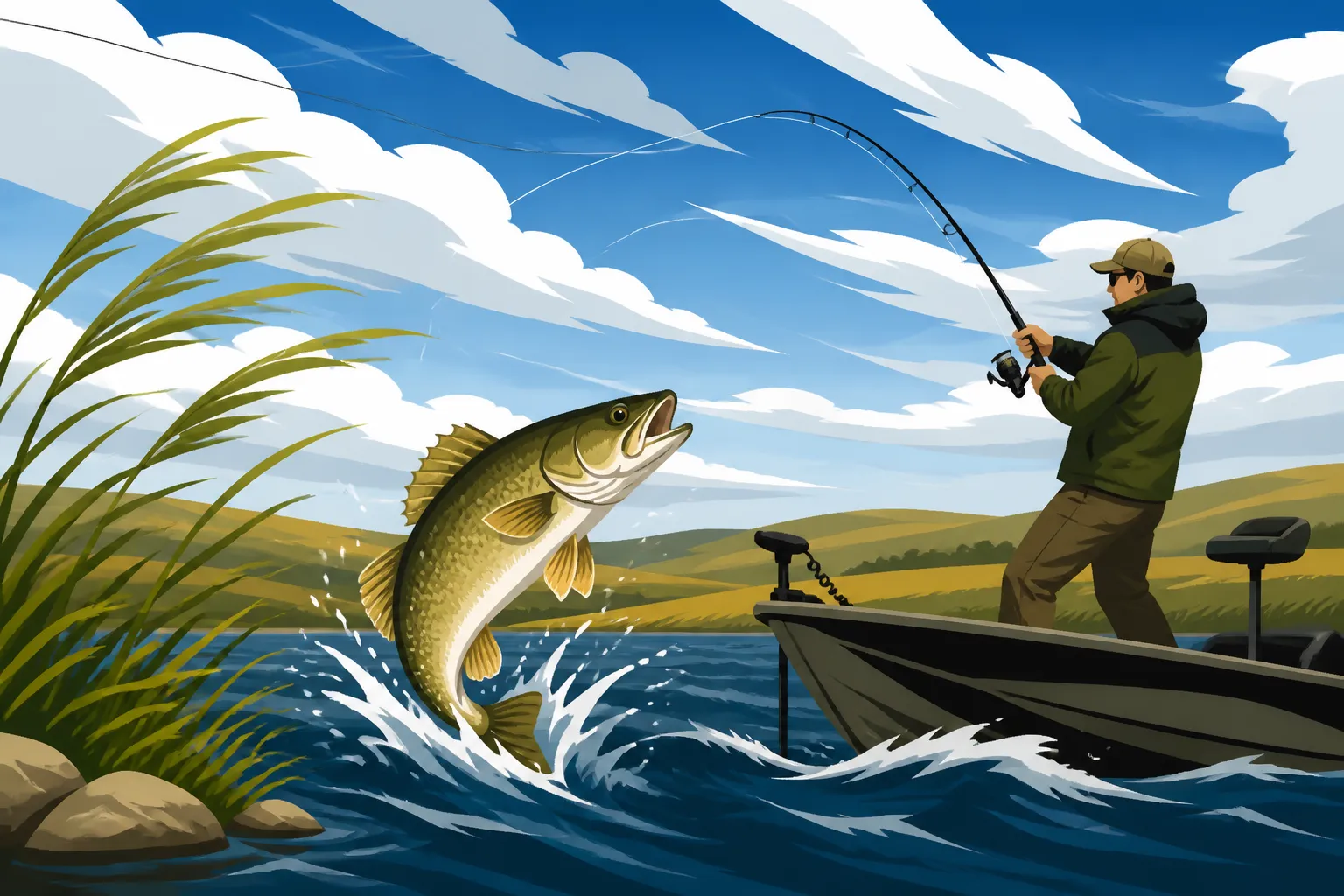
North Dakota is a paradise for anglers, but let's be real, it's also the land of wind. You've packed your gear, driven for miles, full of anticipation for a peaceful day on the water, only to be greeted by whitecaps and a boat that won't stay put. It's frustrating, even demoralizing, but here's the good news: you don't have to pack up and go home. This comprehensive guide will equip you with the knowledge, tactics, and confidence to not just tolerate, but truly master fishing in North Dakota's legendary windy conditions, turning a challenging day into a successful one.
Understanding North Dakota's Wind: More Than Just a Breeze
We all know North Dakota gets windy. It’s a fact of life here, almost as certain as a sunrise. But understanding why it's windy, and more importantly, how that wind impacts the water and the fish, is the first step toward becoming a successful wind angler. It’s not just about battling the elements; it’s about reading them and using them to your advantage.
Wind Direction and Its Impact on Fish Behavior
When the wind starts to howl, it doesn't just create choppy waves; it creates currents, stirs up nutrients, and affects water clarity. Fish, being opportunistic creatures, often react predictably to these changes. A sustained wind pushing across a lake will stack baitfish, nutrients, and even warmer surface water on the downwind side. This is like ringing the dinner bell for predatory fish. Walleye, Northern Pike, and even Yellow Perch will often move to these wind-blown areas, knowing that food will be concentrated there.
Think about it from a fish's perspective. If there's a buffet line forming on one side of the lake, where would you go? Exactly. They use the current created by the wind to ambush prey, or simply to find an easier meal. This means that instead of avoiding the wind-blown shore, you should often be heading straight for it. It takes a bit of courage to intentionally put your boat or yourself into those chop zones, but that's often where the action is hottest. The trick is understanding how to present your bait effectively in that disturbed water.
Reading Wind Speed and Gusts
Knowing the difference between a steady 10 mph breeze and gusting 25 mph winds is crucial. A light breeze can create a nice ripple that breaks up the surface, making it harder for fish to see you and your line, which is generally a good thing. It can also activate certain feeding patterns. But when the wind really picks up, say 15-20 mph consistently, it starts to create significant waves and strong currents. This is where boat control becomes paramount, and where many anglers get frustrated.
Gusts, those sudden, unpredictable bursts of wind, are another challenge. They can throw off your cast, push your boat rapidly, and make precise bait presentation incredibly difficult. It's vital to constantly monitor the wind, not just checking the forecast in the morning, but actively observing the flag on shore, the whitecaps on the water, and the feel of the air. Modern weather apps are fantastic for real-time updates and predicting gusts, allowing you to anticipate and adjust your strategy before conditions become too overwhelming. Always assume a little extra buffer when planning your day, especially if you're on a larger body of water like Lake Sakakawea.
Essential Gear Adjustments for Windy Days
Facing a windy day in North Dakota doesn't mean you need a completely different tackle box. It means making smart adjustments to the gear you already have, focusing on control, stability, and efficiency. These tweaks can make a huge difference in your ability to present baits naturally and feel those subtle bites.
Rod, Reel, and Line Selection for Wind
When the wind is blowing, lighter gear can quickly become a liability. You need rods with a bit more backbone and reels that can handle the increased strain. For instance, a medium-heavy rod is often preferred over a medium-light, as it offers better control over your bait in chop and can handle larger, heavier lures needed to punch through the wind. A slightly longer rod (7' to 7'6") can also aid in casting distance against the wind and provide more leverage for boat control when using a trolling motor. Many experienced anglers find that a high-quality spinning reel, particularly from brands like Shimano or Daiwa, provides smoother casting and retrieve, which is crucial when battling constant wind.
Line selection is perhaps one of the most critical adjustments. Monofilament line, while having good stretch, can act like a sail in the wind, creating a large bow in your line that makes it impossible to feel bites or keep your bait where you want it. This is where braided line truly shines. Braided line has very little stretch, much thinner diameter for its strength, and cuts through the wind and water much more efficiently. It transmits vibrations directly to your rod tip, letting you feel even the lightest tap, even in rough conditions. I personally favor a 10-20 lb test braided line for most windy day walleye fishing, often paired with a fluorocarbon leader for stealth. You can find excellent options for braided line on Amazon that will significantly improve your sensitivity in windy conditions. Consider checking out this guide on the Best Fishing Line for North Dakota Lakes for more specific recommendations.
Mastering Boat and Kayak Control in Wind
This is where many anglers lose their composure in the wind, and it's understandable. Trying to hold a boat on a spot when the wind is constantly pushing you around can be incredibly frustrating. However, mastering boat control is probably the single most important skill for windy day fishing. For power boaters, a good bow-mounted trolling motor with GPS Spot-Lock technology is an absolute game-changer. Brands like Minn Kota's Ulterra or Terrova models are practically essential for serious North Dakota anglers, allowing you to hold your position with remarkable precision, even in stiff winds. This frees you up to focus on fishing instead of constantly correcting your drift.
If you don't have a Spot-Lock system, or if you're in a smaller boat or kayak, you'll need to rely more on anchoring or drift socks. Drift socks (or sea anchors) are incredible tools for slowing your drift and maintaining boat orientation. Deploying one or two off the bow can dramatically reduce your speed, allowing you to work a spot more thoroughly. For kayak anglers, a strong anchor system is non-negotiable. Consider a drag chain or a sturdy folding anchor, along with an anchor trolley system that allows you to adjust your anchor point from bow to stern, helping you orient the kayak for casting. Fishing from a kayak can be a fantastic way to access shallower, wind-sheltered areas, but safety should always be your priority. Make sure to consult the Best Kayaks for North Dakota Fishing guide for options suitable for our sometimes challenging waters.
When maneuvering your boat or kayak, try to use the wind to your advantage, drifting naturally along promising structure rather than fighting it head-on. If you're drifting too fast, deploy a drift sock. If you're trying to work a specific contour, use your trolling motor or main engine to make subtle adjustments, almost like feathering it, to stay on track. This proactive approach to boat control will save you a lot of headache and lead to more bites. Learning How to Anchor a Boat on the Red River can also provide valuable insights into managing current, which is often exacerbated by strong winds.
Adapting Fishing Techniques for Success
The wind doesn't just affect your gear; it demands a change in your approach to fishing. What works on a calm day might be utterly ineffective when the waves are rolling. Adjusting your techniques to account for the increased current, reduced visibility, and active fish can lead to surprisingly productive outings.
Walleye Strategies in Windy Conditions
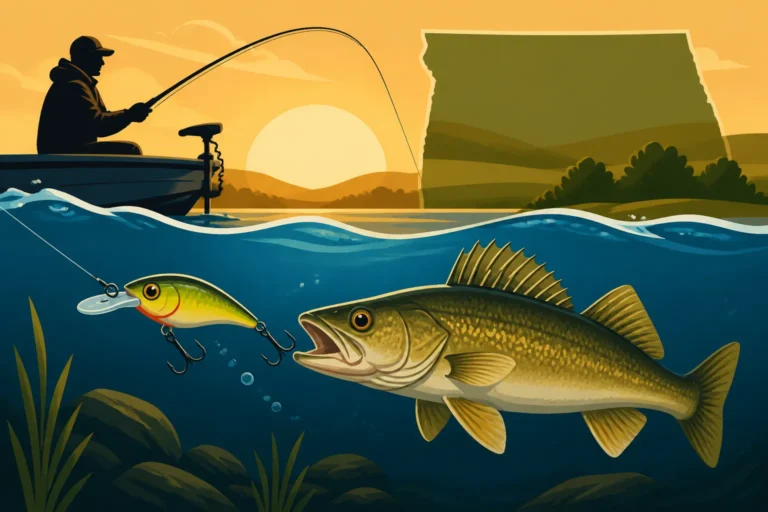
Walleye are often more aggressive in windy conditions because the chop breaks up light penetration, making them feel more secure. The stirred-up water also disorients baitfish, presenting easier targets. This is why windy days are often prime walleye days. One of the most effective strategies is trolling crankbaits. The constant movement of the boat, even if you’re being pushed by the wind, keeps your lures moving and searching for active fish. Use heavier crankbaits or add weight to get them down to the desired depth in the turbulent water. Deeper diving crankbaits in brighter, more contrasting colors can also be very effective, as the reduced light penetration means subtle colors might go unnoticed.
Another killer technique is using jigs and soft plastics, especially on wind-blown points or breaks. Instead of a light jig, step up to a heavier 1/4 or 3/8 ounce jig, sometimes even 1/2 ounce in strong current, to maintain bottom contact. Cast into the wind or perpendicular to it, letting the wind and waves give your presentation a natural, erratic action as it drifts down. This "controlled drift" can be incredibly effective. Pay close attention to your line, as the slack created by the wind can make it hard to feel bites; watching for a twitch or a sudden straightening of the line becomes crucial. This is particularly relevant for the North Dakota Walleye Fishing Techniques article, which delves deeper into specific presentations. For optimal success, consider studying the Best Wind Conditions for Walleye Fishing to fine-tune your approach.
Tactics for Northern Pike and Perch
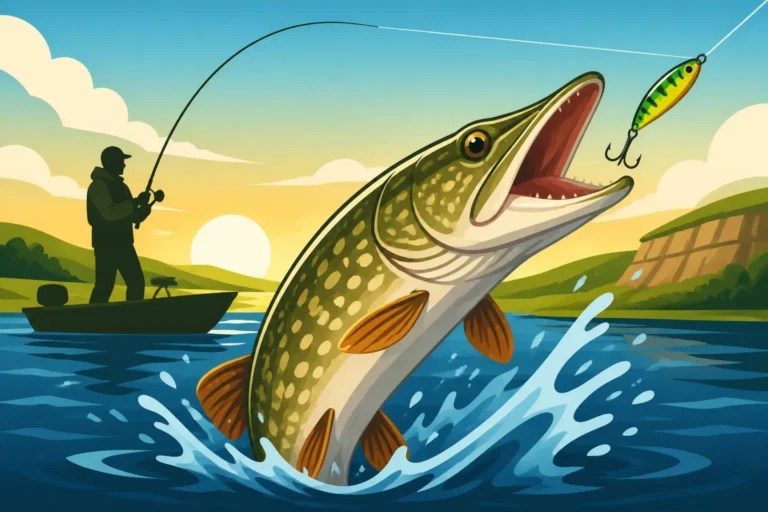
Northern Pike, much like walleye, become highly active in windy conditions. They're ambush predators, and the chaotic water created by the wind provides excellent cover for them to lie in wait. Focus on wind-blown weed lines, submerged timber, and rocky points where baitfish are likely to be pushed. Larger, flashier spoons or spinnerbaits are fantastic choices, as their vibration and visual appeal cut through the disturbed water. Cast these lures close to cover and retrieve them with an erratic stop-and-go motion, mimicking a disoriented baitfish. Heavy-duty baitcasting setups are often preferred for pike, allowing you to cast large lures accurately and muscle powerful fish out of heavy cover.
Yellow Perch, on the other hand, can be a bit more finicky but still catchable. They often move to the protected side of structure or deeper breaks to escape the most violent currents but will feed actively on the wind-blown side if food is plentiful. Using smaller, heavier jigs tipped with a minnow or a piece of Berkley Gulp can be very effective. Vertical jigging directly below your boat, especially if you have good boat control with a Spot-Lock, allows you to stay on top of schools. The added weight helps keep your bait vertical despite the boat's movement. In many cases, the perch will be concentrated in deeper holes or near the base of structures on the downwind side, where the current is less severe but still brings food.
Finding Productive Sheltered Spots
While many of the best fishing opportunities can be found on wind-blown shores, sometimes the wind is just too much. It becomes unsafe, or perhaps you're simply tired of battling the elements. On days like these, knowing how to find natural wind breaks and sheltered spots can salvage your fishing trip and sometimes even lead to unexpected success.
Identifying Wind-Protected Shorelines and Structures
Even on the wildest days, there are usually areas that offer some respite from the wind. Look for large bluffs, heavily wooded shorelines, or prominent points that create a "wind shadow." These areas will have significantly calmer water, making boat control easier and fishing more enjoyable. On large reservoirs like Lake Sakakawea, the numerous bays and arms can provide miles of protected water. When the wind is howling from the northwest, for example, look for bays that open to the southeast, or shorelines on the southeast side of large land masses.
These protected areas might not always be as active as the wind-swept areas, but they can hold resident fish that prefer calmer conditions or those seeking refuge. They are also excellent spots for beginners or those fishing with kids, as they offer a much more comfortable experience. Don't overlook the potential of these calmer waters; fish like sunfish, crappie, and even some smaller walleye or pike can be found lurking in the quieter pockets. Even fishing docks or large fallen trees on the lee side of a point can be excellent starting points.
The Benefit of Wind-Blown Points and Bays
This might seem counterintuitive to the previous section, but there's a crucial distinction. While sometimes you seek shelter, often the best fishing is actually found on the wind-blown side of points, islands, and bays. The wind pushes warm surface water and baitfish into these areas, creating a feeding frenzy. The chop also provides cover for predator fish, making them more aggressive and less wary.
Imagine a prominent point sticking out into a lake. If the wind is hitting that point directly, the current created on either side, and the turbulence around it, will concentrate baitfish and nutrients. Walleye and smallmouth bass will often stack up on the leading edge or just behind the point, waiting to ambush anything swept past. Similarly, a bay that is directly "catching" the wind will often have a higher concentration of food and therefore, more active fish. This is where those heavier jigs, aggressive crankbaits, and careful boat positioning come into play. It requires a bit more effort, but the rewards can be substantial. For more ideas on where to find these hotspots, check out our guide on the Best Places to Fish in North Dakota.
Safety First: Navigating Windy Waters
Let's be absolutely clear: no fish is worth risking your life over. North Dakota's lakes, especially the larger ones like Lake Sakakawea and Devils Lake, can turn from placid to perilous in a matter of minutes when the wind picks up. Prioritizing safety is not just good advice; it's a non-negotiable rule.
Personal Safety and Gear Security
When fishing in windy conditions, common sense goes a long way. Always wear your life jacket, or at the very least, have it easily accessible and consider wearing it at all times, especially in smaller boats or kayaks. Even strong swimmers can quickly become disoriented or incapacitated in cold water. Make sure to choose a life jacket appropriate for cold water fishing, as covered in our Best Life Jackets for Cold Water Fishing guide. Dressing in layers, with waterproof outer shells, is also crucial to stay warm and dry. Hypothermia is a real danger, even in moderate temperatures, if you're constantly wet and exposed to wind.
Secure everything in your boat. I've seen countless hats, tackle boxes, fishing rods, and even anchors go flying overboard in a sudden gust. Use bungee cords, tie-downs, or simply make sure lids are latched and gear is stowed away. Losing a favorite rod or tackle box to the wind is frustrating; losing essential safety equipment is dangerous. If you're using electronics, ensure they're firmly mounted. A good pair of polarized sunglasses will not only protect your eyes but also help you see through the glare on choppy water.
Boating Safety and Emergency Preparedness
Before you even launch, check the marine forecast for wind speeds and wave heights. If the forecast calls for sustained winds over 20 mph or significant wave action, especially on large, open bodies of water, seriously consider rescheduling or choosing a smaller, more protected lake. No amount of fish is worth putting yourself or your companions at risk. If you decide to go, tell someone your float plan: where you're going, when you expect to return, and who is with you.
Your boat should be in top working order, with enough fuel, a fully charged battery, and all required safety equipment. This includes a whistle or horn, visual distress signals (flares), a bailing device, and extra ropes. Knowing how to properly anchor your boat in strong wind and waves is also a vital skill. Always keep an eye on the sky and the water conditions. If the wind starts to pick up beyond your comfort level, don't hesitate to head back to shore. It's always better to be safe and fish another day. Information on North Dakota Boat Registration Requirements will ensure your vessel is legally ready for the water.
When you're out on the water, try to travel with the waves, not directly against them, which can lead to your bow digging in, or broadside to them, which can make your boat susceptible to capsizing. Angle slightly into or away from the waves to cut through them more smoothly. Keep your speed appropriate for the conditions, and always be aware of other boaters who might be struggling. North Dakota's waters are beautiful, but they demand respect, especially when the wind is unleashed. Learning How to Fish in 20 Mph Wind is one thing, but knowing when to call it a day is far more important.
Wind-Driven Fishing Opportunities: Embracing the Challenge
When you prepare correctly and understand how to adapt, windy conditions in North Dakota don't have to be a deterrent. In fact, they can often be some of the most productive fishing days. Embrace the challenge, knowing that many other anglers will be staying home, leaving the best spots open for you.
Leveraging Turbid Water for Active Bites
One of the biggest advantages of fishing in the wind is the turbidity it creates. The churning water reduces visibility, making fish feel more secure and, often, more aggressive. This is particularly true for walleye, which have excellent low-light vision and often prefer stained or choppy water. In these conditions, they are less wary of your boat or your line and are more likely to strike a lure.
The stirred-up water also dislodges food, washes insects and small creatures off shorelines, and concentrates baitfish in specific areas. This creates a natural feeding scenario that triggers predatory instincts. Don't be afraid to use lures with more vibration and flash in these conditions. Rattle baits, lipless crankbaits, and spinnerbaits can be incredibly effective at attracting attention in the murkier, wind-blown water. The added disturbance from the waves also helps to mask your presence and make your lure presentations appear more natural.
The Advantages of Natural Drift and Presentation
Wind can be your friend when it comes to covering water and presenting baits naturally. Instead of constantly battling the wind to hold your position, use it to your advantage. Set up a controlled drift using drift socks (sea anchors) that slow your boat down and allow you to cover long stretches of prime structure, like a submerged hump or a contour line. The natural movement of the boat, combined with the action of the waves, can give your lures a lifelike presentation that's hard to replicate with artificial means.
Consider using bottom bouncers and spinner rigs while drifting. The subtle lift and fall as your boat moves over waves can impart an enticing action to your live bait or soft plastic. If you're shore fishing, cast your lure out and let the waves and current move it along the bottom or through the water column. Sometimes, the most natural presentation is one that simply allows the forces of nature to do the work for you. Just remember to use enough weight to keep contact with your bait, as discussed earlier. Learning how to properly set up your rod and reel for these conditions is key. Our guide on the Best Fishing Rods for North Dakota Anglers offers some excellent choices to handle these conditions.
Seasonal Wind Considerations
Wind isn't a static factor; its intensity and typical direction can vary with the seasons, impacting fish behavior and your fishing strategy throughout the year. Understanding these seasonal nuances will help you better predict conditions and plan your trips.
Spring Winds and Ice-Out Fishing
Spring in North Dakota is synonymous with wind. As the ice recedes and open water returns, strong winds often dominate the weather patterns. This can make early season fishing challenging, but also incredibly rewarding. During ice-out, walleye, pike, and perch often move shallow, seeking warmer water and spawning areas. Strong spring winds can push this slightly warmer surface water into shallow bays and onto north-facing shorelines (depending on wind direction), creating prime feeding grounds.
However, the rapid weather changes and cold water temperatures of spring demand extra caution. Even moderate winds can create dangerous whitecaps, and falling overboard in cold water is a serious threat. Focus on fishing the wind-blown shallow flats and rocky points, but always keep an eye on weather changes. Use heavier jigs and bright, visible crankbaits to cut through the chop and stained water. The fish are often aggressive after a long winter and will readily hit a well-presented lure, even in tough conditions. Remember to check the North Dakota Ice Out Fishing Guide for more in-depth spring strategies.
Summer and Fall Wind Patterns
Summer winds in North Dakota can still be significant, especially during afternoon thunderstorms or frontal passages. While generally not as relentless as spring winds, they can still create enough chop to make fishing uncomfortable or even dangerous. During summer, the key is to understand that fish might seek deeper, cooler water during the calm, hot periods, but then move to wind-blown structures during windy spells to feed on concentrated bait.
Fall fishing in North Dakota is often marked by increasing wind speeds as cold fronts become more frequent. These fall winds can be a blessing, driving baitfish and stimulating aggressive feeding ahead of winter. Walleye and pike often gorge themselves, making windy fall days some of the best for trophy fish. Focus on deep points, main lake humps, and large bays where fish will stage. Once again, heavier tackle, effective boat control, and a willingness to brave the elements will pay off. Learning to read the water temperatures and current created by these seasonal winds is critical for consistent success. A deeper understanding of the Best Time of Year to Fish in North Dakota offers valuable context for these seasonal changes.
| Wind Speed (MPH) | Water Conditions | Recommended Action/Gear | Typical Fish Behavior |
|---|---|---|---|
| 0-5 (Calm) | Mirror-like, slight ripple | Light tackle, subtle presentations. Watch for spooky fish. | Less active, scattered. Seek deeper water or shade. |
| 5-10 (Light Breeze) | Choppy ripple, light surface disturbance | Standard tackle, sensitive lines. Good for breaking surface tension. | Often more active, less spooky. Good for topwater. |
| 10-15 (Moderate) | Noticeable chop, small whitecaps possible | Heavier jigs, braided line, trolling motor for control. | Aggressive on wind-blown areas. Baitfish concentrating. |
| 15-20 (Strong) | Significant waves, whitecaps, strong currents | Heavy jigs (3/8-1/2oz), Spot-Lock trolling motor, drift socks. | Very active on wind-blown structure, ambushing prey. |
| 20+ (High Wind) | Large waves, dangerous conditions, difficult boat control | Prioritize safety. Seek sheltered bays or reschedule. | Highly active where food concentrates, but often inaccessible. |
Disclaimer
Always remember that fishing involves inherent risks. This guide provides general information and recommendations for fishing in North Dakota's windy conditions. It is crucial to exercise personal judgment, prioritize safety, and adhere to all local regulations and forecasts. Weather conditions can change rapidly, and your safety is paramount. Consult the North Dakota Game and Fish Department for the latest rules and safety guidelines.