Seasonal Fish Movement Patterns in North Dakota Lakes
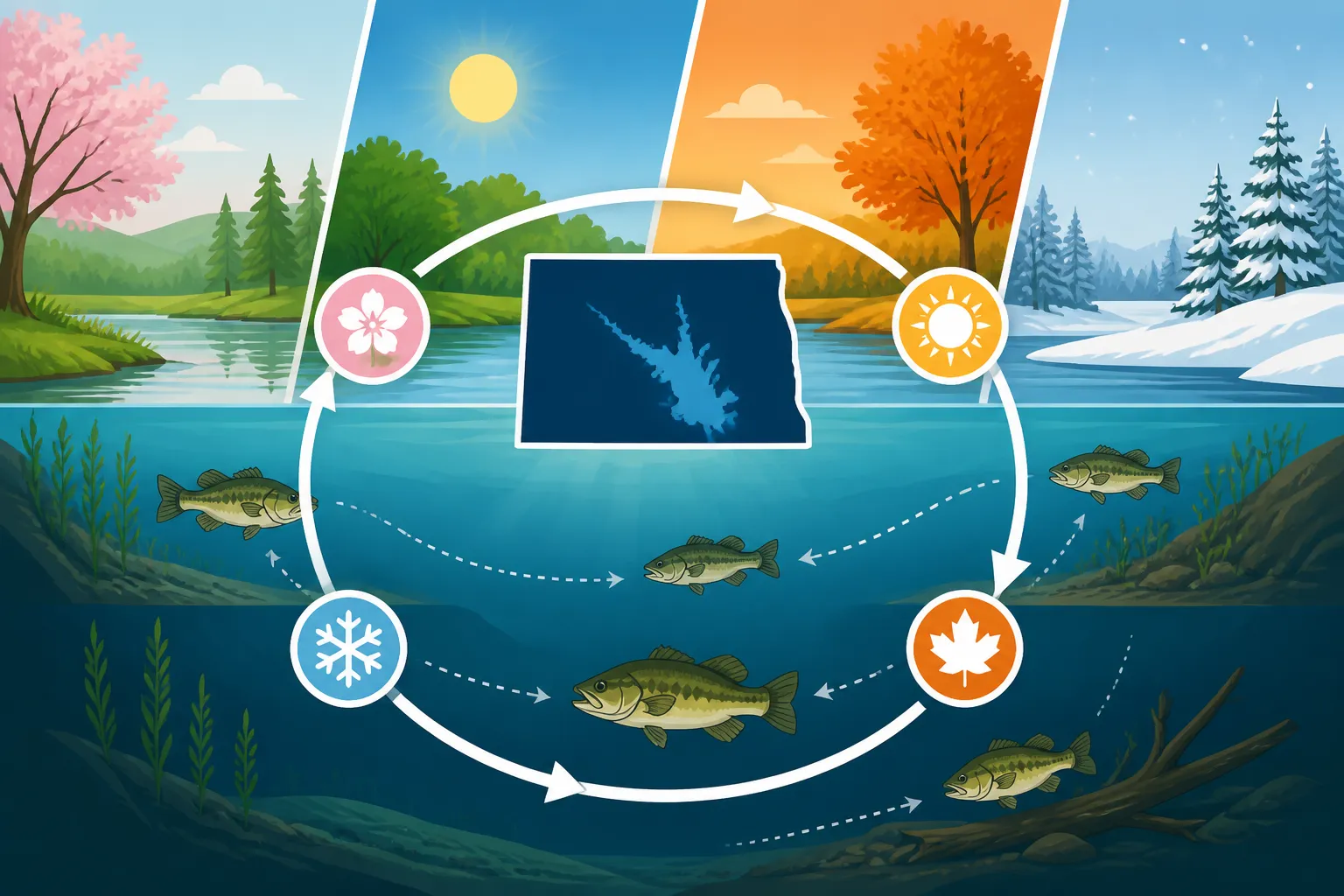
One of the biggest frustrations for any angler hitting the water in North Dakota is showing up to your favorite spot only to find the fish seemingly vanished. It's like they packed up their bags and left town! But the truth is, fish are always on the move, and their locations and behaviors change dramatically with the seasons. This guide is all about understanding these crucial seasonal fish movement patterns in North Dakota lakes, helping you crack the code and put more fish in your net, no matter the time of year.
Understanding the Driving Forces Behind Fish Movement
Before we dive into the specifics of each season, it’s vital to grasp why fish move the way they do. It’s not random; their movements are directly tied to fundamental survival needs. If you can understand these underlying drivers, you’ll be much better equipped to predict where fish will be, even on unfamiliar waters.
Water Temperature: The Master Key
Think of water temperature as the primary thermostat for fish activity and location. Every species has an optimal temperature range for feeding, spawning, and general comfort. When the water gets too hot or too cold, fish will actively seek out areas where the temperature is just right. In North Dakota, with our extreme temperature swings from brutal winters to hot summers, this factor alone dictates a huge amount of fish movement.
For instance, cold-water species like trout thrive in cooler temperatures, while warm-water species like bass prefer warmer zones. Walleye, a favorite in North Dakota, are somewhat in the middle, preferring cooler, but not freezing, waters. As lake temperatures shift throughout the year, fish will move vertically in the water column or horizontally across the lake, seeking these thermal sanctuaries. This constant search for their ideal temperature zone is a fundamental aspect of their seasonal migrations.
Oxygen Levels and Comfort Zones
While often linked to temperature, oxygen levels play an equally critical role. Colder water typically holds more dissolved oxygen, which is why you see fish more active and widespread in spring and fall. As summer progresses, especially in deeper lakes, a phenomenon called "thermal stratification" occurs, where the lake forms distinct layers of different temperatures. The warmest water is at the top, the coldest at the bottom, and a "thermocline" separates them.
Below the thermocline, oxygen levels can plummet in some lakes, creating an anoxic (oxygen-depleted) zone where fish simply cannot survive, even if the temperature is ideal. This forces fish to stay above or within the thermocline, compressing their habitat. Conversely, areas with fresh inflows from rivers or springs often bring higher oxygen levels, attracting fish even if other factors aren't perfect. Understanding these oxygen dynamics can help you identify pockets of "dead water" to avoid and vibrant zones to target.
Forage Availability: The Dinner Bell
Let's be real: fish are always looking for their next meal. The availability and location of baitfish and other forage is a massive driver of fish movement. Where the food goes, the predators follow. This is a dynamic relationship that changes throughout the year. In spring, emerging insect hatches or shallow-water baitfish spawns can draw predators into surprisingly shallow areas. In summer, schools of baitfish might hold over deeper structure or move into open water, leading game fish to follow suit.
Come fall, as baitfish like shiners and ciscoes begin to school up and move to deeper main lake basins or river channels, the walleye and northern pike will be right on their tails, looking to gorge themselves before winter. Understanding the life cycles and typical movements of the primary forage species in a particular North Dakota lake – whether it's yellow perch, minnows, or even smaller crappie – will give you a huge advantage in locating the game fish you're after. It's like knowing when the buffet opens and where it's located!
Spring: The Great Awakening and Shallow Push
After the long, cold North Dakota winter, spring brings a burst of life both above and below the ice. This season is characterized by warming water, melting ice, and the instinctive drive for fish to reproduce. Anglers who understand these patterns can capitalize on some of the year's most exciting fishing.
Ice-Out and Pre-Spawn Patterns
When the ice finally relents and breaks up across North Dakota's lakes, it's a monumental shift. The first few weeks after ice-out are often frantic. Water temperatures are still very cold, but rapidly rising in shallow, sun-exposed bays and shorelines. Fish like northern pike and yellow perch, which are early spawners, will begin to stage in these shallow areas. They're trying to warm up, increase their metabolism, and start feeding aggressively after a long winter of reduced activity.
You’ll often find these fish congregating around the first signs of green weeds, rocky points, or any structure that absorbs sunlight and warms the water even a degree or two. For species like walleye, the pre-spawn period sees them moving from deeper wintering holes towards shallower spawning grounds, often concentrating in bottlenecks or along current breaks. This is an excellent time to target them with jigs and minnows, or even early season crankbaits. Our guide on the North Dakota Fishing Season Calendar can provide specific dates to watch for ice-out in your favorite areas.
The Spawning Ritual: Where and When
Spawning is the ultimate biological driver in spring, and it dictates huge movements. Different species spawn at different times and in different locations, mainly based on water temperature.
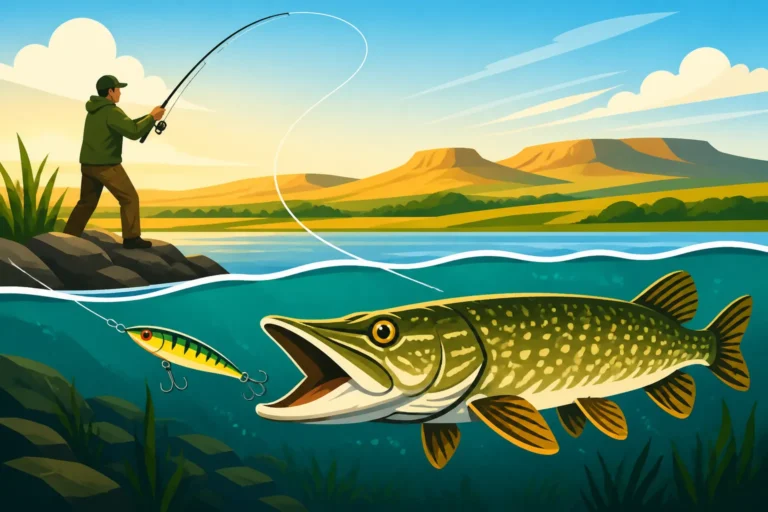
- Northern Pike: Often the earliest, pike will push into very shallow, marshy bays, flooded grass, and backwater areas as soon as the ice clears and water temperatures hit the mid-40s Fahrenheit. They're looking for dense vegetation to lay their eggs. Our North Dakota Northern Pike Fishing Guide offers more details on these movements.
- Walleye: These popular game fish typically spawn when water temperatures reach the upper 40s to low 50s. They prefer hard-bottomed areas like rocky reefs, rip-rap shorelines, and tributary rivers where current helps oxygenate their eggs. On large lakes like Lake Sakakawea or Devils Lake, finding these rocky spawning grounds can be key. For specific techniques, check out Early Spring Walleye Techniques in North Dakota.
- Yellow Perch: Perch also move into shallower areas, often around submerged vegetation, to broadcast their eggs when water temps are in the mid-40s to low 50s. They are less particular about hard bottoms than walleye. Learn more in our North Dakota Yellow Perch Fishing Guide.
During the actual spawn, fish might be less interested in feeding, but the staging and post-spawn recovery periods are prime opportunities.
Post-Spawn Recovery and Scattered Fish
Once the spawning ritual is complete, fish don't just immediately return to their pre-spawn patterns. Many species, especially the females, will enter a "post-spawn funk." They are exhausted, often beat up, and need to recover. They might retreat to slightly deeper water near their spawning grounds, seeking cover and easy meals. This can make them a bit scattered and harder to locate.
However, as they regain their strength, they'll begin to feed more aggressively to replenish energy stores. They might be found shallower again, especially the males who often guard the nests for a short period, or they'll start transitioning towards their summer habitats. The key during this phase is to cover water, look for active feeding signs, and adjust your presentation to entice less-active fish. The fish might not be as concentrated, but persistent anglers can still find them.
Summer: Deep Water Retreat and Forage Chasing
Summer in North Dakota brings warm, often hot, temperatures. This significantly changes the underwater landscape, particularly in deeper lakes, forcing fish into different patterns than those found in spring.
Stratification and Thermocline Tactics
As the sun bakes North Dakota lakes through June, July, and August, the water column often stratifies into distinct layers. The warmest, lightest water sits on top (the epilimnion), followed by a middle layer where temperature changes rapidly (the thermocline), and finally, the colder, denser water at the bottom (the hypolimnion). As mentioned earlier, the critical factor here is not just temperature but also oxygen. In many lakes, the hypolimnion can become oxygen-depleted, creating a "dead zone" for fish.
This means that fish, particularly walleye, northern pike, and perch, will often be found concentrated within or just above the thermocline, where they can find both comfortable temperatures and sufficient oxygen. This might be in 15-30 feet of water, depending on the lake's depth and characteristics. Locating the thermocline with your fish finder is a game-changer for summer fishing. Anglers can find great deals on fish finders on sites like Amazon to help them pinpoint these critical depth zones. When targeting walleye, understanding these depths is crucial, and our Summer Walleye Trolling Techniques goes into great detail about presentations for these depths.
Relating to Structure and Cover
Even within the thermocline, fish aren't just suspended randomly. They will relate heavily to underwater structure and cover. This includes:
- Deep Humps and Reefs: These elevated areas offer ambush points and often attract schools of baitfish. Walleye, in particular, love to cruise the edges and tops of these structures.
- Breaklines: Where a flat area drops off into deeper water, these "breaks" are highways for fish. They provide easy access to different depths and cover.
- Submerged Weeds: Even in summer, some deeper weed beds can thrive, offering cover, oxygen, and food for various species, especially northern pike and larger perch.
- Rock Piles and Rubble: These offer excellent habitat for crayfish and other invertebrates, attracting bottom-feeding fish and their predators.
Fishing these structures effectively often involves vertical jigging, slip-bobber fishing with live bait, or trolling crankbaits that reach specific depths. Understanding how to interpret your electronics to find these features is paramount for summer success.
Night Feeding and Low-Light Opportunities
While many fish retreat to deeper, cooler waters during the bright heat of the day, summer nights can offer some incredible fishing opportunities, especially for species like walleye and channel catfish. Under the cover of darkness, these fish will often move significantly shallower to feed. The shallow flats, sandbars, and even weed edges that were barren during the day can come alive at night as baitfish move in, and the main game fish follow.
This is a prime time for casting shallow-running crankbaits, slow-rolling spinnerbaits, or fishing with slip bobbers and live bait on those shallower structures. The cooler night air also translates to cooler surface water, which can encourage more widespread movement. For anglers who don't mind the dark, fishing during these low-light periods can produce some of the biggest fish of the year.
Fall: The Feeding Frenzy and Preparation for Winter
As North Dakota days shorten and the air takes on a crisp bite, fall fishing often becomes some of the most productive of the entire year. Fish sense the approaching winter and enter a frantic feeding period, gorging themselves to build up fat reserves.
Cooling Waters and Shallow Returns
The most significant change in fall is the cooling of the entire water column. The thermocline begins to break down, and eventually, the lake "turns over," meaning the water mixes from top to bottom, homogenizing temperatures and oxygen levels. This allows fish to roam more freely throughout the lake at various depths. Initially, as surface temperatures cool, fish will often push back into shallower areas that they might have abandoned during the heat of summer.
Think about those shallow bays, weed lines, and rock piles that were hot in spring – they become active again. Walleye, northern pike, and perch can often be found in relatively shallow water, sometimes just a few feet deep, as they chase baitfish. This makes them accessible to both boat and shore anglers. The key is to pay attention to the progression of cooling water; early fall might see them on weed edges, while late fall could find them more on main lake points or deeper structures.
Following the Baitfish Migrations
Just like in spring, forage availability is a massive driver. In the fall, many baitfish species, like yellow perch and ciscoes, begin to school up in massive numbers. They'll migrate from their summer haunts, often moving into deeper main lake basins, river channels, or large flats as they prepare for winter. The game fish are not far behind. This creates incredible opportunities for anglers who can locate these baitfish schools.
Using your fish finder to spot baitfish is paramount. Once you find them, you're likely to find the predators too. Trolling large crankbaits, casting spoons and swimbaits, or even vertical jigging can be highly effective during this time. The fish are often more aggressive and less picky, making it a fantastic time to experiment with different presentations. Our guide to Fall Walleye Fishing Patterns in North Dakota provides excellent strategies for this time of year.
Aggressive Feeding and Bulking Up
This "power feeding" period is what makes fall fishing legendary. Fish need to consume as much as possible before their metabolism slows down dramatically for winter. This means they are often more willing to chase lures and hit baits with gusto. You might find schools of walleye actively busting bait on the surface in the mornings or evenings, or northern pike aggressively hitting large spoons and spinnerbaits in the remaining green weed beds.
Don't be afraid to use larger baits and cover a lot of water. The fish are actively hunting, so presentations that mimic fleeing baitfish are often incredibly effective. This is also a fantastic time to target trophy fish, as the biggest individuals are often the most aggressive feeders looking to maximize their winter survival chances.
Winter: Under the Ice and Sustenance Strategies
When the lakes freeze solid in North Dakota, the fishing doesn't stop; it simply shifts beneath a layer of ice. Ice fishing presents its own unique set of challenges and patterns, but fish still move based on their fundamental needs. Knowing the North Dakota Ice Fishing Rules is critical for a safe and successful outing.
Early Ice: Active and Accessible Fish
Just after "first ice" – when the ice is safe enough for foot travel, typically 4-6 inches thick – the fishing can be phenomenal. The water beneath the ice has cooled significantly, but it hasn't become completely stagnant yet. Fish are often still relatively active from their fall feeding frenzy and haven't fully settled into their deep winter patterns. They are often found in areas that were productive during late fall, such as points, breaks, and remaining green weed beds in shallower to mid-depths.
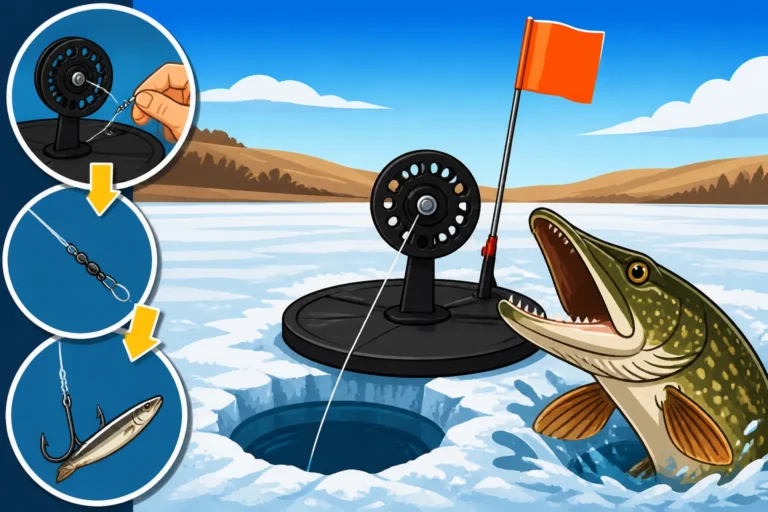
This period offers fantastic access to areas that might be difficult to reach by boat in open water. Walleye, northern pike, and yellow perch can be very cooperative. For walleye, vertical jigging with small spoons or jigging raps tipped with a minnow head can be deadly. Pike will readily hit tip-ups set with large shiners or smelt. For perch, small tungsten jigs with wax worms or eurolarvae are irresistible. Our How to Ice Fish in North Dakota guide has more on setting up for early ice success.
Mid-Winter Slump and Deep Holds
As winter progresses, usually from mid-January through February, things can slow down. The ice thickens, snow accumulation reduces light penetration, and the water becomes very cold and stable. Fish metabolism slows dramatically, and their activity levels decrease. They often move to deeper, more stable environments, congregating in wintering holes, main lake basins, or deep river channels.
During this mid-winter slump, fish can be harder to tempt. Anglers often need to scale down their presentations, fish slower, and pay close attention to subtle bites. Electronics like flashers or live-scope systems become invaluable for finding these deeper, less active fish. They might suspend just off the bottom or hug tightly to deep structure. Patience and persistence are key, along with a good understanding of Perch Jigging Techniques for Devils Lake or other species-specific strategies.
Late Ice: Pre-Spawn Buzz
As March approaches and the days start to lengthen, even under heavy ice, fish begin to sense the coming spring. Water temperatures might still be frigid, but the increasing light penetration and subtle warming near shorelines can trigger a pre-spawn awakening. Fish activity can pick up dramatically during late ice, often leading to another excellent bite period before ice-out.
Many species, including walleye, northern pike, and yellow perch, will start moving from their deep wintering holes towards shallower staging areas near their spring spawning grounds. This is a time to look for them on transitional breaks, humps near shore, and the edges of remaining green weeds. Aggressive presentations that were effective in early ice might work again, as fish look to bulk up before the energy demands of spawning. Be extremely cautious during late ice, as ice conditions can deteriorate rapidly, especially around inlets, outlets, and points. Safety is paramount when enjoying Ice Fishing for Northern Pike With Tip-Ups or any other late-ice pursuit.
Factors Influencing Localized Movements Even Within Seasons
While the major seasonal shifts dictate broad patterns, fish movements are also influenced by daily and even hourly changes. Paying attention to these subtle factors can make a big difference on any given fishing day.
Wind and Current: Directing the Drift
Wind is an often-underestimated factor in North Dakota fishing. Strong winds can create current and push baitfish, oxygen, and warmer surface water to one side of a lake (the "wind-blown" shore). This concentration of resources often attracts game fish. Walleye, in particular, are known to follow wind-blown shores and points, using the turbulent water to ambush prey.
In rivers or areas with natural current, fish will orient themselves to face into the flow, conserving energy while waiting for food to drift by. Understanding current breaks, eddies, and seams can reveal prime ambush points. These currents also deliver fresh oxygen and nutrients, keeping fish active and feeding. Always consider the wind direction and strength when choosing your fishing spots.
Light Penetration and Fish Vision
Fish, like humans, have varying tolerances for light. Many game fish, particularly walleye, are very light-sensitive. They have large eyes that are adapted for low-light conditions, giving them an advantage over their prey during dawn, dusk, cloudy days, or in deeper, darker water. This is why you often find walleye in deeper water during bright, sunny days, or why they become incredibly active during those magical low-light hours.
Conversely, some species, especially smallmouth bass, might be more comfortable in brighter conditions. The amount of light penetrating the water can influence how deep fish are holding, how actively they're feeding, and what colors or presentations they prefer. On bright days, look for fish to be deeper, under heavy cover, or in shaded areas. On cloudy days, they might be more widespread and active in shallower water.
Barometric Pressure Swings
Barometric pressure, or atmospheric pressure, also plays a role in fish behavior. While not as universally agreed upon as temperature or forage, many experienced anglers observe that stable or rising barometric pressure often corresponds with active feeding, while rapidly falling pressure (often preceding a storm) can make fish lethargic and less willing to bite.
Think of it like this: fish have a swim bladder that helps them maintain buoyancy. Changes in atmospheric pressure can affect this bladder, potentially causing discomfort or influencing their comfort level at certain depths. While you can't control the weather, being aware of pressure changes can help you adjust your expectations and tactics. If the pressure is dropping, try slower, more subtle presentations, or target areas where fish can easily move to different depths.
Summary of Seasonal Fish Movement Patterns
Here's a quick overview of how key species generally move throughout the year in North Dakota lakes:
| Season | Walleye (Typical Depth/Location) | Northern Pike (Typical Depth/Location) | Yellow Perch (Typical Depth/Location) | Key Behavior/Forage |
|---|---|---|---|---|
| Spring | Shallow rocks, reefs, river mouths (pre-spawn/spawn) | Very shallow, marshy bays, flooded grass (early spawn) | Shallow weeds, bays (pre-spawn/spawn) | Spawning migrations, recovering from winter, aggressive |
| Summer | Thermocline, deep humps, breaklines, open water (trolling) | Deeper weed edges, structural points, suspended off shore | Thermocline, deep weed edges, open water schools | Follow thermocline, relate to structure, night feeding |
| Fall | Mid-depths, main lake points, chasing baitfish | Green weed edges, main lake points, chasing baitfish | Mid-depths, schooling over flats, chasing invertebrates | Aggressive feeding frenzy, bulking up for winter |
| Winter | Early ice: mid-depths. Mid-late ice: deep holes, channels | Early ice: mid-depth weeds. Mid-late ice: deep holes | Early ice: mid-depths. Mid-late ice: deep basins | Reduced metabolism, seek stable temps/oxygen, subtle |
Understanding these seasonal fish movement patterns is truly the cornerstone of becoming a more successful North Dakota angler. It allows you to anticipate where fish will be, rather than just guessing. By paying attention to water temperature, oxygen, forage, and even daily influences like wind and light, you'll start to see a clearer picture of the underwater world and develop a deeper connection to the rhythms of our amazing fisheries. Whether you're planning your next trip to the Best Places to Fish in North Dakota or just heading out to your local pond, keep these patterns in mind, and you'll be well on your way to a great day on the water.
Disclaimer
Please note that fishing regulations, conditions, and fish behaviors can change. Always consult the latest North Dakota Game and Fish Department proclamations for up-to-date rules, limits, and any emergency closures before heading out. Safety should always be your top priority on the water or ice.