How to Anchor a Boat on the Red River
There's nothing quite like the unique challenge and reward of fishing the Red River of the North. But let's be real, trying to anchor a boat in that notoriously strong, silty current can feel like wrestling a greased walleye – frustrating, unpredictable, and potentially dangerous if you don't know the ropes. This guide is here to walk you through the ins and outs of safely and effectively anchoring your boat on the Red River, ensuring your fishing trips are more about catching fish and less about battling the current.
Understanding the Red River's Unique Challenges for Anchoring
The Red River isn't just any river; it's a beast with its own personality, and it demands respect, especially when it comes to keeping your boat put. You can't just toss out any old anchor and hope for the best here.
The Mighty Current and Shifting Bottom
First off, the current on the Red River is no joke. It's often fast, especially during spring runoff or after heavy rains, and it can be surprisingly unpredictable, with eddies and boils that can spin your boat around if you're not careful. This relentless flow means your anchor needs to do some serious work to hold steady. I've seen countless anglers lose their position because their anchor just couldn't dig in, forcing them to constantly re-position or, worse, drift into snags or other boats.
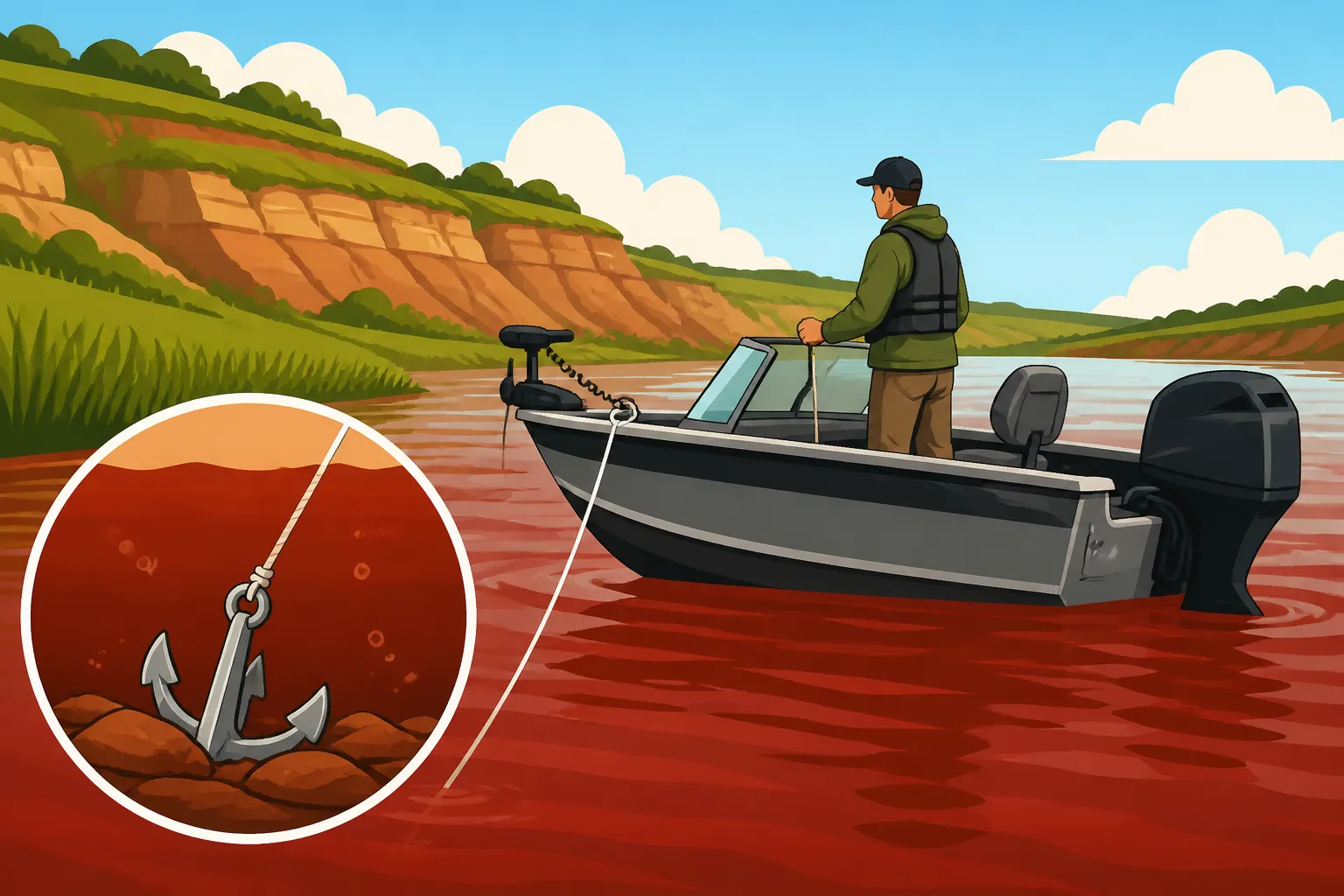
Then there's the bottom itself. The Red River is famous for its rich, fertile banks, which translate to a bottom that's often soft, silty, and muddy. This isn't your solid rock or gravel lakebed. Many anchors are designed to grab onto firmer structure, and they'll simply plow through the soft Red River mud without ever really setting. You might think your anchor is holding, only to find yourself slowly but surely dragging downstream, pulling away from that prime catfish hole you just found. To add to the fun, the riverbed is often littered with submerged logs, branches, and other debris that can snag your anchor, turning a simple stop into a full-blown retrieval mission – or a lost anchor entirely.
Safety Considerations in a High-Flow River
Anchoring on a river like the Red brings a few extra safety considerations that you might not encounter on a calm lake. Getting your boat properly anchored isn't just about convenience; it's about keeping everyone onboard safe. Imagine trying to fight a big channel cat, only to have your boat unexpectedly swing around and put you broadside to the current, or worse, against a submerged obstacle. It happens, and it can be a real jolt, potentially causing spills or even capsizing in extreme situations.
Beyond your own boat, you have to consider other traffic. While not as busy as some major shipping lanes, the Red River does see its share of larger recreational boats and sometimes even barges, particularly in certain stretches. Being improperly anchored, or having your boat swing out unexpectedly, can create a hazard for them, and for you. It's crucial to be aware of your surroundings and ensure your anchoring setup is secure enough to maintain your position, even when another boat's wake rolls through. Always make sure you're not in a navigation channel, which could put you in harm's way. Understanding the specific North Dakota Fishing Regulations Explained can also offer broader context for safe practices on the water.
Choosing the Right Anchoring Gear for the Red River
To truly conquer the Red River's current, you need the right tools for the job. This isn't a "one size fits all" situation; specific anchor types and rigging will make all the difference.
Anchor Types Best Suited for River Bottoms
Forget the lightweight fluke anchors you might use on a sandy lake. On the Red River, you need something that can really dig in and hold, or something heavy enough to just stay put.
- River Anchors (Grappling/Box/Digger): These are often your best bet. A "river anchor" or "digger anchor" usually features heavy, sharp tines or a box-like design that's specifically made to penetrate and hold in soft, silty, or muddy bottoms. Some designs are even weighted to self-right and dig in quickly. These are far more effective than a traditional mushroom anchor, which, while heavy, tends to just drag through the mud in a strong current. Grappling anchors, with their multiple prongs, can work if they are heavy enough to sink into the soft bottom, but they can also be prone to snagging on submerged debris.
- Heavy Navy or Fluke Anchors (with modifications): While a standard fluke anchor might struggle, a significantly oversized and heavily weighted navy or fluke-style anchor can work if it's got enough mass and if you use adequate chain. The challenge is ensuring it has enough surface area and weight to dig into the soft bottom and not just slide. Often, these need to be much heavier than what you'd typically use for a boat of your size on a lake.
- Homemade Solutions: Some seasoned Red River anglers swear by homemade solutions, like a heavy block of concrete with rebar hooks, or even old engine flywheels. These rely on sheer weight and some sharp edges to grab hold. While effective, they can be cumbersome and aren't always the most environmentally friendly option.
My personal recommendation for most recreational anglers would be a purpose-built river anchor or a heavy "box" style anchor. Look for options on platforms like Amazon that are specifically advertised for strong currents and soft bottoms.
The Importance of Rode, Chain, and Line for River Anchoring
Your anchor is only as good as the "rode" – that's the fancy nautical term for your anchor line and chain combination – connecting it to your boat. On the Red River, this setup is absolutely critical.
- Anchor Chain: This is non-negotiable for river anchoring. You need at least 6 to 10 feet of galvanized chain between your anchor and your rope. Why? The chain does a couple of things:
- Weight: It adds weight right at the anchor, helping it lie flat on the bottom and dig in.
- Angle: It changes the angle at which the rope pulls the anchor. Instead of pulling up on the anchor (which would lift it out of the mud), the chain keeps the pull horizontal, allowing the anchor to dig deeper and hold tighter.
- Abrasion Resistance: The chain protects your rope from rubbing on the bottom, which is often rough or debris-filled, extending the life of your line.
- Anchor Line (Rope): You want a good quality, strong anchor line. Nylon rope is usually preferred because it has a bit of stretch to it. This stretch acts like a shock absorber, cushioning the tugs and pulls from the current, wakes, and boat movement. Without it, every chop and surge would put immense stress on your anchor, potentially dislodging it. For the Red, aim for at least 3/8-inch or 1/2-inch diameter rope, depending on your boat size and the current strength.
- Scope Ratio: This is arguably the most important concept in effective anchoring. "Scope" refers to the ratio of the length of your deployed anchor line (plus chain) to the depth of the water. On the Red River, with its strong currents, you'll need a much higher scope ratio than on a calm lake. A minimum 7:1 ratio (7 feet of line for every 1 foot of water depth) is a good starting point, but in really strong currents or windy conditions, you might need 10:1 or even more. This long length of line allows the anchor to pull horizontally along the bottom, maximizing its holding power. You can find robust nylon anchor lines and chains on Amazon.
Essential Anchoring Accessories for Red River Safety
Beyond the anchor, chain, and line, a few accessories can make your Red River anchoring experience much safer and less stressful.
- Anchor Retrieval Ring/Buoy System: Given the snags prevalent in the Red River, an anchor retrieval system is a lifesaver. This typically consists of a large, sturdy ring and a buoy. You attach the ring to your anchor line, thread the line through it, and attach the buoy. If your anchor gets stuck, you motor upstream, letting the current pull the buoy and ring down the line to the anchor. Once it reaches the anchor, the pull shifts to the opposite end of the anchor, often freeing it from the snag. It’s an invaluable tool for preventing lost anchors and minimizing frustration. You might want to pick up a dedicated anchor buoy and ring system from a marine supplier or online through retailers like Amazon.
- A Sharp Cutting Tool: This sounds drastic, but in a true emergency – say, your boat is caught in an unexpected flood current, or your anchor is hopelessly snagged and putting your boat in danger – you might need to cut your anchor line. Keep a sharp knife or heavy-duty line cutters easily accessible in your boat.
- Personal Flotation Devices (PFDs): Always, always wear your life jacket, especially when anchoring or retrieving in strong currents. Accidents can happen quickly on the river, and a PFD is your first line of defense. Knowing the rules around Best Life Jackets for Cold Water Fishing can also be crucial, depending on the season.
- Gloves: Handling a wet, muddy anchor line, especially one that might have debris on it, can be tough on your hands. A good pair of work gloves will protect them.
Step-by-Step Guide to Safely Anchoring in the Red River Current
Now that you have the right gear, let's talk about the process. Anchoring on the Red River is a systematic approach, not a haphazard toss.
Identifying the Best Spots and Approach Angles
Before you even think about dropping your anchor, observe the river. Look for clues about current speed and potential fish-holding structure.
- Look for Current Breaks: Fish love to hide out of the main current flow, saving energy. Look for eddies, the downstream side of islands, submerged wing dams, bridge pilings, or even deep holes where the current might slow down. These are often prime spots for species like channel catfish. If you're targeting specific areas, check out Red River Catfish Fishing Spots in North Dakota for ideas.
- Observe Other Anglers: See where other boats are successfully anchored. They've likely done the scouting work for you!
- Approach Upstream and Drift Back: This is the golden rule for river anchoring. Motor slowly upstream, past your desired fishing spot, maybe 50-100 yards or more, depending on current strength. As you pass your spot, begin to slowly drift downstream with the current. This allows you to deploy your anchor while moving with the current, which is much safer and more effective.
- Consider Navigation Channels: Always ensure you're not anchoring in a busy navigation channel. Give commercial traffic and other boaters plenty of room. This is also where knowing your local Red River Fishing Access Near Grand Forks points can help you identify safe zones.
Setting Your Anchor for Maximum Hold
Here’s the breakdown for getting that anchor to dig in and stay put:
- Prepare Your Anchor: Have your anchor, chain, and line ready to go. Ensure there are no tangles in your line. Put on your gloves.
- Slowly Lower, Don't Throw: As you drift slowly downstream, gently lower your anchor over the bow (front) of your boat. Never throw the anchor from the stern (back) of your boat in a current; it can quickly pull the stern underwater and swamp your boat. Lower it carefully, letting it hit the bottom.
- Feed Out Line (Scope, Scope, Scope!): As your boat continues to drift downstream, slowly feed out your anchor line. Remember that high scope ratio! For instance, if you're in 10 feet of water, you'll want to put out at least 70 feet of line. Keep feeding line until your boat is positioned exactly where you want to fish. The more line you let out, the better your anchor's angle of pull and the stronger its hold.
- Feel it Dig: You should feel the anchor dragging and then, with a bit of a thud or sudden resistance, feel it bite into the bottom. It might drag a little further, but then it should hold firm.
- Test the Set: Once you think your anchor is holding, put your boat's engine in a very slow reverse (just enough to pull against the anchor, not to dislodge it). This "sets" the anchor deeper into the mud and confirms it's holding securely. Watch for any continued dragging. If it drags, let out more line and try to set it again.
- Secure the Line: Once the anchor is set, cleat off your anchor line securely to the bow of your boat. Double-check your knot or cleat hitch.
For a deeper dive into the physics of how this works, you might find information on How to Anchor in Current for Catfish helpful, as the principles are very similar for any species on the Red River.
Retrieval Techniques and Emergency Measures
Getting your anchor back up can sometimes be as tricky as setting it.
- Standard Retrieval: To retrieve your anchor, motor slowly upstream directly towards the anchor point. This takes the tension off the line and allows you to pull the anchor straight up rather than dragging it. As you motor, coil the line neatly in your boat to prevent tangles. Once you're directly over the anchor, pull it straight up.
- Using an Anchor Retrieval Ring/Buoy: If your anchor is snagged or just too heavy to pull straight up, this is where your retrieval system shines.
- Motor slowly downstream, past your anchor's position, allowing the boat to pull the anchor line taut.
- Clip the anchor retrieval ring onto your anchor line and thread the line through it.
- Attach your buoy to the ring and toss the buoy into the water.
- Now, motor slowly upstream, keeping your boat positioned so the buoy floats downstream. The current will push the buoy, which will slide the ring down your anchor line until it reaches the anchor.
- Once the ring is at the anchor, the pull on the anchor line will shift to the crown (the top) of the anchor, effectively pulling it out backward from the snag or mud. You can then retrieve the buoy, ring, and anchor.
- Emergency Cut: Remember that sharp cutting tool? If your anchor is hopelessly snagged, and your boat is in a dangerous situation (e.g., getting pulled by a strong current into an obstruction, or if the conditions suddenly worsen), don't hesitate. Cut the line. Losing an anchor is better than losing your boat or, worse, risking injury. Make sure you have spares on hand.
Advanced Tips and Best Practices for Red River Anglers
Once you've mastered the basics, you can refine your Red River anchoring skills to be even more effective and safe.
Dual Anchoring for Stability in Strong Currents
For ultimate stability, especially if you're targeting species like the huge channel cats the Red River is known for and want to minimize boat swing, consider using two anchors.
- Bow and Stern Anchoring: This technique involves deploying one anchor from the bow and another from the stern. You would typically deploy the bow anchor first, let out enough line to reach your desired spot, then back the boat down while deploying the stern anchor. This effectively "pins" your boat in place, preventing it from swinging side to side with the current or wind. This is fantastic for still-fishing in a specific spot, especially when you need to maintain precise positioning for bait presentation. Just be extra mindful of retrieval, as it means two anchors to manage.
- Two Off the Bow (V-Shape): Another option is to deploy two anchors from the bow, set at an angle to each other, forming a "V" shape with your boat at the tip. This also reduces swing and provides a more secure hold against the current, without the hassle of a stern anchor getting in the way of fishing or fighting a fish from the back of the boat. This can be particularly useful when fishing for large fish like those found in the North Dakota Northern Pike Daily Limit, where a stable platform is key.
Navigating and Anchoring Near Obstructions
The Red River's bottom is not always clean. Snags are a fact of life.
- Scout Ahead: Before dropping anchor, use your fish finder or simply observe the water for signs of submerged trees, logs, or other debris. If you know the bottom is particularly "sticky," be extra cautious with your anchor choice and scope.
- Power Pole/Shallow Water Anchors: If you have a boat equipped with a Power Pole or similar shallow water anchor system, these can be incredibly effective in shallower stretches of the Red River, allowing for quick, silent deployment and retrieval without dealing with ropes and chains. However, they are limited by depth.
- Getting Unsnagged: If your anchor gets snagged, try the anchor retrieval ring system first. If that doesn't work, try motoring your boat in a full circle around the anchor point, pulling the line from different directions. Often, a change in angle can free it. As a last resort, be ready to cut the line. This is where your cutting tool becomes invaluable.
Practicing Proper Etiquette and Environmental Awareness
Being a responsible angler on the Red River means more than just catching fish.
- Respect Other Anglers: Give other boats ample space, especially when they are anchored. Don't anchor too close, or in a way that might make their boat swing into yours. Be mindful of their fishing lines.
- Mind Your Wake: When motoring near anchored boats or shore anglers, slow down and minimize your wake. It's common courtesy.
- Leave No Trace: Never leave trash, broken lines, or lost anchors behind. If you have to cut your anchor line, try to retrieve the buoy and line if possible, or at least mark the spot so you can try to retrieve it later. Always be aware of Aquatic Nuisance Species Rules for Boaters to prevent spreading unwelcome guests to other waterways. You should also know How to Clean Your Boat to Stop Zebra Mussels to do your part.
By following these guidelines and understanding the specific challenges of the Red River, you'll be well on your way to anchoring like a pro and enjoying more successful, stress-free fishing adventures. It takes practice, but the rewards are definitely worth it! You can find many of the specialized items discussed, from different anchor types to retrieval systems and high-quality lines, on platforms like Amazon. And remember, always keep in mind regulations such as How Many Lines Can You Fish With in North Dakota? to ensure you're fishing legally and responsibly.
| Anchor Type | Best For | Holding Power (Red River) | Retrieval Ease | Pros | Cons |
|---|---|---|---|---|---|
| River/Digger Anchor | Soft mud, silt, sand, moderate to strong current | Excellent | Moderate | Designed for river bottoms, strong hold | Can snag on heavy debris |
| Heavy Navy/Fluke | Mud, sand, light to moderate current | Good (if oversized) | Moderate | Versatile, good in various conditions | Needs significant weight/chain for Red River, can drag |
| Box Anchor | Mud, silt, sand, stronger currents | Excellent | Moderate | Sinks and holds well, good stability | Can be bulky to store |
| Mushroom Anchor | Very light current, temporary holds | Poor | Easy | Simple, often used for smaller boats/pontoons | Will drag in Red River current, not recommended for fishing |
| Grappling Anchor | Rocky bottoms, light debris | Moderate to Good | Difficult (snags) | Folds for storage, good for snagging bottom | Highly prone to snagging on Red River debris |
Disclaimer
This article is for general informational purposes only and does not constitute professional advice. Laws, prices and regulations vary by location and change over time. Consult a qualified professional for guidance on your specific situation.