North Dakota Chinook Salmon State Record
For many anglers, the thought of landing a state record fish is the ultimate dream, a story to tell for generations, and in North Dakota, the magnificent Chinook salmon holds a special place in that pantheon of trophy catches. If you've ever wondered about the monumental effort and sheer luck behind such a feat, this guide will dive deep into the details of North Dakota's Chinook salmon state record, exploring not just the fish itself, but also the habitat and techniques that make such a catch possible in our beautiful waters.
The Legendary North Dakota Chinook Salmon State Record
Catching any fish is a thrill, but a state record is something truly extraordinary. It's a testament to the angler's skill, the fish's resilience, and the rich aquatic environment North Dakota offers. When it comes to Chinook salmon, we're talking about a formidable opponent, known for its powerful runs and impressive size. The state record for this species is not just a number on a wall; it represents the pinnacle of salmon fishing in a landlocked state where these majestic fish thrive in unexpected abundance.
The Weight and Angler Behind the Legend
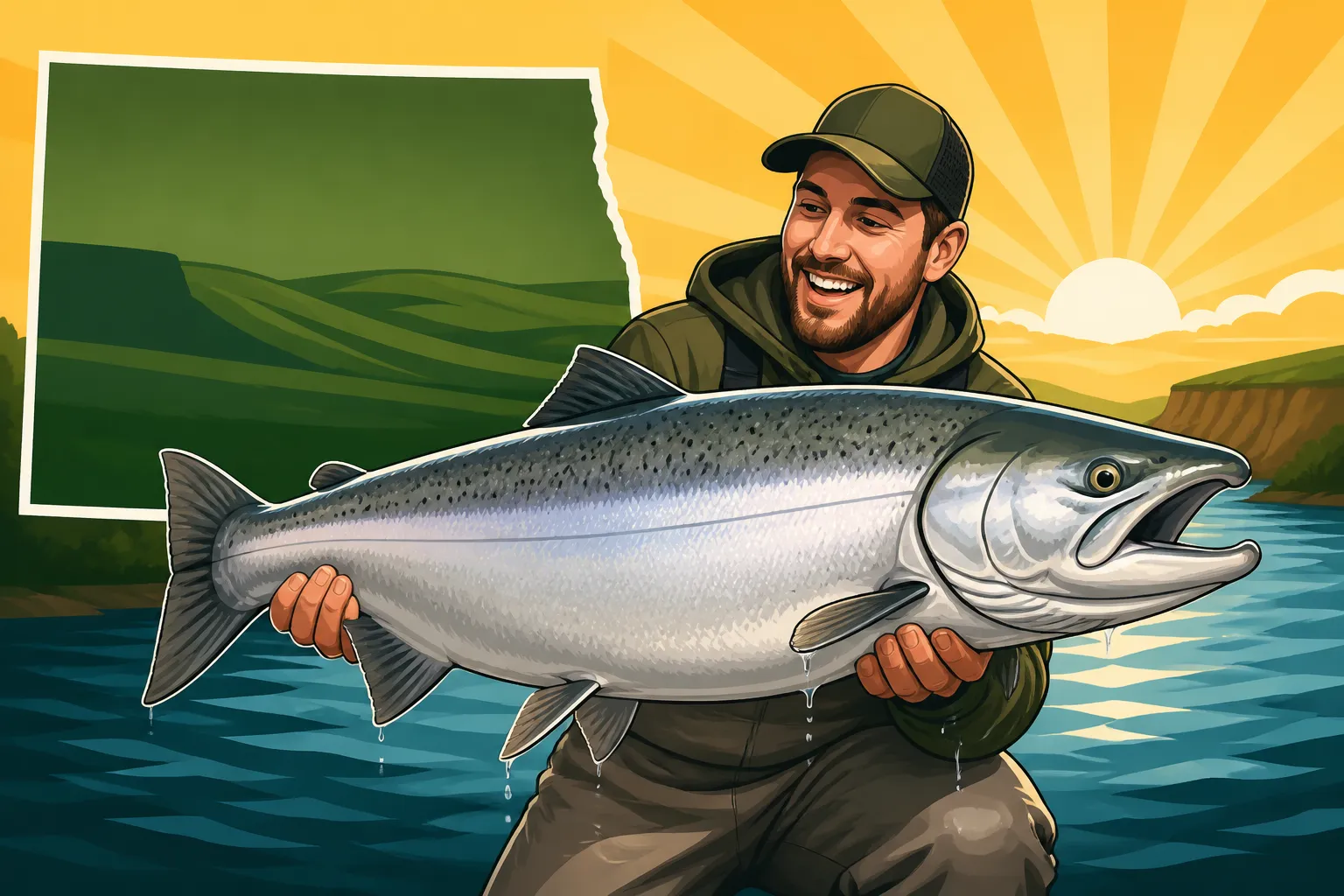
The North Dakota state record Chinook salmon is a fish of truly impressive proportions. This isn't your average panfish; we're talking about a powerhouse of the deep, a true heavyweight contender. The current record stands at a whopping 31 pounds, 2 ounces, a monster of a fish that would challenge any angler's tackle and resolve. This incredible catch was made by an angler named Robert "Bob" Kupper, who brought in this magnificent specimen on September 6, 2006. Imagine the fight, the adrenaline, the pure excitement of reeling in something so massive! It’s the kind of fishing story that gets retold around campfires and bait shops for years, inspiring countless others to try their hand at chasing these formidable creatures.
Landing a fish of this magnitude requires more than just luck; it demands patience, the right gear, and a solid understanding of salmon behavior. Bob Kupper’s achievement highlights the potential for trophy-sized Chinook in North Dakota, proving that our waters can hold giants. His catch remains a benchmark, a challenge for every salmon enthusiast who heads out onto Lake Sakakawea with dreams of their own record-breaking moment. It’s a reminder that sometimes, the biggest fish are just waiting for the right angler at the right time.
Where the Record Chinook Was Caught
Unsurprisingly, the record-breaking Chinook salmon was caught in Lake Sakakawea, North Dakota's largest reservoir and the undisputed capital for Chinook salmon fishing in the state. This massive body of water, stretching over 178 miles long with a shoreline of 1,600 miles, provides the perfect cold, deep environment that Chinook salmon, a species typically associated with ocean environments, need to thrive. The sheer size and depth of Lake Sakakawea create a complex ecosystem, mimicking many of the conditions these salmon would experience in a marine setting.
Lake Sakakawea is fed by the mighty Missouri River and offers an incredible forage base, primarily composed of smelt, which are a critical food source for growing large salmon. Anglers targeting Chinook on Sakakawea often focus on the deeper, cooler sections of the lake, especially near the Garrison Dam where the water is deepest and the prey fish are abundant. Lake Sakakawea Fishing Guide for North Dakota Anglers can give you a much broader picture of this incredible fishery. The specific location of Bob Kupper’s catch cemented Lake Sakakawea's reputation as a premier destination for trophy salmon, drawing anglers from all over who hope to replicate his success. It’s a vast playground, and knowing its nuances is key to finding those leviathans of the deep.
Understanding Chinook Salmon in North Dakota
Chinook salmon, often called "King Salmon" for good reason, are a marvel to behold, especially in a landlocked state like North Dakota. Their presence here is a testament to successful fisheries management and the unique environment provided by Lake Sakakawea. These fish are not native to North Dakota's waters, but rather are stocked to create a vibrant and exciting sport fishery, offering a truly distinct angling experience compared to chasing walleye or pike.
Lake Sakakawea: A Perfect Home
Lake Sakakawea isn't just big; it's a cold-water sanctuary crucial for Chinook salmon. The deep, nutrient-rich waters of the reservoir, especially in its lower reaches, maintain the consistent cold temperatures that Chinook require, particularly during the warm summer months when other fish species prefer shallower, warmer zones. The immense size also provides ample room for these migratory fish to roam and grow. Chinook Salmon Life Cycle in Lake Sakakawea explains how these fish adapt to this environment.
Crucially, Lake Sakakawea boasts a thriving population of rainbow smelt, which is the primary forage fish for Chinook. These small, oily baitfish provide the necessary high-energy diet that allows Chinook to grow rapidly and reach impressive sizes, like Bob Kupper’s record-breaker. Without this abundant food source, sustaining such a robust salmon fishery would be impossible. The stocking program ensures a consistent supply of young salmon, and the lake provides everything else they need to thrive, making it an artificial but highly effective salmon habitat.
What Makes Chinook Salmon So Special for Anglers
Chinook salmon are revered by anglers for several compelling reasons, making them a highly sought-after species in North Dakota. Firstly, their sheer size potential is a massive draw. As evidenced by the state record, these fish can grow into genuine monsters, providing a challenging and rewarding fight on the line. They are powerful, making long, drag-screaming runs that test an angler's tackle and skill, and often require specialized equipment like downriggers and heavy-duty rods.
Beyond the fight, Chinook salmon are also highly regarded as table fare. Their rich, flaky, orange-red flesh is a delicacy, prized for its flavor and nutritional value. Catching a Chinook often means bringing home a significant amount of high-quality meat, which adds another layer of satisfaction to the fishing experience. This combination of a thrilling fight, impressive size, and excellent culinary qualities makes Chinook salmon a truly special game fish, offering a unique and exciting dimension to North Dakota's diverse fishing scene. North Dakota Chinook Salmon Fishing Guide goes into more detail about how to target these magnificent fish.
Chasing Your Own Trophy Chinook
While breaking a state record is an incredibly rare feat, chasing trophy Chinook salmon on Lake Sakakawea is a perfectly achievable and exciting goal for many anglers. These powerful fish offer an incredible challenge, and with the right approach, you might just find yourself battling a personal best. It's all about understanding their habits and having the gear to match their strength.
Essential Gear for Big Salmon
When you're targeting Chinook salmon, especially the big ones, you can't just show up with your ultralight walleye setup. These fish are powerful, and they demand robust gear. Trolling is the most common and effective method for Chinook on Lake Sakakawea, and that means a solid boat equipped for the task. You'll need sturdy trolling rods, typically 8 to 10 feet in length, with a medium-heavy to heavy action, paired with level wind reels spooled with strong monofilament or braided line, often in the 20-30 pound test range. Many anglers find their ideal setups, from specific rod models to line choices, through extensive research and reviews found on sites like Amazon.
Downriggers are practically indispensable for consistent salmon success. These devices allow you to present your lures at precise depths, crucial for reaching salmon that often suspend in the cooler thermocline layers. Flashers and dodgers, which are designed to attract fish and impart action to your lures, are also key components of a successful trolling spread. Behind these, popular lures include large spoons, plugs, and even cut bait rigs. Having a good fish finder with sonar and GPS capabilities is also critical for locating baitfish schools, understanding depth contours, and marking productive trolling passes. Many anglers explore the latest in marine electronics on platforms like Amazon before hitting the water. Don't forget a large, sturdy net designed for big fish, as landing a thrashing 20+ pound salmon boat-side can be quite a challenge.
Best Times and Locations on Sakakawea
Timing and location are absolutely paramount when targeting trophy Chinook salmon on Lake Sakakawea. While Chinook can be caught throughout the open water season, late summer and early fall are generally considered the prime times. This period, roughly from August through October, coincides with their pre-spawn feeding frenzy, when they are bulking up on smelt and are at their heaviest. This is also when they become more aggressive and actively chase down baits. When Do Chinook Salmon Bite on Lake Sakakawea? can provide more specific timing.
As for location, the deeper sections of Lake Sakakawea, particularly from the Garrison Dam west towards the Van Hook Arm and Deepwater Bay, are consistent hotspots. These areas offer the coldest, deepest water and the highest concentrations of baitfish. Anglers often look for significant depth changes, underwater points, and humps where baitfish congregate. Trolling along these structures at depths typically ranging from 50 to over 100 feet, where the thermocline is established, is a common strategy. Pay close attention to your fish finder; schools of baitfish and arches representing larger predators are your best indicators of productive water. Remember, these fish are constantly on the move, so covering water and adapting to conditions are key to success. You might find a wide array of trolling motors suitable for covering such large distances and available through retailers like Amazon.
North Dakota's Commitment to Chinook
The robust Chinook salmon fishery in North Dakota didn't happen by accident. It's the result of strategic and ongoing efforts by the North Dakota Game and Fish Department (NDGFD) to introduce, manage, and sustain this unique angling opportunity. Their commitment ensures that anglers continue to have a chance at catching these magnificent fish, potentially even challenging the current state record.
Stocking Efforts and Their Impact
Since their initial introduction, Chinook salmon populations in Lake Sakakawea have been maintained almost entirely through an extensive stocking program. Unlike many other species that naturally reproduce in North Dakota waters, Chinook salmon require specific conditions for successful spawning that are generally not met in the reservoir environment. This means the NDGFD annually stocks large numbers of Chinook salmon fingerlings into Lake Sakakawea. How Many Chinook Salmon Are Stocked in Lake Sakakawea Each Year? highlights the scale of this operation.
These stocking efforts are critical. They ensure a steady supply of young salmon entering the ecosystem, which then grow rapidly by feeding on the abundant rainbow smelt. The success of the stocking program directly impacts the health and vitality of the fishery, providing anglers with consistent opportunities for both quantity and quality catches. Without this dedicated management, North Dakota's Chinook salmon fishery simply wouldn't exist, making the NDGFD's role indispensable in preserving this exciting dimension of our state's angling heritage.
Regulations for Chinook Salmon
To maintain a healthy and sustainable Chinook salmon fishery, specific regulations are put in place by the North Dakota Game and Fish Department. These rules are designed to manage harvest, protect spawning populations (even if stocked), and ensure that the fishery remains viable for future generations of anglers. It's crucial for every angler to be familiar with and abide by these regulations.
Key regulations typically include daily creel limits (the maximum number of fish you can keep in a day) and possession limits (the total number of fish you can have in your possession). While size limits are common for many species, Chinook salmon regulations often focus more on numerical limits to allow for good growth and maintain overall population health. It’s important to always check the most current North Dakota fishing proclamation or the NDGFD website for the latest rules before heading out, as regulations can change. For example, North Dakota Chinook Salmon Regulations offers a detailed look at the specific rules you need to follow. Always remember, responsible angling practices, including adherence to limits and proper catch-and-release techniques for fish you don't intend to keep, are vital for sustaining this incredible resource.
Here's a quick overview of some general characteristics of North Dakota Chinook Salmon:
| Characteristic | Typical Observations in Lake Sakakawea | State Record (Bob Kupper, 2006) |
|---|---|---|
| Average Size | 10-20 pounds, 24-30 inches | 31 pounds, 2 ounces |
| Primary Forage | Rainbow Smelt | N/A |
| Preferred Depth | Deep, cool water (thermocline), often 50-100+ feet | N/A |
| Prime Season | Late Summer to Early Fall (August-October) | September 6, 2006 |
| Key Location | Lower Lake Sakakawea, near Garrison Dam, Van Hook Arm, Deepwater Bay | Lake Sakakawea |
| Reproduction | Primarily maintained by annual stocking; limited natural reproduction | N/A |
Remember, while the table gives you a snapshot, the thrill is in the chase and the experience on the water! You can find a range of specialized fishing tackle, from deep-diving lures to sturdy rod holders, on platforms like Amazon, to help you in your quest for these magnificent fish.
Disclaimer
This article is for general informational purposes only and does not constitute professional advice. Laws, prices and regulations vary by location and change over time. Consult a qualified professional for guidance on your specific situation.