Best Waders for Shore Fishing
There’s nothing quite like the feeling of being right on the water, but let's be honest, standing on a chilly North Dakota shoreline or navigating murky riverbanks can quickly turn a peaceful outing into a cold, wet, and miserable experience. Whether you’re trying to cast just a little further, retrieve a snagged lure, or simply stay dry and warm through a long day of fishing, the right pair of waders can literally be the difference between a frustrating trip and a fantastic one. This comprehensive guide will walk you through everything you need to know about selecting the best waders for your North Dakota shore fishing adventures, ensuring comfort, safety, and a much more enjoyable time by the water.
Why Waders Are a Game-Changer for North Dakota Shore Anglers
For many North Dakota anglers, the idea of getting into the water is often met with a shiver, especially outside the peak of summer. But embracing the water by donning a quality pair of waders opens up a whole new world of fishing possibilities that are simply unreachable from the bank alone. It’s not just about staying dry; it’s about extending your reach, protecting yourself from the elements, and enhancing your overall comfort and success.
Beating the Cold and Wet: North Dakota's Temperamental Weather
North Dakota's weather is notoriously fickle. You can start a spring morning with frost on the ground, experience a warm afternoon, and then have a cold front roll in by evening. Even in summer, early mornings or late evenings by the water can be surprisingly chilly, and the water itself can remain quite cold well into the season. Standing on a damp bank or accidentally stepping into a puddle quickly leads to cold feet and a miserable disposition, potentially cutting your fishing trip short.
Waders act as an essential barrier, insulating you from the cold water and wet ground. Neoprene waders, in particular, offer excellent thermal protection, trapping a thin layer of water that your body heat warms, keeping you cozy even in near-freezing conditions common during the spring thaw or late fall. Breathable waders, while not offering direct insulation, still keep you dry from external moisture, allowing you to layer up underneath with thermal clothing to suit the conditions. This means you can comfortably fish longer, focusing on the bite rather than battling the chill. Consider how often you've pulled your line in because your toes were numb or your pants were soaked – waders eliminate that common frustration entirely. North Dakota Fishing Season Calendar can give you an idea of the varied conditions you'll encounter throughout the year, reinforcing the need for adaptable gear.
Extending Your Reach: Accessing Untouched Fishing Spots
One of the biggest limitations of shore fishing is, well, the shore. You’re restricted to casting distance and whatever structure or depth is within reach from dry land. This often means you’re fishing the same easy-access spots as everyone else, which can lead to pressured fish and fewer bites. North Dakota's lakes and rivers often have shallow flats, weed beds, or rocky points that are just out of casting range from the bank but too shallow for a boat, making them perfect targets for wading anglers.
With waders, you can step into the water, bypass bankside vegetation, navigate muddy fringes, or wade out to a submerged sandbar, rock pile, or current seam that holds fish. This allows you to position yourself perfectly for that long cast to a distant weed edge where big northern pike might be lurking, or to reach a deep drop-off that walleye are using. Imagine being able to walk around a bend in a small stream that's otherwise impassable by foot, discovering a secluded pool brimming with fish. Waders grant you this freedom, transforming frustratingly out-of-reach areas into prime fishing locations. Best Bank Fishing Spots in North Dakota often become even better with the added access that waders provide, allowing you to explore beyond the usual access points.
Types of Waders: Finding Your Perfect Fit for North Dakota Waters
When it comes to waders, there isn’t a one-size-fits-all solution, especially when tackling the diverse environments North Dakota offers, from the vast stretches of Lake Sakakawea to the narrower currents of the Red River. Understanding the different types available will help you choose the best option to keep you comfortable and effective on the water.
Chest Waders vs. Hip Waders: Coverage for Every Situation
The first big decision you'll face is how much coverage you actually need. This generally boils down to chest waders or hip waders, each with its own set of advantages depending on the depth of water you anticipate wading into and the kind of fishing you'll be doing.
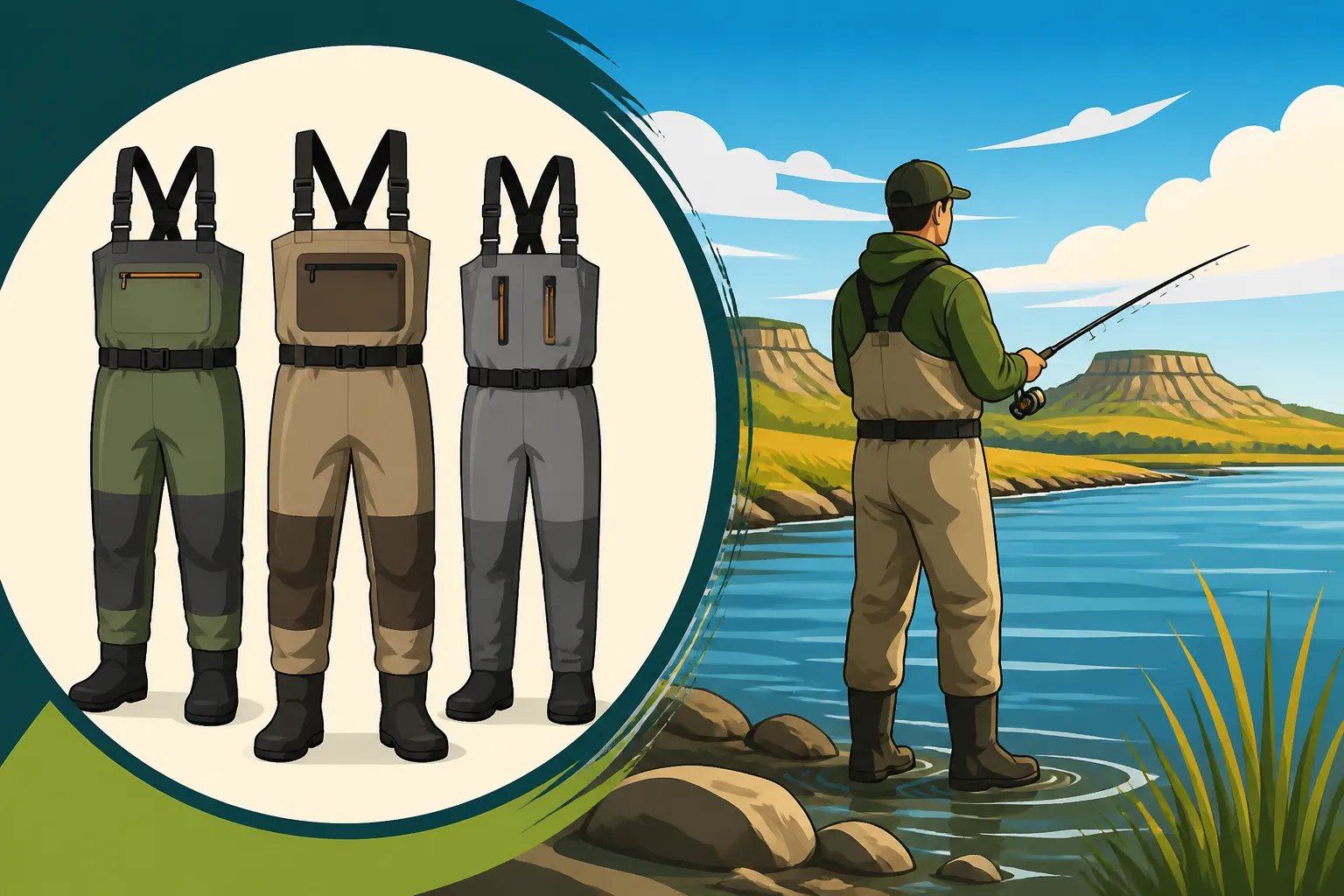
Chest Waders are by far the most popular choice for general fishing, and for good reason. As the name suggests, they come up to your chest, offering maximum protection against water. This is crucial for North Dakota fishing, where you might encounter unexpected drops in depth, or need to wade through deeper sections to get to your desired casting position. They are perfect for situations where you might be crossing a small river, wading along a lake shoreline where the depth changes abruptly, or simply want the peace of mind that comes with extra coverage. If you're planning on fishing different locations throughout the season – from the Missouri River Fishing Below Garrison Dam in North Dakota to the shores of Devils Lake Fishing Guide for North Dakota Anglers – chest waders offer the versatility you'll likely need. The downside? They can be a bit warmer in hot weather and feel a little more restrictive than hip waders.
Hip Waders, on the other hand, are essentially waterproof pants that stop at your upper thigh. They're a great choice for shallower wading, small streams, or simply keeping your legs dry when walking through dew-soaked grass or muddy banks. They're lighter, cooler, and less restrictive than chest waders, making them ideal for summer fishing in shallow creeks or when you know you won't be venturing into water much deeper than your knees. If you're primarily fishing small, clear streams or just need to step out a few feet from the bank, hip waders are a comfortable and practical option. However, their limited coverage means an unexpected slip or a misjudgment of depth can lead to a very wet situation, which is a major consideration in North Dakota's often unpredictable waters.
Material Matters: Neoprene, Breathable, and Hybrid Options
The material of your waders is perhaps the most critical factor influencing comfort, durability, and suitability for North Dakota's varied conditions. The primary choices are neoprene, breathable fabrics, or sometimes a combination.
Neoprene Waders are a staple for cold-water fishing, and they're particularly popular for spring and fall fishing in North Dakota, and even some milder ice-out conditions. Neoprene is a synthetic rubber known for its excellent insulation properties. It's the same material used in wetsuits, and it works by trapping a thin layer of water against your skin (or your layers underneath), which your body then warms. This creates a fantastic thermal barrier against cold water. These waders are incredibly durable and offer good puncture resistance. They tend to be heavier and bulkier than breathable waders, and they don't breathe at all, meaning sweat can accumulate inside during strenuous activity or warmer weather. However, for fishing during the Early Spring Walleye Techniques in North Dakota season when water temperatures are still frigid, or during brisk fall days, neoprene's warmth is unmatched. You can find robust neoprene options at places like Bass Pro Shops, where you can often compare different thicknesses.
Breathable Waders are typically made from advanced multi-layered fabrics like GORE-TEX, Toray, or similar proprietary waterproof-breathable membranes. These materials are designed to keep external water out while allowing internal moisture (sweat vapor) to escape, keeping you dry from the inside out. This makes them incredibly comfortable for active fishing, long hikes to remote spots, or during warmer summer months. They are much lighter and less bulky than neoprene waders, offering greater freedom of movement. For summer fishing on Lake Sakakawea Fishing Guide for North Dakota Anglers or the Red River of the North Fishing Guide, breathable waders are often the top choice. The key to staying warm in breathable waders during colder conditions is layering effectively underneath them. While generally more expensive than neoprene, the comfort and versatility often justify the investment, especially if you plan on fishing year-round. Reputable brands offering breathable waders are widely available through online retailers like Amazon.
Hybrid Waders attempt to combine the best of both worlds, often featuring neoprene in the lower, colder sections (like the legs and seat) for warmth and durability, with breathable fabric in the upper chest area for comfort and moisture management. These can be an excellent compromise for anglers who want a balance of warmth and breathability without buying two separate pairs of waders. They offer good versatility for those shoulder seasons in North Dakota when the air might be cool but not freezing, and the water is still chilly.
Bootfoot vs. Stockingfoot: Traction and Comfort Considerations
Once you've decided on the type and material, you'll need to consider how your feet interact with your waders. This choice impacts comfort, traction, and the overall fit of your wading system.
Bootfoot Waders have the boots permanently attached to the wader legs. This offers incredible convenience: just step in, pull them up, and you're ready to go. There’s no need for separate wading boots, which means less gear to carry and fewer wet items to dry. The integrated boot usually provides decent insulation and aggressive tread for traction. They are particularly popular for ice fishing (though typically only specialized ice fishing suits are truly bootfoot waders, standard bootfoot fishing waders are less common for true ice fishing) and general cold-weather use where warmth and ease of donning are paramount. For quick trips or when you don't want to deal with laces, bootfoot waders are a dream. However, the boots are fixed in size, so if they don't fit perfectly, comfort and stability can be compromised. They also tend to be bulkier to pack and transport. For those who prioritize convenience and warmth, especially when fishing from shore in conditions requiring minimal walking or scrambling, these are a solid choice.
Stockingfoot Waders feature neoprene "socks" instead of attached boots. This means you’ll need to purchase separate wading boots to wear over the neoprene feet. While this requires an additional investment and more gear, it offers significant advantages. Firstly, you can choose wading boots that fit your feet perfectly and provide the specific type of traction you need for North Dakota's diverse terrain – whether it's felt soles for slippery river rocks, rubber soles with aggressive lugs for muddy banks, or even studded soles for icy conditions. Secondly, separate boots generally offer better ankle support, which is a huge plus when navigating uneven river bottoms or rocky shorelines. Stockingfoot waders are also typically more packable and lighter, making them ideal for anglers who hike to their fishing spots. For serious shore anglers who value custom fit, superior traction, and support, stockingfoot waders with a quality pair of wading boots are often the preferred setup. Best Waders for Cold Shore Fishing can delve deeper into how to pair stockingfoot waders with insulated boots for maximum warmth.
Key Features to Look For in North Dakota Shore Fishing Waders
Beyond the basic type and material, several specific features can make a significant difference in the performance and longevity of your waders, especially when subjected to the demands of North Dakota's fishing environments. Investing in waders with these thoughtful details will pay dividends in comfort and durability.
Durability and Puncture Resistance: Navigating Rough Terrain
Shore fishing in North Dakota often means encountering everything from sharp rocks and thorny bushes to barbed wire fences and abrasive concrete structures at boat ramps. A flimsy pair of waders won't last long against these challenges. Durability and puncture resistance are paramount to ensuring your waders stand up to the test and keep you dry.
Look for waders made with heavy-denier fabrics, especially in high-wear areas. Many breathable waders feature multi-layer construction, with tougher outer layers designed to resist abrasion and punctures. Reinforcement in critical zones like the knees and seat is a huge plus. These areas take the most abuse from kneeling, sitting on rocks, or rubbing against rough surfaces. Manufacturers often use extra layers of fabric, thicker neoprene, or specialized abrasion-resistant panels in these spots. Pay attention to the seam construction as well; fully taped seams are standard for waterproofness, but quality stitching and seam reinforcement contribute to overall strength. Some brands, like those you might find at Bass Pro Shops, specifically highlight their proprietary durable fabrics, often with terms like "ripstop" or "bulletproof" to indicate enhanced resistance. Investing in tougher waders upfront will save you the frustration and cost of frequent repairs, allowing you to focus on the fishing rather than worrying about springing a leak.
Insulation and Layering for Extreme Temperatures
While neoprene waders inherently offer insulation, breathable waders require a strategic approach to layering, especially when dealing with North Dakota's often frigid water temperatures outside of mid-summer. Effective insulation is key to staying warm and comfortable for extended periods, preventing hypothermia in colder conditions.
For neoprene waders, the thickness of the neoprene (measured in millimeters, e.g., 3mm, 5mm) directly correlates with its insulating properties. Thicker neoprene means more warmth, but also more bulk. Choose a thickness appropriate for the coldest conditions you anticipate. For early spring or late fall fishing, 5mm neoprene is often preferred. When using breathable waders, your insulation comes from the layers you wear underneath. This is where technical base layers (moisture-wicking synthetics or merino wool), fleece pants, or even insulated bibs become crucial. The beauty of this system is its adaptability: you can add or remove layers to perfectly match the air and water temperature, as well as your activity level. Proper layering for fishing in North Dakota's colder months is an art form, and it's essential to avoid cotton, which loses its insulating properties when wet. Think about moisture-wicking materials against your skin, followed by insulating mid-layers. Our guide on What to Wear Ice Fishing in North Dakota offers excellent advice on layering that directly applies to cold-water wading.
Storage and Convenience: Pockets, Zippers, and Hanger Loops
Thoughtful design features can dramatically improve your fishing experience, making your waders not just a barrier against water, but a practical piece of fishing gear. When you're standing in the middle of a river, easily accessible storage and convenient features become invaluable.
Look for features like a large, fleece-lined hand-warmer pocket – a true luxury on cold days, preventing numb fingers that struggle with knots or bait. A waterproof internal pocket is ideal for stashing your phone, keys, or wallet, keeping them safe and dry even if you take a dunk. External chest pockets with drain holes are great for storing tackle, pliers, or extra leaders. Some waders include attachment points or D-rings for clipping on tools like nippers, retractors, or a small net, keeping essentials within easy reach. Adjustable suspenders are a must for a comfortable fit, preventing shoulder strain and allowing for easy adjustments. A wading belt is also crucial, not just for cinching the waders comfortably, but more importantly, as a safety feature to prevent water from rushing up into your waders should you accidentally fall in. Finally, integrated gravel guards (on stockingfoot waders) prevent sand and pebbles from getting into your wading boots, protecting your neoprene socks and adding to comfort. Hanger loops are a simple but essential feature for proper drying and storage, helping to maintain the waders' integrity over time. Many popular wader models available on platforms like Amazon feature these practical elements, making your time on the water more organized and enjoyable.
Wader Maintenance and Care for Longevity in Harsh Conditions
Buying a quality pair of waders is an investment, and like any good fishing gear, they need proper care to perform well and last for many seasons. North Dakota's unique environment, with its varied water conditions and temperatures, can be tough on gear. Neglecting maintenance can lead to premature leaks, unpleasant odors, and a shortened lifespan for your waders.
Cleaning and Drying: Preventing Mold and Extending Life
After a long day of fishing, it’s tempting to just toss your waders into the corner of the garage, but this is one of the quickest ways to ruin them. Proper cleaning and drying are essential for preventing mold, mildew, and general deterioration of the fabric and seams.
First, always rinse your waders thoroughly, inside and out, with fresh water after each use. Pay special attention to any muddy or silty areas. This removes dirt, algae, and any potential aquatic nuisance species you might have picked up, which is critical for preventing their spread in North Dakota's waters. For tougher grime, you can use a mild, non-detergent soap and a soft brush, but avoid harsh chemicals that can damage waterproof coatings or neoprene. Once rinsed, the most important step is to ensure they are completely dry before storage. Start by hanging them inside out in a well-ventilated area, out of direct sunlight. The sun's UV rays can degrade fabrics over time. Once the inside is dry, flip them right-side out and let them air dry again. Good air circulation is key. You might find specialty wader hangers that allow air to circulate within the leg and boot areas, or you can simply use a wide-shouldered hanger. Never put your waders in a dryer, as the heat can permanently damage the waterproof membranes and seam tape. Proper drying prevents that musty, mildew smell and keeps the fabric from breaking down.
Repairing Leaks and Tears: DIY Fixes to Save Your Trip
Even the most durable waders can suffer from a snag, a tiny pinhole leak, or a fatigued seam over time. Knowing how to quickly and effectively repair these issues can save a fishing trip and extend the life of your waders. It's often easier than you think!
The first step is locating the leak. For small pinholes in breathable waders, turn them inside out and spray the exterior with rubbing alcohol – the alcohol will darken or leave a wet spot on the inside where the leak is. For larger leaks or neoprene waders, you can fill them with water and look for drips, or submerge them in a bathtub and watch for bubbles. Once you’ve found the leak, a good repair kit is your best friend. Most kits include flexible repair patches, seam sealer, and sometimes adhesive. For breathable waders, clean the area thoroughly, apply a small dab of Aquaseal or a similar flexible urethane adhesive over the pinhole, and let it cure completely. For tears, you might use a patch on the inside and then seal the edges. Neoprene waders can be repaired with specific neoprene cement and often a patch. Many reputable brands offer wader repair kits, often available at outdoor retailers like Bass Pro Shops or through online platforms like Amazon. Don't be afraid to tackle minor repairs yourself; a little care can turn a leaky wader back into a reliable companion.
Proper Storage: Keeping Your Waders Ready for Action
How you store your waders when not in use significantly impacts their lifespan. Improper storage can lead to cracks in neoprene, creasing of breathable membranes, and weakened seams.
The ideal way to store waders is to hang them vertically in a cool, dry place, away from direct sunlight or extreme temperatures. Hanging them prevents permanent creases, especially in breathable waders, which can weaken the waterproof membrane over time. Use a broad-shouldered hanger that supports the weight evenly, or special wader hangers designed to keep them fully extended. If hanging isn't an option, gently roll them rather than folding them, to avoid sharp creases. For bootfoot waders, ensure the boots are completely dry inside before storing to prevent mildew. Avoid storing them in plastic bags or airtight containers, as this can trap moisture and encourage mold growth. Keeping them in a garage or shed is fine, as long as it's not subject to extreme heat or cold fluctuations, which can degrade the materials. Regularly checking your waders before the season starts, as outlined in How to Winterize Fishing Gear After the Season, can ensure they're ready for action and any minor repairs can be made proactively.
Choosing Waders for Specific North Dakota Fishing Scenarios
North Dakota's fishing seasons bring a wide range of conditions, from icy spring meltwaters to warm summer rivers and brisk fall lake shores. The "best" wader isn't just about general quality; it's about matching your gear to the specific challenges of each season and fishing scenario. Tailoring your wader choice can significantly enhance your comfort and effectiveness on the water.
Spring Thaw and Early Season Fishing
The spring thaw in North Dakota is a magical time for anglers, as fish become active after the long winter, but it's also when water temperatures are at their absolute coldest. Ice-out can occur in March or April, but the water itself remains frigid, sometimes barely above freezing for weeks. Standing in this cold water for any length of time requires serious insulation.
For spring thaw and early season fishing, neoprene chest waders are your absolute best friend. Look for a thickness of at least 5mm, which provides superior thermal protection. The robust nature of neoprene also offers decent protection against sharp ice shards or rough debris that might be present in the water during the melt. Paired with insulated socks and sturdy, grippy boots (if using stockingfoot), they create a warm, waterproof cocoon. You'll want to focus on good traction, too, as riverbanks and shorelines can be muddy and slippery during this time. Rubber lug soles on wading boots are excellent for digging into soft earth, while felt soles might be better for rocky river bottoms, though they can track mud easily. Breathable waders can work, but they would require extremely aggressive layering underneath, including heavy fleece or even insulated bibs, making them potentially bulky and less practical for wading into truly cold water. For Early Spring Walleye Techniques in North Dakota, staying warm is crucial, as you'll likely be spending extended periods scouting for fish in shallow, accessible areas.
Summer River and Lake Shore Fishing
As North Dakota transitions into summer, air and water temperatures rise significantly, making warmth less of a concern and breathability much more important. While the water may still be cool in deeper lakes like Sakakawea, shallow rivers and lake shores can warm up considerably. This is when comfort and freedom of movement become paramount.
For summer river and lake shore fishing, breathable chest waders are typically the preferred choice. Their lightweight construction and ability to vent perspiration prevent you from overheating and becoming clammy, even during active fishing or longer hikes to your chosen spot. Paired with lightweight, quick-drying base layers, they provide excellent protection without the bulk or heat retention of neoprene. If you're only venturing into very shallow waters, hip waders made from breathable materials can also be a fantastic option, offering even greater freedom of movement and less heat build-up. For instance, when casting for smallmouth bass along the rocky shorelines of Lake Audubon Smallmouth Bass Fishing, where you might only be wading knee-deep, hip waders keep you dry without encumbering you. Focus on good, aggressive rubber-soled wading boots for traction on slippery rocks and mud. Lightweight stockingfoot waders are highly versatile for summer, allowing you to pair them with summer-specific wading boots.
Fall and Late Season Wading
Fall fishing in North Dakota is renowned for its trophy opportunities, especially for walleye and northern pike, as fish feed aggressively before winter. However, fall weather can be highly unpredictable, ranging from mild, sunny days to cold, windy, and even snowy conditions. Water temperatures drop steadily through the season.
For fall and late season wading, versatility is key. This is often where hybrid waders shine, offering a balance of warmth and breathability. If you anticipate truly cold water, or if you plan to extend your season into late November, neoprene chest waders (5mm) will again provide the necessary insulation. However, many anglers prefer breathable chest waders combined with a robust layering system. You can start with lighter layers on warmer fall days and add significant insulation – such as thick fleece pants or even insulated bibs – as the temperatures drop. This layering strategy allows you to adapt to the variable conditions of fall. Strong wading boots with good ankle support are crucial, as banks can be slippery with fallen leaves and early frosts, and river bottoms can be treacherous. Consider using wading boots with rubber soles that can accept studs for extra grip on icy rocks or muddy slopes. Checking the Best Time of Year to Fish in North Dakota will highlight how varied the conditions can be in autumn, underscoring the need for adaptable wader choices.
Wader Comparison Chart for North Dakota Anglers
Choosing the right waders depends heavily on the specific conditions you'll face. Here's a quick comparison of popular wader types and materials, highlighting their pros and cons for North Dakota fishing.
| Feature | Neoprene Chest Waders | Breathable Chest Waders | Hip Waders (Breathable or Light Neoprene) |
|---|---|---|---|
| Primary Material | Neoprene (e.g., 3mm, 5mm thick) | GORE-TEX, Toray, other multi-layer fabrics | Lightweight neoprene, breathable fabrics |
| Insulation | Excellent, ideal for cold water | Minimal; relies on layering underneath | Minimal; generally for warmer, shallow water |
| Breathability | Poor; can cause internal sweat in warm weather | Excellent; allows sweat to escape | Good (if breathable material); less restrictive |
| Durability | Very good; often puncture-resistant | Good; often reinforced in key areas, can be snagged | Good for intended shallow use |
| Flexibility | Good, but can feel bulky | Excellent; very lightweight and flexible | Best for mobility, least restrictive |
| Best ND Use Cases | Early spring, late fall, ice-out, cold rivers | Summer, active fishing, long hikes, variable temps | Small streams, very shallow lake wading, hot days |
| Pros | Superior warmth, durable, buoyant | Comfortable, versatile (with layering), lightweight | Cool, easy to put on/take off, great mobility |
| Cons | Can be hot in summer, less breathable | Requires proper layering for cold, often pricier | Limited depth protection, less overall coverage |
| Typical Cost | Moderate to high | High to very high | Low to moderate |
Disclaimer
This article is for general informational purposes only and does not constitute professional advice. Laws, prices and regulations vary by location and change over time. Consult a qualified professional for guidance on your specific situation.