Devils Lake Ice Fishing Access Points
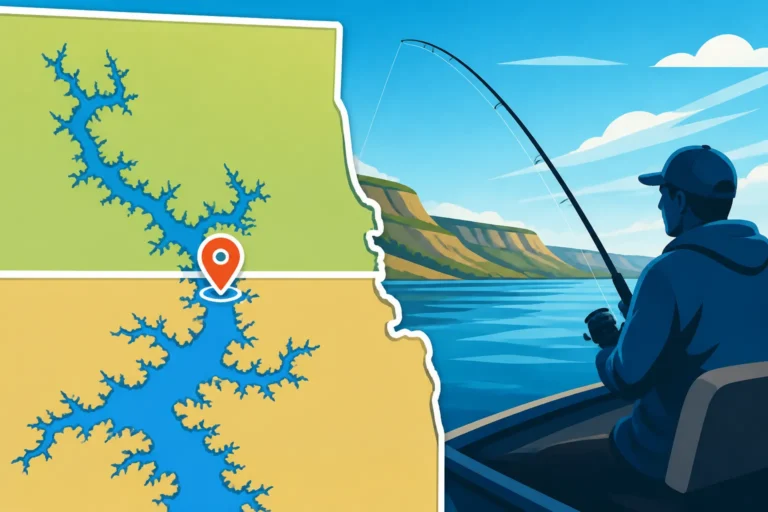
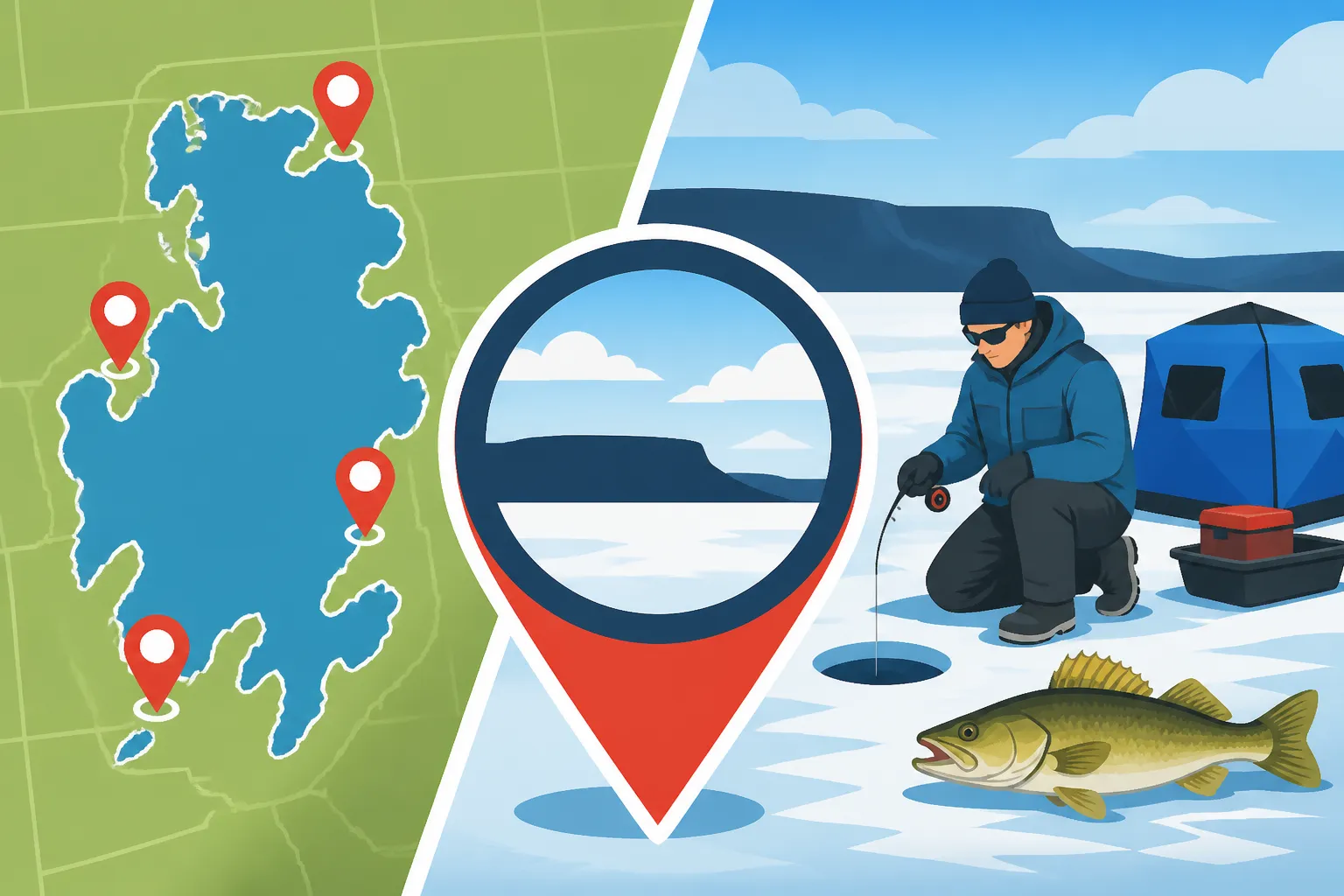
Navigating the vast, ever-changing landscape of Devils Lake for ice fishing can feel like trying to find a needle in a haystack, especially when you're looking for reliable access points after a fresh snowfall or during uncertain ice conditions. Anglers often struggle with knowing which bays are safe, which ramps are plowed, and where to set up for the best bite without trespassing or getting stuck. This comprehensive guide is dedicated to unraveling the mystery of Devils Lake's ice fishing access, providing you with detailed insights into the most popular, productive, and practical entry points across this legendary North Dakota fishery, helping you spend less time searching and more time fishing.
Understanding Devils Lake's Unique Ice Fishing Challenges
Devils Lake isn't just any body of water; it's a dynamic, sprawling inland sea with an ever-shifting shoreline and a complex history of rising water levels. This unique character makes finding consistent and safe ice fishing access a particular challenge, often requiring local knowledge and a good dose of adaptability. For those unfamiliar with its quirks, it can be downright intimidating.
The Dynamic Nature of Water Levels and Shorelines
One of the biggest hurdles when ice fishing Devils Lake is its famously fluctuating water levels. Over decades, the lake has expanded dramatically, swallowing roads, fields, and even entire towns. While the water levels have stabilized in recent years, the previous expansions mean that many traditional access points might now be underwater, or new, less obvious ones have emerged. What was a dry access road last season might be a submerged, treacherous entry point this year. This constant change means relying on outdated information can be risky. You might drive to a spot only to find a flooded field, or a once-easy entry is now blocked by new timber or eroded banks. This dynamic landscape keeps anglers on their toes, demanding current intel and an adventurous spirit to explore new opportunities. It's a prime example of why checking local conditions, perhaps through services like Devils Lake Fishing Guide for North Dakota Anglers, is absolutely paramount before heading out.
Navigating Expansive and Often Unmarked Terrain
Devils Lake is massive, covering hundreds of thousands of acres. Even with a GPS, the sheer scale of the lake, combined with its numerous bays, points, and flooded timber, can make navigation a daunting task, especially under a blanket of snow. Many of the most productive fishing grounds are not directly adjacent to well-marked public access points. Instead, they require traversing long stretches of often unmarked lake ice, sometimes through areas of flooded trees that can hide hazards. The vastness means that what looks like a short drive across the ice on a map could be a significant journey, requiring careful consideration of fuel, vehicle capability, and emergency preparedness. It’s easy to get disoriented, especially during whiteout conditions or after dark, so a reliable GPS and a detailed understanding of your intended route are non-negotiable. Don't assume that because you see other tracks, they lead to solid ice or the fish you're targeting.
Ice Safety and Changing Conditions
Devils Lake, like any large body of water, presents inherent ice safety challenges. Its size and numerous currents mean that ice formation can be inconsistent, with varying thicknesses even within short distances. Factors like spring-fed areas, submerged river channels, and points exposed to wind can lead to dangerously thin ice, even when other areas boast solid footings. The lake's characteristic "flooded timber" areas, while excellent fish habitat, also pose significant risks, as logs and trees can hold heat, melting the ice around them and creating weak spots. Additionally, the weather in North Dakota can turn on a dime, with sudden temperature drops or rises impacting ice stability. It's not uncommon for what was safe ice one day to become slushy or compromised the next. Always follow best practices like those outlined in a Drilling Safe Ice Thickness Guide and never take unnecessary risks.
Popular and Reliable Eastern Access Points
The eastern side of Devils Lake is often the first to freeze and typically offers some of the most consistent and accessible ice fishing. This area boasts established infrastructure and services, making it a popular choice for both seasoned veterans and those new to the lake. Many anglers begin their Devils Lake ice fishing journey here due to the relatively straightforward access and strong fishing opportunities.
Grahams Island State Park: A Hub for Anglers
Grahams Island State Park is arguably the most well-known and utilized ice fishing access point on Devils Lake, and for good reason. Located on a large island connected to the mainland by a paved causeway, it provides excellent, consistently maintained access to some of the lake's most productive waters. The park typically keeps its boat ramp and surrounding areas plowed, offering a wide, stable entry point onto the ice. This makes it ideal for anglers with larger portable ice houses, wheeled vehicles, or those towing gear.
The park's location provides direct access to the main lake basin, as well as proximity to areas like Grahams Island Bay and the deeper structure that holds fish. Walleye and jumbo perch are common targets here, often found near submerged points and old roadbeds that are now underwater. The convenience of a state park means amenities like warming houses (check for seasonal availability), restrooms, and often a park ranger presence, which can be reassuring, especially during severe weather. For those seeking guided experiences, many local outfits, including those listed on platforms like FishingBooker, often launch from or meet clients at Grahams Island due to its reliability and central location. It’s a great starting point for those looking to explore Devils Lake Perch Fishing Spots or target trophy walleye.
Six Mile Bay and East Bay Entry Points
Moving further east, Six Mile Bay and East Bay offer additional, albeit sometimes more varied, access points. These areas are characterized by shallower, more protected waters that tend to freeze earlier and hold ice longer than the main lake basin. While not always as formally maintained as Grahams Island, several public and private access points dot their shorelines.
Six Mile Bay: This large bay, south of the city of Devils Lake, is a perennial favorite for perch and northern pike. Access often involves driving onto the ice from roadside pull-offs or through private resorts and bait shops that charge a small fee for plowed roads. The fishing can be phenomenal in Six Mile, particularly during early and late ice periods. Be aware that specific access points can change from year to year, depending on private landowner decisions and ice conditions. It's crucial to look for "Ice Access" signs and respect private property. These bays also tend to have flooded timber, which offers excellent habitat but requires careful navigation, as covered in topics like Devils Lake Flooded Timber Fishing Spots.
East Bay: Located on the easternmost edge of the main lake, East Bay offers similar opportunities. Access here can be found off various county roads, often leading to less formal, but still functional, ice ramps. Anglers targeting walleye and pike often find success in East Bay, especially around the submerged rock piles and gradual drop-offs. Always check with local bait shops or online forums for the most current information on which access points are open and safe for vehicle traffic. The protection these bays offer from the brutal winds that sweep across the main lake can make for a much more comfortable day of fishing, particularly when setting up an Setting Up an Ice Fishing Shelter.
Spirit Lake Casino & Resort Access
For anglers staying on the southern shore of Devils Lake, the Spirit Lake Casino & Resort offers a unique and well-maintained access point. While primarily a resort and casino, they understand the draw of the lake and often provide plowed access onto the ice for their guests and sometimes for a fee for others. This can be a significant advantage, as their access is typically well-groomed and convenient.
This location gives anglers direct access to the deeper waters near the southern shore, which can be excellent for larger walleye and perch. The convenience of having lodging, dining, and other amenities close by is a major plus, especially during multi-day ice fishing trips. Always confirm their specific ice access policies and any associated fees directly with the resort. Utilizing resort access often means you're entering the ice in a known, maintained area, which can provide an added layer of safety and peace of mind compared to venturing onto less-traveled spots. Plus, it's a great spot to get warm and grab a bite after a cold day on the ice.
Key Central Devils Lake Access Points
As you move westward into the central portions of Devils Lake, the landscape changes, offering a different set of challenges and rewards. These access points often lead to vast, open basins, flooded structure, and diverse fishing opportunities, appealing to anglers looking for variety and potentially bigger fish.
Creel Bay and Minnewaukan Area Access
Creel Bay, located directly south of the city of Devils Lake, and the broader Minnewaukan area further west, represent some of the most dynamic central access points. Creel Bay is a large, deep bay known for its excellent walleye fishing and good perch populations. Access here is often facilitated by local bait shops and guide services that maintain plowed roads onto the ice. These businesses often provide the latest fishing reports and ice conditions, which are invaluable for navigating this busy area.
Minnewaukan: Further west, the Minnewaukan area provides access to some of the deepest and most expansive parts of the lake. This region can be exceptional for trophy walleye and large northern pike, especially during the peak of winter. Access here can be more spread out, with various public and private entry points. Some of these are less developed, requiring a bit more caution when driving onto the ice. This area is known for its structure, including submerged roads and old farmsteads, making it a prime location for those employing advanced techniques like Jigging for Walleye on Lake Sakakawea (which can be adapted for Devils Lake). Always be mindful of ice conditions, as these larger, deeper areas can be slower to freeze and more prone to pressure cracks.
Black Tiger Bay and Its Hidden Gems
Black Tiger Bay, nestled on the western side of the main body of Devils Lake, is a favorite among many hardcore ice anglers. This bay is known for its incredible structure, including extensive flooded timber and deep holes that hold large numbers of walleye, perch, and pike. The name itself hints at its reputation for producing some truly impressive fish.
Access to Black Tiger Bay often involves navigating county roads off Highway 19. While there are some public access points, many anglers utilize private landowners or bait shops for plowed access, often for a fee. The key to fishing Black Tiger is understanding its complex underwater topography. The flooded trees offer both refuge for fish and potential hazards for anglers. While they provide excellent cover for fish, they can also make driving on the ice tricky and create areas of weaker ice around their trunks. The rewards, however, can be substantial, with consistent catches of quality fish throughout the winter. It’s an area where patience and a good fish finder (like those discussed in Ice Fishing Electronics and Fish Finders) are particularly beneficial for locating schools amidst the structure.
Mission Bay and Fort Totten Opportunities
Situated on the southern side of Devils Lake, near the Fort Totten Indian Reservation, Mission Bay offers distinct ice fishing opportunities. This area is characterized by its relatively protected waters and proximity to the main lake basin. Access here often involves working with the Spirit Lake Nation, as much of the surrounding land falls within their jurisdiction. It's critical to understand and respect tribal fishing rules, which may differ slightly from state regulations. Information on this can often be found by searching for Fishing Rules on North Dakota Tribal Waters.
Mission Bay itself can be excellent for perch and walleye, especially during periods of stable ice. Its depths and varied structure provide ample habitat. There are often informal access points along the shore, but again, seeking local guidance from bait shops or fishing reports regarding specific access is recommended. The Fort Totten area overall offers a blend of public and private access, but anglers must be vigilant about respecting private land boundaries and any tribal regulations that might apply. The scenic backdrop of the Fort Totten historic site adds a unique cultural element to the ice fishing experience in this part of the lake.
Western Devils Lake Access and Remote Spots
For those seeking solitude, adventure, and the chance to escape the crowds, the western reaches of Devils Lake hold immense appeal. This side of the lake is generally less developed, with more rugged access, but it can reward anglers with truly spectacular fishing and a profound sense of wilderness.
Stump Lake Connection and Western Bays
The connection between Devils Lake and Stump Lake, located to the west, represents a unique and often highly productive fishery. As Devils Lake expanded, it eventually merged with Stump Lake, creating a vast, interconnected system. Stump Lake itself is known for producing giant walleye and northern pike, and the channel connecting the two lakes can be a hotspot, especially during periods of fish movement.
Access to this western nexus can be found around the towns of Tolna and Pekin. These areas typically offer less formal access, often relying on local residents or landowners to plow paths onto the ice. The advantage here is less pressure and the chance to target larger, less educated fish. However, the remoteness also means fewer services, so come prepared with all your gear, food, and emergency supplies. Conditions can be more extreme on the western, more exposed areas, demanding even greater attention to Early Ice Fishing Safety Tips and thorough preparation. Fishing here often feels like a true backcountry experience, where the rewards can match the effort.
Big Fish Bay and Channel Access
Big Fish Bay, situated in the far western arm of Devils Lake, lives up to its name, especially for those targeting trophy northern pike and robust walleye. This bay is part of the newer expansions of the lake, encompassing flooded farmlands and significant timber, creating a complex and incredibly fertile ecosystem.
Access points around Big Fish Bay are typically less established and might require driving across unpaved roads or gaining permission from private landowners. The key to success here often lies in mobility and exploration. Anglers with snowmobiles or tracked ATVs often fare best, allowing them to cover more ground and reach less-pressured areas. The flooded timber can be dense, so careful navigation is essential, and an Ice Fishing Auger Techniques article can give you tips on drilling through various ice conditions you might encounter here. The fishing can be phenomenal, but it’s an area that demands self-sufficiency and a good understanding of ice safety, as assistance might be further away.
The Challenges of Untamed Western Shorelines
The untamed nature of Devils Lake's western shorelines presents both an allure and a series of distinct challenges. Unlike the more developed eastern and central areas, here you'll find fewer maintained roads, limited services, and often, more extreme weather exposure. Anglers venturing into these remote spots must be entirely self-reliant.
Access often involves navigating unplowed county roads that dead-end at the lake, or seeking out informal points that locals use. It's crucial to understand that what looks like a simple path on a map might be impassable in deep snow or after heavy rains (before ice-up, of course). Vehicle choice is paramount; 4×4 trucks with good ground clearance are highly recommended, and even then, getting stuck is a real possibility. This is where a reliable guiding service, perhaps one found through FishingBooker, could be invaluable, as they possess the local knowledge and specialized equipment to safely navigate these areas. While the remoteness can mean phenomenal fishing away from the crowds, it also means you're largely on your own, making preparedness for emergencies, like breakdowns or sudden weather changes, even more critical. Always tell someone your plans, expected return time, and exact location when exploring these less-traveled areas.
Practical Considerations for Ice Fishing Access
Beyond just knowing where to go, successful ice fishing on Devils Lake hinges on a host of practical considerations that can make or break your trip. From the gear you bring to how you approach local resources, being prepared is key to a safe and productive outing.
Essential Gear for Navigating Access Points
Your choice of gear for navigating Devils Lake's access points is almost as important as your fishing tackle. Given the potentially vast distances, variable ice conditions, and harsh North Dakota winters, having the right equipment is non-negotiable.
Vehicles: A reliable 4×4 truck or SUV is often preferred for driving on the ice. Ensure your vehicle is well-maintained, with good tires, and carries essential recovery gear like tow straps, shovels, and jumper cables. Some anglers opt for snowmobiles or tracked ATVs, which offer superior mobility in deep snow and over rough ice, especially for accessing those more remote western bays. Always adhere to North Dakota's Ice Fishing Shelter Rules on North Dakota Lakes regarding vehicle weight and speed limits on the ice.
Portable Shelters and Sleds: Dragging your gear across slush or snow is tough. A good quality ice fishing sled is essential for hauling your auger, rods, bait, and a portable ice shelter. For those who move frequently, a flip-over style shelter combined with a sled provides quick setup and maximum mobility. Given the notorious Devils Lake winds, a robust, wind-resistant shelter is a must, perhaps something like those reviewed in "Best Portable Ice Shelters for Wind."
Safety Gear: Beyond your fishing equipment, always carry ice picks, a spud bar (for checking ice thickness), a whistle, a charged cell phone, and a first-aid kit. Consider a throw rope if you're venturing far from shore. Layered clothing, insulated boots, and proper headwear are crucial to prevent frostbite and hypothermia in the brutal North Dakota cold. Remember, understanding How to Ice Fish in North Dakota starts with safety.
Local Resources and Conditions Reports
In a lake as dynamic as Devils Lake, up-to-the-minute information is your most valuable asset. Relying solely on historical data can be a recipe for disappointment, or worse, danger.
Bait Shops: Local bait and tackle shops around Devils Lake are absolute goldmines of information. Places like Ed's Bait Shop, Lake Region Sports, or the bait shop at Grahams Island State Park are staffed by experienced anglers who live and breathe Devils Lake fishing. They often have real-time reports on ice thickness, which access points are plowed and safe, and where the fish are biting. They can tell you about recent pressure cracks, areas of slush, or changes in access rules. Don't be shy about asking questions when you pick up your bait; their advice is often priceless.
Online Forums and Social Media: Dedicated North Dakota fishing forums, Facebook groups, and local wildlife agency websites often feature current fishing reports and ice condition updates. These platforms allow anglers to share their experiences and observations, giving you a broader picture of conditions across the lake. Websites like the North Dakota Game and Fish Department also provide crucial official updates regarding regulations, closures, and advisories, including When Must Ice Shelters Be Removed From North Dakota Lakes? and other important dates.
Guide Services: If you're new to Devils Lake or want to maximize your chances of success, hiring a local guide is an excellent investment. Guides, often found through services like FishingBooker, possess an intimate knowledge of the lake's ever-changing landscape and can navigate directly to productive and safe areas. They provide insights into specific fishing techniques, hotspots, and, most importantly, the safest access points on any given day.
Respecting Private Land and Public Access Rules
Devils Lake's expansion has blurred many property lines, making the distinction between public and private land particularly tricky. Many prime fishing spots are accessed by crossing private property, often farm fields or undeveloped land.
Always Seek Permission: Never assume you have the right to cross private land. If an access point goes through private property, always seek permission from the landowner. Many farmers and residents are amenable to allowing access, especially if you ask politely and demonstrate respect for their land. Some may charge a small fee for plowed access, which helps them maintain the roads – a small price to pay for safe entry. Ignoring these rules not only risks legal penalties, such as those related to Penalties for Fishing Without a License in North Dakota if caught trespassing, but also jeopardizes future access for all anglers.
Stay on Designated Paths: If a landowner grants permission or a public access point is clearly marked, stick to the designated paths. Driving off-road can damage crops, create ruts, and lead to confrontations. This is especially true during freeze-thaw cycles when fields can be particularly vulnerable to damage.
Leave No Trace: Always pack out everything you pack in. This includes bait containers, fishing line, food wrappers, and any other trash. Leaving a clean access point helps maintain good relationships with landowners and ensures that these valuable entry points remain open for years to come. Furthermore, if you're using an ice house, be mindful of specific regulations, such as those covered in North Dakota Ice Fishing Rules. By being a responsible angler, you contribute to the sustainability of the fishery and the preservation of access for everyone.
| Access Point | Primary Fish Species | Key Features | Proximity to Services | Ideal For |
|---|---|---|---|---|
| Grahams Island State Park | Walleye, Perch, Pike | Plowed access, amenities, central location | Good (State Park facilities) | Families, first-timers, larger groups, diverse fishing |
| Six Mile Bay | Perch, Pike | Shallow, protected, early/late ice, flooded timber | Limited/Medium | Perch specialists, pike hunters, early/late season |
| East Bay | Walleye, Pike | Deeper structure, protected, good for trolling | Limited | Walleye anglers, less crowded experience |
| Spirit Lake Casino & Resort | Walleye, Perch | Maintained access, resort amenities | Excellent | Convenient stays, comfortable access, night fishing |
| Creel Bay | Walleye, Perch, Pike | Deep water, consistent fishing, bait shops | Good (Near Devils Lake City) | Consistent action, local knowledge |
| Black Tiger Bay | Walleye, Pike, Perch | Extensive structure, flooded timber, big fish | Limited | Experienced anglers, structure fishing, trophy hunt |
| Minnewaukan Area | Walleye, Pike | Expansive water, deep holes | Limited | Mobile anglers, exploring new water |
| Stump Lake Connection (Tolna/Pekin) | Walleye, Pike | Trophy fish potential, remote, less pressure | Minimal | Adventurous anglers, solitude, big fish |
| Big Fish Bay | Pike, Walleye | Flooded timber, remote, challenging access | Minimal | Hardcore anglers, snowmobile/ATV access |
Disclaimer
Please be aware that fishing regulations, ice conditions, and access points can change frequently. Always consult the official North Dakota Game and Fish Department regulations before heading out. Exercise extreme caution on the ice and prioritize safety above all else. This guide is for informational purposes only and does not guarantee ice safety or access.