Best Time of Year to Fish in North Dakota
Trying to figure out the absolute best time to hit the water in North Dakota can feel a bit overwhelming, can't it? With our four distinct seasons, each offering unique opportunities, it's easy to wonder if you're missing out by fishing at the "wrong" time. This comprehensive guide is here to unravel those mysteries, helping you understand the seasonal patterns and prime windows for landing your dream catch, no matter the species or conditions.
Understanding North Dakota's Fishing Seasons
North Dakota’s fishing seasons are truly a dynamic dance between Mother Nature and the fish species that call our waters home. Unlike some states where fishing can be more consistent year-round, our extreme temperature swings dictate dramatic shifts in fish behavior, location, and feeding habits. It's not just about what month it is; it’s about understanding the subtle changes in water temperature, ice cover, and even the local weather patterns that can make or break a day on the lake or river.
The Impact of North Dakota's Climate on Fish Behavior
Our climate, characterized by brutal cold winters and often hot, windy summers, fundamentally shapes the fishing experience. When ice covers our lakes for several months, fish activity generally slows down, yet it offers unique opportunities for specialized ice fishing techniques. Conversely, the summer heat pushes some species deeper while others thrive in the warmer shallows. Spring and fall are transitional periods, often creating some of the most exciting, yet sometimes unpredictable, bites as fish react to rapidly changing conditions. Think of it like this: fish are constantly adjusting their metabolism and location based on comfort and food availability, and our extreme climate forces them to make some pretty significant moves throughout the year.
The amount of sunlight, which changes drastically from short winter days to long summer evenings, also plays a crucial role. Shorter days in fall trigger a feeding frenzy, as fish instinctively know winter is coming and they need to bulk up. Longer days in spring bring warmer water, prompting spawns and new growth. Understanding these natural rhythms is key to unlocking consistent success. It’s not just about throwing a line in; it’s about timing your efforts with these natural cycles.
General Overview of Seasonal Fishing Opportunities
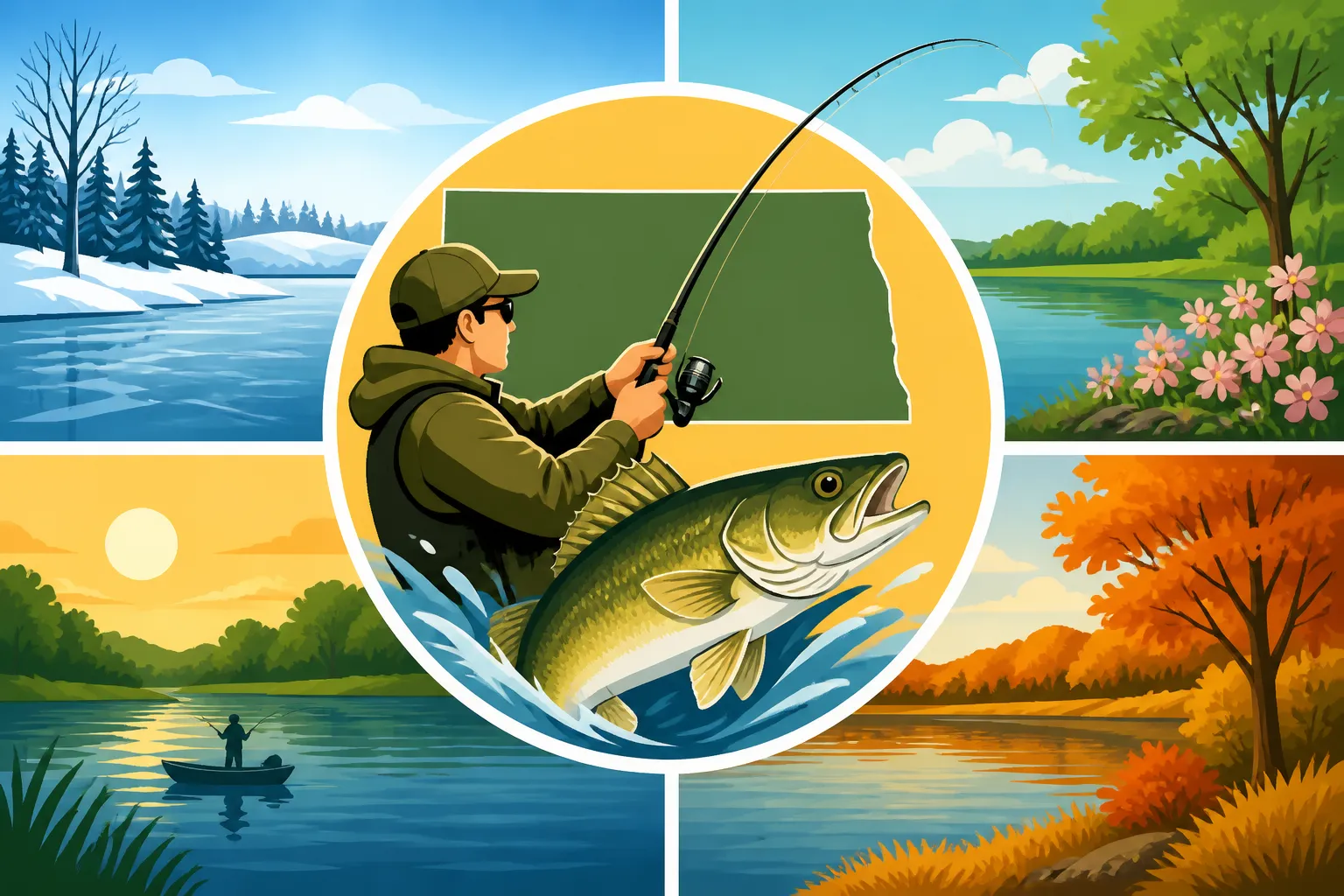
Each season in North Dakota offers a distinct flavor of fishing, from the solitude of ice fishing to the lively action of summer boating.
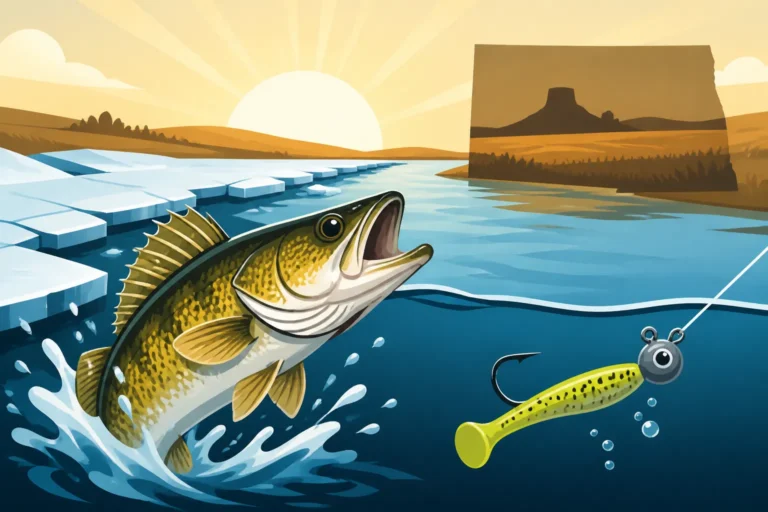
- Spring: This is the season of renewal, often marked by the much-anticipated "ice-out." As the ice recedes, waters begin to warm, triggering fish to become more active. Walleye, northern pike, and perch start moving into shallower areas, preparing for or recovering from their spawn. It can be a fantastic time for aggressive bites, though spring weather can be notoriously fickle, throwing everything from snow to sunshine at you in a single day. Many anglers consider the period immediately following ice-out to be one of the best for a trophy walleye.
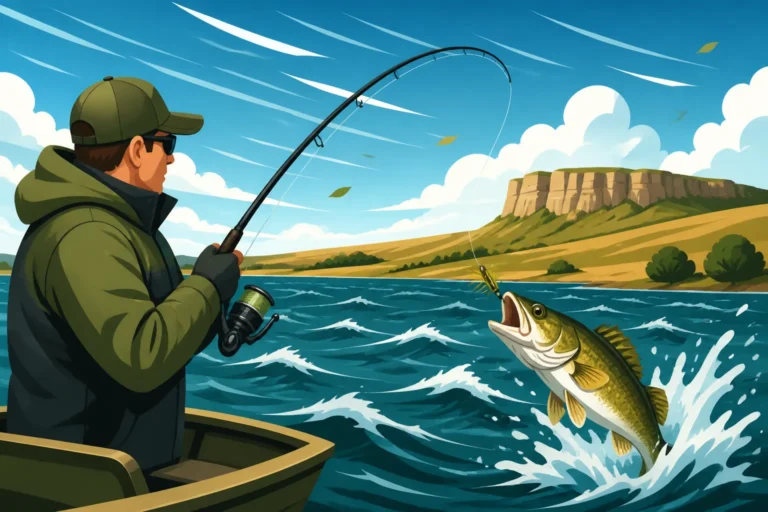
- Summer: When the temperatures rise, so does the general activity on the lakes. While some species might head for deeper, cooler water during the heat of the day, early mornings, evenings, and even night fishing can be incredibly productive. This is prime time for species like channel catfish, smallmouth bass, and many panfish. Trolling for walleye on big water like Lake Sakakawea also becomes a dominant strategy as they follow baitfish schools. The sheer variety of fish available and the pleasant weather make summer incredibly popular, especially for family outings and extended trips.
- Fall: As summer fades, water temperatures begin to drop, signaling another major shift in fish behavior. Fall is often touted as one of the best times for trophy fish across many species. Walleye and northern pike go on aggressive feeding binges, bulking up for winter. Perch schools can become incredibly active, and the cooler, crisper air makes for incredibly comfortable fishing days. The vibrant colors of the landscape just add to the allure. This pre-ice period is one of the most exciting for many seasoned North Dakota anglers.
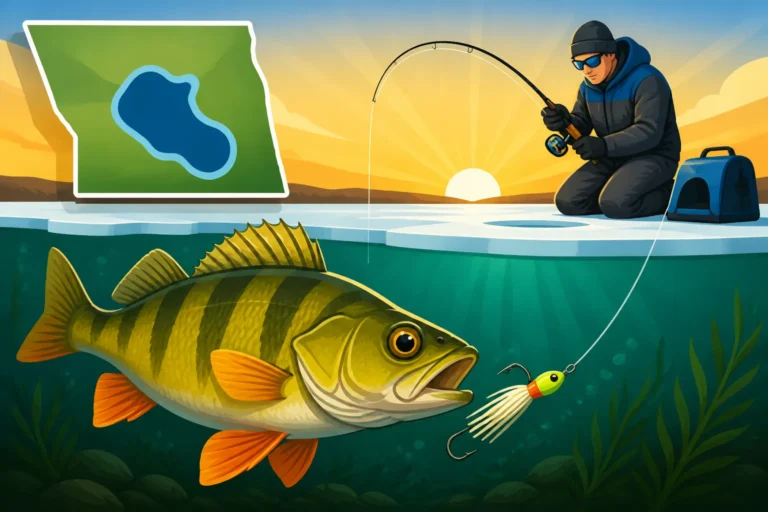
- Winter: Once the lakes freeze over, a whole new world of angling opens up: ice fishing. North Dakota is renowned for its ice fishing opportunities, particularly for walleye, yellow perch, and northern pike. While it requires specialized gear and a good understanding of safety, the rewards can be immense. Early ice and late ice often provide the most consistent action, but even mid-winter can be productive if you know where to look and what techniques to use. It’s a truly unique experience, braving the elements for the thrill of the bite.
For a detailed look at the year-round possibilities, check out our guide on the North Dakota Fishing Season Calendar.
Spring Fishing: The Ice-Out Excitement
Spring is arguably one of the most dynamic fishing seasons in North Dakota. The moment that thick sheet of ice finally gives way to open water, anglers across the state feel an almost primal urge to get their lines wet. This period, from the first signs of melting ice to the full bloom of late spring, offers some truly fantastic opportunities, but it comes with its own set of challenges and nuances.
Early Spring: Post-Ice-Out and Pre-Spawn Frenzy
The earliest part of spring fishing, right after ice-out, is a magical time. The water is still cold, but the fish, especially walleye and northern pike, are starting to shake off their winter sluggishness. They’re often congregating in shallower areas, particularly northern bays or areas with darker bottom composition that absorb sunlight and warm up faster. River mouths and current breaks are also prime locations, as they offer slightly warmer water and concentrated food sources.
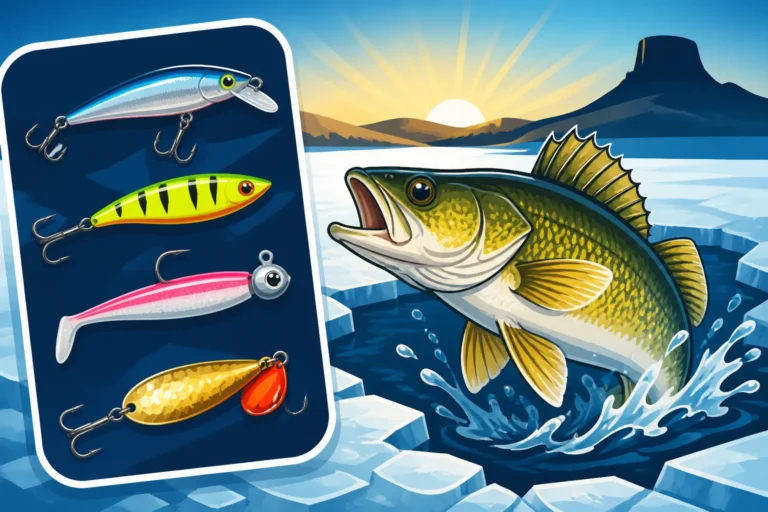
Walleye in particular will be pre-spawn or just starting their spawn, and they'll be hungry. They’re looking to pack on calories before or after expending energy for reproduction. This is when slow presentations often shine. Think about jigging with a minnow or slowly trolling shallow-running crankbaits. The fish aren't going to chase down fast-moving baits when the water is still in the low 40s. Patience is key, and understanding that their metabolism is still a bit slow means you need to put the bait right in front of them. It's not uncommon to find large numbers of fish in these areas, making for some exciting action if you hit it right. For more specific insights on these conditions, dive into our article on Early Spring Walleye Techniques in North Dakota.
Late Spring: Post-Spawn Recovery and Panfish Boom
As spring progresses into late May and early June, most game fish have completed their spawning rituals. This post-spawn phase sees walleye and pike recovering, often moving to slightly deeper edges but still remaining relatively shallow. They’ll be looking to replenish their energy, and their bite can be strong. This is also when panfish, like yellow perch, crappie, and bluegill, really start to shine.
The warming water invigorates these smaller species, and they often move into extremely shallow, weedy areas for their own spawning activities. Targeting them with small jigs, slip bobbers, or even simple worms under a bobber can lead to incredible action, making it a fantastic time for families or new anglers. Areas with flooded timber or brush piles on lakes like Devils Lake become hotspots for crappie and perch. You might also find these fish more responsive to a wider variety of baits, as their metabolism kicks into high gear. While you might be focusing on the big walleye, don’t overlook the fantastic panfish bite that late spring offers!
Summer Fishing: Warm Waters, Hot Action
Summer in North Dakota brings long days, warm sunshine, and a generally comfortable atmosphere for angling. However, the warmer water temperatures drastically change fish behavior compared to spring. Understanding these shifts is crucial for success during the peak of summer.
Peak Summer: Deep Water and Early Morning Bites
When summer hits its stride, especially during July and August, water temperatures can climb significantly, particularly in shallower lakes and bays. Many fish, especially walleye and northern pike, will seek refuge in deeper, cooler water during the hottest parts of the day. They'll often relate to structure like humps, drop-offs, and main lake points where they can ambush baitfish. This means anglers need to adjust their tactics, often employing deep-water trolling with crankbaits or bottom bouncers with spinner rigs to cover larger areas. On large bodies of water like Lake Sakakawea, this is a prime time to target suspended walleye in open water, following schools of baitfish.
However, the warm water also means fish are highly active during the cooler parts of the day. Early mornings, just after sunrise, and late evenings, as the sun dips below the horizon, often provide phenomenal bites. During these times, fish might push into shallower areas to feed under lower light conditions. Topwater lures for bass, or shallow-running crankbaits for walleye and pike, can be incredibly effective. For those who don't mind staying out late, the night bite can be exceptional, particularly for species like channel catfish on the Red River.
Summer Night Fishing and Catfish Adventures
North Dakota is home to some truly world-class channel catfish fisheries, and summer nights are arguably the best time to experience them. The Red River of the North, flowing along the eastern border, is particularly famous for its giant catfish. As the sun sets and temperatures drop, these nocturnal predators become incredibly active, moving into shallower feeding flats and river bends.
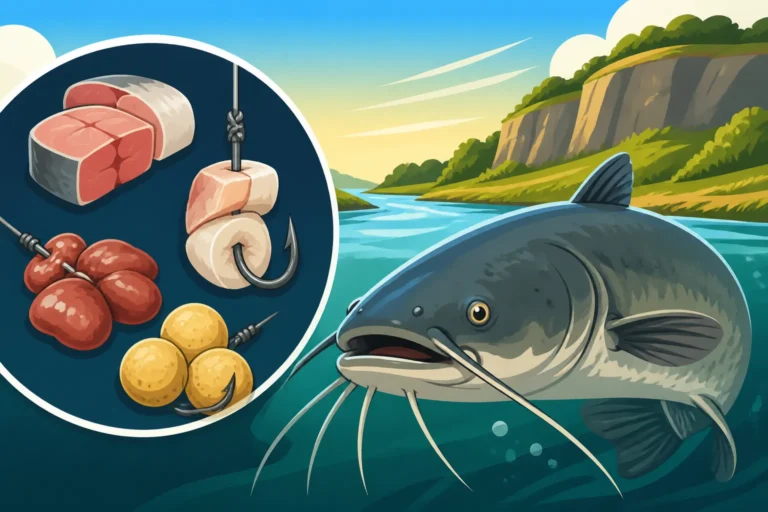
Targeting catfish at night requires a bit of preparation: a good headlamp, plenty of bait (cut bait, stink bait, or even chicken livers are popular choices), and a sturdy rod and reel setup. The atmosphere of night fishing is unique—the quiet, the stars, and the sudden, powerful strike of a big catfish can be exhilarating. Many anglers will set up camp along the riverbanks, enjoy a bonfire, and spend the night battling these strong fish. It's a completely different kind of fishing experience than daytime walleye angling, but one that offers incredible rewards and memories. Learning about Catfishing at Night in North Dakota will give you a leg up on these nocturnal giants.
Fall Fishing: The Feed Before Freeze-Up
As the golden hues of autumn begin to paint the landscape, a subtle yet significant shift occurs in North Dakota's fishing scene. Fall is a period of intense activity for many fish species, as they instinctively prepare for the long, lean months of winter. This "feed before freeze-up" can lead to some of the most memorable and successful angling trips of the year.
Early Fall: Aggressive Feeding and Trophy Opportunities
In early fall, as water temperatures start to gradually drop from their summer highs, fish respond by going on an aggressive feeding binge. This is a critical time for them to pack on fat reserves needed to survive the winter. Walleye, northern pike, and even perch become incredibly active, often chasing down baitfish with a ferocity not seen since spring. This heightened activity translates directly into fantastic fishing opportunities, particularly for those targeting trophy-sized fish.
You'll often find these fish moving from deep summer haunts to shallower, more accessible structure like main lake points, submerged humps, and weed line edges. They're not necessarily in the deepest holes anymore, but rather in areas where they can easily intercept migrating baitfish. Trolling large crankbaits, casting big spoons or spinnerbaits for pike, and jigging with larger minnows for walleye can be highly effective. The cooler air makes for very pleasant days on the water, and the fish are often much less pressured than during the peak summer months. This is often the time when anglers achieve their personal bests.
Late Fall: Cold Water Tactics Before Ice Formation
As fall gives way to late October and November, water temperatures continue to plummet, eventually reaching the point where lakes begin to skim over and then freeze. This late fall period can be challenging but incredibly rewarding for those willing to brave the colder conditions. Fish activity will slow down somewhat compared to early fall, but their drive to feed before the full ice cover remains strong.
Tactics shift to slower, more methodical presentations. Fish will often concentrate in specific areas, such as deep holes near wintering grounds or the last remaining green weed beds that still hold baitfish. Vertical jigging with spoons or heavy jigs tipped with live bait becomes a popular choice. Patience is a virtue during this time, and paying close attention to your electronics to locate schools of fish is paramount. While the bites might be fewer, the fish you do catch are often healthy, robust, and heavy with winter reserves. It's a fantastic precursor to the ice fishing season and a great way to squeeze in those last open water trips. Learn more about North Dakota Fall Fishing Guide to maximize your success in this crucial season.
Winter Fishing: Embracing the Ice
When North Dakota's lakes freeze solid, a unique and beloved angling tradition takes hold: ice fishing. Far from being a quiet, sedentary activity, modern ice fishing is a vibrant pursuit, offering incredible opportunities to connect with nature and some of the state's most sought-after fish.
Early Ice: First Opportunities and Caution
The first few weeks after a lake has safely frozen over are often considered some of the best for ice fishing. This "early ice" period, typically in December, sees fish still relatively active from their fall feeding, and they haven't yet settled into their deeper mid-winter patterns. They're often found in shallower areas, similar to late fall spots, gorging on available forage before the ice thickens and light penetration diminishes. Walleye and yellow perch can be particularly aggressive during this time.
However, early ice also demands the utmost caution. Ice conditions can vary dramatically, even on the same body of water, and thin spots are a real danger. Always check ice thickness regularly with an auger or spud bar, especially when venturing out for the first time. Four inches of clear, solid ice is generally considered safe for foot travel, but more is needed for ATVs or vehicles. Going with a buddy and sharing your plans with someone ashore are crucial safety measures. Despite the risks, the rewards of early ice fishing can be phenomenal, often producing fast action and some of the biggest fish of the winter season. For comprehensive safety measures, consult our guide on Early Ice Fishing Safety Tips.
Mid-Winter: Deeper Habits and Perch Prowess
As winter progresses into January and February, the ice cover becomes thick and stable, and fish often move to deeper, more consistent water temperatures. Their metabolism slows down considerably, making them more lethargic and harder to entice. This mid-winter period can be challenging, but it's also a fantastic time to target specific species, particularly yellow perch.
On renowned perch lakes like Devils Lake, schools of perch can be found congregated in deep basins, flooded timber, or along contours. Locating these schools with a good fish finder is paramount. Once found, "perch prowess" comes into play: using small jigs tipped with wax worms or minnow heads, and employing subtle jigging motions to trigger strikes. Walleye will also be in deeper water, often relating to main lake points or deep humps, requiring more patience and a slower presentation. Northern pike might still be found along deeper weed edges, eager to snatch a large minnow under a tip-up. While the bites might be slower, the stable ice conditions often allow for easier travel and more comfortable long days on the ice. A quality portable ice shelter and a reliable heater, which you can find plenty of options for on Amazon, makes these long days much more enjoyable.
Late Ice: Pre-Spawn Surge and Last Bites
As winter grudgingly begins to give way to spring in March, "late ice" offers a final surge of activity before the thaw. The increasing daylight and slightly warming water under the ice trigger fish to become much more active as they prepare for their spring spawn. This is a prime time for walleye and northern pike, which often move back into shallower areas that will be their spawning grounds.
Perch also become very aggressive, often feeding heavily as they sense the impending ice-out. The action can be fast and furious, with fish sometimes schooling up in incredible numbers. However, late ice also brings significant safety concerns. The ice can deteriorate rapidly from the bottom up due to warmer water and increased current, making it notoriously unpredictable. It's crucial to be vigilant about ice conditions and remove ice shelters before the mandated deadlines to avoid fines. Knowing when to call it quits and prioritizing safety over a few more fish is vital. This period offers some of the most exciting fishing of the year, but always with a keen eye on ice safety. For specific rules regarding ice structures, check out our article on Ice Fishing Shelter Rules on North Dakota Lakes.
Species-Specific Prime Times
While a general seasonal overview is helpful, serious anglers know that optimal fishing times vary considerably by species. Each fish has its own biological clock, dictated by spawning cycles, feeding habits, and temperature preferences. Focusing on these species-specific windows is key to consistent success in North Dakota.
Walleye: North Dakota's Most Prized Catch
Walleye are undoubtedly North Dakota's most popular game fish, and for good reason—they're widespread, challenging to catch, and incredibly delicious. Their prime times largely revolve around their spawning cycle and feeding behaviors.
- Spring (Post-Ice-Out/Pre-Spawn): This is arguably one of the best times for trophy walleye. As soon as the ice leaves the lake, walleye congregate in shallow bays, river mouths, and along rocky shorelines, preparing to spawn. They're often hungry and aggressive, making them susceptible to jigs tipped with minnows or slow-trolled crankbaits. The fishing can be fast and furious for a few weeks.
- Summer (Early Morning/Late Evening/Night): During the peak of summer, walleye often move to deeper structures like humps, submerged islands, and main lake points to escape the heat. Trolling with crankbaits or bottom bouncers in 15-30 feet of water becomes a dominant tactic during the day. However, they'll push shallower to feed aggressively during low-light conditions—dawn, dusk, and throughout the night.
- Fall (Aggressive Feeding): As water temperatures drop in the fall, walleye go on a major feeding binge, bulking up for winter. They can be found in shallower areas again, often along weed edges and transitional zones, where they chase baitfish. This is a fantastic time for both numbers and size, with aggressive bites on crankbaits, jigging raps, and live bait rigs.
- Winter (Early/Late Ice): On hard water, early ice offers excellent walleye action as they're still active in shallower areas. As winter progresses, they move deeper, requiring more precise presentations and the use of electronics. Late ice can also be exceptional as they stage for their spring spawn, moving back towards shallower points and structural elements. Mastering North Dakota Walleye Fishing Techniques will put more of these sought-after fish in your cooler.
Northern Pike: Voracious Predators
Northern pike are another incredibly popular species, known for their aggressive strikes and powerful fights. They are less finicky about water temperature than walleye but still exhibit distinct seasonal patterns.
- Spring (Post-Ice-Out/Pre-Spawn): Pike are among the first fish to become active after ice-out. They spawn very early in shallow, flooded vegetation, and before and after this, they are incredibly hungry. Casting large spoons, spinnerbaits, or even dead bait under a bobber in shallow bays can lead to explosive strikes.
- Summer (Weed Line Prowling): In summer, pike often relate closely to deep weed lines, submerged timber, or rocky points where they can ambush prey. Casting large spoons, inline spinners, or topwater frogs (in dense cover) can be effective. They'll also readily hit trolled crankbaits meant for walleye.
- Fall (Feeding Frenzy): Like walleye, fall is a prime time for pike, especially for large, trophy-sized specimens. They become incredibly aggressive, trying to consume as much as possible before winter. Casting large crankbaits, jerkbaits, or even dead bait rigs in shallower weed beds and along drop-offs can be highly productive. For more tactics, check out How to Fish for Northern Pike in North Dakota.
- Winter (Tip-Up Time): Ice fishing for northern pike is a favorite pastime. Setting up tip-ups with large dead or live bait (where legal) in shallower bays or along weed lines can yield massive pike. They often cruise these areas, making them susceptible to stationary presentations.
Yellow Perch: Panfish Perfection
Yellow perch are a delicious and abundant panfish, particularly famous in lakes like Devils Lake. They offer fast action, especially during the colder months.
- Spring (Shallow Migration): As the ice recedes, perch move into shallow bays and emerging weed beds to feed and eventually spawn. They can be caught on small jigs tipped with minnows or worms.
- Summer (Deeper Schools): In summer, perch often school up in deeper water, relating to structure or open water baitfish. They can be harder to locate but, once found, provide fast action on small jigs or crawler harnesses.
- Fall (Aggressive Schooling): Similar to walleye, fall triggers perch into an aggressive feeding pattern. They'll school up and can be found in a variety of depths, making them receptive to small spoons, jigs, or even crankbaits.
- Winter (Ice Fishing Gold): Without a doubt, winter is prime time for yellow perch. They school heavily under the ice, and while they can be challenging to locate in mid-winter, finding a school can lead to non-stop action. Small jigs tipped with wax worms, spikes, or minnow heads are deadly. Early and late ice are often the most productive. Our guide on North Dakota Yellow Perch Fishing Guide provides more detailed strategies.
Channel Catfish: Red River Royalty
North Dakota's channel catfish, especially those found in the Red River, are known for their enormous size and powerful fights.
- Spring (Warming Rivers): As river temperatures rise in spring, catfish become very active. They'll move out of their deep wintering holes and begin to feed in current breaks, log jams, and deeper bends.
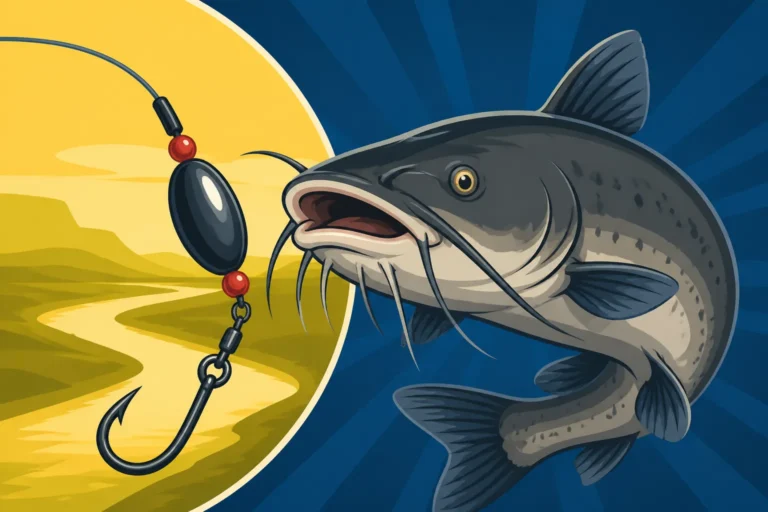
- Summer (Night Fishing Peak): Summer is the undisputed king for channel catfish, particularly at night. The warmer water and dark provide ideal conditions for these nocturnal feeders. Look for them in deeper holes, current seams, and feeding flats. Heavy tackle and strong-smelling baits like cut bait or stink bait are essential. You can often find specialty catfish rigs and baits on Amazon that are perfect for these powerful fish.
- Fall (Pre-Winter Feeding): As fall progresses, catfish continue to feed heavily to build up reserves for winter. They might start moving towards deeper holes again as temperatures drop, but they remain active until the river begins to freeze.
Chinook Salmon: Lake Sakakawea's Unique Challenge
Chinook salmon are a unique fishery in North Dakota, stocked exclusively in Lake Sakakawea. They are a pelagic species, meaning they live in the open water column, making them a specialized target.
- Summer (Deep Trolling): Salmon fishing typically kicks off in late spring but peaks in summer when they are actively chasing baitfish in the deeper, cooler parts of Lake Sakakawea. Anglers primarily target them by trolling with downriggers or Dipsy Divers, presenting spoons or flasher-and-fly combinations at specific depths.
- Fall (Pre-Spawn Run): As fall approaches, salmon begin their pre-spawn run towards the Garrison Dam, often congregating in that area before their spawning efforts. This can provide fantastic action, with salmon aggressively hitting trolled lures. This is also when they exhibit their most vibrant colors. For more on this unique species, check out our North Dakota Chinook Salmon Fishing Guide.
Factors Influencing Fishing Success Beyond the Calendar
While knowing the best time of year is a huge step, experienced anglers understand that several other critical factors can significantly influence fishing success, often trumping the calendar date. Ignoring these elements can lead to frustrating days, even during a "prime" season.
Weather Patterns and Barometric Pressure
North Dakota weather is notoriously unpredictable, and these patterns have a profound impact on fish behavior. Sudden cold fronts, warm fronts, rain, and strong winds all play a role.
- Cold Fronts: A sudden drop in temperature, especially after a period of stable weather, can shut down the bite fast. Fish often become lethargic and move to deeper, more stable water. The key here is to slow down your presentation, use smaller baits, and focus on vertical jigging or dead sticking. Don't expect aggressive chases; rather, you're trying to elicit a reaction strike or present an easy meal.
- Warm Fronts: Conversely, a warming trend, particularly after a cold spell, can really turn the fish on. As water temperatures slowly rise, fish become more active and willing to chase baits. This is often when a strong bite can develop, especially for species like walleye.
- Barometric Pressure: Fish are highly sensitive to changes in barometric pressure. A stable, high-pressure system often leads to good fishing, as fish feel comfortable and feed actively. A rapidly dropping barometer, often associated with an approaching storm, can trigger an aggressive feeding spree right before the weather hits. However, after the storm passes and the pressure stabilizes at a low point, fishing can be tough. Understanding how fish react to these pressure changes can help you predict activity levels.
- Wind: Wind can be a blessing or a curse. A moderate breeze creates a "walleye chop" that breaks up light penetration, allowing walleye to feel more secure in shallower water, and also concentrates baitfish. However, strong winds, common in North Dakota, can make boat control and casting extremely difficult. In such conditions, consider fishing sheltered bays or moving to a different lake with more protection. You can learn more about handling these conditions in our guide on Fishing in North Dakota's Windy Conditions.
Water Levels and Clarity
Water levels and clarity are constantly fluctuating in North Dakota's lakes and rivers, driven by precipitation, snowmelt, and dam operations. These factors directly influence fish location and feeding strategies.
- High Water Levels: High water, especially in spring, can flood new vegetation, creating excellent spawning and feeding habitat. Fish might move into these newly flooded areas, making them harder to find but offering new opportunities. However, high, murky water can also spread fish out, making them harder to concentrate.
- Low Water Levels: Conversely, low water levels can concentrate fish into remaining deep pockets or force them off shallow spawning grounds, sometimes delaying or impacting successful reproduction. Access to certain areas might also become difficult with low water.
- Water Clarity: Fish vision is highly adapted to the clarity of their environment. In clear water, fish are often more wary and rely heavily on sight. Lighter lines, natural colors, and subtle presentations are usually more effective. In murky or stained water, fish rely more on their lateral line (sensing vibrations) and smell. Brighter colors, noisy baits, and scented lures become more important. On the Red River, for instance, which is often turbid, scent and vibration are key for catching catfish.
Moon Phases and Solunar Tables
While perhaps not as critical as weather or water levels, many experienced anglers pay attention to moon phases and solunar tables, believing they influence fish activity.
- Moon Phases: The new moon and full moon are often cited as periods of increased fish activity. The increased gravitational pull is thought to influence tides and, in turn, fish feeding. Many anglers report better fishing around these times, with the days immediately surrounding them often being exceptional. The quarter moons are generally considered less productive.
- Solunar Tables: Solunar tables predict periods of peak fish and wildlife activity based on the positions of the sun and moon. They highlight "major" and "minor" feeding times throughout the day. While not foolproof, some anglers swear by them, adjusting their fishing schedules to coincide with these predicted peaks. It's often worth consulting a solunar calendar, which many fishing apps provide, to maximize your chances, especially during a slower bite. It's an extra layer of planning that can sometimes make all the difference, giving you an edge when the fishing is tough.
Planning Your North Dakota Fishing Trip
Putting together a successful North Dakota fishing trip involves more than just picking a date. It requires a thoughtful approach to gear, understanding the local regulations, and knowing where to go for your desired species. A little pre-planning goes a long way in ensuring a memorable and fruitful experience.
Essential Gear for Each Season
The gear you'll need varies dramatically depending on the season and the species you're targeting.
- Spring: For early spring, cold-weather apparel is still crucial, including waterproof outerwear and insulated boots. As temperatures rise, breathable layers become more important. For tackle, bring a mix of jigs (1/8 to 1/4 oz), shallow-running crankbaits, and spinnerbaits, along with live minnows. A good fish finder is always a plus for locating active fish after ice-out.
- Summer: Lightweight, breathable clothing, sunglasses, sunscreen, and bug spray are necessities. A wide-brimmed hat will offer excellent sun protection. For tackle, a wider array of lures, from deep-diving crankbaits and bottom bouncers for walleye to topwater lures for bass and heavy catfish rigs, will serve you well. Don't forget a cooler with plenty of ice to keep your catch fresh!
- Fall: Layered clothing is key, as fall mornings can be frigid and afternoons surprisingly warm. Waterproof outer layers are advisable for unexpected rain or sleet. Tackle should include larger crankbaits, spoons, and live bait rigs to capitalize on aggressive feeders.
- Winter (Ice Fishing): This is where specialized gear really shines. You'll need extreme cold-weather clothing, including insulated boots, a warm parka, bibs, and gloves. Essential ice fishing gear includes an auger (manual, gas, or electric), an ice fishing shelter, a portable heater, a flasher or fish finder, and various small jigs, spoons, and live bait. For a comprehensive list, check out our Essential Gear Checklist for North Dakota Fishing. You can often find fantastic deals on specialized ice fishing apparel and portable heaters from online retailers like Amazon.
North Dakota Fishing Regulations and Licenses
Before you even think about casting a line, ensure you understand and comply with North Dakota's fishing regulations. These rules are designed to protect our fisheries and ensure sustainable angling for future generations.
- Fishing License: Almost everyone needs a fishing license in North Dakota, with very few exceptions (e.g., specific age groups, free fishing days). Make sure you know the specific requirements for residents and non-residents, and purchase your license before heading out. Our guide on North Dakota Fishing License Guide provides all the details.
- Season Dates and Limits: Pay close attention to species-specific season dates, daily creel limits (how many fish you can keep per day), and possession limits (how many fish you can have in your possession at any given time). These can vary by water body and species. For example, walleye limits might differ on Lake Sakakawea compared to Devils Lake.
- Length Limits: Many species have minimum or slot length limits to protect spawning fish or encourage the growth of larger individuals. For instance, the North Dakota Walleye Size Limit Rules are crucial to understand. Always carry a measuring device!
- Aquatic Nuisance Species (ANS): Be aware of and follow all ANS regulations, which aim to prevent the spread of invasive species like zebra mussels. This includes cleaning, draining, and drying your boat and equipment after each trip.
- Ice Fishing Specifics: If you're ice fishing, there are additional rules regarding ice house registration, removal deadlines, and how far apart shelters must be.
Ignorance of the law is not an excuse, and game wardens in North Dakota are diligent in enforcing these regulations. Always carry your license and be familiar with the current year's proclamation.
Top Fishing Destinations by Season
North Dakota boasts a variety of fantastic fishing destinations, each with its own seasonal appeal.
| Season | Primary Target Species | Top Destinations | Key Characteristics |
|---|---|---|---|
| Spring | Walleye, Northern Pike, Perch | Lake Sakakawea, Devils Lake, Missouri River, Lake Audubon | Ice-out action, fish in shallow bays and river mouths, often pre-spawn or post-spawn feeding frenzy, variable weather. |
| Summer | Walleye, Catfish, Bass, Panfish | Lake Sakakawea, Devils Lake, Red River, Lake Oahe, Jamestown Reservoir | Warmer waters, fish move deeper during the day, strong night bite for catfish, trolling for walleye. |
| Fall | Walleye, Northern Pike, Perch | Lake Sakakawea, Devils Lake, Lake Oahe, Missouri River, Lake Ashtabula | Aggressive feeding before winter, trophy potential, fish returning to shallower structure, crisp weather. |
| Winter | Walleye, Yellow Perch, Pike | Devils Lake, Lake Sakakawea (upper reaches), Lake Metigoshe, Heart Butte Dam | Ice fishing, early ice and late ice offer best action, mid-winter requires electronics and patience, unique experience. |
For walleye, Lake Sakakawea is a prime choice in spring, summer, and fall, while Devils Lake shines for perch and walleye throughout the year, especially during ice fishing season. The Red River is a summer paradise for giant channel catfish. The Missouri River offers diverse opportunities for walleye, sauger, and even trout in its tailraces throughout the open water seasons. Knowing the specific characteristics of each water body will help you choose the ideal spot for your seasonal angling adventure. Explore our detailed guides like the Lake Sakakawea Fishing Guide for North Dakota Anglers or the Devils Lake Fishing Guide for North Dakota Anglers to pinpoint your next great fishing spot.
Disclaimer
The information provided in this guide is for general informational purposes only and is subject to change. Fishing regulations, season dates, and limits are determined by the North Dakota Game and Fish Department and can be updated annually. Always consult the most current North Dakota Fishing Guide/Proclamation before planning any fishing trip to ensure compliance with all applicable laws and regulations. Fishing conditions, including ice thickness and weather, can change rapidly and unexpectedly. Always exercise caution and prioritize safety on the water.