North Dakota Fall Fishing Guide
As the vibrant greens of summer begin to fade and the air takes on that crisp, invigorating chill, many anglers feel a pang of sadness, thinking the best fishing days are behind them. But for those of us who truly know North Dakota, fall isn't an ending; it's arguably the beginning of the most rewarding fishing season of all. If you've ever felt like you're missing out on cooler temps, fewer crowds, and some of the year's most aggressive bites, this comprehensive guide is here to walk you through everything you need to know for a truly epic North Dakota fall fishing adventure.
Why Fall Fishing in North Dakota is a Game Changer
There's a special magic about fall in North Dakota, and it's not just the stunning prairie sunsets or the geese flying in V-formations overhead. For anglers, it's a golden opportunity that often gets overlooked, leading to some of the most memorable days on the water. The shift from summer to autumn triggers fundamental changes in fish behavior and habitat, creating prime conditions for targeting trophy-sized catches.
The Golden Season for Trophy Fish
Think about it: after a long summer of growing and feeding, North Dakota's fish species are now actively bulking up for the lean winter months ahead. This pre-winter feeding frenzy means they're more aggressive, more concentrated in certain areas, and generally more willing to chase down a well-presented lure. Walleye, for instance, often put on significant weight in the fall, making it a fantastic time to land that true wall-hanger. Northern pike, known for their voracious appetites, become even more opportunistic, attacking baits with impressive ferocity. It’s not just about quantity in the fall; it's often about the quality of the fish you're bringing to the net.
The metabolic changes in fish as water temperatures drop mean they need to consume more calories to sustain themselves through winter. This drives them into predictable feeding patterns and often shallower depths, especially during periods of stable weather. If you've been dreaming of breaking your personal best, fall is your best shot. They're thicker, heavier, and fight harder, making every hook-up an exhilarating experience.
Less Crowds, More Serenity
Let's be honest, summer fishing can sometimes feel like a competition for prime spots, especially on popular lakes like Sakakawea or Devils Lake. Boats are everywhere, campgrounds are packed, and finding a quiet stretch of shoreline can be a challenge. Fall changes all of that. As hunting seasons kick in and summer vacations become distant memories, many fair-weather anglers pack away their gear, leaving the water blissfully uncrowded.
This decrease in pressure isn't just about peace and quiet, although that's certainly a huge perk. Less boat traffic means fish are less spooked, more willing to move into shallower feeding areas, and less accustomed to seeing every lure in an angler's tackle box. You’ll find ramp access easier, more space at your favorite fishing spots, and a general sense of tranquility on the water. It’s the perfect time to truly immerse yourself in the natural beauty of North Dakota without feeling like you're constantly competing for space. Plus, those calm, misty mornings with the fall colors reflecting on the water? Pure bliss.
The Autumnal Beauty of the Badlands and Beyond
Beyond the fish, fall offers an unparalleled aesthetic experience for anglers in North Dakota. Imagine casting lines against a backdrop of golden cottonwoods lining the Missouri River, or navigating the deep blue waters of Lake Sakakawea with the rugged badlands painted in hues of ochre and russet. The air is crisp and clean, often carrying the earthy scent of drying leaves. Wildlife sightings are frequent, from deer grazing along the banks to migratory birds preparing for their long journey south.
This season isn't just a time for fishing; it's an opportunity to connect with nature on a deeper level. The vibrant colors, the dramatic skies, and the sheer quietness of the landscape create an unforgettable atmosphere. Whether you’re fishing from a boat, off a pier, or wading a peaceful stream, the visual spectacle of autumn adds an extra layer of enjoyment to every outing. It’s a chance to recharge, clear your head, and appreciate the raw, unspoiled beauty of North Dakota before winter blankets everything in white.
Understanding North Dakota's Fall Weather and Water Conditions
Fall weather in North Dakota is famously unpredictable, often swinging from mild, sunny days to blustery, bone-chilling conditions in a matter of hours. Understanding these shifts and how they impact the water and, consequently, the fish, is crucial for a successful outing. Don't let the forecast catch you off guard; preparation is key.
The Impact of Cooling Water Temperatures
As air temperatures drop, so too does the water temperature, and this is the single most important factor driving fall fishing patterns. Early fall, typically September, often sees water temps gradually cooling from summer highs, usually around the 60s Fahrenheit. Fish are still fairly active, reminiscent of late summer patterns, but they might start moving deeper. As October rolls in and progresses, water temperatures continue to drop, often into the 50s and even high 40s. This triggers the major feeding migrations.
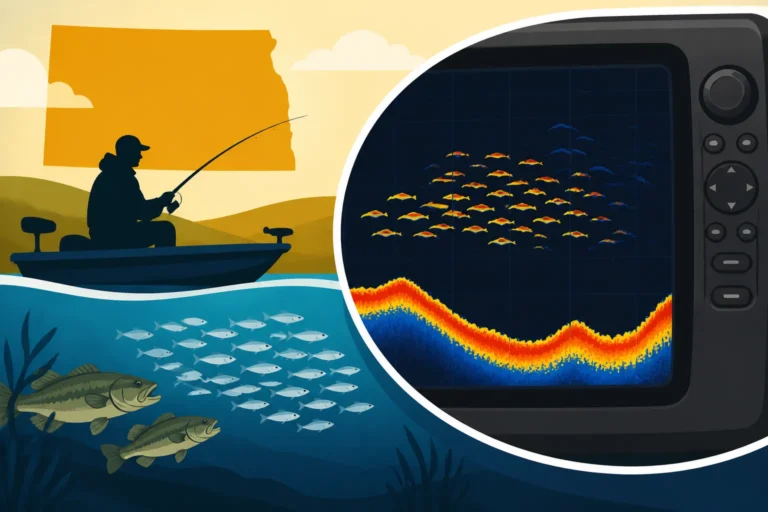
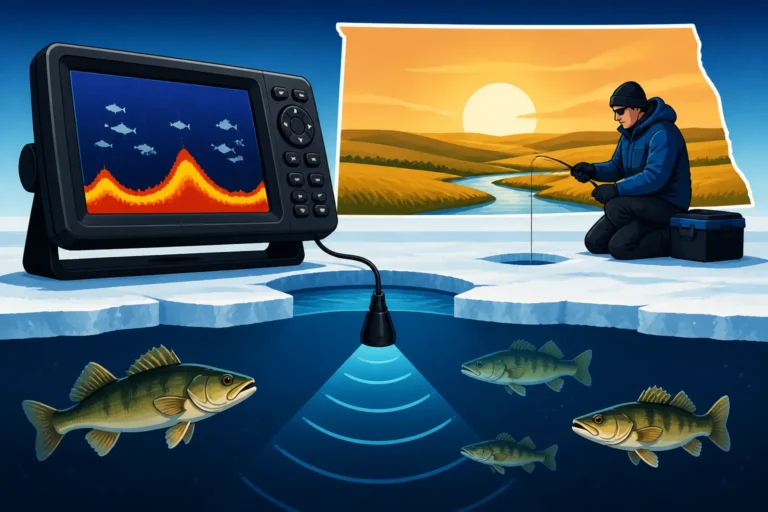
What happens is a phenomenon called "turnover" on many lakes. As the surface water cools and becomes denser, it sinks, pushing warmer, less oxygenated water from the bottom upwards. This process redistributes nutrients and oxygen, and once complete, fish often become much more active and spread out to find food. After turnover, fish tend to be found in specific depth ranges related to their preferred temperature and forage. For walleye, this often means moving to main lake points, breaks, and structure where baitfish congregate. Keeping a close eye on a fish finder is essential during this time to pinpoint where the thermocline (if one still exists) or baitfish are holding.
Dealing with North Dakota's Infamous Fall Winds
North Dakota is renowned for its wind, and fall is no exception. Gusty conditions can make boating challenging, create whitecaps on larger lakes, and make casting from shore a real workout. However, savvy anglers know that wind can also be your friend. A steady breeze can concentrate baitfish against shorelines or structure, creating prime feeding opportunities for predatory species. Walleye, in particular, often bite best on "walleye chops" – those choppy, turbulent waters created by wind.
When the wind is howling, consider fishing protected bays or shorelines where baitfish might seek refuge. Look for wind-blown points and breaks where food is being pushed. If you're in a boat, a good trolling motor with spot-lock technology or a reliable anchor system is invaluable for staying on course and holding position. Dress in layers, including windproof outerwear, because even a mild fall day can feel frigid with a strong North Dakota gust. Don’t let the wind deter you; it’s often a catalyst for excellent fishing if you know how to work with it.
Monitoring Water Levels and Clarity
Fall often brings stable water levels, especially after the spring runoff and summer rains have settled. However, fluctuating conditions, particularly on river systems like the Missouri, can still impact fishing. Pay attention to local reports from the North Dakota Game and Fish Department, or check water level gauges for specific rivers and reservoirs. Lower water levels might concentrate fish in deeper channels or force them off shallow flats, while higher water could open up new flooded cover.
Water clarity also changes with the seasons. Summer algae blooms usually dissipate, leading to clearer water in many lakes. This means fish might be more wary of presentations, so consider lighter lines, smaller baits, and more natural colors. Conversely, a significant rain event can muddy up feeder creeks and bays, creating a distinct "mud line" where clear and murky water meet. These mud lines are often magnets for predatory fish like walleye and pike, as they offer ambush points and concentrate baitfish. Adjusting your lure colors to brighter, more contrasting options in stained water can make a huge difference.
Key Fish Species to Target in North Dakota's Fall
While North Dakota offers a diverse range of fish, fall fishing truly shines for specific species that become incredibly active and aggressive as water temperatures drop. Understanding their behavior and preferred habitats during this time is crucial for maximizing your success.
Walleye: Fall Feeding Frenzy on the Big Lakes
Ah, the walleye. North Dakota's state fish and a perennial favorite, they truly hit their stride in the fall. As water temperatures fall into the 50s, walleye begin their serious pre-winter feeding, often moving shallower than they were in summer, especially during low-light periods. They're looking for baitfish—perch, shiners, cisco—and they're not shy about chasing them down.
You'll find walleye often congregated on main lake points, breaks, humps, and submerged structure. They'll follow schools of baitfish, so if you find the bait, you're likely to find the walleye. On large reservoirs like Lake Sakakawea, they can be found cruising shorelines and flats in search of a meal. Many anglers consider fall the prime time to land a true trophy walleye, with fish in the 25-30+ inch range becoming more common. They are building up fat reserves, making them much thicker and heavier than their summer counterparts. This also means they often offer a much more aggressive fight. For more detailed insights, check out our North Dakota Walleye Fishing Guide.
Northern Pike: Aggressive Bites in Cooling Waters
If you love a hard-hitting, aggressive strike, then fall is your season for northern pike. These toothy predators are incredibly active as the water cools, and like walleye, they're on a mission to pack on calories. Pike will often move into shallower weed beds, points, and bays, especially those with good access to deeper water, as they ambush unsuspecting baitfish.
Big spoons, spinnerbaits, and large crankbaits are often irresistible to hungry fall pike. You might even find them hitting topwater lures during warmer periods in early fall, a truly exhilarating experience. On lakes like Devils Lake, where pike numbers are robust, the fall bite can be absolutely phenomenal. They often stack up in specific areas, making it possible to catch multiple large fish in a single outing. Just remember to bring your heavy-duty leaders; those sharp teeth can make quick work of monofilament. Our How to Fish for Northern Pike in North Dakota guide has more tips.
Yellow Perch: Schooling Up for the Winter Feast
Yellow perch are a staple of North Dakota fishing, especially as we transition towards ice fishing, but their fall behavior is a precursor to that winter bite. In autumn, perch begin to school up in much larger numbers, often concentrating in deeper basins, along breaklines, and near submerged structure where they can find invertebrates and smaller baitfish.
Finding these schools is the key to fall perch fishing. Once you locate them, the action can be non-stop. Small jigs tipped with minnow pieces, wax worms, or plastics are highly effective. While not typically the "trophy" fish in terms of size compared to walleye or pike, the sheer numbers and delicious table fare make fall perch fishing incredibly popular. They are also fantastic forage for larger predatory fish, so where you find perch, you might also find walleye. For a deeper dive into these tasty panfish, read our North Dakota Yellow Perch Fishing Guide.
Channel Catfish: Last Hurrah Before the Deep Freeze
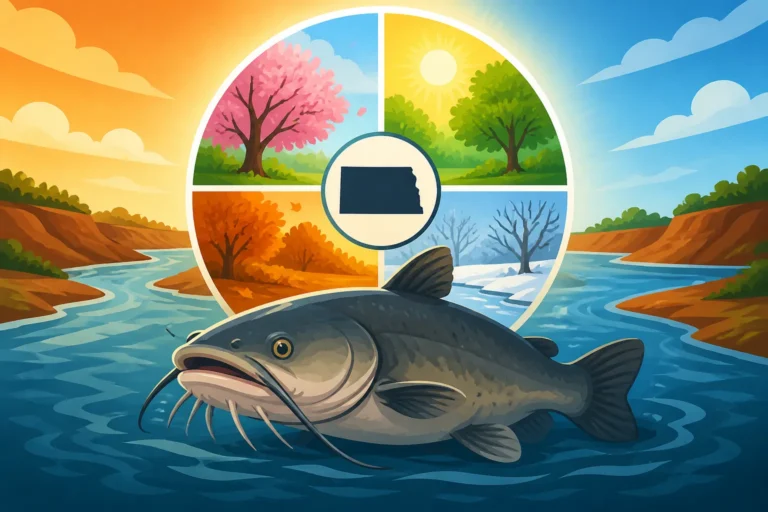
While many think of summer for catfish, fall can offer a fantastic "last hurrah" for channel cats on certain North Dakota waters, particularly the Red River. As temperatures begin to drop, catfish will often move to deeper holes, bends, and structure in rivers, seeking out a comfortable thermal refuge. However, they're still actively feeding, preparing for their semi-dormant winter state.
Unlike the summer, when they might be more scattered, fall catfish tend to congregate, making them easier to target once located. Large cut baits, stink baits, and even live suckers are excellent choices. They might not be as aggressive as in the peak of summer, but the fish you catch in fall are often substantial, boasting impressive size and weight. The key is to find those deep, slow-moving sections of river or large lake basins where they're staging for winter. If you're passionate about these whiskered giants, check out our North Dakota Channel Catfish Fishing Guide.
Essential Fall Fishing Techniques and Strategies
Fall fishing requires a nuanced approach. Fish behavior changes dramatically with cooling water, so relying on your summer tactics might leave you frustrated. Adapting your techniques to match their pre-winter feeding patterns is crucial for consistent success.
Trolling and Jigging for Active Walleye
When it comes to fall walleye, two techniques often dominate: trolling and jigging. As walleye become more active and forage-driven, covering water efficiently is often the best strategy. Trolling crankbaits is incredibly effective on large bodies of water like Lake Sakakawea. Walleye often suspend or cruise open water near baitfish schools, and covering vast areas with diving crankbaits in natural colors (or brighter colors if the water is stained) allows you to find those active fish. Experiment with different depths and speeds, mimicking the movement of baitfish. A good GPS and fish finder are indispensable for identifying subtle contours, bait balls, and active fish.
Jigging, on the other hand, is a more vertical presentation that excels when walleye are concentrated on specific structure, like humps, points, or along steep breaks. Think about using heavier jigs tipped with a minnow, a plastic grub, or even a blade bait. The key is to present your bait right in the strike zone and impart an enticing action. Snap jigging, vertical jigging, or even simply holding the bait still can all be effective depending on the mood of the fish. These techniques often require patience but can result in some of the largest walleye of the year. Our North Dakota Walleye Fishing Techniques article offers more in-depth advice.
Casting and Trolling for Northern Pike
Northern pike, with their aggressive nature, respond well to both casting and trolling in the fall. When casting, target weed edges, submerged timber, and rocky points where pike might be ambushing bait. Large spoons (like Daredevils or Five of Diamonds), inline spinners, and spinnerbaits with plenty of flash and vibration are excellent choices. Crankbaits that mimic perch or other baitfish are also highly effective. Focus on retrieving lures at a medium to fast pace, sometimes with pauses to trigger reaction strikes.
Trolling for pike is particularly effective on large lakes when you're trying to cover a lot of ground to find active fish. Use large, deep-diving crankbaits or even large swimbaits that imitate the biggest baitfish in the system. Often, these lures need to be quite large, sometimes 6-8 inches or more, to tempt a trophy pike. Trolling at slightly faster speeds than you would for walleye can often provoke those aggressive strikes from larger pike. Remember to use heavy leaders, either fluorocarbon or steel, to prevent bite-offs.
Locating Perch Schools with Electronics
Fall perch fishing is all about finding the schools. Unlike summer, when they might be more scattered, fall perch tend to congregate in large numbers, especially in deeper basins or along distinct depth contours. This is where your electronics become your best friend. Start by idling over potential areas, looking for dense schools of fish near the bottom or suspended over structure. Once you mark a school, deploy your vertical jigging setup.
Small jigs, spoons, or even tiny rattling baits are highly effective, often tipped with a piece of minnow, a wax worm, or a small plastic grub. Drop your bait directly into the school, and be prepared for quick action. Often, if you're catching one, you'll catch many. Remember that perch can be very light biters, especially as the water gets colder, so a sensitive rod and light line are crucial for detecting those subtle taps. Keep an eye on your fish finder because if the school moves, you’ll want to move with them.
Bottom Fishing for Fall Catfish
While channel catfish might not be as "aggressive" in the fall as walleye or pike, they are still very catchable if you adapt your strategy to their deeper-water preferences. Fall catfish fishing usually involves bottom fishing in deeper holes, bends, and slow-moving current seams on rivers, or deep basins in large lakes. They're not chasing bait as actively, but they'll readily consume a stationary, appealing offering.
Use a heavy sinker to keep your bait on the bottom in current, and a slip-sinker rig is ideal for allowing the fish to take the bait without feeling resistance. Large cut baits, such as fresh sucker, goldeye, or even oily fish like shad, are excellent choices. Stink baits and prepared baits also work, but fresh cut bait is often superior for larger fish. Set multiple rods with sturdy holders, and be patient. Fall bites can be more subtle, so watch your rod tips closely. Night fishing can still be productive for catfish in the fall, especially during warmer spells.
Top North Dakota Lakes and Rivers for Fall Angling
North Dakota is blessed with a variety of fishing destinations, and some truly shine during the fall season, offering incredible opportunities for diverse species. Knowing where to go can make all the difference in your autumn angling success.
Lake Sakakawea: Walleye and Salmon Mecca
Without a doubt, Lake Sakakawea stands as North Dakota's premier fall fishing destination, especially for walleye and Chinook salmon. This massive reservoir on the Missouri River system undergoes a remarkable transformation in autumn. As the water cools, walleye spread out across the lake's vast structure, points, and flats, voraciously feeding. Trolling crankbaits is a go-to method for covering water and finding active fish, but jigging on humps and breaks can also be incredibly productive. Anglers frequently report some of their largest walleye of the year from Sakakawea in the fall.
But it’s not just walleye. Lake Sakakawea is home to North Dakota's only Chinook salmon fishery, and fall is the absolute peak season for these powerful, ocean-going transplants. As they stage for their spawning run, salmon become extremely aggressive. Trolling with spoons and large crankbaits at various depths, often in the deeper main lake sections and near the Garrison Dam tailrace, can lead to exhilarating battles. If you're looking for an unforgettable big-fish experience, Sakakawea in the fall is where you need to be. For a complete guide, see our Lake Sakakawea Fishing Guide for North Dakota Anglers.
Devils Lake: Perch and Pike Paradise
Devils Lake, often called North Dakota's "perch factory," continues its legendary fishing into the fall. As the water cools, the immense schools of yellow perch begin to consolidate, moving into deeper basins, along submerged roadbeds, and around the flooded timber that characterizes this unique lake. Finding these schools with your electronics is key, and once you do, the action can be phenomenal. Vertical jigging small spoons or jigs tipped with bait is the most effective method.
Beyond perch, Devils Lake also offers incredible fall northern pike fishing. These toothy predators patrol the weed edges and submerged cover, eagerly ambushing anything that looks like a meal. Casting large spoons, spinnerbaits, or even larger crankbaits can result in explosive strikes. The relatively shallow nature of much of Devils Lake means fish are often accessible, even from shore in many areas, during the fall, especially in some of the lake’s many access points. Our Devils Lake Fishing Guide for North Dakota Anglers delves deeper into this fantastic fishery.
Missouri River System: Diverse Fall Opportunities
The Missouri River, both above and below Lake Sakakawea and continuing through Lake Oahe, provides diverse fall fishing opportunities. Upstream of Sakakawea, the river offers excellent smallmouth bass and walleye fishing, with fish congregating in deeper holes and along current breaks. Below Garrison Dam, the tailrace area is a renowned hot spot. The consistent flow and nutrient-rich waters attract a variety of species.
In the tailrace and subsequent stretches of the Missouri River near Bismarck, you can find active walleye, sauger, and even good numbers of channel catfish. Jigging with minnows or plastics is often effective, as is slowly trolling crankbaits or three-way rigs. As fall progresses, the river system remains one of the more stable fisheries, offering consistent action even as other lakes cool rapidly. For more on this mighty waterway, consult our Missouri River Fishing Guide.
Red River of the North: Trophy Catfish Action
If you're after trophy channel catfish, the Red River of the North is where you need to be in the fall. While the summer bite is fantastic, fall often yields some of the biggest and fattest cats of the year as they feed heavily before winter. Catfish will move into deeper holes, bends, and slack-water areas out of the main current, but they are still actively feeding.
Baiting with large cut baits (sucker, goldeye, or shad) is the preferred method. A heavy bottom-rig setup with a sturdy circle hook is essential. Focus your efforts in the stretches around Fargo and Grand Forks, where the river offers excellent access and known deep-water haunts. The cooler water also means less boat traffic and often more comfortable fishing conditions. The Red River of the North Fishing Guide provides all the specifics for this world-class catfishing destination.
Here's a quick comparison of top fall fishing opportunities:
| Species | Primary Location(s) | Best Fall Techniques | Typical Fall Behavior | Prime Target Months |
|---|---|---|---|---|
| Walleye | Lake Sakakawea, Devils Lake, Missouri River, Lake Oahe | Trolling crankbaits, Jigging, Live bait rigging | Pre-winter feeding frenzy, active on structure and breaks | Sept, Oct, Early Nov |
| Northern Pike | Devils Lake, Lake Sakakawea, Smaller Lakes | Casting large spoons/spinnerbaits, Trolling large crankbaits | Aggressive ambush predators, moving into shallower feeding zones | Sept, Oct, Early Nov |
| Yellow Perch | Devils Lake, Smaller Lakes | Vertical jigging small spoons/jigs, Tipped with live bait | Schooling in deeper basins and along contours | Sept, Oct, Nov |
| Channel Catfish | Red River, Lake Oahe, Missouri River | Bottom fishing with cut bait, Stink bait | Congregating in deep holes, heavy feeding before winter | Sept, Oct |
| Chinook Salmon | Lake Sakakawea | Trolling spoons/crankbaits | Staging for spawning run, highly aggressive, deep water | Sept, Oct |
Gear Up for Success: Fall Fishing Equipment Checklist
Fall fishing in North Dakota is no place for flimsy gear or inadequate clothing. The conditions can be challenging, but with the right equipment, you can stay comfortable, safe, and effective on the water. Think layers, durability, and specialized tools.
Cold Weather Apparel and Layering Systems
This is arguably the most critical component of fall fishing gear. North Dakota fall weather can go from 60 degrees and sunny to 30 degrees and windy with light snow in a single afternoon. A proper layering system is non-negotiable.
- Base Layers: Start with moisture-wicking synthetic or merino wool base layers. These pull sweat away from your body, keeping you dry and warm. Avoid cotton at all costs; it retains moisture and chills you quickly.
- Mid Layers: Fleece jackets, puffy vests, or heavier wool sweaters provide insulation. You can add or remove these throughout the day to adapt to changing temperatures. Having a few options on hand is always smart.
- Outerwear: This is your shield against the elements. A waterproof and windproof jacket and bibs or pants are essential. Look for durable materials that can withstand snags and provide good mobility. Brands like Simms, Sitka, or even more affordable options found on Amazon offer excellent choices for cold-weather fishing apparel.
- Headwear: A warm beanie or wool cap is crucial, as a significant amount of body heat is lost through your head. A neck gaiter or balaclava can provide extra protection for your face and neck against biting winds.
- Gloves: Neoprene or fleece gloves with convertible finger flaps are popular, allowing you to maintain dexterity for tying knots while keeping your hands warm.
- Footwear: Insulated, waterproof boots are a must. Your feet will thank you after hours on the cold deck or shoreline. Wool socks, again, are superior to cotton.
Rods, Reels, and Line for Fall Conditions
Your tackle needs to be robust and reliable for fall fishing.
- Rods: Medium-heavy to heavy power rods (6'6" to 7'6" for casting, longer for trolling) are often preferred for handling larger fall fish and heavier baits. Sensitivity is key for detecting subtle bites in colder water, so graphite rods are a good choice.
- Reels: Durable spinning reels (2500-4000 series) or baitcasting reels (for heavier presentations or specific trolling setups) are needed. Ensure they have smooth drags, as fall fish can put up a serious fight.
- Line: For walleye and pike, consider braided line (15-30 lb test) for its sensitivity and strength, often with a fluorocarbon leader (10-20 lb test) for abrasion resistance and invisibility. Monofilament (10-17 lb test) is also a good all-around choice, especially for trolling, due to its stretch and shock absorption. If you're targeting big catfish, bump up to 30-50 lb test braided or heavy mono. Using a quality line ensures you're not losing that trophy due to a break-off.
Baits and Lures That Shine in Autumn
- Crankbaits: Deep-diving and shallow-diving crankbaits in natural baitfish patterns (perch, shiner, cisco) are excellent for walleye and pike. Brands like Rapala, Berkley, or Bomber are reliable. Have a variety of sizes and dive depths.
- Jigs: A wide assortment of jigs (1/4 oz to 1 oz) in various colors (chartreuse, orange, white, dark greens) is essential. Tip them with live minnows, plastic grubs, or paddle tails.
- Spoons: Larger spoons (1/2 oz to 1.5 oz) in chrome, gold, or bright colors (red/white, five of diamonds) are pike magnets.
- Live Bait: Minnows (fatheads, shiners, chubs), nightcrawlers, and leeches are often irresistible. Store them properly to keep them lively in cooler temperatures. For catfish, cut bait like suckers, goldeye, or even chicken liver works wonders.
- Soft Plastics: Paddle tails, grubs, and creature baits on jig heads can be very effective, especially for walleye and smallmouth bass.
Essential Electronics and Safety Gear
- Fish Finder/GPS: Absolutely critical for finding structure, baitfish, and active schools. A good unit with GPS mapping is invaluable for navigating large lakes and marking hot spots. Many modern units on Amazon offer excellent functionality.
- Thermos: Hot coffee, tea, or soup can be a lifesaver on a cold fall morning.
- Headlamp/Flashlight: Days are shorter, so you'll likely be fishing in low light or darkness.
- First-Aid Kit: Accidents happen, especially when handling hooks and sharp objects in cold weather.
- Life Jackets (PFDs): Always wear your PFD, especially when boating in cold water. Falling into frigid water is a serious danger. Review North Dakota's North Dakota Boat Registration Requirements for regulations.
- Emergency Blanket/Fire Starter: For unexpected breakdowns or emergencies in remote areas.
- Communication Device: A fully charged cell phone (in a waterproof case) or a VHF radio for emergencies.
- Spare Clothes: Keep a dry set of clothes in a dry bag, just in case.
- Anchor/Trolling Motor: For holding position in wind or current.
- Net/Boga Grip: For landing fish safely and handling toothy critters like pike and walleye. A long-handled net is especially useful.
Fall Fishing Safety and Regulations to Keep in Mind
While the promise of fewer crowds and bigger fish is enticing, fall fishing in North Dakota carries its own set of risks and rules. Being prepared and informed isn't just about catching more fish; it's about staying safe and legal.
Prioritizing Cold Water Safety
This is paramount. As fall progresses, water temperatures plummet, often dropping into the 40s or even colder. Falling into water this cold can lead to hypothermia in minutes.
- Wear a Life Jacket (PFD): It's not just a recommendation; it's a necessity. A PFD keeps you afloat and provides some insulation, significantly increasing your survival time if you unexpectedly enter the water. Even if you're an excellent swimmer, cold water rapidly saps your strength and coordination.
- Dress for the Water, Not the Air: Even if the air feels mild, the water is cold. Dress in layers with insulating, non-cotton materials, and ensure your outermost layer is waterproof.
- Never Fish Alone: While the allure of solitude is strong in fall, having a buddy is a crucial safety measure. If something goes wrong, they can call for help or assist you.
- Check Your Boat and Gear: Ensure your boat is in top mechanical condition, especially your motor, and that all safety equipment (flares, whistle, spare paddles, bailer) is onboard and accessible. Cold weather can strain batteries and equipment.
- Know the Symptoms of Hypothermia: Shivering, confusion, slurred speech, and loss of coordination are serious signs. If you or a fishing partner exhibits these, seek immediate warmth and medical attention.
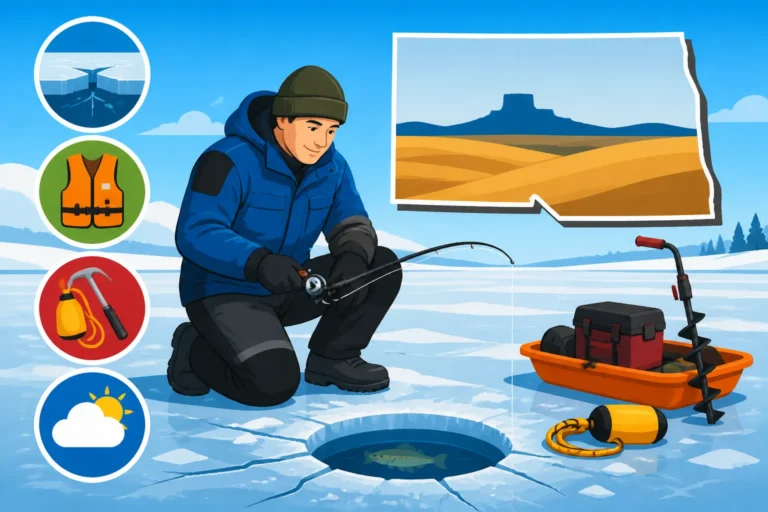
- Ice Formation: As November approaches, be vigilant about early ice formation, especially in sheltered bays or smaller water bodies. Know the dangers and proper How Thick Ice Needs to Be for Ice Fishing guidelines before venturing onto frozen surfaces.
Understanding Fall Fishing Regulations and Limits
Regulations can change seasonally or by specific water body, so it's vital to stay up-to-date.
- North Dakota Fishing License: Always ensure you have a valid North Dakota fishing license. Whether you're a resident or non-resident, this is your entry ticket to fishing these amazing waters. Our North Dakota Fishing License Guide can help you acquire one.
- Species-Specific Limits: While general statewide regulations exist, some lakes or rivers may have special restrictions on size or daily limits for certain species (e.g., walleye, northern pike). For example, Lake Sakakawea might have different walleye regulations than Devils Lake. Always consult the current North Dakota Fishing Guide & Proclamation, available online from the North Dakota Game and Fish Department (NDGFD), or at most tackle shops. This document is your ultimate resource for current rules.
- Open Seasons: While many species are open year-round in North Dakota, always double-check the regulations for any specific closed seasons that might apply, although fall typically sees most popular game fish open.
- Number of Lines: Generally, North Dakota allows for two lines per angler, but confirm this in the regulations.
- Designated Areas: Be aware of any areas that may be closed to fishing (e.g., specific spawning grounds, wildlife refuges) or have special rules.
A great starting point for understanding all the rules is the official North Dakota Fishing Regulations Explained guide, which details everything you need to know.
Aquatic Nuisance Species Prevention
Fall often means moving your boat between different lakes, which increases the risk of spreading Aquatic Nuisance Species (ANS) like zebra mussels or Eurasian watermilfoil. Preventing their spread is every angler's responsibility.
- Clean, Drain, Dry: This mantra is crucial.
- Clean: Before leaving the boat ramp, remove all visible plants, mud, and debris from your boat, trailer, and fishing gear. Pay special attention to anchors and ropes.
- Drain: Pull your drain plug and drain all water from your boat, livewell, baitwell, bilge, and engine (including residual water from the lower unit). This also includes portable bait containers.
- Dry: Allow your boat and all equipment to thoroughly dry for at least five days before launching into a different water body. If that's not possible, consider rinsing with high-pressure hot water.
- Bait Disposal: Never transport live bait from one water body to another. If you have leftover minnows, dispose of them on land or in a designated bait disposal bin, not back into the water.
- Fines and Penalties: North Dakota has strict laws regarding ANS. Violations can result in significant fines and penalties. Do your part to protect our precious fisheries for future generations.
Preparing Your Catch: Cleaning and Preserving Fall Fish
After a successful day of fall fishing in North Dakota, the final step is ensuring your hard-earned catch is properly handled, cleaned, and preserved for the best eating quality. Cooler water helps, but proper technique is still essential.
Proper Fish Handling for Best Quality
The moment a fish comes out of the water, its quality for the dinner table begins to decline. Cooler fall air and water temperatures actually work in your favor here, but you still need to act quickly and correctly.
- Keep Them Cold: This is the golden rule. As soon as you catch a fish you intend to keep, get it on ice immediately. A quality cooler filled with ice is indispensable. Don't just throw them in a livewell with lukewarm water, especially if you're not going directly home. The faster you chill them, the better the flesh quality will be.
- Bleed Them Out: For many species, especially larger ones like walleye, pike, or salmon, bleeding them immediately after capture dramatically improves the taste and texture. A quick cut to the gills allows the blood to drain, resulting in cleaner, whiter fillets. Do this quickly and return the fish to the ice.
- Protect from Sun and Heat: Even on cooler fall days, direct sunlight can warm fish quickly. Keep your cooler lid closed and out of direct sun.
- Clean Promptly: While chilling fish is great, ideally, you should clean them as soon as possible after your trip, or within a few hours. The longer they sit, even on ice, the more the natural enzymes start to degrade the flesh.
Filleting Techniques for Different Species
Different fish species have different bone structures, requiring slightly varied filleting techniques to maximize meat yield and minimize bones.
- Walleye: These are relatively straightforward to fillet. Start behind the gill plate, cut down to the backbone, and turn your knife to run along the backbone to the tail. Repeat on the other side. Many anglers then remove the "rib cage" section by cutting around it. You can also skin the fillet by laying it skin-side down, making a cut at the tail end, and holding the skin firmly while running your knife between the skin and the meat.
- Northern Pike: Pike are notorious for their "Y-bones," which can be intimidating. However, with a specific technique, they can be boneless. After removing the initial two fillets, locate the lateral line. Make a cut above the Y-bones down to the lateral line, then another cut below the Y-bones (often called a "pike zipper" or "five-fillet method"). This effectively separates the Y-bone section from the boneless top and bottom strips. It takes practice but is well worth it for the delicious, boneless meat.
- Yellow Perch: Smaller than walleye or pike, perch are often cleaned using a similar filleting method, just on a smaller scale. Because they are smaller, some anglers scale and gut them whole for frying, but filleting still yields excellent boneless portions.
- Channel Catfish: Catfish have tough skin that needs to be removed. Many anglers start by making a cut around the head, then using pliers or a skinning tool to peel the skin off. Then, fillet the meat away from the backbone and ribs. The meat is firm and flakes beautifully when cooked.
A sharp, flexible fillet knife is your best friend here. Consider an electric fillet knife for larger fish like pike or salmon, as it can make quick work of the process. You can find excellent options for fillet knives on platforms like Amazon.
Freezing and Storage Methods
Proper storage is key to preventing freezer burn and maintaining the quality of your catch for months.
- Rinse and Dry: After filleting, thoroughly rinse your fillets under cold water to remove any blood or scales. Pat them dry with paper towels. Excess moisture is the enemy of frozen fish.
- Vacuum Sealing: This is by far the best method for long-term storage. A vacuum sealer removes all air, preventing freezer burn and extending the shelf life of your fish for a year or even longer.
- Water Freezing (for non-vacuum sealing): If you don't have a vacuum sealer, you can submerge fillets in water inside freezer-safe bags or containers before freezing. This creates an ice glaze that helps protect the fish from air. Be sure to remove as much air as possible before sealing.
- Labeling: Always label your packages with the type of fish and the date caught. This helps you rotate your stock and ensures you're eating the freshest fish.
- Portioning: Freeze fillets in meal-sized portions so you only thaw what you need.
- Freezer Temperature: Keep your freezer at 0°F (-18°C) or colder for optimal preservation.
By following these handling and storage tips, you'll be able to enjoy the taste of your North Dakota fall fishing adventures throughout the winter and into the next spring!
Disclaimer
Please remember that fishing regulations, conditions, and best practices can change. Always consult the most current North Dakota Game and Fish Department (NDGFD) regulations and local advisories before heading out. Fishing involves inherent risks; prioritize safety and be prepared for changing weather and water conditions.