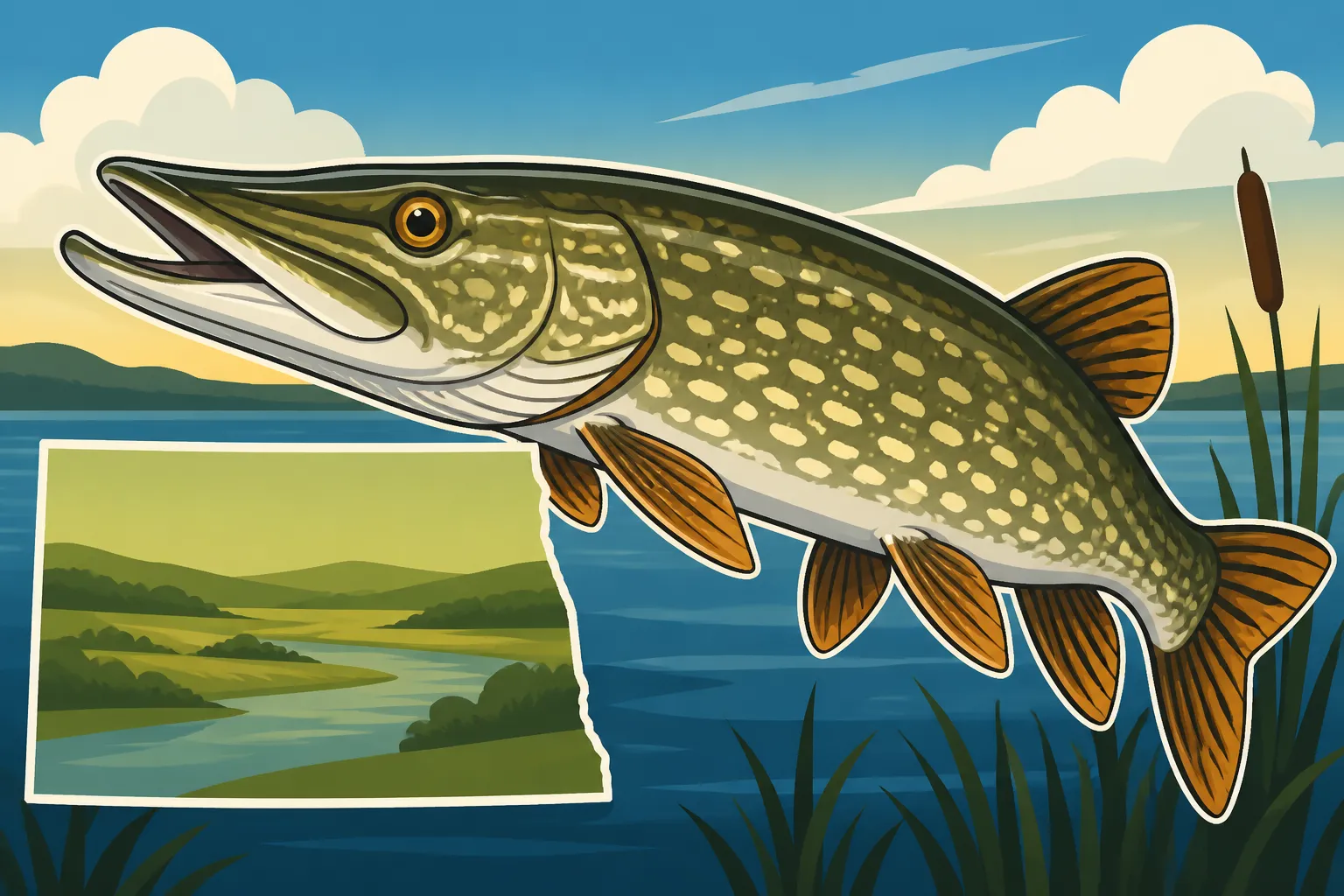
Northern Pike Identification in North Dakota
It's an age-old question for North Dakota anglers: "What exactly did I just hook?" Sometimes, it's undeniably a walleye or a perch, but there's one species that often sparks debate and demands a keen eye: the Northern Pike. These formidable predators are an absolute thrill to catch, but accurately identifying them, especially when they share water with similar-looking fish, can be tricky. This comprehensive guide is here to clear up any confusion, helping you confidently identify Northern Pike in North Dakota's diverse waterways.
What Exactly is a Northern Pike?
When you hear "pike" in North Dakota, most folks are thinking about the Northern Pike (scientifically known as Esox lucius). These fish are true apex predators in many of our lakes and rivers, known for their aggressive strikes and powerful fights. They're a favorite target for many anglers, whether through the ice or during open water seasons, and they certainly add an exciting dynamic to our freshwater ecosystems. Understanding what makes a Northern Pike a Northern Pike is the first step in successful identification.
General Overview of the Species
Northern Pike are freshwater fish native to North America, Europe, and Asia. In North Dakota, they thrive in a wide array of habitats, from the sprawling expanse of Lake Sakakawea to the marshy backwaters of Devils Lake and countless smaller lakes and rivers across the state. They're often called "water wolves" or "gators" due to their elongated, predatory appearance and ambush hunting style. Their presence in a fishery usually signifies a healthy food chain, as they prey on smaller fish, frogs, and even ducklings. They play a vital role in maintaining ecological balance, sometimes even helping to control populations of overabundant panfish.
These fish are highly adaptable and can tolerate a wide range of water temperatures, though they generally prefer cooler water with plenty of cover. They're a popular species for recreational fishing because of their feisty nature and impressive size potential. North Dakota Northern Pike Fishing Guide offers a deeper dive into techniques and strategies for targeting these magnificent fish.
Importance of Accurate Identification
You might wonder why it's so critical to definitively identify a Northern Pike. Well, for starters, fishing regulations in North Dakota, just like anywhere else, can vary significantly from one species to another. There are specific daily limits, possession limits, and sometimes even length restrictions for Northern Pike that differ from, say, walleye or muskie. Misidentifying your catch could lead to unintentional violations, which no angler wants.
Beyond regulations, knowing your fish helps you understand its behavior, preferred habitat, and even how best to handle it. Pike, with their razor-sharp teeth, require careful handling to avoid injury to both the angler and the fish. Furthermore, if you're targeting a specific species, precise identification helps you refine your techniques and gear. It also allows you to contribute accurately to catch reports or citizen science efforts, providing valuable data for fisheries management in North Dakota. Understanding the nuances of each species helps foster a deeper respect for our aquatic resources.
Key Physical Characteristics for Identifying Northern Pike
When you pull a fish out of the water in North Dakota, there are several tell-tale signs that scream "Northern Pike!" rather than anything else. Paying attention to these distinct physical characteristics will make you an identification expert in no time.
Body Shape and Fin Placement
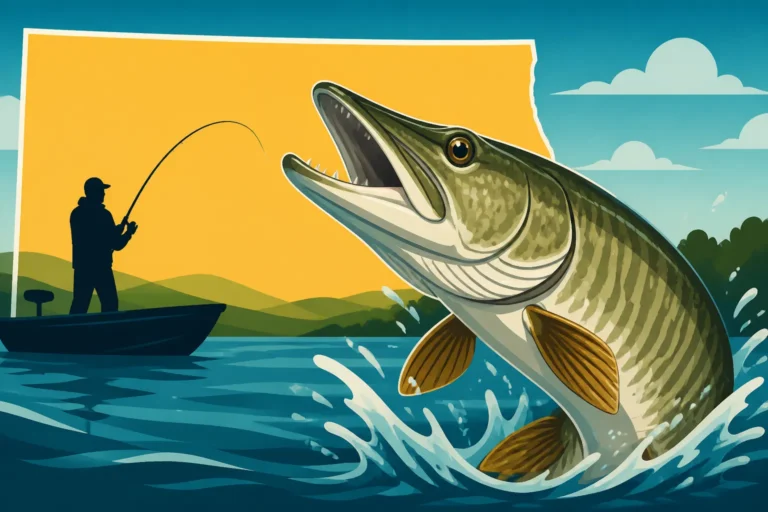
The overall profile of a Northern Pike is perhaps its most recognizable feature. They possess a long, cylindrical, torpedo-shaped body, perfectly designed for quick bursts of speed to ambush unsuspecting prey. This sleek, elongated build is one of the first clues you're dealing with an Esox species.
Perhaps the most definitive fin placement characteristic is their single dorsal fin, which is situated very far back on their body, almost directly above their anal fin. This posterior placement of the dorsal fin, combined with their large, forked tail fin, creates a powerful propulsion system. The tail itself is often a distinctive reddish-orange hue, especially on larger specimens, although this can vary slightly. Unlike some other fish, pike don't have an adipose fin. Their pelvic fins are typically located about midway down the belly, while their pectoral fins are usually clear or slightly yellowish.
Coloration and Markings
Northern Pike typically display a beautiful and effective camouflage pattern. Their backs are usually a dark olive green to a deep forest green, sometimes with hints of brown, blending seamlessly with aquatic vegetation or shadowed structure. As you move down their sides, the coloration lightens, often to a yellowish-green, and is adorned with distinct, irregular, bean-shaped or bar-like spots that are lighter than the background color. These spots are often described as pale yellow or white. North Dakota Northern Pike Daily Limit regulations often apply to these distinctly marked fish.
The belly of a Northern Pike is almost always a clean, creamy white or yellowish-white. The intensity and exact pattern of the spots can vary slightly depending on the specific water body, the fish's age, and its diet, but the overall "light spots on a dark background" theme is a consistent identifier. This distinct spotting pattern is a critical differentiator when trying to tell them apart from other species, particularly the muskellunge, which tends to have dark markings on a lighter background.
Mouth, Teeth, and Head Structure
Prepare to be impressed (and cautious!) when you examine a Northern Pike's mouth and head. Their mouth is very large and distinctly flattened, often described as a "duck-bill" shape. This wide, gaping mouth is perfectly adapted for swallowing prey whole. The lower jaw protrudes slightly beyond the upper jaw, giving them a perpetually aggressive look.
Inside that formidable mouth are hundreds of razor-sharp teeth, pointed backward to ensure that anything they grab has no chance of escaping. These teeth are not just in the front; they line the jaws and even the roof of their mouth, making them incredibly effective predators. You'll want to be incredibly careful if you ever need to handle a pike to remove a hook. Many experienced anglers use tools like jaw spreaders or long-nose pliers, which you can easily find on Amazon, to safely manage these toothy critters.
Another important identifying feature related to the head is the presence of sensory pores along the underside of their lower jaw. Northern Pike typically have five or fewer large sensory pores on each side of their lower jaw, though four is very common. Counting these pores can be a precise way to differentiate them from other Esox species, especially muskellunge.
Distinguishing Northern Pike from Common Lookalikes
While a full-grown Northern Pike is hard to mistake for anything else, juveniles or fish caught in unusual conditions can sometimes lead to confusion. North Dakota waters are home to a few species that might, at a glance, be mistaken for a pike. Knowing the subtle differences is key to accurate identification.
Pike vs. Muskie (Muskellunge)
This is hands down the most common and critical identification challenge in North Dakota, as both are large, predatory, elongated fish. Both Northern Pike and Muskellunge (often just called "muskie") belong to the Esox genus, making them cousins, but they have distinct differences that are crucial for anglers to know, especially since muskie regulations can be very strict. For instance, Northern Pike vs Muskie Identification provides a dedicated resource on this very topic.
The primary visual difference lies in their markings:
- Northern Pike typically have light, bean-shaped or horizontal spots on a darker body background.
- Muskellunge generally have dark, vertical bars, spots, or blotches on a lighter, often silver or bronze, background. Some muskie can be "clear" with very few markings, but they won't have the distinct light spots of a pike.
Beyond markings, look at the head. A surefire way to tell them apart is by examining the scales on their cheek and gill cover (operculum):
- Northern Pike: Both the cheek and the upper half of the gill cover are fully scaled.
- Muskellunge: The lower half of both the cheek and the gill cover are bare (lacking scales). This feels smooth to the touch compared to the rough, scaled upper half.
Finally, count the sensory pores on the underside of the lower jaw. Pike usually have 4-5 pores per side, while muskie typically have 6-9 or more.
Here's a quick comparison table to help solidify these differences:
| Feature | Northern Pike | Muskellunge (Muskie) |
|---|---|---|
| Markings | Light, bean-shaped spots on a dark background | Dark bars or spots on a lighter background |
| Cheek Scales | Fully scaled (scaled over most of the cheek) | Upper half scaled, lower half bare (smooth) |
| Gill Cover | Fully scaled (scaled over most of the operculum) | Upper half scaled, lower half bare (smooth) |
| Tail Fin | Often more rounded lobes, sometimes reddish/orange | More pointed lobes, often darker/mottled |
| Sensory Pores | 5 or fewer on each side of lower jaw | 6-9 or more on each side of lower jaw |
| Body Shape | More elongated, slender body | Often more robust and deeper-bodied (especially large ones), can appear stockier |
Pike vs. Walleye and Sauger
While Northern Pike are long and slender, walleye and sauger have a distinctly different body shape that generally makes confusion unlikely, especially for experienced anglers. However, for beginners, or in low light, any large fish can sometimes momentarily puzzle.
Walleye and sauger are much more football-shaped or cylindrical, lacking the extreme elongation of a pike. Their dorsal fins are also completely different. Walleye and sauger have two distinct dorsal fins: a spiny anterior dorsal fin and a soft-rayed posterior dorsal fin. Pike, as mentioned, have one soft-rayed dorsal fin positioned far back on their body. North Dakota Walleye Fishing Guide and North Dakota Sauger Fishing Guide offer more detailed information on these popular game fish.
Their mouths are also different. While walleye and sauger have prominent teeth, they lack the broad, duck-bill snout of a pike. Their eyes are also a dead giveaway – walleye are famous for their large, cloudy, "walleyed" eyes, adapted for low-light vision, a feature not found on pike. Coloration is also different, with walleye often having a more golden or olive hue with distinct dark saddles, and sauger having more mottled, blotchy patterns, lacking the distinctive light bean-shaped spots of a pike.
Habitat and Behavioral Clues for Identification
Sometimes, where and how a fish behaves can give you a strong hint about its identity even before you get a full visual. Northern Pike have distinct preferences and hunting styles that can help you confirm your identification.
Preferred Habitats in North Dakota
Northern Pike are masters of ambush, and their preferred habitats reflect this hunting strategy. In North Dakota, you'll most often find them lurking in or near areas with abundant cover. This includes dense weed beds, submerged timber, rocky points with deep drop-offs, and around any kind of structure that allows them to hide and wait for prey. Best Places to Fish in North Dakota will often highlight waters known for good pike populations, and these areas typically feature plenty of these structural elements.
They particularly like areas with cooler water, though they can tolerate warmer temperatures for periods. Shallow bays, points leading to deeper water, and creek mouths are prime spots. Think about a quiet back bay of Lake Sakakawea choked with cattails, or the flooded timber of Devils Lake; these are classic pike haunts. If you're consistently catching aggressive fish from these types of environments, there's a good chance you're on a Northern Pike pattern. Their camouflage works best in these environments, allowing them to blend in seamlessly until they launch their explosive attack.
Feeding Behavior and Aggression
The feeding behavior of a Northern Pike is legendary, and often the first clue to their identity for an angler. These fish are incredibly aggressive and opportunistic predators. When a pike strikes, it's usually with a violent jolt, often described as hitting a "freight train." They don't typically nibble or subtly mouth a bait; they attack it with ferocity. This aggressive take is a strong indicator you've hooked a pike.
Their diet is varied, but primarily consists of other fish – anything from perch and walleye to suckers and even other smaller pike. They're not picky! They'll also consume frogs, mice, and waterfowl. Their ambush style means they'll often sit motionless for long periods, then explode with incredible speed to snatch their prey. If you're reeling in a smaller fish and suddenly feel a massive strike, it's very possible a pike has just tried to make a meal out of your catch. When you're fishing for pike, using robust gear and strong leaders is paramount due to their sharp teeth and powerful runs. Many anglers find high-quality, tooth-proof leaders essential, and these are readily available through retailers like Amazon.
Age-Related Identification: Juveniles vs. Adults
Like many fish species, Northern Pike undergo some changes in appearance as they grow from tiny fry to massive adults. While the fundamental identification characteristics remain, the clarity of markings and overall body proportion can differ.
Spotting Young Pike
When pike are young, often in their first year or two, their markings can sometimes appear slightly different from the classic adult "bean-shaped spots." Juvenile pike might exhibit more prominent vertical barring or chain-like patterns along their sides, which can sometimes lead to momentary confusion with very young muskellunge, further emphasizing the need to check gill plate and cheek scaling. However, even at a young age, the distinct light spots on a darker background usually prevail. Their bodies are also even more slender and elongated in proportion to their length compared to older, deeper-bodied adults.
These young pike are still voracious eaters, preying on insects, small minnows, and anything they can fit into their mouths. They tend to stay in shallower, weedier areas for protection and easy access to small prey. Observing these smaller pike helps anglers understand the progression of their markings as they mature, giving valuable insights into the full life cycle of the species in North Dakota's waters.
Trophy Pike Characteristics
As Northern Pike grow into true trophy specimens, often exceeding 30 inches and sometimes reaching 40 inches or more, their bodies become noticeably thicker and more robust. While still elongated, they develop a deeper girth, especially around the head and shoulders, reflecting years of successful predation. How Big Do Northern Pike Get in North Dakota Lakes? delves into the impressive size potential of these fish.
The coloration on very large, older pike can sometimes be more muted or faded than on younger, vibrant fish. The distinct light spots might not be as sharply defined, sometimes appearing more blotchy or subdued. However, the fundamental pattern of light markings on a darker background persists. Their heads can appear larger in proportion to their body, and their jaws more formidable. Landing one of these giants is an unforgettable experience, often requiring specialized gear like a Best Net for Landing Big Pike to safely bring them to hand. North Dakota is renowned for its trophy pike fisheries, particularly in places like Lake Sakakawea and Devils Lake, making the ability to accurately identify these impressive catches all the more important.
Understanding the North Dakota Northern Pike Fishery
Northern Pike are an integral part of North Dakota's angling landscape, offering unique challenges and rewards. Beyond just identification, appreciating their role and the management strategies in place helps anglers become more responsible and informed participants in our fishing heritage.
Common Misconceptions and Fun Facts
There are quite a few myths and fun facts floating around about Northern Pike. One common misconception is that they are "trash fish" or only good for bait. Nothing could be further from the truth! While their bony structure might deter some, pike can be absolutely delicious when properly filleted, especially smaller "hammer handle" pike, which have flaky white meat. Larger pike can also be excellent, though careful cleaning to remove the Y-bones is often required.
Another fun fact is their incredible longevity; large pike can live for over 20 years in ideal conditions, growing into true freshwater giants. They are also highly adaptable, capable of surviving in lakes that experience significant winterkill due to their ability to tolerate low oxygen levels for short periods. Their aggressive nature means they'll hit a wide variety of lures, from spoons and spinnerbaits (you can find a great selection of Best Lures for Northern Pike in Spring on sites like Amazon) to large swimbaits and even topwater frogs. They truly are an exciting and dynamic species to pursue.
Conservation and Management
The North Dakota Game and Fish Department actively manages Northern Pike populations to ensure a healthy and sustainable fishery for generations to come. This includes setting North Dakota Fishing Regulations Explained, specific daily and possession limits, and size restrictions that vary by water body. For example, some lakes might have a "no-pike" harvest regulation to promote trophy potential, while others encourage harvest of smaller pike to balance the ecosystem. It's crucial for all anglers to consult the current North Dakota Fishing Guide or regulations pamphlet before heading out, as these rules are subject to change.
Responsible angling practices are paramount when fishing for pike. Due to their sharp teeth and aggressive nature, proper handling is essential for catch and release. Using tools like jaw spreaders and long-nosed pliers to remove hooks reduces harm to the fish. Minimizing their time out of water and supporting them horizontally when handling large fish are also critical for their survival. Participating in proper conservation efforts helps ensure that North Dakota remains a prime destination for Northern Pike anglers.
Disclaimer
This article is for general informational purposes only and does not constitute professional advice. Laws, prices and regulations vary by location and change over time. Consult a qualified professional for guidance on your specific situation.