Best Late Ice Fishing Tips Before Ice-Out
As the days grow longer and the sun begins to hold more warmth, a peculiar mix of excitement and apprehension fills the North Dakota ice angler's heart. That transition period from solid ice to open water can be incredibly frustrating – one day you're walking on solid ground, the next you're questioning every step. But late ice fishing in North Dakota, right before the big melt, can also offer some of the most exhilarating angling opportunities if you know how to navigate the challenges. This guide is all about equipping you with the best late ice fishing tips to safely and successfully extend your season, helping you make the most of those final days before ice-out.
Understanding Late Ice Conditions and Prioritizing Safety
Late ice fishing is a completely different ballgame than early or mid-season adventures. The ice isn't just thinner; its structural integrity is compromised by changing temperatures and increased water flow. Ignoring these realities is where danger truly lies, so understanding the nuances of deteriorating ice is absolutely paramount.
Recognizing Ice Decay and Safety Hazards
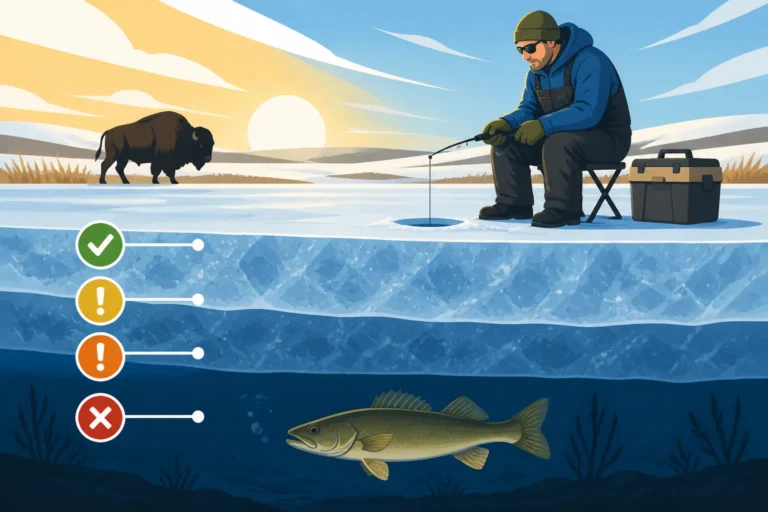
As spring approaches, the ice undergoes significant changes. What might have been 15 inches of rock-solid, clear ice in January can quickly become 6 inches of honeycombed, brittle ice in March. This process, often called "rotting" or "honeycombed" ice, means that the ice crystals begin to separate, creating a structure that looks thick but has lost much of its strength. It’s like Swiss cheese underfoot, even if the surface looks fine. You might step on a seemingly thick spot, only for your foot to punch right through.
One of the biggest hazards is around inlets, outlets, and areas with underwater springs. These spots often have current or warmer water flowing in or out, which accelerates ice decay dramatically. Don't assume a safe thickness in one area means safety across the entire lake. Always be on high alert for areas of discolored ice, particularly dark or slushy patches, which indicate thinner, weaker ice. It's not just about how much ice there is, but the quality of that ice. Always err on the side of extreme caution, because a quick dip in frigid water is no way to end your fishing season. This is why understanding Late Ice Fishing Safety Tips is non-negotiable.
Monitoring Weather and Water Changes
The weather plays an enormous role in late ice conditions. A few days of warm sunshine, especially coupled with rain, can dramatically weaken ice. Even cold nights might only freeze the surface, leaving soft, dangerous ice underneath. Always check the forecast and the local conditions before heading out. Pay close attention to air temperatures, overnight lows, and any precipitation. Slush on the surface can be a tell-tale sign of softening ice below, making travel challenging and sometimes dangerous.
Furthermore, water levels can affect ice stability. Rapidly rising or falling water can create stress cracks or cause the ice to pull away from shore, creating dangerous open water gaps. Keep an eye out for these changes, as they can happen quickly and without much warning. A good practice is to consult local bait shops or online forums for the latest ice reports, but always verify conditions yourself with a spud bar. You’ll want to know How Thick Ice Needs to Be for Ice Fishing before you even think about setting foot on it.
Timing Your Trips: Early Morning vs. Afternoon
During late ice, the safest time to be on the ice is generally in the early morning, especially after a cold night. This is when the ice has had the most time to firm up. As the sun rises and temperatures climb through the day, the ice will inevitably soften. What was passable at 8 AM might be slushy and dangerous by 2 PM. This means planning shorter trips and being prepared to leave earlier than you might in the mid-winter.
Consider this: you walk out on relatively firm ice in the morning, drilling holes with ease. By late afternoon, you might find your holes refilling with water faster, and the ice around your feet feels "spongy." This is your cue to pack up. Many anglers will head out at dawn, fish hard for a few hours, and then call it a day, preferring to avoid the peak warmth and potential dangers of midday ice. Remember that local regulations often dictate When Must Ice Shelters Be Removed From North Dakota Lakes?, so be aware of those deadlines.
Here's a quick safety checklist for late ice outings:
| Safety Item | Description | Why It's Crucial on Late Ice |
|---|---|---|
| Spud Bar/Ice Chisel | Used to test ice thickness and integrity ahead of you. | Essential for continuous ice checking, especially in varying conditions. |
| Ice Picks | Worn around your neck, used to pull yourself out if you fall through. | A last resort, but absolutely vital for self-rescue. |
| Rope | At least 50 feet, weighted at one end, to throw to someone who falls in. | For assisting others from a safe distance. |
| Life Vest/Flotation Suit | Provides buoyancy and insulation in case of immersion. | Non-negotiable protection, especially when ice integrity is questionable. |
| Buddy System | Never fish alone; always go with at least one other person. | Someone is there to help or call for help if needed. |
| Charged Cell Phone | In a waterproof bag, for emergencies. | Crucial for calling for help, even if conditions seem fine. |
| Change of Clothes | Kept in a dry bag on shore or in your vehicle. | Hypothermia sets in quickly; fresh, dry clothes can be a lifesaver. |
| Awareness | Constantly observe conditions, listen for cracks, watch for slush and cracks. | Your best defense against unexpected hazards. |
Always actively perform a self-check with a spud bar as you move, and use the buddy system. You should constantly be checking the ice thickness, which is an integral part of How to Check Ice Thickness Safely.
Targeting Fish Species During Late Ice
The warming water and increasing sunlight signal to fish that spring is coming, and with it, spawning season. This often triggers a final burst of feeding activity, making late ice an incredibly productive, albeit short, window for many species in North Dakota.
Walleye Movements and Feeding Patterns
As the ice thins and melts, walleye tend to become more active, moving into shallower waters and closer to areas where fresh water is flowing in (like creek inlets or river mouths). They're bulking up for the spawn, making them particularly aggressive. Look for them around weed lines that are beginning to green up, submerged points, or structural transitions where they can ambush baitfish. These shallower areas warm faster, attracting both bait and predators.
During this period, jigging spoons, rattle baits, and even smaller crankbaits can be highly effective. The key is often to stay mobile, drilling a series of holes along a promising structure and moving between them until you locate active fish. Don't be afraid to try more aggressive jigging motions than you might in the dead of winter. Walleye are feeling frisky, and a lively presentation can really entice them. For a deeper dive, check out our North Dakota Walleye Fishing Guide.
Perch and Panfish: Where to Find Them
Yellow perch, crappie, and bluegill also go through a noticeable shift in behavior as ice-out approaches. They'll often move from deeper basins to shallower flats, weed beds, and areas with new growth or decaying vegetation. These areas provide food sources and warmer water, which is ideal for their pre-spawn feeding. On a lake like Devils Lake, for instance, this often means targeting the edges of flooded timber or the shallower points and bays.
For perch and panfish, often a smaller, more subtle approach works best, though they can also be aggressive. Small tungsten jigs tipped with wax worms, spikes, or even soft plastic micro-baits are incredibly effective. A sensitive rod is key, as these bites can be light, especially if they are just mouthing the bait. Don't be surprised if you find schools of jumbo perch alongside walleye in these same pre-spawn staging areas. Knowing their behavior is crucial, and our North Dakota Yellow Perch Fishing Guide offers even more insights.
Pike Activity in the Warming Water
Northern pike become incredibly active during late ice, often making a final push into shallow bays, creek mouths, and weed flats as they prepare to spawn shortly after ice-out. These large predators are looking for an easy meal and are often less finicky than other species. Large dead baits like smelt or sucker minnows fished under tip-ups can be deadly, especially in stained water.
They'll also readily strike large spoons, swimbaits, or aggressive rattle baits. Focus on areas where you see some slush or melting snow, as this can indicate warmer, shallower water that pike prefer. Just be mindful of the legal number of lines you can use in North Dakota, and don't stray too far from your tip-ups, as a big pike can spool a reel quickly and pull a flag down with surprising speed!
Essential Gear for Late Ice Fishing
While much of your standard ice fishing gear will still be useful, late ice conditions demand a few specific adjustments and additions to your arsenal, particularly when it comes to safety and mobility.
Safety Gear You Cannot Skip
We've touched on this already, but it bears repeating: safety gear is non-negotiable for late ice. Investing in a good flotation suit is perhaps the smartest move you can make. Brands like StrikerICE or Clam offer suits designed specifically for ice fishing that provide both warmth and buoyancy. These can be found at local sporting goods stores or online retailers like Amazon. Beyond the suit, always carry ice picks, a throwable rope, and a spud bar. These items aren't just for peace of mind; they're essential tools for survival.
Having a fully charged cell phone in a waterproof case is also vital. You might be fishing in more remote areas due to the unstable ice, and quick communication in an emergency is paramount. Consider a small, portable power bank to keep your phone charged throughout the day. Remember, What to Wear Ice Fishing in North Dakota takes on new importance when ice conditions are unpredictable.
Recommended Rods, Baits, and Electronics
For late ice, many anglers opt for slightly longer, more powerful rods than their typical perch sticks. This allows for better control of aggressive fish in shallower water and provides more leverage if you hook into a larger walleye or pike. Medium-light to medium power rods with fast actions are great all-around choices. For jigging, you'll still want a sensitive tip to detect subtle bites. For the Red River, for instance, you might even consider a heavier setup if you're targeting big channel catfish that might be lurking near ice edges.
Bait-wise, don't forget live bait! Minnows, wax worms, and spikes are always effective, but artificial options shine too. Aggressive walleye might hit larger jigging spoons or rattle baits, while perch often prefer tungsten jigs. Keep a variety of options on hand. Your fish finder or flasher is still a crucial piece of equipment. It will help you locate structure, identify fish, and understand how they're reacting to your presentation in these changing conditions. Look for models with good shallow water performance. You can find excellent options for Best Ice Fishing Rods for Perch on Amazon, or at any reputable tackle shop.
Portable Shelters and Warming Solutions
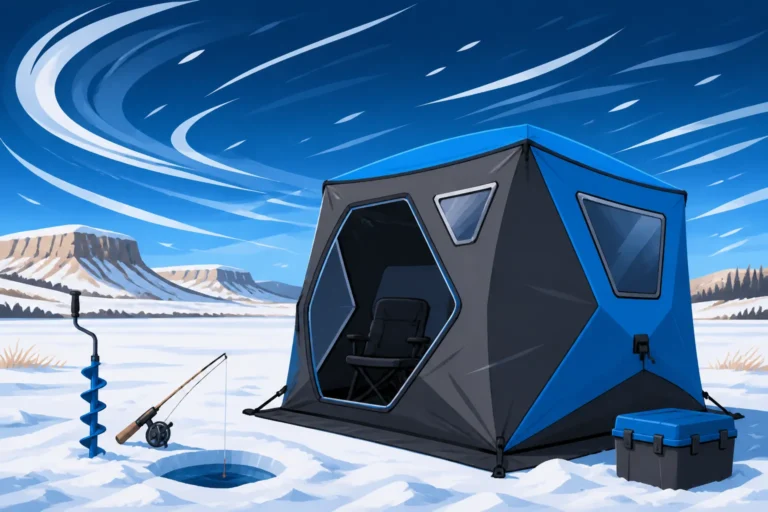
Gone are the days of driving a full-sized truck onto the lake with a permanent fish house for late ice. Portability is key. A lightweight, pull-over or hub-style ice shelter is ideal. These can be easily moved as you test new spots and offer protection from the elements during what can still be chilly, windy North Dakota spring days. Brands like Clam, Eskimo, or Otter offer a variety of portable options. You can often find a good selection of Best Ice Fishing Shelters for North Dakota online.
Even with warming temperatures, a small, portable heater can make a huge difference in comfort, especially on a windy day. Just ensure proper ventilation if using propane heaters. Layering your clothing is also critical, as temperatures can fluctuate rapidly. Dress for the colder morning, but be prepared to shed layers as the day warms up.
Techniques for Maximizing Your Success
Late ice fishing is often about adapting to rapidly changing conditions and leveraging the fish's pre-spawn activity. What worked yesterday might not work today, so flexibility is your friend.
Aggressive vs. Finesse Presentations
One of the most common mistakes late ice anglers make is sticking to the same subtle finesse techniques they used in mid-winter. While finesse still has its place, especially for finicky perch, many species, particularly walleye and pike, are actively feeding and can be triggered by a more aggressive approach.
Try starting with a more vigorous jigging motion for walleye, drawing their attention. For pike, a large spoon or even a jigging rap can draw vicious strikes. If that doesn't work, then scale back to a more subtle presentation. Have multiple rods rigged with different baits and techniques so you can quickly switch. Sometimes, the fish are in a chasing mood, and a fast retrieve or aggressive jigging is just what they need to commit. Don't be afraid to experiment with different lure colors and sizes, too, especially those that mimic the local baitfish. For diverse options, consider exploring the array of Best Bait for North Dakota Fishing available.
Fishing the Margins and Inflow Areas
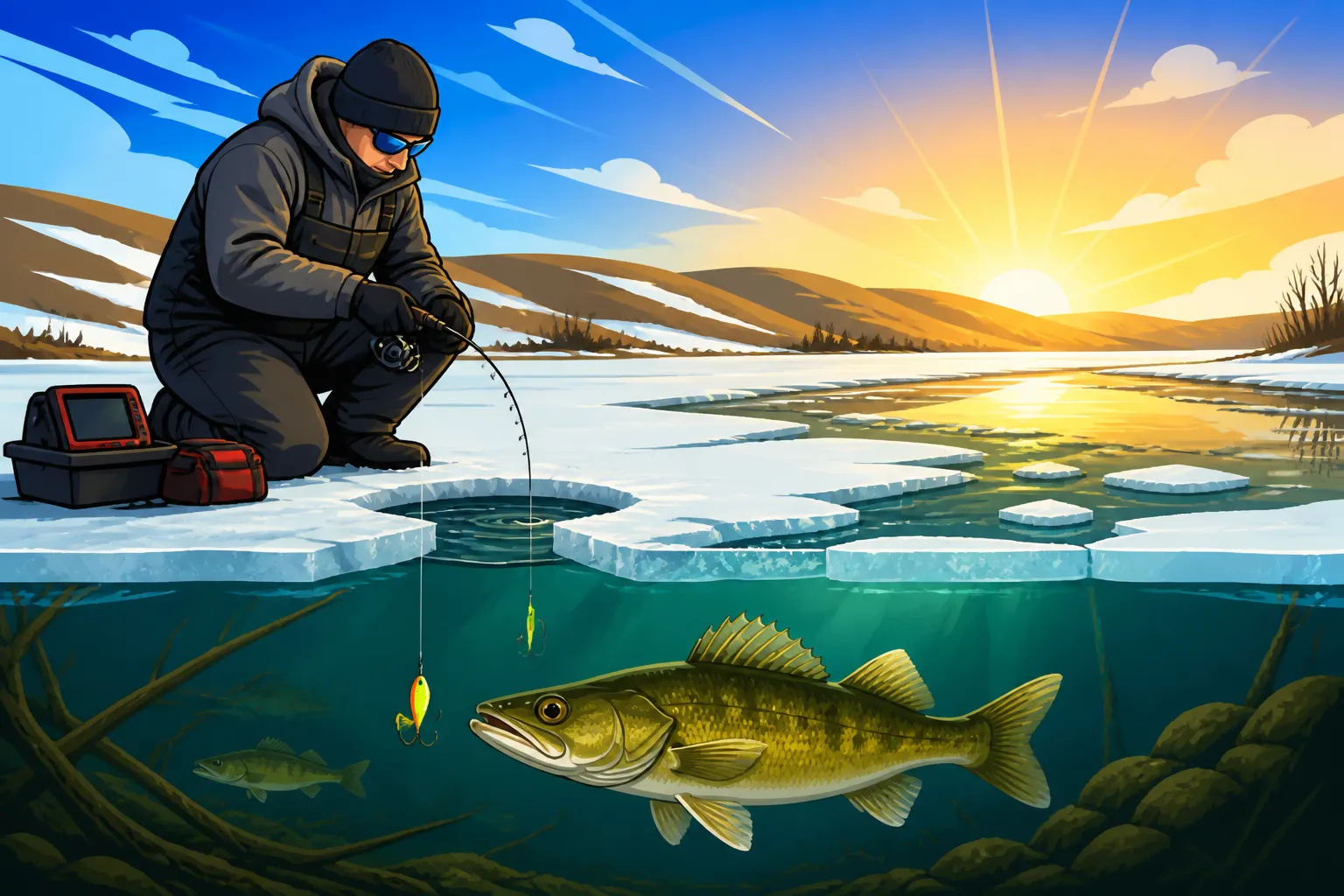
As the ice breaks up, fish will often gravitate towards the edges of the remaining ice. These "ice edges" can act as structure, offering shade and ambush points. They also define areas of colder water meeting warmer open water, creating currents and nutrient lines that attract baitfish. Focus your efforts where the ice meets open water, or where it’s thinnest, but always fish from the safe side of the ice.
Additionally, pay close attention to any areas with flowing water, such as creek inlets or river sections. These are hotbeds for late ice activity. The influx of fresh water brings nutrients and can attract a variety of species. Fish will stage in these areas before moving upstream to spawn, making them prime targets. Just remember, these inflow areas are often the first to open up and can be incredibly dangerous due to current and rapidly eroding ice. Use extreme caution and rely on your spud bar constantly.
Maximizing Your Time on the Ice
Because late ice conditions can change so rapidly, and safety is paramount, efficiency is key. This isn't the time for leisurely, all-day excursions. Plan shorter, more focused trips. Get out early, fish hard, and be prepared to leave when conditions deteriorate. Having your gear organized and easily accessible will save you precious minutes on the ice. A good ice fishing sled, packed smartly, can make moving between spots much more efficient.
Staying mobile and drilling plenty of holes is often more productive than sitting in one spot. Use your electronics to quickly scan new holes for fish or promising structure. Once you locate active fish, work that area thoroughly until the bite dies down. Remember that this season is short and sweet, so make every moment count. Embracing these tips can truly elevate your experience and success during How to Ice Fish in North Dakota, especially as the season winds down. Always be mindful of the North Dakota Fishing Season Calendar to ensure you're fishing legally and ethically.
Late ice fishing in North Dakota offers some of the most memorable and exciting angling of the year. The fish are active, often aggressive, and the feeling of extending your ice season just a little longer is incredibly rewarding. Just remember, the biggest catch you can make during late ice is getting home safely. Prioritize safety above all else, be adaptable with your techniques, and enjoy those precious final days on the hard water.
Disclaimer
This article is for general informational purposes only and does not constitute professional advice. Laws, prices and regulations vary by location and change over time. Consult a qualified professional for guidance on your specific situation.