Best Fly Patterns for North Dakota Rivers
Trying to figure out which fly patterns will actually work on North Dakota's rivers can feel like a real puzzle. You've got everything from the mighty Missouri to the winding Sheyenne, each with its own character, current, and resident fish, not to mention ever-changing water levels and clarity. It's frustrating to stand there, box open, wondering if that flashy streamer or subtle nymph is the right call. This comprehensive guide is here to demystify fly selection, helping you fill your fly box with proven patterns that will bring you success on North Dakota's diverse river systems.
Understanding North Dakota's River Environments and Target Species
Before you even think about specific fly patterns, it's crucial to understand the unique characteristics of North Dakota's rivers and the fish you're most likely to encounter. This isn't your typical freestone trout stream; these waters have their own rhythm and their own inhabitants. Different rivers present different challenges and opportunities, and knowing what lives where and how they behave is the first step to choosing the right fly.
Diverse River Systems: From Big Water to Small Creeks
North Dakota's rivers are incredibly varied. You have the immense power of the Missouri River, a major artery that flows through the state, offering everything from deep channels to rocky banks and tailrace fisheries below dams. This big water often demands larger flies and robust tackle to present them effectively against strong currents. Contrast that with smaller, more intimate rivers like the Sheyenne River or sections of the Pembina, which can be slower, shallower, and often more turbid. These smaller waters might call for more delicate presentations and patterns that imitate insects commonly found in slower-moving environments. Understanding the scale and speed of the water you're fishing will directly influence your fly choice. A pattern that's killer on a swift, clear stretch below the Garrison Dam might be completely overlooked in a muddy, sluggish oxbow.
Key Fish Species to Target with Flies
While North Dakota might not be famous for its fly-fishing-only trout streams, there's an incredible variety of game fish that readily take a fly on our rivers. Walleye, often seen as a jig-and-minnow fish, are surprisingly aggressive fly eaters, especially when they're actively feeding on baitfish or emerging insects. Northern pike are absolute thrill-seekers on a fly rod, attacking large streamers with savage strikes that will get your heart pounding. Smallmouth bass love to ambush flies near rocky structure and current breaks, offering a feisty fight on lighter tackle. Even channel catfish can be targeted with flies, particularly during warmer months when they're less lethargic. Don't forget the various panfish like crappie and bluegill, which provide fantastic action for beginners or those seeking a relaxing day. Each of these species has preferred forage and feeding habits, which guides our fly pattern choices. For example, understanding What Do Walleye Eat in North Dakota Lakes? will inform your choice between a minnow imitation or an insect pattern.
Essential Dry Fly and Emerger Patterns for North Dakota Rivers
While nymphing and streamer fishing often get the most attention on North Dakota rivers, don't underestimate the thrill and effectiveness of dry fly and emerger fishing. There are definitely times and places when fish look up, and having the right patterns can lead to unforgettable surface strikes.
Caddis and Mayfly Imitations for Surface Action
When you see fish rising, or you're anticipating a hatch, having a selection of caddis and mayfly imitations is non-negotiable. North Dakota's rivers experience various insect hatches throughout the year, and matching the hatch, or at least having a general representation, can be incredibly productive. For caddis, patterns like the Elk Hair Caddis in sizes #12-16 are incredibly versatile and float well, making them easy to see. They're a fantastic choice when trout, smallmouth, or even hungry panfish are keying in on adult caddis fluttering on the surface. For mayflies, the Parachute Adams is a universal pattern that imitates a wide range of species and sits nicely in the water's film. Having it in sizes #14-18 will cover most common hatches you might encounter. Even if fish aren't actively rising, a well-placed dry fly can sometimes tempt a curious fish up from the depths, especially in calmer pockets or eddies. You can often find a good selection of these classic patterns on Amazon if your local fly shop has limited stock.
Emerger Patterns for the Subsurface Transition Zone
Fish spend a lot of time feeding on insects as they emerge from the river bottom and ascend to the surface. This "emerger" stage is incredibly vulnerable, and having patterns that mimic this transition can be deadly. The LaFontaine's Sparkle Pupa, in various caddis colors like olive or tan, is an excellent emerger pattern that works wonders when caddis are active. Its unique design perfectly imitates a caddis struggling to break through the surface film. Similarly, a soft-hackle pheasant tail or a Hare's Ear nymph fished just below the surface can be irresistible when mayflies are emerging. These patterns aren't fully submerged nymphs and they're not fully adults; they represent that crucial in-between phase where fish feed with great abandon. Fishing emergers with a short leader and a slight mend can make all the difference, presenting the fly naturally as it drifts in the current, mimicking the helpless insect.
Go-To Nymph Patterns for Subsurface Success in North Dakota
Let's be honest: a huge percentage of a river fish's diet comes from what's drifting just below the surface. Nymphing is, for many, the bread and butter of river fly fishing, and North Dakota is no exception. Having a well-stocked box of nymphs tailored to various conditions and forage types will dramatically increase your success rate.
General Purpose Nymphs for Varied Conditions
When you're not sure what they're eating, or you just need a reliable search pattern, certain nymphs consistently produce results. The Pheasant Tail Nymph and Hare's Ear Nymph are arguably the two most famous and effective nymph patterns globally, and they absolutely shine on North Dakota rivers. Tied in sizes #12-18, these patterns imitate a vast array of aquatic insects, from mayfly nymphs to scuds and even small crustaceans. They are natural-looking, weighted enough to get down, and have just enough subtle flash or movement to attract attention. Fishing them under an indicator, or "Euro nymphing" style, can be incredibly effective, especially in moving water where fish hug the bottom. A small bead-head version of either pattern helps them sink quickly, getting into the feeding zone faster. These are great patterns to tie yourself, and bulk packs of hooks and bead heads are readily available on Amazon for cost-effective fly tying.
Specialized Nymphs for Specific Forage and Situations
Beyond the generalists, having a few specialized nymphs can really make a difference. When baitfish are present, especially in larger rivers like the Missouri River Fishing Guide waters, a larger Stonefly Nymph imitation like a Pat's Rubber Legs or a 20 Incher Stone can mimic not only large stonefly nymphs but also small sculpins or other bottom-dwelling prey. These larger patterns often entice bigger fish, like walleye or larger smallmouth bass, looking for a more substantial meal. For picky fish keying on smaller prey, a tiny Zebra Midge (#18-22) can be incredibly effective, especially in winter or early spring when larger insects are scarce. These tiny patterns imitate chironomids and other small midges that are always present in river systems. Don't forget about scud patterns (e.g., Sowbugs) if you're fishing waters with good weed growth or rocky bottoms, as these crustaceans are a vital food source for many species. Knowing a bit about Brown Trout Waters in North Dakota might lead you to specific scud patterns they prefer.
Effective Streamer Patterns for Aggressive Predators
If you're after the bigger, toothier, and more aggressive fish North Dakota's rivers have to offer, streamers are your weapon of choice. There's nothing quite like the jarring strike of a pike or a chunky walleye smashing a streamer.
Baitfish Imitations for Walleye and Pike
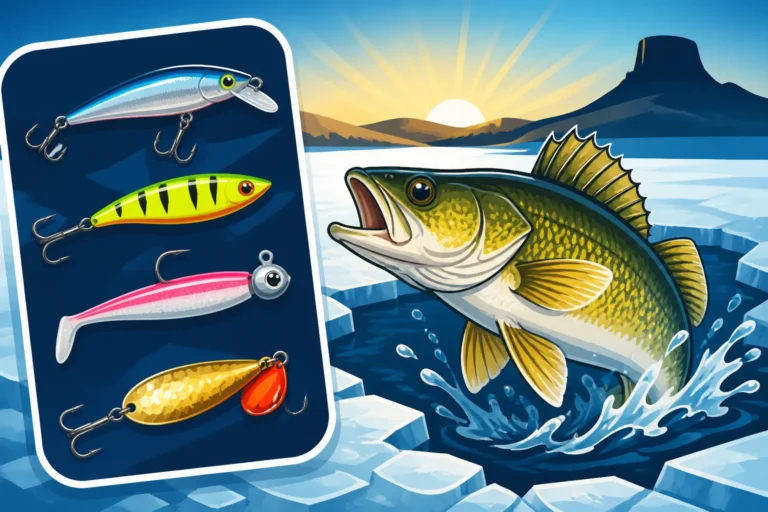
When it comes to targeting predatory species like walleye and northern pike, you want flies that look like their favorite meal: baitfish. Patterns like the Clouser Minnow, Woolly Bugger, and various Leech patterns are phenomenal producers.
The Clouser Minnow, in colors like chartreuse/white, olive/white, or grey/white, mimics small minnows and shiners, darting and diving with an irresistible action. Its weighted eyes ensure it gets down quickly, even in strong currents or when fish are holding deep. For a good North Dakota Walleye Fishing Guide it's almost always a staple.
The Woolly Bugger, a classic for a reason, is incredibly versatile. It can imitate leeches, baitfish, or even crayfish. Black, olive, and brown are essential colors, and having them in various sizes (#4-10) will cover a lot of ground. You can strip it fast, strip it slow, or let it swing in the current; it always looks alive.
Leech patterns, such as the Articulated Leech or Drifter's Dragon, are particularly effective for pike and larger smallmouth bass. These flies offer a large profile and lots of movement, triggering aggressive strikes. Think about the size of the baitfish in the river you're fishing; on the Red River of the North Fishing Guide, larger streamers might be the ticket for trophy channel catfish and pike.
Crayfish and Other Large Prey Imitations
Beyond minnows, many predatory fish key in on crayfish, particularly smallmouth bass. Flies like the NearNuff Crayfish or even a heavily weighted Woolly Bugger in a rusty brown or olive color can be incredibly effective when dragged or hopped along the bottom near rocky areas. These patterns imitate a crayfish scuttling away, a prime meal for a hungry bass. For larger pike, especially in slough areas or backwaters, bigger, bulkier streamers that push a lot of water can draw strikes from a distance. Think about patterns with deer hair heads or rabbit strips that pulsate and flare. These flies often require a heavier fly rod and line, but the payoff can be a truly memorable fight. If you are specifically targeting North Dakota Northern Pike Fishing Guide waters, don't be afraid to go big with your fly choice.
| Fish Species (River) | Preferred Forage (Primary) | Go-To Fly Patterns (Examples) | Typical Sizes | Presentation Style |
|---|---|---|---|---|
| Walleye (Missouri, Red) | Baitfish, larger nymphs | Clouser Minnow, Woolly Bugger, Jig Nymph | #4-10 | Strip retrieve, slow drift |
| Northern Pike (All Rivers) | Baitfish, leeches | Large Streamers (Flashabou, Articulated), Woolly Bugger | #2-4/0 | Fast strip, aggressive jig |
| Smallmouth Bass (Missouri, Sheyenne) | Crayfish, baitfish, insects | Clouser Minnow, Woolly Bugger, Popper, Crayfish patterns | #6-10 | Strip, twitch, dead drift |
| Yellow Perch (Various) | Small insects, minnows | Pheasant Tail Nymph, Hare's Ear, Small Streamers | #10-16 | Dead drift, slow strip |
| Channel Catfish (Red River) | Crayfish, cut bait, worms | San Juan Worm, Woolly Bugger, Leech patterns | #4-10 | Slow drift, bottom bounce |
| Brown Trout (Select Streams) | Caddis, mayflies, midges, baitfish | Elk Hair Caddis, Parachute Adams, Pheasant Tail Nymph, Woolly Bugger | #12-18 | Dry fly, nymphing, small strip |
Adapting Your Fly Box to North Dakota's Seasons and Conditions
North Dakota's weather and water conditions can change dramatically, sometimes within the same day! A truly effective fly angler knows how to adapt their patterns and presentations to the prevailing circumstances. What worked last week, or even this morning, might not work this afternoon.
Seasonal Shifts and Fly Selection
Each season brings its own set of opportunities and challenges on North Dakota's rivers.
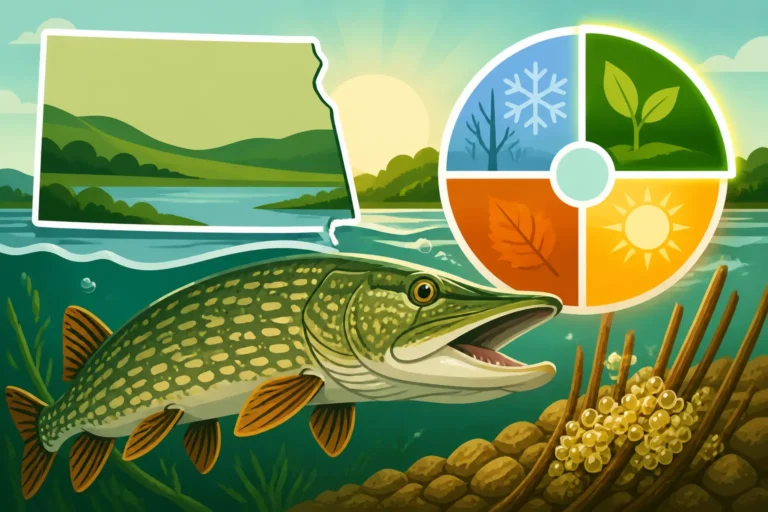
Spring (Ice-Out to Early Summer): This can be a fantastic time for aggressive feeders. Fish are often hungry after winter, and water levels can be high. Larger streamers and heavier nymphs are excellent choices, as fish are looking for substantial meals and often holding close to the bottom. Hatches of caddis and some larger mayflies will begin, leading to opportunities for emergers and dry flies in calmer sections. Remember to check out your North Dakota Ice Out Fishing Guide for tips on transitioning to open water.
Summer: As waters warm, insect activity can be prolific. Dry flies and emergers are often key during hatches, particularly in the mornings and evenings. Smallmouth bass become very active and will hit poppers and floating deer hair patterns with gusto. Nymphs remain consistent producers, and Fishing From a Kayak in North Dakota allows you to access prime summer spots quietly.
Fall: This is prime time for many predatory species as they bulk up for winter. Larger streamers can be deadly for pike and walleye. Mayfly and caddis hatches will still occur, but often become less intense. Focus on baitfish imitations as fish become more aggressive. This is also when North Dakota Fall Fishing Guide strategies truly shine.
Winter (Ice-Covered): While this guide focuses on river patterns, it's worth noting that if rivers remain open, slower, deeper presentations with small nymphs or subtle streamers are often best. For ice fishing on lakes, which is much more common, your fly box would look very different, focused on small jigs and tungsten patterns.
Water Clarity, Flow, and Color
The condition of the water itself is a huge factor in fly choice.
Clear Water: In clear conditions, fish can be more discerning. You'll want more realistic patterns, smaller sizes, and precise presentations. Natural colors like olive, tan, brown, and grey tend to perform best. Your tippet size might need to be lighter to avoid spooking fish.
Turbid or Off-Color Water: When the water is murky from rain or snowmelt, fish rely more on scent and vibration, and sight fishing becomes difficult. This is when flashier, larger, and darker patterns can really shine. Black, chartreuse, and bright orange streamers, or nymphs with hot spots, create a more visible silhouette and push more water. Patterns with rubber legs or a lot of movement also help fish locate them. Fishing During North Dakota's Windy Spring often leads to churned-up, murkier water, so adjust accordingly.
Always be willing to experiment. Start with a proven pattern, but if it's not working after 15-20 minutes, change it up. Try a different size, a different color, or even a completely different type of fly. Sometimes, a subtle change is all it takes to trigger a strike.
Disclaimer
This article is for general informational purposes only and does not constitute professional advice. Laws, prices and regulations vary by location and change over time. Consult a qualified professional for guidance on your specific situation.