White Bass Fishing in North Dakota
Many anglers in North Dakota spend their days dreaming of trophy walleye or battling big northern pike, often overlooking a truly fantastic fighting fish that can provide fast-paced, action-packed days on the water: the white bass. If you've ever felt frustrated by slow bites or wished for more consistent action, then you're in for a treat. This comprehensive guide is dedicated to unlocking the secrets of white bass fishing in North Dakota, helping you understand where to find them, what gear to use, and the best techniques to put more of these feisty fighters in your net.
Understanding North Dakota's White Bass Population
White bass, often called "wipers" when they cross with striped bass, are a fantastic sport fish known for their aggressive strikes and strong fighting spirit. They thrive in North Dakota's larger, often turbid waters, adapting well to a variety of conditions. While they might not get the same press as their walleye cousins, an encounter with a schooling white bass can be one of the most exciting fishing experiences you'll have in the state, offering non-stop action that's perfect for anglers of all skill levels, from beginners to seasoned pros.
Where White Bass Thrive in North Dakota Waters
North Dakota's diverse aquatic landscape provides several excellent habitats for white bass, primarily focusing on the larger reservoir systems and connected river stretches. These fish are highly adaptable, but they truly excel in expansive, open water where they can form massive schools and actively pursue baitfish. This schooling behavior is key to understanding where and when to target them, as finding one often means finding many.
The most prominent white bass fisheries in North Dakota are undoubtedly the Missouri River system and its massive reservoirs, particularly Lake Sakakawea and Lake Oahe. These vast bodies of water offer the perfect combination of depth, forage, and open space that white bass crave. They'll utilize a mix of habitat types throughout the year, from shallow bays in spring to deeper main lake points and humps in summer, always following the bait. You'll also find them in significant numbers in other large reservoirs and river systems that offer similar conditions, especially those with a good population of shad or other small forage fish.
Key Characteristics and Identification
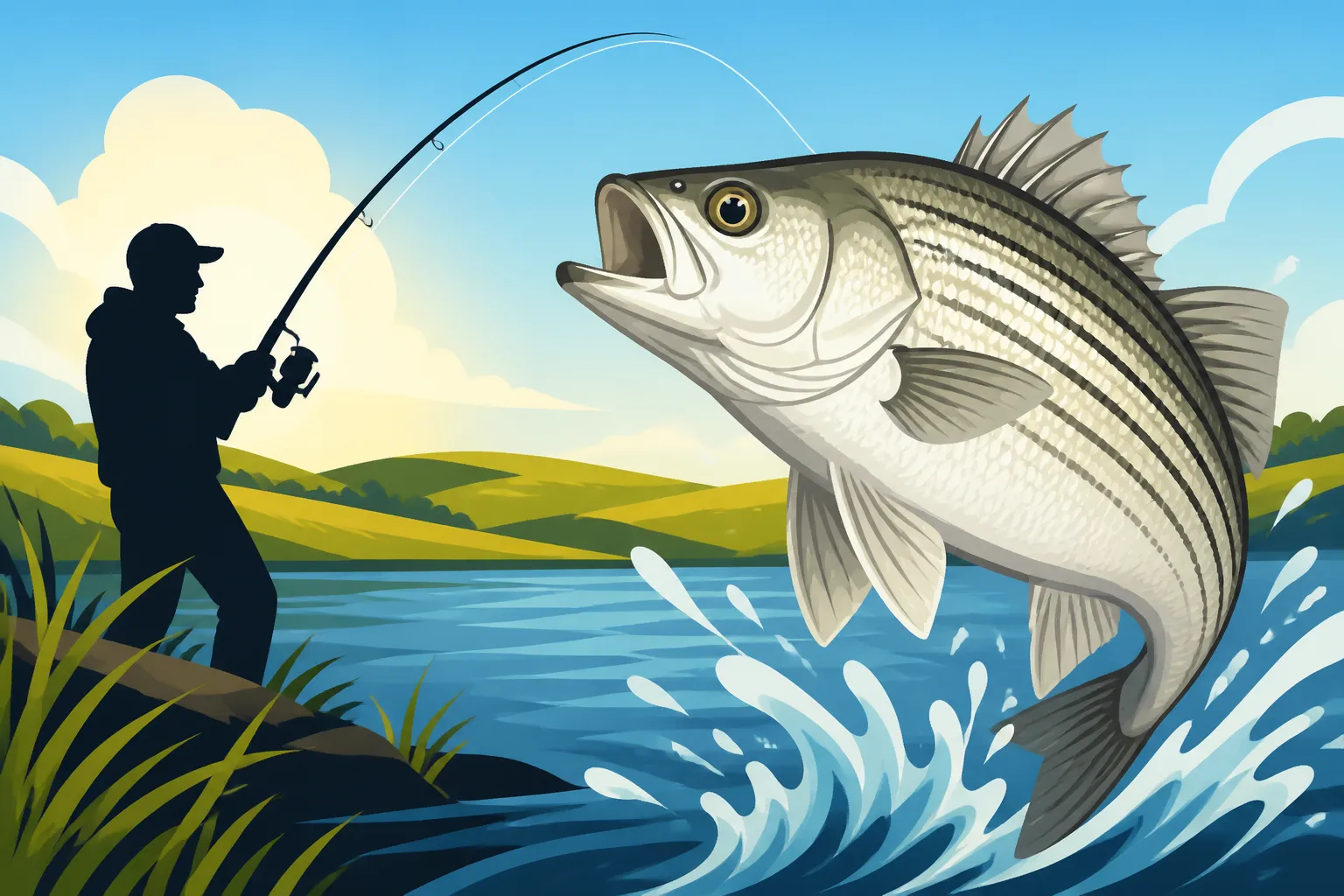
Identifying white bass is generally straightforward, but it's helpful to know what to look for, especially if you're fishing in waters where other similar species, like white perch or even small striped bass hybrids (wipers), might exist. White bass typically have a silvery-white body with several distinct dark horizontal stripes running along their sides. These stripes are usually unbroken, especially the one that extends from behind the gill plate to the tail, which is a key distinguishing feature from hybrid striped bass, where the lines are often broken or irregular.
They possess a deep body, a small head, and a spiny dorsal fin followed by a soft-rayed dorsal fin. Their average size in North Dakota can vary quite a bit, but you'll often catch them in the 10 to 15-inch range, with some individuals pushing into the upper teens or even exceeding 2 pounds. While not as large as some other game fish, a 2-pound white bass fights well above its weight class, delivering powerful runs and head shakes that will keep you on your toes.
Why White Bass are a Great Catch
For many anglers, the sheer abundance and aggressive nature of white bass make them an incredibly appealing target. Unlike species that require finesse and patience, white bass are often eager to strike, especially when they are actively feeding in large schools. This makes them ideal for a lively day on the water, whether you're introducing a new angler to the sport or just looking for non-stop action yourself. There's nothing quite like dropping a lure into a busting school of white bass and hooking up on nearly every cast.
Beyond the excitement of the fight, white bass are also surprisingly good table fare. Their white, flaky meat is mild and delicious, making them a welcome addition to any cooler. Many anglers compare their taste and texture favorably to walleye, especially when prepared fresh. So, not only do you get an exhilarating fishing experience, but you also get a tasty meal to take home. They truly offer a fantastic combination of sport and sustenance, and their willingness to bite often means you can fill a cooler relatively quickly when you find them.
Prime White Bass Fishing Seasons and Times
Understanding the seasonal patterns and preferred feeding times of white bass is crucial for consistent success. These fish are highly migratory and their behavior changes significantly throughout the year, largely dictated by water temperature and the movements of their prey. Being in the right place at the right time with the right presentation can make all the difference between a slow day and a banner one.
Spring Awakening: Post-Spawn Feasts
As the ice retreats and water temperatures begin to climb into the 50s Fahrenheit, white bass start to shake off their winter lethargy and become increasingly active. The spring season, particularly after their spawn, offers some of the most consistent and exciting white bass fishing opportunities in North Dakota. White bass typically spawn in tributary rivers and shallow, current-swept areas when water temperatures reach the mid-50s to low-60s. After they've completed this energy-intensive process, they go on a major feeding binge to recover.
During this post-spawn period, you'll often find them congregating in large schools in transition areas between their spawning grounds and their summer haunts. Look for them around points, submerged humps, and the mouths of creeks and rivers that feed into larger reservoirs like Lake Sakakawea Fishing Guide for North Dakota Anglers or Missouri River Fishing Guide. They'll be aggressively feeding on whatever baitfish are available, making them very susceptible to a variety of lures. This is a fantastic time to use smaller crankbaits, jigs with soft plastics, or even spinnerbaits fished near the surface or in the mid-water column. Early mornings and late evenings are often prime times, but if you find an active school, they can bite all day long.
Summer Frenzy: Schooling Action
Summer is perhaps the most iconic season for white bass fishing in North Dakota, characterized by explosive topwater action and large, aggressive schools chasing baitfish. As water temperatures continue to warm, white bass move into deeper, more open water, forming massive schools that relentlessly pursue shad and other forage fish. This is when you'll witness the legendary "white bass boils" where huge schools of fish drive baitfish to the surface, creating a chaotic and exhilarating feeding frenzy that can be seen from a distance.
When these boils erupt, it's pure pandemonium – cast almost anything into the commotion, and you're likely to hook up instantly. If you don't see surface activity, don't despair. White bass schools will often suspend in the mid-water column over deeper flats, humps, and points, especially in areas like those found on Lake Oahe Fishing Guide. Your fish finder will become your best friend in locating these subsurface schools. Once located, vertical jigging or casting spoons, jigging raps, or even small crankbaits can be incredibly effective. Pay attention to wind-blown shorelines and current breaks, as these areas often concentrate both baitfish and the white bass that prey on them. Hot, sunny days can often lead to the most intense schooling activity, especially in the mornings and evenings.
Fall Feeding Blitz
As the long summer days begin to shorten and water temperatures start to drop, white bass enter their fall feeding blitz, preparing for the lean winter months ahead. This period offers another fantastic opportunity for anglers, as the fish become incredibly aggressive, putting on weight before the cold sets in. Their patterns often revert somewhat to those seen in late spring, as they begin to move from deep, open water towards shallower areas, though still often relating to structure.
During the fall, white bass will actively feed on large schools of baitfish, often found along main lake points, channel edges, and flats adjacent to deeper water. They might not exhibit the same explosive topwater boils as in summer, but they will still be grouped up and feeding voraciously. Trolling crankbaits at various depths, casting jigs with plastics, or working blade baits along contours can be highly productive. Focus on water temperatures in the 50s Fahrenheit, as this tends to be a sweet spot for their fall activity. The bite can remain strong right up until the water temperatures drop significantly and ice begins to form, offering a final flurry of action before the North Dakota Ice Fishing Rules take over.
Essential Gear for White Bass Success
You don't need a boatload of specialized, expensive gear to catch white bass, which is one of the many reasons they're such a great target for casual and serious anglers alike. However, having the right setup can definitely enhance your experience and increase your hook-up ratio, especially when you encounter those fast-paced, schooling fish. Think light, responsive, and durable when assembling your white bass arsenal.
Rods, Reels, and Line Choices
For white bass, a light to medium-light action spinning rod, typically in the 6 to 7-foot range, is ideal. This rod length provides enough casting distance for covering water while still offering the sensitivity needed to detect subtle bites and the backbone to handle their aggressive fights. A fast action tip will help with quick hook sets. Paired with this, a quality spinning reel in the 1000 to 2500 size range will be perfect. You want a smooth drag system, as even smaller white bass can make powerful runs, especially when hooked in current. Brands like Shimano, Daiwa, and Pflueger offer excellent options that are readily available on platforms like Amazon.
When it comes to fishing line, a good all-around choice is 6 to 8-pound test monofilament or fluorocarbon. Monofilament offers a bit more stretch, which can be forgiving with aggressive strikes, while fluorocarbon provides excellent sensitivity and invisibility in clear water. Many anglers, myself included, prefer using 10 to 15-pound test braided line with a fluorocarbon leader (6-8 pound) of about 18-36 inches. The braid offers superior casting distance, sensitivity for feeling light bites, and incredible strength for managing multiple hook-ups, while the fluorocarbon leader provides stealth. The choice really depends on personal preference and water clarity, but braided line will give you an edge, especially when fishing for deep-running schools. For tips on spooling, you might check out articles like How to Spool a Spinning Reel for Walleye.
Top Lures and Baits for White Bass
White bass are not particularly picky eaters when they're in a feeding frenzy, but certain lures consistently outperform others. The key is often matching the hatch – imitating the size and action of the baitfish they are feeding on. Small spoons are absolute killers for white bass. Think slender casting spoons like a Kastmaster or Little Cleo, or vertical jigging spoons for deeper water. Colors like silver, gold, and white are always reliable. Another highly effective option is jigs paired with soft plastic bodies. Small grubs (1-3 inches), swimbaits, or paddle tails in white, chartreuse, or pearl colors, rigged on 1/8 to 1/4 ounce jig heads, are deadly.
Crankbaits, especially smaller ones that dive to 5-10 feet, can be incredibly effective when trolling or casting into schooling fish. Lipless crankbaits, like a Rat-L-Trap, are also fantastic for covering water and eliciting aggressive strikes. Topwater lures, such as poppers or small walking baits, are a blast to use when white bass are busting on the surface. Nothing beats seeing a white bass explode on a topwater bait! Spinnerbaits, particularly smaller versions with willow or Colorado blades, also have their moments, especially in stained water or around submerged vegetation. Remember, having a selection of these lures in your tackle box from sources like Amazon will ensure you're ready for any situation.
Electronics and Accessories
While not strictly necessary, having a good fish finder can dramatically increase your success, especially during the summer and fall months when white bass are often suspended in open water. A quality fish finder, whether it's a basic model or a more advanced unit with side imaging, will help you locate those massive schools of baitfish and the white bass feeding on them. It takes the guesswork out of finding the fish and allows you to focus on presentation. A handheld GPS or a chartplotter on your boat can also be invaluable for marking productive spots, especially on large bodies of water.
Beyond electronics, a few other accessories will make your white bass fishing trips more enjoyable. A good landing net is essential, especially when you're hitting multiple fish in a short period. A pair of long-nose pliers or a hook remover will help you quickly and safely unhook fish. A livewell or a quality cooler with ice will be crucial if you plan on keeping some fish for dinner, ensuring they stay fresh. And of course, don't forget your polarized sunglasses to help you spot surface activity and read the water, along with a good pair of sun protection gloves and a wide-brimmed hat.
| Lure Type | Best Conditions / Techniques | Effective Colors | Notes |
|---|---|---|---|
| Jigs & Plastics | Vertical jigging, casting, varying retrieve speeds, all depths | White, Chartreuse, Pearl, Smoke | Versatile, great for imitating small baitfish. |
| Casting Spoons | Fast retrieve for schooling fish, covering open water, deeper jigging | Silver, Gold, White | Mimics injured baitfish, good flash. |
| Crankbaits | Trolling, casting into schools, targeting specific depths | Chrome/Blue, Shad patterns, Firetiger | Effective for active fish, great for covering water. |
| Lipless Cranks | Rip-jigging, covering flats, evoking aggressive strikes | Chrome, Shad, Firetiger | High vibration, good for alerting fish from a distance. |
| Topwater Lures | Surface boils, low light conditions, calm water | White, Chrome, Bone | Exciting visual strikes, ideal for active surface feeders. |
| Blade Baits | Vertical jigging, searching for suspended fish | Silver, Gold, Chrome/Blue | High vibration, effective for deep water and current. |
Effective White Bass Fishing Techniques
Catching white bass consistently isn't just about having the right gear; it's about understanding their behavior and employing effective techniques to capitalize on their aggressive nature. These fish are often found in schools, and once you locate them, the action can be fast and furious. Mastering a few key methods will ensure you're ready for whatever the white bass throw your way.
Locating Schools: The Key to Success
The number one rule for white bass fishing is "find the school, find the fish." White bass are almost always found in large groups, and they are constantly on the move, chasing baitfish. This means active searching is usually required. Your best tools for this are your eyes, your electronics, and an understanding of their seasonal movements. Look for signs of surface activity: crashing baitfish, birds diving, or actual white bass busting the surface in a feeding frenzy. These "boils" are unmistakable and often indicate a massive school below.
If surface activity isn't apparent, especially during summer and fall, your fish finder becomes indispensable. Spend time idling over main lake points, submerged humps, channel edges, and large flats. Watch for dense schools of baitfish, and you'll often see larger arches or blobs of white bass lurking beneath or around them. Often, white bass will hold in the mid-water column, so pay attention to different depth ranges. In rivers like the Missouri River Fishing Below Garrison Dam in North Dakota, they'll often hold in current seams, eddies, and deeper holes where baitfish are concentrated or seeking refuge from the flow. Once you find a school, be prepared for some intense action!
Casting and Retrieval Strategies
When you've located a school of white bass, whether they're busting on the surface or showing up on your electronics, a well-executed cast and retrieve can lead to immediate hook-ups. For surface activity, cast your topwater lure, spoon, or lipless crankbait directly into the melee. If using a topwater, work it with quick, erratic twitches to imitate a panicked baitfish. For spoons and lipless cranks, a fast retrieve with occasional pauses or jerks is often all it takes. The fish are already in a feeding mood, so don't be shy with your retrieve speed.
If the fish are suspended below the surface, casting a jig with a soft plastic grub, a small swimbait, or a casting spoon is a great approach. Let the lure sink to the depth where you're seeing fish on your graph, then use a retrieve that mimics an injured baitfish. This can be a steady retrieve, a stop-and-go retrieve, or even a lift-and-drop presentation. Experiment with different speeds and actions until you find what triggers the bites. Sometimes, a faster retrieve is best to entice their aggressive nature, while at other times, a more subtle approach might be needed. The key is to keep your lure in the strike zone as long as possible.
Trolling for White Bass
Trolling is another incredibly effective technique for covering large areas and finding scattered schools of white bass, especially when they aren't actively busting on the surface. This method is particularly useful on vast bodies of water like Lake Sakakawea or Lake Oahe, where fish can be spread out. Trolling allows you to present multiple lures at different depths and speeds until you dial in what the fish prefer. You can also cover different types of structure, like long points or flats, systematically.
Small crankbaits are the go-to choice for trolling white bass. Experiment with different diving depths and colors to see what's working. Setting up multiple rods with different lures and diving depths can help you quickly identify the pattern. Pay close attention to your speed; often, a speed between 1.5 and 2.5 mph is effective, but sometimes faster or slower is required. If you're marking fish on your electronics but not getting bites, adjust your trolling speed or switch up your lures. Trolling motor systems, like those you might find on Amazon, with GPS capabilities can help you maintain consistent speeds and follow contours precisely, increasing your success rate. For more on general trolling, you could check out Summer Walleye Trolling Techniques as many principles apply.
Finding the Best White Bass Fishing Spots
North Dakota is blessed with several fantastic fisheries that offer prime white bass opportunities. Knowing where to start your search can save you a lot of time and lead to more productive outings. While white bass are nomadic, they do tend to congregate in certain types of water and in specific locations within those waters.
Major Lakes and Reservoirs Known for White Bass
Without a doubt, the Missouri River system reservoirs are the superstars for white bass fishing in North Dakota. Lake Sakakawea Fishing Guide for North Dakota Anglers is arguably the premier white bass destination. Its immense size, abundant baitfish populations, and diverse structure provide an ideal habitat for large schools. Look for white bass in the main lake basin, especially around large points, submerged islands, and deep flats. Areas with current flow, such as the upper end of the lake near the river inflow, can also be hot spots.
Further downstream, Lake Oahe Fishing Guide also holds a thriving population of white bass. Similar to Sakakawea, Oahe's expansive waters and strong forage base lead to excellent white bass fishing. Focus on the larger bays, main channel bends, and rocky points. Beyond the Missouri River system, other large reservoirs and river impoundments across the state may also hold good populations. Always consult the North Dakota Game and Fish Department's fishing reports and regulations for the most up-to-date information on specific lake conditions and species populations.
River Systems and Tributaries
While the big reservoirs are often the main draw, don't overlook the potential of river systems and tributaries, especially during the spring spawn. White bass will migrate upstream into these areas to spawn when water temperatures are right. The Missouri River itself, particularly below the Garrison Dam and near its confluences with other rivers, can offer excellent opportunities. Look for areas with a good current seam, eddies, and deeper holes where fish might stage before or after spawning.
During the summer and fall, white bass in river systems will often relate to current breaks, wing dams, bridge pilings, and any structure that offers a break from the main current while still providing access to passing baitfish. Casting jigs or small crankbaits into these areas can be very effective. Remember to adjust your boat positioning or casting angles to work with the current, not against it, to present your lure naturally. Missouri River Fishing Through Bismarck, North Dakota can offer some accessible river white bass action.
Shore Fishing and Boat Access
One of the great things about white bass is that they can often be caught from shore, especially during certain times of the year or in specific locations. During the spring spawn, when fish move into shallower, more accessible river sections or creek mouths, shore anglers can have a field day. Public fishing piers, access points at state parks like those mentioned in Fishing in North Dakota State Parks, and road crossings over rivers or large creeks are all potential hotspots.
However, for consistent summer and fall success, particularly when targeting schooling fish in open water, a boat is almost essential. A boat allows you to cover vast expanses of water, chase down breaking schools, and access deeper structures that are out of reach from shore. Whether it's a modest aluminum fishing boat, a larger fiberglass multi-species rig, or even a well-equipped fishing kayak, having mobile access will significantly increase your white bass fishing opportunities. For those looking for accessible spots, checking out North Dakota Fishing Access Sites on Lake Sakakawea or Fishing Piers and Shore Access in North Dakota can provide good starting points.
Conservation and Responsible Angling for White Bass
While white bass are abundant and offer generous limits, it's still important to practice responsible angling and conservation to ensure these exciting fisheries remain healthy for future generations. Our actions on the water have a direct impact, and being mindful of regulations and best practices is simply part of being a good steward of North Dakota's natural resources.
North Dakota Regulations for White Bass
Like all game fish in North Dakota, white bass are subject to specific regulations designed to manage their populations and promote sustainable angling. These regulations typically include daily creel limits (how many fish you can keep) and possession limits (how many you can have in your possession). Unlike some other species, white bass usually do not have size limits, reflecting their abundance and fast growth rates. However, it's absolutely crucial to always check the most current North Dakota Game and Fish Department's fishing proclamation or website before you head out.
Regulations can change year to year, or even seasonally, based on population surveys and management objectives. What was legal last year might not be this year, so don't rely on old information. Understanding and adhering to these rules is not just about avoiding penalties like those described in Penalties for Fishing Without a License in North Dakota; it's about contributing to the health and longevity of the fishery. Ignorance of the law is never an excuse, so take a few minutes to review the current rules for your specific body of water.
Practicing Catch and Release When Applicable
While white bass are excellent table fare and often caught in numbers, there will be times when practicing catch and release is appropriate or simply part of your angling philosophy. This is especially true if you've caught more than you need for a meal, or if you encounter particularly large specimens that you might want to return to the water to reproduce. White bass are prolific spawners, but allowing larger, healthier fish to return to the population contributes to stronger future generations.
If you choose to release white bass, handle them carefully. Use wet hands to minimize the removal of their protective slime coat, and avoid squeezing them too tightly. If a fish is deeply hooked, consider cutting the line as close to the hook as possible rather than trying to rip the hook out, which can cause more damage. For fish you intend to keep, dispatch them quickly and place them on ice immediately to preserve their quality. By being mindful of your harvest and practicing responsible catch and release, you help ensure that North Dakota's white bass fisheries remain vibrant and exciting for years to come.
Disclaimer
This article is for general informational purposes only and does not constitute professional advice. Laws, prices and regulations vary by location and change over time. Consult a qualified professional for guidance on your specific situation.