Best Fishing Tackle for North Dakota Lakes
Stepping into the world of fishing in North Dakota can be incredibly exciting, but also, let's be honest, a little overwhelming when you start looking at all the tackle options out there. With so many lakes, rivers, and diverse species calling our waters home, it's easy to feel lost amidst the endless rows of lures, lines, and hooks. This comprehensive guide is here to cut through the confusion and help you confidently select the best fishing tackle for the unique and often challenging fishing environments found across North Dakota.
Understanding North Dakota's Diverse Waters
Before you even start thinking about what specific lure to buy, it's crucial to understand the different types of water bodies you'll be fishing in North Dakota. Each has its own personality, presenting unique challenges and opportunities that directly influence your tackle choices. What works like a charm on a vast reservoir might be completely out of place on a slow-moving river.
Lake Sakakawea's Challenges
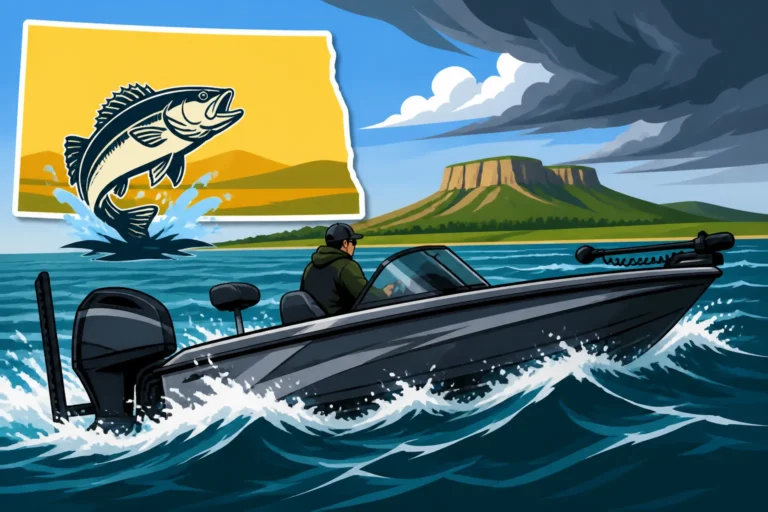
Lake Sakakawea is a behemoth, a truly immense body of water that can feel more like an inland ocean than a lake. Its sheer size means you're often dealing with big wind, big waves, and deep, open water, along with intricate submerged structures, points, and bays. The fishing here is incredibly diverse, with trophy walleye, northern pike, smallmouth bass, and even Chinook salmon making their home in its vast expanses. This variety demands versatile tackle.
Fishing Sakakawea often means covering a lot of water, whether you're trolling for walleye in the main lake or casting for smallmouth on rocky points. Your gear needs to be robust enough to handle potential strong currents and sudden changes in weather. You're not just fishing for dinner; you're often battling the elements as well. Therefore, durability and power in your rods, reels, and lines are paramount, and having a good selection of various lure types for different depths and conditions is key. Think about how a huge, open body of water can impact your lure choice—heavy enough to cast long distances, but still with the right action.
Devils Lake's Unique Features
In stark contrast to Sakakawea's open water, Devils Lake is famously known for its flooded timber and fluctuating water levels. This "perch capital" and walleye factory presents a different set of challenges. The lake is a maze of submerged trees, old fence lines, and even flooded roads, which are fantastic fish habitats but also notorious snag zones. Precision casting and snag-resistant tackle are often more valuable here than sheer casting distance.
Fishing in Devils Lake often involves getting right into or along these flooded structures, which means your tackle needs to be tough enough to pull fish out of cover without breaking off. Think about tactics that allow you to probe tight spots or work through dense branches. Anglers here often favor jigs and soft plastics that can be worked vertically or retrieved slowly to avoid snags, or crankbaits that are designed to deflect off wood. Understanding Devils Lake Perch Fishing Spots or Devils Lake Walleye Fishing Spots can really inform your tackle choices, as different areas of the lake will demand different approaches.
Rivers and Smaller Lakes
North Dakota is also blessed with numerous rivers like the Missouri and Red River of the North, along with countless smaller lakes and reservoirs. These waters each have their own distinct characteristics. The Missouri River, especially below the Garrison Dam, offers strong currents and deeper channels, ideal for sauger and walleye, while the slower sections and backwaters hold excellent populations of northern pike and catfish. The Red River is a legendary destination for massive channel catfish, demanding specialized heavy-duty gear to tackle the current and the big fish.
Smaller lakes and ponds, often stocked with trout, panfish, or pike, present less intimidating environments. Here, lighter tackle, smaller lures, and simpler presentations often shine. These spots are fantastic for beginners or family outings, where the focus is more on quantity and less on battling massive currents. Your tackle choices can be much simpler – a basic spinning rod and reel with a handful of versatile lures or bait setups will often suffice. Knowing the nuances of Missouri River Fishing Below Garrison Dam in North Dakota or Red River Catfish Fishing Spots in North Dakota will guide your tackle choices specifically for these environments.
Essential Tackle for Walleye in North Dakota
Walleye are undoubtedly North Dakota's most sought-after game fish, and for good reason! They're delicious, challenging to catch, and thrive in many of our state's premier lakes. To consistently hook into these finicky eaters, you need a diverse array of tackle tailored to their habits and the conditions you'll encounter.
Jigs and Soft Plastics
Jigging is a classic and incredibly effective method for walleye, especially in deeper water or when fish are holding tight to structure. The beauty of jigs lies in their versatility: they can be tipped with live bait (like minnows or leeches), soft plastics, or even just fished bare. For North Dakota walleye, you'll want a range of jig weights, typically from 1/8 ounce for shallower water or light current, up to 1/2 or even 3/4 ounce for deeper water or strong winds on places like Lake Sakakawea.
When it comes to soft plastics, paddle tails, curly tails, and fluke-style baits are all proven walleye producers. Colors like chartreuse, white, perch, and various shades of glitter-infused plastics are perennial favorites. The key is to match the hatch or use a color that stands out in stained water. Experimentation is crucial, as walleye can be incredibly finicky about color on any given day. A common technique is to present your jig vertically, lightly tapping the bottom or lifting and dropping it just above the fish you see on your sonar. Many anglers find a good selection of jigs and soft plastics from trusted brands easily available at stores like Bass Pro Shops or online through Amazon.
Crankbaits and Trolling Gear
When walleye are scattered over large flats, suspended in the water column, or simply unwilling to chase a jig, trolling with crankbaits becomes your go-to strategy. Crankbaits come in an astonishing variety of shapes, sizes, and diving depths, making selection a bit of an art form. You'll want a collection that covers various depths, from shallow-running models for springtime walleye in bays to deep divers that can reach 20 feet or more when targeting summer fish in open water.
Colors for crankbaits are just as diverse as jigs, but some patterns consistently produce. Natural baitfish patterns (perch, shiner, smelt) are always good, as are brighter colors like firetiger, chartreuse, and clown patterns, especially in stained water. Trolling gear includes specialized rods with a softer tip for detecting subtle bites, line counter reels for precise depth control, and mainline options like monofilament or fluorocarbon, often paired with a small, strong snap swivel. Understanding Summer Walleye Trolling Techniques can help you refine your selection and approach. Always have a few different styles and colors on hand, because what worked yesterday might not work today.
Bottom Bouncers and Spinner Rigs
Another incredibly effective presentation for walleye, particularly when they're feeding on the bottom or near subtle structure, is the bottom bouncer with a spinner rig. This setup allows you to present live bait (like a nightcrawler, minnow, or leech) at a controlled depth, often just off the bottom, as you slowly troll or drift. The bottom bouncer keeps your bait out of snags and upright, while the spinner rig adds flash and vibration to attract attention.
Bottom bouncers range in weight from 1/2 ounce to 3 ounces, depending on depth, current, and boat speed. You'll want a variety to adapt to changing conditions. Spinner rigs, also known as crawler harnesses, come in many blade colors and sizes. Colorado blades are great for maximum thumping vibration, while willowleaf blades offer less resistance and good flash, often preferred in clearer water or when fish are less aggressive. A great tip for presentation is to slow down—sometimes just barely moving—allowing the blade to spin and the bait to enticingly wiggle. Best Live Bait for North Dakota Walleye goes hand-in-hand with this technique, so be sure to stock up on fresh bait.
Tackle for Northern Pike and Muskie (The Big Predators)
North Dakota is home to some truly monstrous northern pike, and a burgeoning muskie fishery in certain lakes. These toothy predators are aggressive, powerful, and demand tackle that can stand up to their ferocious strikes and brutal fights. You simply can't bring a walleye setup to a pike fight and expect to win.
Large Spoons and Spinnerbaits
Spoons and spinnerbaits are classic pike and muskie lures, and for good reason. They cast like a dream, cover water efficiently, and their flash and vibration mimic injured baitfish perfectly. For pike, think spoons in the 3/4 ounce to 2 ounce range, in bright colors like red and white, five of diamonds, or silver/blue. Spinnerbaits with large, thumping blades (Colorado or Willowleaf combinations) in white, black, chartreuse, or perch patterns are excellent choices, especially when fishing around weeds or cover.
When targeting muskie, you'll want to scale up even further. Spoons can be enormous, sometimes 4-6 inches long, and muskie-specific spinnerbaits often feature multiple large blades and heavy skirts. The key with these lures is not just size, but also durability. Pike and muskie have powerful jaws and razor-sharp teeth that can mangle lesser tackle. Investing in quality lures with strong components will save you heartache (and lost fish). Northern Pike Casting Techniques often revolve around these types of lures.
Jerkbaits and Swimbaits
Jerkbaits and swimbaits offer different actions that can be irresistible to large predators. Jerkbaits are designed to be retrieved with a series of jerks and pauses, creating an erratic, dying-baitfish action that often triggers violent strikes. These are particularly effective in cooler water or when fish are actively hunting. Large jerkbaits (5-8 inches) in natural baitfish colors or bright perch patterns are excellent for both pike and muskie.
Swimbaits, especially soft plastic models rigged weedless, are fantastic for working through heavy cover where pike often lurk. They offer a more subtle, lifelike swimming action on a steady retrieve. Hard-bodied swimbaits, with their articulated segments, mimic real fish with incredible realism. Again, size matters here; don't be afraid to throw large baits when hunting trophy pike or muskie. Your retrieve speed and cadence will often be the key to triggering a strike, so experiment!
Wire Leaders and Heavy Line
This is non-negotiable for pike and muskie fishing: you MUST use a wire leader. Their teeth will sever monofilament or fluorocarbon line in an instant. There are various types of wire leaders, from stranded steel to titanium, and they come in different lengths and breaking strengths. Generally, a 9-12 inch leader in the 30-80 pound test range is appropriate, depending on the size of fish you expect to encounter.
Pair these leaders with heavy braided line, typically 30-65 pound test for pike, and often 80-100 pound test for muskie. Braid offers superior strength, sensitivity, and resistance to abrasion, which is crucial when fishing around heavy cover. Your rods should be medium-heavy to heavy power with a fast action, capable of casting large lures and handling powerful fish. Reels should have a strong drag system and ample line capacity. It's truly disheartening to hook into a monster only to have your line snap because you skimped on the leader!
Gear for Perch and Panfish (Fun for Everyone)
While North Dakota is famous for its walleye and pike, the state also offers fantastic opportunities for panfish, especially yellow perch, bluegill, and crappie. These species are not only abundant but also incredibly fun to catch, making them perfect targets for beginners, kids, or anyone looking for consistent action. Light tackle is the name of the game here, maximizing the fight of these smaller but scrappy fish.
Small Jigs and Live Bait Rigs
For perch and other panfish, finesse is often more important than power. Small jigs, typically 1/32 ounce to 1/8 ounce, are incredibly effective. These can be tipped with tiny pieces of live bait like wax worms, maggots (spikes), or even just a small minnow head. Soft plastic baits in micro sizes, mimicking insects or small crustaceans, also work wonders. Think bright colors like chartreuse, orange, or pink, especially in darker waters or during ice fishing.
Beyond jigs, simple live bait rigs are perennial favorites. A small hook (size 8-12), a split shot or two, and a small bobber setup with a lively minnow, worm, or insect under it is deadly for panfish. Presentation is key: often, just letting the bait sit still or imparting a very subtle twitch is enough to entice a bite. Remember, these fish have smaller mouths, so smaller hooks are essential for good hooksets. Yellow Perch and Panfish Daily Limits Explained gives good insight into how abundant these species can be!
Bobbers and Floats
Bobbers and floats might seem old-school, but they are incredibly effective for panfish, especially when fishing from shore, a dock, or simply trying to suspend your bait at a specific depth. They signal a bite clearly and allow for a natural presentation. Slip bobbers are particularly versatile as they let you fish at any depth, while fixed bobbers are great for shallower water. Different sizes are available, so pick one that's just big enough to suspend your bait without too much resistance when a fish bites.
On windy days, or when targeting slightly deeper fish, a weighted bobber can help with casting distance and keeping your bait more stable. Clear, stealthy bobbers can be beneficial in pressured or very clear waters. The key is to match the bobber to your bait and the conditions. You want it sensitive enough to show even the lightest bite, but not so small that it's constantly pulled under by the current or wind.
Ice Fishing Specifics
When the lakes freeze over in North Dakota, the panfish action often heats up, especially for yellow perch on Devils Lake. Ice fishing for panfish requires specialized tackle. Small, ultra-light jigging rods with sensitive tips are crucial for detecting the often subtle bites. Reels are typically small spinning reels or simple inline reels for minimal line twist.
Your ice tackle box will be filled with tiny jigs, often called "tungsten jigs," which are denser than lead and get down to depth faster with less bulk. Pair these with small soft plastics like "spikes" or "maki" plastics, or the real thing (wax worms and maggots). Spring bobbers, which attach to your rod tip and offer extreme bite detection, are also very popular. How to Catch Perch Through the Ice in North Dakota provides even more detailed strategies. These setups allow for precise presentations and make even the slightest nibble visible, turning a cold day on the ice into a productive one.
Tackle for Channel Catfish (Red River Beasts and More)
North Dakota, particularly the Red River of the North, is a true mecca for trophy channel catfish. These powerful, hard-fighting fish demand heavy-duty tackle that can withstand their incredible strength and the strong currents they often inhabit. If you're serious about battling a true Red River monster, your gear needs to be up to the task.
Heavy Duty Bottom Rigs
Catfish are primarily bottom feeders, so a robust bottom rig is essential. The classic North Dakota catfish rig often involves a heavy sinker to hold your bait in place against strong currents. Bell sinkers, pyramid sinkers, or flat no-roll sinkers in weights from 2 ounces up to 8 ounces (or more in extreme current) are common. These are typically used with a "Carolina rig" or a variation of a three-way swivel rig, which allows your bait to move naturally near the bottom while the weight holds position.
Your mainline should be heavy monofilament (20-30 lb test) or, more commonly, braided line (50-80 lb test) for its incredible strength and sensitivity. Leaders are usually 30-50 lb test monofilament or fluorocarbon, about 12-24 inches long, connecting to a strong swivel and hook. The key is balance: enough weight to hold, strong enough line to pull, and a hook that will stay set in a powerful jaw. Red River Catfish Fishing Spots in North Dakota often dictates these heavier setups due to the river's flow.
Circle Hooks and Bait Options
When it comes to hooks for catfish, circle hooks are overwhelmingly popular, and for good reason. They are designed to hook fish in the corner of the mouth, leading to fewer gut-hooked fish (which is better for fish health, especially if you plan on releasing them) and a more secure hookset once the fish takes the bait and pulls away. Sizes range from 4/0 to 8/0, depending on the size of the catfish you're targeting.
Catfish are opportunistic feeders, and their diet is incredibly varied, which means you have many bait options. The Red River is famous for its cut bait success; fresh sucker, goldeye, or even oily store-bought baits like shad are fantastic. Other popular choices include chicken liver, shrimp, and various "stink baits" or dip baits. It's often a good idea to bring a variety of baits, as what they prefer can change from day to day or even hour to hour. Knowing Best Bait for Channel Catfish in North Dakota can definitely give you an edge.
Rod and Reel Considerations
For dedicated catfishing, especially on the Red River, you need a rod and reel combo that can handle the heavy weights, powerful fish, and tough conditions. Rods should be heavy or extra-heavy power, typically 7 to 10 feet long, with a moderate or moderate-fast action. This provides the backbone needed to cast heavy weights and subdue large fish, while the moderate action helps absorb the shock of powerful runs and keeps the hook from tearing out.
Reels are usually conventional baitcasting reels, often large round-profile models, or heavy-duty spinning reels with excellent drag systems and high line capacity. The drag must be smooth and strong enough to withstand prolonged runs from big cats. A robust reel seat and durable guides are also important. Brands like Penn and Abu Garcia are popular choices for their proven durability and performance in heavy catfishing situations. You might find great deals on such gear at Bass Pro Shops or online platforms like Amazon.
Specialty Tackle for Unique North Dakota Species
North Dakota offers a few unique fishing experiences that require specialized tackle beyond the typical walleye or pike gear. Whether you're chasing the powerful runs of Chinook salmon or participating in the ancient art of paddlefish snagging, having the right tools is essential for success and safety.
Chinook Salmon Gear
Lake Sakakawea is home to a fantastic Chinook salmon fishery, offering a thrilling open-water pursuit. Salmon are notoriously hard fighters, making blistering runs that will test your drag and your tackle. Trolling is the primary method for these fish, and it requires a specific setup. Downriggers are often employed to get lures down to the deep thermal layers where salmon reside.
Rods for salmon trolling are typically medium to medium-heavy power, with a moderate action to absorb the shock of a strike and keep the fish pinned. Reels are often level-wind trolling reels with line counters, loaded with 15-25 lb monofilament or fluorocarbon. Lures include spoons (e.g., in sizes up to 4 inches, often in metallic or bright patterns), flasher/fly combinations, or sometimes even small plugs. Colors like silver, chartreuse, and various shades of blue and green are often effective. Chinook Salmon Trolling on Lake Sakakawea is a highly specialized technique that rewards anglers who invest in the right gear.
Paddlefish Snagging Essentials
Paddlefish snagging is a unique, highly regulated, and incredibly exciting spring tradition on a specific stretch of the Missouri River below Garrison Dam. Unlike other forms of fishing, you're not trying to entice the fish to bite; you're physically snagging them. This requires extremely heavy-duty gear to handle the sheer size and power of these ancient fish, which can easily exceed 100 pounds.
The rods used for paddlefish snagging are typically very long (8-10 feet), extra-heavy power surf rods or specialized snagging rods, designed to cast heavy weights and withstand immense strain. Reels are large, heavy-duty spinning or conventional reels with immense line capacity and a powerful drag. The mainline is usually 80-100 lb braided line, tied directly to a massive treble hook (often 10/0 or 12/0). A heavy lead weight, sometimes 12-16 ounces, is attached a few feet above the hook. This setup is designed for brute force, as you're making powerful sweeping hooksets and then hauling in a true river monster. Be sure to check Paddlefish Snagging Season on the Missouri River for regulations and safety.
Trout Fishing Gear
While North Dakota isn't known for its wild trout streams like some mountainous states, the North Dakota Game and Fish Department regularly stocks rainbow and sometimes brown trout in numerous small lakes, ponds, and even some urban fisheries. Trout fishing here is often a more relaxed affair, perfect for light tackle and beginners.
Light to ultra-light spinning rods (5-6 feet) with matching small spinning reels are ideal. Spool these with 4-6 lb monofilament or fluorocarbon line. Small inline spinners (like Mepps or Rooster Tail in sizes #0-2), tiny spoons, or micro jigs are all excellent lure choices. For bait fishing, a simple slip bobber rig with a small hook and live bait (worms, corn, PowerBait, marshmallows) is incredibly effective. These setups allow you to feel the delicate bites of trout and enjoy the fight on lighter gear, which can be surprisingly spirited! Knowing Rainbow Trout Stocking in North Dakota can guide you to the best spots for this type of fishing.
General Tackle Box Essentials and Organization
Beyond the species-specific lures and rigs, every angler needs a collection of fundamental tools and components that are universal across almost all fishing situations. Having these essentials on hand and keeping your tackle organized will save you endless frustration on the water.
Basic Tools
A well-stocked tackle box isn't just about lures; it's also about the right tools to handle everything from re-tying lines to landing fish.
- Needle-nose pliers: Absolutely essential for removing hooks, especially from toothy fish, and for bending or cutting wire. Get a good sturdy pair, preferably with a built-in line cutter.
- Line cutters/clippers: Small, sharp clippers (nail clippers work great!) are vital for clean cuts on your fishing line, preventing frayed ends that can weaken knots.
- Fishing scale: Especially if you're targeting trophy fish or participating in catch-and-release tournaments, a digital scale is handy for quickly weighing your catch.
- Tape measure/ruler: Crucial for ensuring your catch meets legal length limits. Many North Dakota fish have strict slot limits or minimum/maximum lengths. North Dakota Walleye Size Limit Rules is a great example of where this tool is vital.
- Headlamp/flashlight: Invaluable for early morning starts, late evening finishes, or night fishing for catfish.
- First-aid kit: Accidents happen. A small kit with bandaids, antiseptic wipes, and pain relievers can make a big difference for minor cuts or scrapes.
These are the unsung heroes of your fishing trip, and you can find reliable options for most of these items at any sporting goods store or online through Amazon.
Line, Leaders, and Swivels
The connection between you and the fish is your line, and having the right types and strengths on hand is critical.
- Extra Spools of Line: Always carry fresh spools of your preferred mainline (monofilament, fluorocarbon, or braid) in various strengths. Line can get frayed, nicked, or run out surprisingly quickly.
- Leader Material: Beyond wire leaders for pike, having spools of fluorocarbon leader material in various pound tests (e.g., 8 lb for walleye, 20 lb for bass) is excellent. Fluorocarbon is nearly invisible underwater and very abrasion resistant.
- Swivels: Barrel swivels, snap swivels, and three-way swivels are all incredibly useful. Barrel swivels help prevent line twist (especially important for trolling or spinner rigs). Snap swivels make changing lures quick and easy. Three-way swivels are essential for many bottom-fishing rigs. Choose quality swivels with a high breaking strength to match your main line.
- Snaps/Split Rings: For quick lure changes or to replace rusted or weak components on older lures.
Understanding the strengths and weaknesses of different line types, like Monofilament vs Braided Line for Ice Fishing, will help you make informed decisions when restocking your tackle box.
Tackle Storage Solutions
A well-organized tackle box or bag saves time, reduces frustration, and protects your valuable gear.
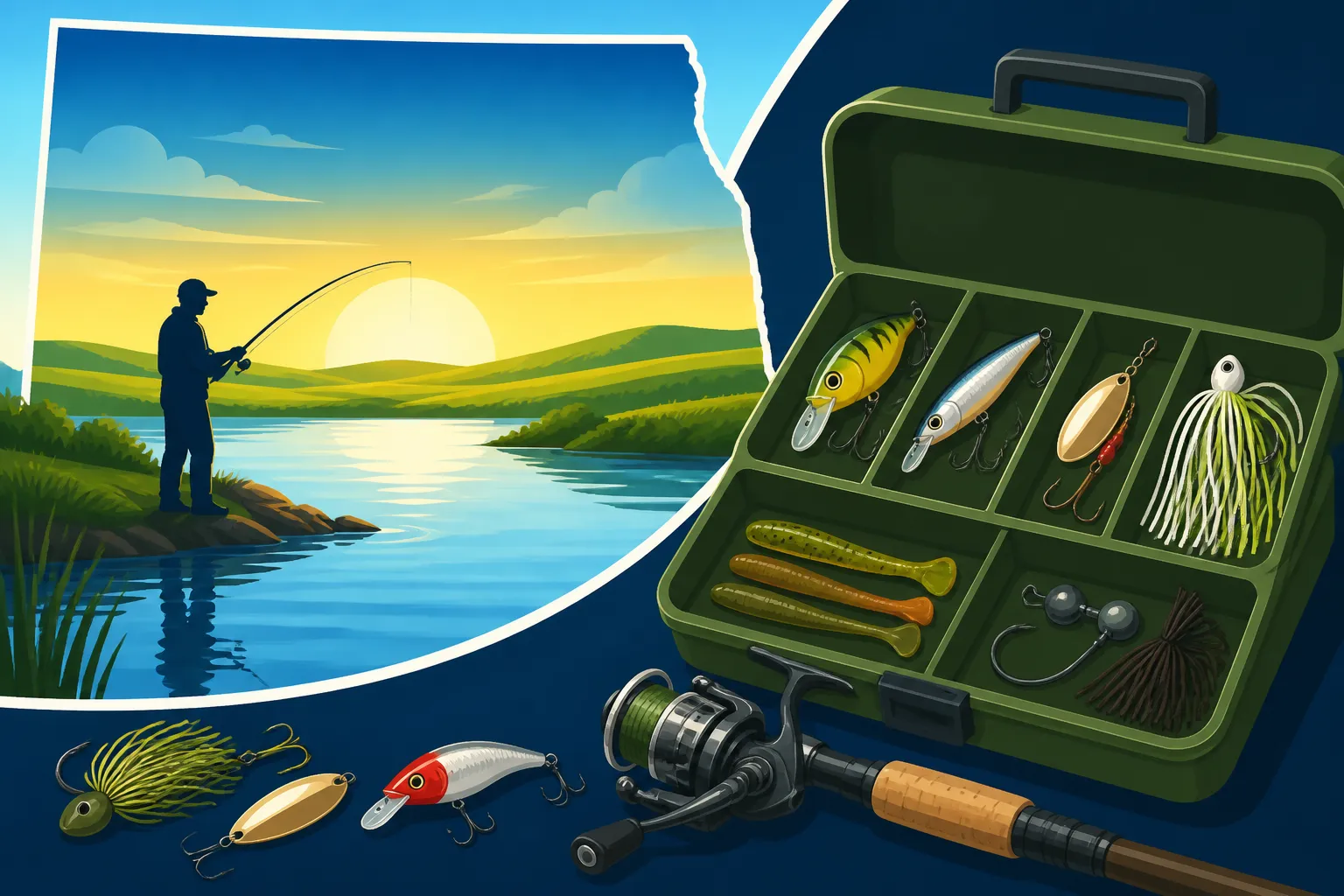
- Plano-style utility boxes: These clear plastic boxes with adjustable dividers are fantastic for organizing lures, hooks, weights, and small components by size, type, or color. Label them clearly!
- Soft-sided tackle bags: Great for carrying multiple utility boxes, plus larger items like reels, a scale, and pliers. Many have external pockets for quick access to essentials.
- Specialty lure storage: Some anglers prefer specific binders or boxes for certain types of lures, like crankbaits or spinnerbaits, to keep hooks from tangling.
- Designated small parts storage: Keep tiny items like split shot, beads, and small swivels in very small, secure containers to prevent them from scattering.
Think about how you fish most often. If you wade or bank fish, a small, portable shoulder bag might be best. If you have a boat, a larger system that holds many boxes and tools is more practical. Keeping your tackle tidy and accessible means more time fishing and less time searching.
Seasonal Considerations for Tackle Selection
North Dakota's fishing scene is deeply tied to its distinct four seasons. Each season brings changes in water temperature, fish behavior, and available habitats, demanding adjustments in your tackle selection and fishing strategy. What worked in the heat of summer might be completely ineffective during the cold, clear waters of spring.
Spring: Ice-Out and Shallow Bites
Spring is a time of transition, from ice-out to warming waters, and fish are often focused on spawning or recovering from winter. As the ice melts, shallow bays and shorelines are the first to warm, drawing in baitfish and hungry game fish. This is often an excellent time for aggressive walleye and northern pike in relatively shallow water.
Your tackle should reflect this. Think about shallow-running crankbaits, jigs tipped with minnows, or even simple slip bobber rigs with live bait fished in 5-15 feet of water. Bright colors can be effective in often stained spring run-off waters. For pike, medium-sized spoons and spinnerbaits cast near thawing weed beds can be deadly. As the water warms further, fish become more active, and their metabolism picks up, making them more willing to chase faster-moving baits. Understanding How to Fish Right After Ice-Out can really help you maximize this short but productive window.
Summer: Deep Water, Trolling, and Weed Lines
Summer in North Dakota means warmer water, and fish often move to deeper, cooler sections of lakes or relate to specific structures like weed lines, humps, and points. This is prime time for trolling large expanses of water on Lake Sakakawea for walleye and Chinook salmon, or targeting deep-dwelling catfish in the Red River.
Your tackle box will shift towards deeper diving crankbaits, heavy bottom bouncers, and larger spoons for suspended fish. For northern pike and bass, fishing weed lines with weedless jigs, spinnerbaits, or topwater lures in the early morning or late evening can be very productive. Longer rods for trolling, heavy line, and even specialized electronics like fish finders become even more crucial for locating and presenting baits to fish in deeper water. Don't forget your sun protection and hydration on those long, hot summer days!
Fall: Aggressive Feeding and Trophy Hunts
Fall is often considered one of the best times to fish in North Dakota, especially for trophy-sized walleye, northern pike, and muskie. As water temperatures drop, fish enter a "feeding frenzy" mode, bulking up for the coming winter. They become incredibly aggressive, making them more willing to chase larger baits.
This is the season to throw those bigger crankbaits, larger jigs with substantial plastics or full-sized minnows, and substantial spoons or jerkbaits for pike and muskie. Fish may still be found deeper, but they'll often venture shallower to feed. Vertical jigging over structure can be phenomenal. This is also a great time to experiment with bolder colors and more erratic retrieves. For example, Fall Walleye Fishing Patterns in North Dakota typically highlight this aggressive feeding behavior. Be prepared for potentially colder weather and wind, but the rewards can be truly spectacular.
Winter: Ice Fishing Specific Tackle
When North Dakota's lakes freeze solid, a whole new world of fishing opens up: ice fishing! This requires a completely different set of tackle, focused on vertical presentation through a small hole in the ice. This is when How to Ice Fish in North Dakota becomes a critical guide.
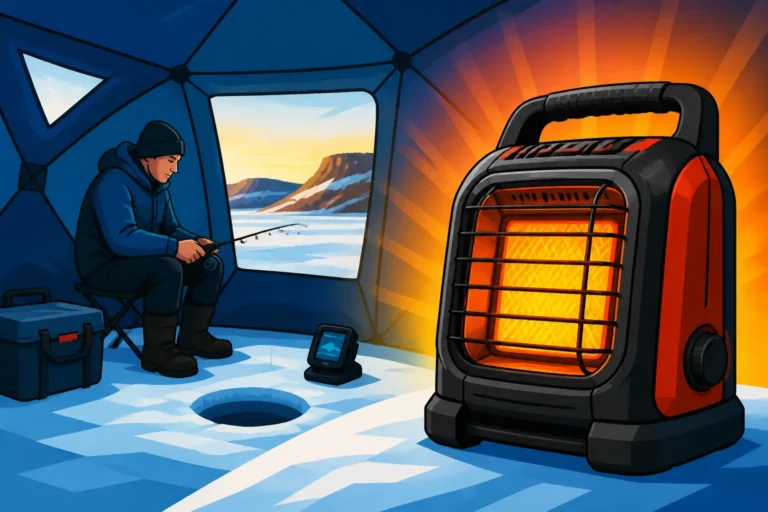
You'll need short, sensitive ice fishing rods, small reels, and specialized ice jigs (tungsten jigs are very popular for their density). Small soft plastics or live bait like wax worms, spikes, and minnows are essential. A good ice auger is crucial for drilling holes, and a portable ice shelter can make a cold day much more comfortable. Electronics like flashers or underwater cameras are invaluable for locating fish under the ice and understanding how they react to your presentation. Layered clothing and safety gear like ice picks and spud bars are also non-negotiable for a safe and enjoyable ice fishing experience.
North Dakota Fishing Tackle by Species
To help summarize, here's a quick reference for common tackle types for popular North Dakota species:
| Species | Primary Tackle Types | Key Considerations |
|---|---|---|
| Walleye | Jigs (1/8 – 3/4 oz), Soft Plastics, Crankbaits (deep & shallow), Bottom Bouncers, Spinner Rigs | Line counter reels, Fluorocarbon leaders, Perch/Chartreuse colors |
| Northern Pike | Large Spoons (3/4 – 2 oz), Spinnerbaits, Jerkbaits, Large Swimbaits | Wire leaders (non-negotiable), Heavy braided line, Strong hooks |
| Yellow Perch | Small Jigs (1/32 – 1/8 oz), Micro Plastics, Live Bait (wax worms, minnows), Small Bobbers | Ultra-light rods, Sensitive tips, Small hooks (size 8-12) |
| Channel Catfish | Heavy Bottom Rigs, Circle Hooks (4/0-8/0), Cut Bait, Stink Bait | Heavy rods/reels, Braided line (50-80 lb), Strong drag, Heavy sinkers |
| Chinook Salmon | Trolling Spoons, Flashers/Flies, Downriggers | Level-wind reels, Line counters, Specialized trolling rods |
| Trout | Small Spinners (#0-2), Small Spoons, Micro Jigs, Live Bait (PowerBait, worms) | Ultra-light setup, 4-6 lb line, Stealthy presentation |
| Paddlefish | Massive Treble Hooks (10/0-12/0), Heavy Lead Weights (12-16 oz) | Extra-heavy surf rods (8-10 ft), 80-100 lb braided line, Strong reels |
This article is for general informational purposes only and does not constitute professional advice. Laws, prices and regulations vary by location and change over time. Consult a qualified professional for guidance on your specific situation.