North Dakota Open Water Fishing Season
There’s nothing quite like that first whiff of fresh spring air after a long North Dakota winter, when the ice finally starts to groan and recede, revealing those long-awaited open waters. For many of us, the transition from hard water to open water can feel a little bit like starting from scratch, bringing questions about when and where to find our favorite fish, what regulations might apply, and how to adapt our techniques. This comprehensive guide is here to walk you through everything you need to know about the North Dakota open water fishing season, ensuring you're ready to hit the lakes and rivers with confidence from spring thaw through late fall.
Understanding North Dakota's Open Water Fishing Season Basics
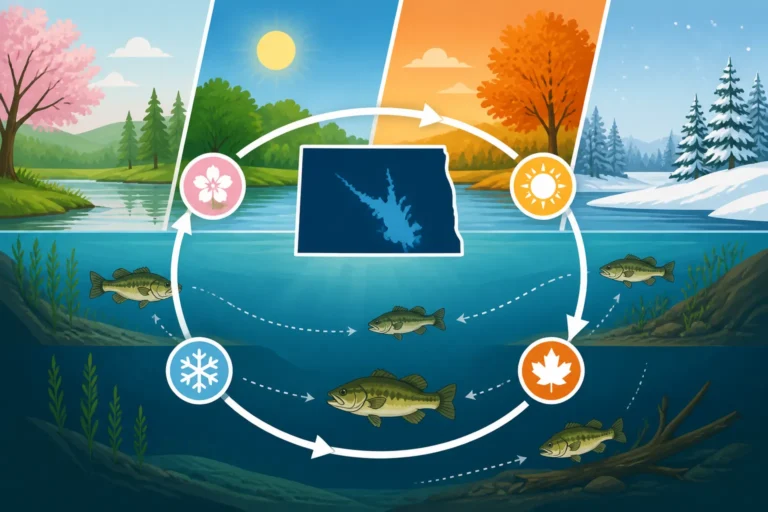
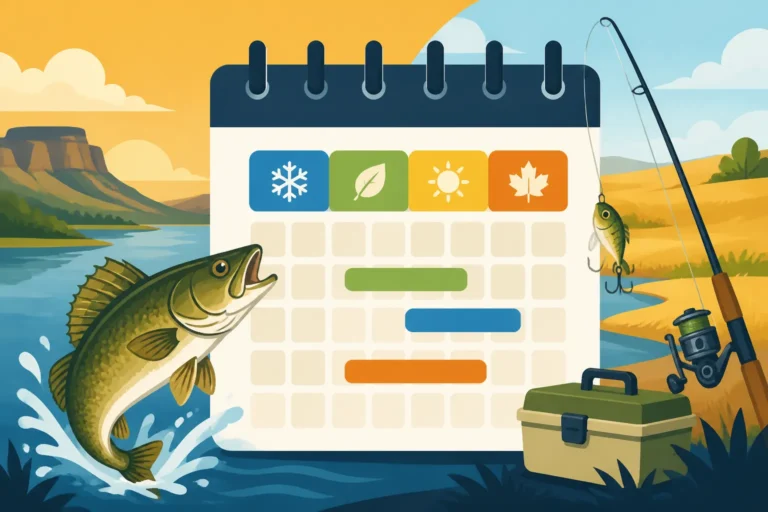
North Dakota's fishing scene truly shines during its open water season. While ice fishing has a dedicated following, the sheer variety of opportunities and the ability to cover more water make the open water period incredibly exciting. It's not just a single season, though; it's a dynamic progression from the initial ice-out to the crisp, late-fall days before the first solid freeze. Each phase offers unique challenges and rewards, demanding a keen understanding of fish behavior and regulatory nuances.
General Season Overview and Start Dates
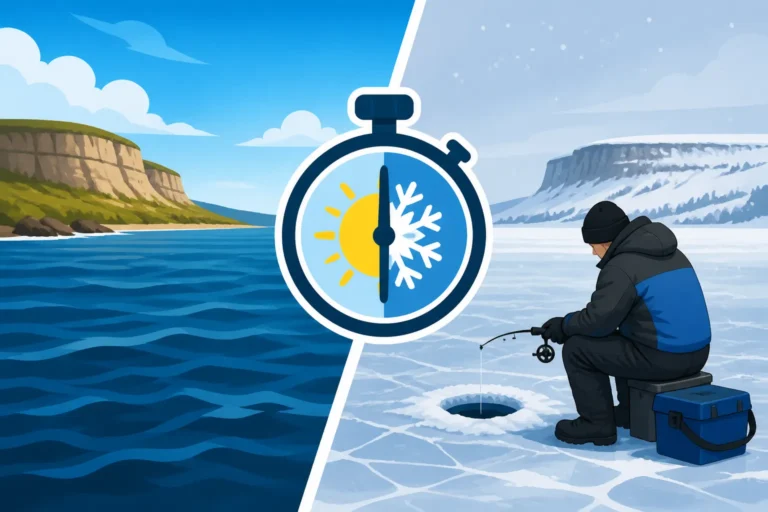
Unlike some states with strict opening and closing dates for various species, North Dakota generally operates with a continuous fishing season for most game fish, meaning you can target them year-round. However, "open water season" colloquially refers to the period after the ice has melted and before it forms again. This typically kicks off in late March or early April in the southern parts of the state and gradually moves northward, with some larger, deeper lakes like Lake Sakakawea and Devils Lake often holding ice well into April or even early May. The official fishing license year in North Dakota runs from April 1st to March 31st of the following year, which often coincides perfectly with the start of the open water action. It’s crucial to remember that while the general season is continuous, specific regulations regarding daily limits, possession limits, and size restrictions can and do change based on species and sometimes even specific water bodies. Always consult the current North Dakota Fishing Regulations Explained before heading out.
Year-Round Opportunities vs. Specific Species Seasons
The beauty of North Dakota fishing is that many species, like walleye, northern pike, and perch, are available for harvest throughout the entire year, assuming the water isn't frozen solid. This "continuous season" model is fantastic because it allows anglers to pursue their favorite fish whenever conditions permit. However, don't confuse this continuous season with a lack of prime seasons. Just because you can catch a walleye in July doesn't mean July is the best time for a trophy walleye, or that the techniques will be the same as in May. Some species also have very specific, short windows for unique opportunities, such as the spring paddlefish snagging season on the Missouri River system, which requires a separate tag and operates under strict timeframes. Understanding these nuances—the difference between legal to fish and optimal to fish—is key to maximizing your success and enjoyment on the water.
Why Open Water Fishing Matters After Ice Out
For many anglers, the end of ice fishing marks a period of restlessness, eager for the ice to disappear and the open water season to begin. This period, often called "ice out," is pivotal. Fish, after being confined under a sheet of ice for months, become incredibly active. The warming water temperatures trigger increased metabolism and spawning migrations for many species. This means fish are often more concentrated and aggressive feeders, making for some truly spectacular fishing. It's a time of transition, where fish move from their deep winter haunts to shallower areas to feed and reproduce. Learning to read the changing conditions after the ice disappears is a skill that pays huge dividends, often leading to some of the most memorable catches of the year. For detailed insights on this, check out our guide on North Dakota Ice Out Fishing Guide.
Spring: The Awakening Waters and Early Bites
Ah, spring in North Dakota! It’s a season of hope, green shoots, and that undeniable urge to get a line wet. After months of drilling holes, the sound of waves lapping against the shore is a symphony to any angler's ears. But spring fishing isn't just about showing up; it's about understanding the dramatic changes happening beneath the surface as the water sheds its icy blanket.
Ice Out Timing and Its Impact on Fishing
"Ice out" is that magical, often unpredictable period when the ice cover finally breaks up and melts away, signaling the true beginning of the open water season. This isn't a single date across the state; it varies significantly from south to north, and also year to year, depending on winter severity and spring temperatures. Smaller, shallower lakes and rivers in southern North Dakota, like those near Bismarck or Fargo, might see ice out in late March, while massive bodies of water like Lake Sakakawea or Devils Lake can hold onto thick ice well into April, or even early May during a stubborn spring. The timing of ice out is critical because it dictates fish behavior. As the ice melts, water temperatures rise, oxygen levels change, and light penetration increases. This often triggers a mass migration of fish towards shallower, warmer waters, particularly river mouths, bays, and northern shorelines that receive more direct sunlight. These areas become feeding grounds as fish shake off their winter lethargy and prepare for their spring spawn. Being present during this initial post-ice-out period can lead to some truly epic catches.
Targeting Pre-Spawn and Spawning Walleye
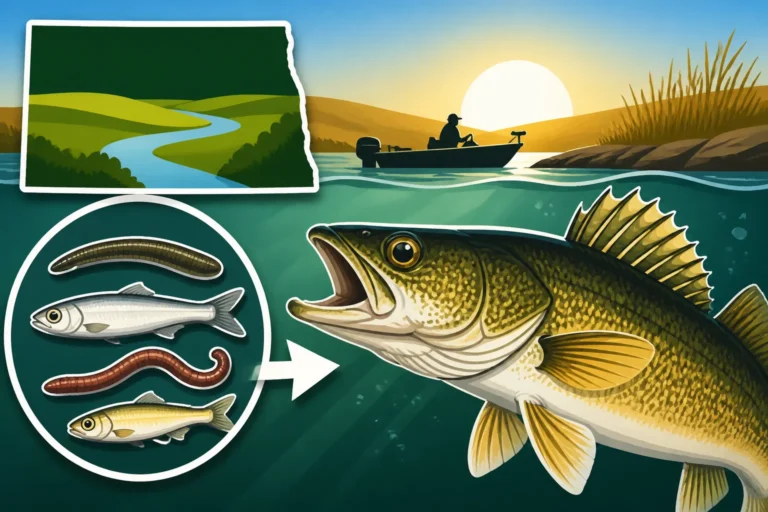
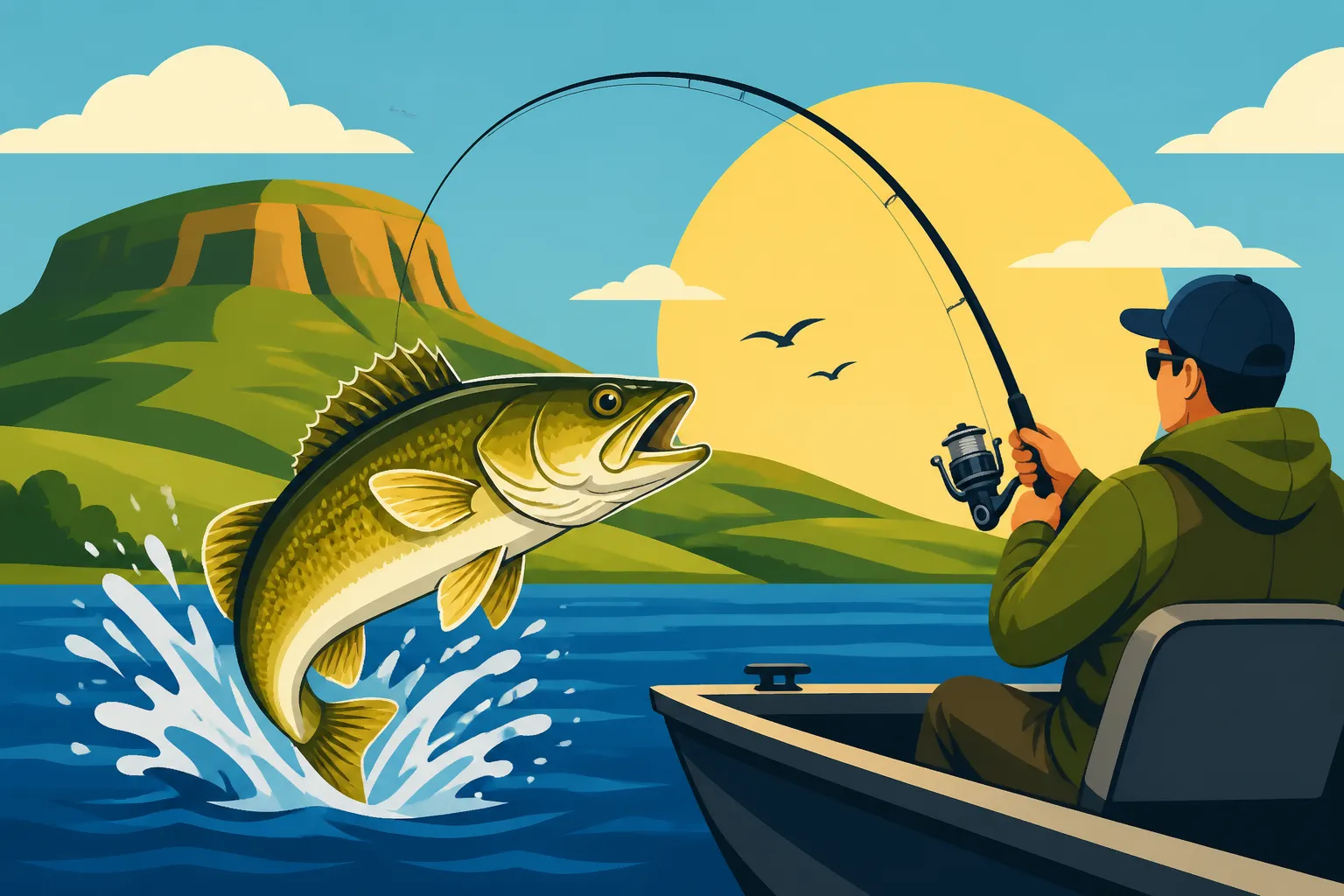
For many North Dakota anglers, spring means one thing: walleye. As soon as the ice leaves, walleye begin their pre-spawn movements, heading towards traditional spawning grounds such as rocky reefs, gravel beds, and river currents. Water temperatures in the low to mid-40s Fahrenheit are often the trigger. During the pre-spawn, these fish are incredibly aggressive as they feed heavily to build up energy for spawning. This is an excellent time for jigging with live bait like minnows or using slow-trolling techniques with crankbaits. Once spawning begins, which typically happens when water temperatures reach the high 40s to low 50s, walleye can become a bit trickier to catch. While they are concentrated, their focus is on reproduction, not feeding. However, a small window exists for catching "post-spawn" females that are recuperating and often feeding aggressively again, albeit briefly, before moving to summer patterns. Males, on the other hand, often hang around spawning areas longer. Patience and understanding these movements are key to successful spring walleye fishing. You can dive deeper into effective strategies by exploring our guide on Early Spring Walleye Techniques in North Dakota.
Early Season Northern Pike and Perch Opportunities
While walleye often steal the spring spotlight, don't overlook the incredible opportunities for northern pike and yellow perch. Northern pike are often the first major game fish to spawn after ice out, sometimes even before the ice is completely gone in shallow, marshy bays. They move into extremely shallow, weedy areas, often just feet deep, to lay their eggs. This makes them highly accessible to shore anglers or those with small boats, offering some fantastic sight-fishing opportunities. Large spoons, spinnerbaits, or even dead bait under a bobber can be incredibly effective for these toothy predators.
Yellow perch, another North Dakota favorite, also become very active after ice out. They tend to school up in large numbers, moving into shallower bays and over submerged vegetation in search of food. As water temperatures slowly climb, perch will stage for their spawn, often found in 5-15 feet of water. Small jigs tipped with minnow pieces, wax worms, or even artificial baits are deadly during this time. For the ultimate perch fishing, many anglers head to Devils Lake, which is legendary for its jumbo perch. Understanding their shallow movements in spring is crucial, as they offer some fast-paced action.
Summer: Peak Action and Diverse Species
Summer in North Dakota is when the landscape truly comes alive, and the fishing is no exception. With long, warm days and stable weather patterns (mostly!), fish settle into their summer routines, offering a different set of challenges and rewards than the spring rush. This is when anglers can really explore the full diversity of North Dakota’s waters.
Warm Water Patterns for Walleye and Bass
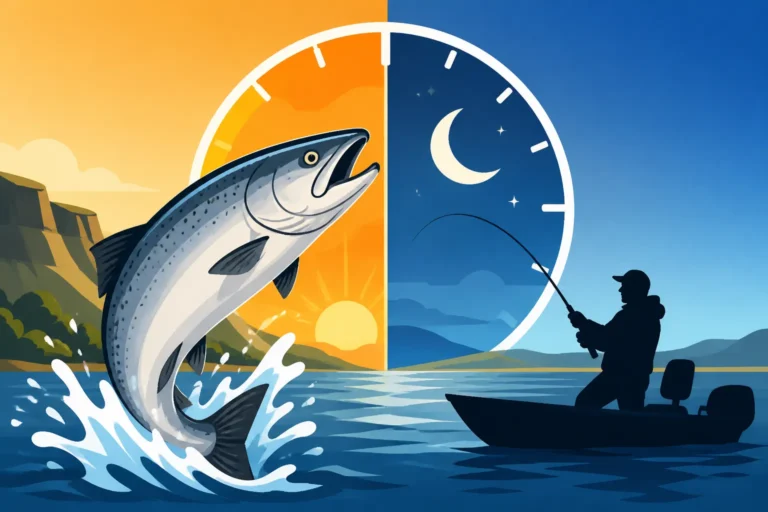
As summer progresses and water temperatures rise into the 60s and 70s, walleye typically move from their spring spawning grounds to deeper, cooler, and more oxygenated waters. They’ll often relate to structural elements like humps, points, ledges, and deep weed lines in lakes, or current breaks and deeper holes in rivers. This is prime time for trolling crankbaits or spinner rigs with bottom bouncers, especially on large bodies of water like Lake Sakakawea or Lake Oahe. Understanding Summer Walleye Trolling Techniques can dramatically increase your success. Early morning and late evening often provide the best bites as walleye move shallower to feed under low light conditions.
Smallmouth bass, which are becoming increasingly popular in North Dakota, also thrive in warm summer waters. Look for them around rocky shorelines, rip-rap, points, and submerged timber. On lakes like Lake Sakakawea, Lake Audubon, and even portions of the Missouri River, smallmouth bass will aggressively strike topwater lures, crankbaits, jigs, and soft plastics. They offer a fantastic fighting challenge and are a great alternative when walleye are finicky. Focus on areas with clear water and plenty of rock cover to find these bronze beauties.
Catfish and Panfish Hot Spots
Summer is undoubtedly the best time to target channel catfish, especially on the legendary Red River of the North. As water temperatures climb, these whiskered warriors become incredibly active, feeding voraciously. The Red River is famous for its massive "Red River cats," with many anglers pursuing trophy-sized fish over 20 pounds. Other prime catfish waters include the Missouri River and its tributaries, and Lake Oahe. Catfish are often found in deeper holes, current breaks, and along bends in rivers. Stink baits, cut bait, chicken livers, and even large worms are popular choices. Night fishing for catfish is particularly effective during the summer months, as they become even more active under the cover of darkness.
Panfish, including yellow perch, crappie, and bluegill, also provide excellent summer fishing, especially for families and beginners. They often congregate around weed beds, docks, and submerged timber in shallower bays. Crappie, in particular, will relate to brush piles and standing timber in lakes like Lake Ashtabula or Jamestown Reservoir. Small jigs tipped with plastics or live bait like minnows or worms are highly effective. These species offer consistent action and are a fantastic way to introduce new anglers to the sport. For a detailed look at some of the best locations, check out our guide on Best Places to Fish in North Dakota.
Chinook Salmon Fishing on Lake Sakakawea
A truly unique summer open water experience in North Dakota is targeting Chinook salmon on Lake Sakakawea. This massive reservoir, formed by the Garrison Dam on the Missouri River, is home to a robust population of stocked salmon, offering a taste of big-lake, ocean-style fishing in the heart of the prairie. During the summer, these powerful fish typically reside in the deeper, cooler parts of the lake, often in the main body or near the Garrison Dam.
Trolling with downriggers, divers, and lead core line is the most common and effective method for Chinook salmon. Anglers often use a variety of lures, including spoons, flasher-fly combinations, and even large crankbaits, mimicking the smelt and cisco that are their primary forage. Summer fishing for Chinook can be highly rewarding, with fierce fights and delicious table fare. While they can be found throughout the summer, late summer and early fall often see increased activity as they prepare for their annual false spawn run. This truly sets Lake Sakakawea apart as a diverse fishing destination. If you're planning a trip there, our Lake Sakakawea Fishing Guide for North Dakota Anglers will be invaluable.
Fall: Transition, Feeding Frenzies, and Trophy Hunts
As the days shorten and the air takes on that crisp, earthy smell, North Dakota transitions into arguably one of its most exciting open water fishing seasons: fall. This is a period of dramatic change, driven by cooling water temperatures and fish preparing for the lean winter months ahead. For the dedicated angler, fall fishing offers the potential for true trophy catches and some of the year's most aggressive bites.
Cooling Waters and Aggressive Feeding
The decline in air temperature through September and October leads to a gradual but significant drop in water temperature across North Dakota's lakes and rivers. This cooling trend is a powerful trigger for most game fish. They sense the impending winter and respond by entering a "feeding frenzy" mode, trying to pack on as much weight and fat as possible. Their metabolism is still high enough to chase down prey, but the colder water often means they are less spread out than in summer, tending to concentrate around deeper structure and remaining weed lines.
This period means a shift in tactics from the widespread trolling of summer to more focused presentations. Fish are often found in predictable locations, making them easier to target. They might still be relatively deep during the day, but they will make strong pushes into shallower feeding flats during low-light periods or on overcast days. Understanding these movements and concentrating your efforts on these key feeding zones can lead to incredible success.
Prime Time for Trophy Walleye and Northern Pike
Fall is undeniably the time for trophy walleye and northern pike in North Dakota. The large females of both species are actively feeding, making them more susceptible to angler presentations. For walleye, this means focusing on deep-water humps, breaklines, and the edges of remaining green weeds. Jigging with larger minnows, shiners, or even soft plastics can be incredibly effective. Trolling deep-diving crankbaits or large spinner rigs can also produce big fish, especially on vast systems like Lake Sakakawea or Lake Oahe. Walleye are aggressively packing on calories, and they won't shy away from a substantial meal. Our North Dakota Walleye Fishing Guide has more on this.
Northern pike also go on a serious bite in the fall. They'll abandon the shallow, warm bays of summer and relate to deeper weed edges, drop-offs, and points. They'll hit large spoons, spinnerbaits, and especially larger jerkbaits or swimbaits with incredible force. Live bait, like large suckers or golden shiners, fished under a bobber or on a quick-strike rig, can also be deadly for giant pike looking for a substantial meal. This is often when the biggest pike of the year are caught, providing a thrilling fight against formidable adversaries. For more tips on landing these giants, consult the North Dakota Northern Pike Fishing Guide.
Late Season Perch and Other Panfish
While walleye and pike often get the most attention, late fall also offers some fantastic opportunities for yellow perch and other panfish. As the water cools, perch will often school up in massive numbers over deeper flats or along the edges of remaining submerged vegetation. They become highly concentrated, and once you find a school, the action can be non-stop. Small jigs tipped with wax worms, spikes, or minnow pieces are the ticket. This can be a preview of the upcoming ice fishing season, as perch often hold in similar areas before the hard water forms.
Crappie and bluegill will also seek out deeper structures, such as brush piles, sunken timber, or even the deeper sides of docks and bridge pilings. They might not be as active as in spring, but when found, they can still provide excellent angling, particularly during warmer, sunny afternoons when they might move up slightly in the water column. The key to fall panfish is often finding those large schools, which can be done effectively with good sonar.
Navigating Regulations and Licenses for Open Water
Fishing in North Dakota is a privilege, and with that comes the responsibility of understanding and adhering to the regulations. It's not just about avoiding fines; it's about protecting our precious fisheries for future generations. Getting caught without the right license or breaking a rule can quickly turn a fun day into a costly headache, so it's always best to be prepared.
Essential Licenses and Certificates
First things first: almost everyone needs a license to fish in North Dakota. The primary document you'll need is a North Dakota Fishing License. This license year typically runs from April 1st through March 31st. However, there's another crucial piece of paper often required: the Fishing, Hunting, and Furbearer Certificate. For residents aged 16 and older, this certificate is generally mandatory to purchase any fishing license. Think of it as a base fee that supports wildlife management in the state. Non-residents have their own specific license options, including annual, 10-day, or 3-day licenses, which do not typically require the certificate.
It's vital to know the age requirements as well. For example, Do Kids Need a Fishing License in North Dakota? and What Age Can You Fish Without a License in North Dakota? are common questions. Generally, residents under 16 don't need a fishing license, but it's always best to check the current regulations for any specific exemptions or changes, especially if participating in special events like North Dakota Free Fishing Days. You can easily purchase your license online through the North Dakota Game and Fish Department website, or at many sporting goods stores, local bait shops, and even some larger retailers like Walmart. Always carry your license with you when fishing, either a physical copy or a digital version on your phone.
Understanding Daily Limits and Length Restrictions
This is where things can get a little tricky, as limits and restrictions are subject to change and can vary by species and water body. "Daily limit" refers to the maximum number of fish of a particular species you can keep in one day. "Possession limit" is the maximum number of fish you can have in your possession at any given time, which is usually one or two times the daily limit, depending on the species. "Length restrictions" mean fish must be within a certain size range to be kept (e.g., minimum length, maximum length, or a protected slot limit where fish within a certain size cannot be kept).
For example, North Dakota Walleye Size Limit Rules are frequently discussed, and they can vary. On some lakes, there might be a slot limit, allowing anglers to keep smaller fish and one larger fish, but protecting those in the middle to encourage spawning. Northern pike also have specific rules, such as the North Dakota Northern Pike Daily Limit, which often encourages the harvest of smaller pike to improve overall fish health in certain lakes. Yellow perch, crappie, and catfish also have their own daily and possession limits. Always check the current North Dakota Fishing Guide, available online or in print, for the most up-to-date and specific regulations for the body of water you plan to fish. Ignorance of the law is not an excuse, and game wardens do regularly check for compliance.
Special Regulations for Specific Waters or Species
Beyond the general statewide rules, North Dakota has special regulations that apply to specific water bodies or unique fishing opportunities. For instance, the Red River, as a border water with Minnesota, has Reciprocal Fishing Rules on the Red River Border Waters, meaning anglers with a valid license from either North Dakota or Minnesota can fish certain sections of the river. Other lakes might have specific regulations to manage particular fish populations, such as a "no live bait" rule to prevent the spread of aquatic nuisance species (ANS) or special closures during spawning seasons.
The Missouri River system and its reservoirs (Lake Sakakawea, Lake Oahe) are large and complex, often having specific rules for species like Chinook salmon or paddlefish. The annual paddlefish snagging season near the confluence of the Yellowstone and Missouri Rivers is a prime example of a highly regulated, short-duration season that requires a special tag and adherence to specific snagging methods. There are also rules regarding how many lines you can fish with in North Dakota, typically limited to two lines per angler, but this can change for ice fishing or specific tournaments. Always be aware of any local signage or special proclamations issued by the North Dakota Game and Fish Department that might supersede general regulations for a specific area.
Essential Gear and Techniques for North Dakota Open Water
Getting out on North Dakota's open water can be incredibly rewarding, but having the right gear and knowing how to use it effectively makes all the difference. The prairie weather can be fickle, and fish behaviors change with the seasons, so being prepared for various conditions and tactics is key to a successful outing.
Rods, Reels, and Line for Various Species
The right rod and reel setup can significantly improve your fishing experience. For general walleye fishing, a medium-light to medium power spinning rod, about 6'6" to 7' in length, paired with a 2500-sized spinning reel spooled with 6-10 lb test monofilament or fluorocarbon, or 10-20 lb braided line with a fluorocarbon leader, is a versatile choice. This setup works well for jigging, slip-bobber fishing, and light crankbait presentations. For trolling on bigger lakes like Sakakawea, a longer, medium-heavy baitcasting rod (7' to 9') with a line counter reel and 10-15 lb monofilament or lead core line is often preferred to handle the heavier weights and deeper dives of crankbaits or bottom bouncers.
When targeting powerful northern pike, you'll want to step up to a medium-heavy to heavy power spinning or baitcasting rod, 6'6" to 7'6" long, with a larger reel (3000-4000 spinning or comparable baitcasting) spooled with 20-50 lb braided line and a heavy fluorocarbon or wire leader to prevent bite-offs from their razor-sharp teeth. For Red River catfish, a heavy power, fast-action rod (7' to 8'6") paired with a robust baitcasting reel capable of holding 20-30 lb monofilament or 30-65 lb braided line is essential to handle their brute strength and the river's current. Panfish, on the other hand, call for ultra-light rods and reels with 2-4 lb test line for maximum sensitivity and fun. Investing in quality gear, even if it's budget-friendly from places like Amazon, can make a huge difference in durability and performance.
Baits and Lures for Each Season
The "best bait" changes with the seasons and the target species, but a few staples remain tried and true for North Dakota open water fishing.
- Spring: As walleye and pike move shallow, live minnows are king for walleye, often fished on jigs or slip bobbers. For pike, spoons (like a Daredevl or Len Thompson) and spinnerbaits are very effective. Small jigs tipped with minnow pieces or worms work wonders for early perch.
- Summer: For walleye, crankbaits (e.g., Rapala Shad Raps, Berkley Flicker Shads) trolled at various depths, and crawler harness rigs pulled behind bottom bouncers, are dominant. Catfish anglers swear by cut bait (like suckers or goldeye), chicken livers, and various stink baits. Smallmouth bass will hit topwater poppers, shallow crankbaits, and soft plastic tubes or worms. Panfish love small jigs with plastics or live worms. Chinook salmon anglers on Lake Sakakawea rely on spoons (like Silver Horde or Brad's Super Baits) and flasher-fly combinations trolled deep.
- Fall: Walleye become very aggressive, making larger minnows on jigs or under slip bobbers, as well as bigger crankbaits, highly effective. Northern pike will aggressively strike large spoons, jerkbaits, and live bait like suckers. Late-season perch will still hit small jigs tipped with live bait or plastics.
Always carry a variety of options, as what works one day might not the next. The Best Bait for North Dakota Fishing often depends on local conditions and what the fish are feeding on.
Boat and Kayak Considerations for North Dakota Waters
North Dakota's vast lakes and powerful rivers demand careful consideration when it comes to watercraft.
- Boats: For large reservoirs like Lake Sakakawea, a sturdy deep-V hull boat, preferably 18 feet or longer, is highly recommended to handle the unpredictable winds and waves that can kick up quickly. These boats offer stability and comfort for trolling or fishing in choppy conditions. For river fishing on the Missouri or Red, a jet boat or a conventional prop boat with a strong engine is needed to navigate current and potentially shallower areas. Even smaller aluminum boats, often called "jon boats," are popular for shallower rivers and protected bays. All motorized boats must comply with North Dakota Boat Registration Requirements and display registration numbers.
- Kayaks: Kayak fishing has exploded in popularity, offering a quiet and accessible way to explore many North Dakota waters. For smaller lakes and calmer rivers, a stable sit-on-top fishing kayak is an excellent choice. On larger lakes like Devils Lake, a longer, more stable kayak is preferable, but always be mindful of wind and waves. Kayaks are fantastic for stealthily approaching shallow weed beds for pike or sneaking along rocky shorelines for smallmouth bass. Don't forget safety gear, including a PFD, and always be aware of boating traffic, especially on busy days. Kayaks with a trolling motor also often require registration if the motor is used for propulsion. Consider a stable, durable kayak from a brand like Old Town or Hobie, which offers great stability and features for anglers.
Regardless of your chosen vessel, always prioritize safety. Carry all required safety equipment, including life jackets, sound-producing devices, and navigation lights for low-light conditions.
Planning Your Open Water Fishing Adventure
A successful open water fishing trip in North Dakota isn't just about showing up with a rod; it's about smart planning, understanding the conditions, and respecting the environment. From anticipating the weather to choosing the right spot, a little preparation goes a long way.
Weather Considerations and Safety Tips
North Dakota weather is famously unpredictable. A beautiful, sunny morning can quickly turn into a windy, choppy afternoon, or even a sudden thunderstorm. Always check the forecast before heading out, paying close attention to wind speed and direction. High winds can make large lakes like Sakakawea or Devils Lake extremely dangerous, even for experienced boaters. If strong winds are predicted, consider fishing smaller, more sheltered lakes or river sections, or simply postponing your trip.
Safety should always be your top priority.
- Life Jackets: Everyone on board a boat should have access to a properly fitted life jacket, and children under a certain age are legally required to wear them. Wearing a life jacket at all times on the water is a smart choice, especially in cold water conditions early and late in the season.
- Tell Someone: Always let someone know where you're going and when you expect to return.
- Gear Check: Ensure your boat is in good working order, with enough fuel, charged batteries, and all required safety equipment.
- Sun Protection: Even on cloudy days, the sun's rays reflecting off the water can cause severe sunburn. Wear sunscreen, a hat, and polarized sunglasses to protect your eyes and improve visibility on the water.
- Hydration: Bring plenty of water, especially during hot summer days.
- Cold Water Safety: Early spring and late fall water temperatures can be dangerously cold. Dress in layers, and be aware of the risks of hypothermia if you were to fall in.
Finding the Best Open Water Fishing Spots
North Dakota is blessed with an abundance of diverse fishing waters, from giant reservoirs to smaller prairie lakes and flowing rivers. The "best" spot depends entirely on what you're targeting and the time of year.
- Major Reservoirs: Lake Sakakawea, Devils Lake, and Lake Oahe are legendary for walleye, northern pike, and perch. Sakakawea also offers Chinook salmon. These massive waters require good boat control, electronics (fish finders with GPS are invaluable), and an understanding of how fish relate to main lake points, humps, and channels. Our Devils Lake Fishing Guide for North Dakota Anglers and Lake Sakakawea Fishing Guide for North Dakota Anglers offer extensive details.
- Rivers: The Missouri River and its tailrace below Garrison Dam offer fantastic fishing for walleye, sauger, and trout. The Red River of the North is world-renowned for its massive channel catfish. River fishing often means understanding current, eddies, and deeper holes.
- Smaller Lakes and Ponds: Countless smaller lakes and reservoirs across the state provide excellent opportunities for panfish, bass, walleye, and pike. These are often great choices for shore anglers, kayaks, or smaller boats, and are less susceptible to high winds. Websites like the North Dakota Game and Fish Department provide maps and stocking reports that can help you identify promising waters. Local bait shops are also goldmines of current information, so don't hesitate to stop in and chat. They often know the hot spots and what baits are working best.
Conservation and Responsible Angling Practices
As stewards of North Dakota's natural resources, practicing responsible angling is paramount.
- Follow Regulations: Adhering to daily limits, possession limits, and size restrictions helps manage fish populations sustainably. Take only what you need and respect the resource.
- Catch and Release: Consider practicing catch and release, especially for larger breeding-size fish, if you're not planning to eat them. Handle fish gently, minimize their time out of water, and use proper de-hooking tools.
- Prevent Aquatic Nuisance Species (ANS): This is a critical issue in North Dakota. Before leaving any boat ramp, remember to "Clean, Drain, Dry" your boat and equipment. Clean off all weeds and debris, drain all water from livewells, bilges, and motors, and allow everything to dry thoroughly before launching into another water body. This prevents the spread of invasive species like zebra mussels.
- Leave No Trace: Pack out everything you pack in. Dispose of all trash, including fishing line, hooks, and bait containers, properly. Let's keep our beautiful lakes and rivers clean for everyone to enjoy.
By embracing these practices, we ensure that the incredible open water fishing opportunities in North Dakota remain vibrant for generations to come.
Disclaimer
The information provided in this guide is for general informational purposes only and is subject to change. Fishing regulations, license requirements, and seasonal conditions in North Dakota can vary and are updated periodically by the North Dakota Game and Fish Department. Always consult the most current official North Dakota Fishing Guide and specific local regulations before engaging in any fishing activities. The author and publisher are not responsible for any errors or omissions, or for any loss, damage, or injury incurred as a result of using this information.