Essential Gear Checklist for North Dakota Fishing
Heading out to fish North Dakota's incredible waters, whether it's the vast expanse of Lake Sakakawea, the legendary Devils Lake, or the mighty Red River, can be an absolutely amazing experience. But let's be honest, nothing sours a trip faster than realizing you've forgotten something crucial or brought the wrong gear for the conditions. The ever-changing weather and diverse fishing opportunities here mean that preparation isn't just a suggestion, it's a necessity. This comprehensive guide is here to walk you through an essential gear checklist, ensuring you're ready for whatever North Dakota's beautiful, wild fisheries throw your way.
The Foundation: Licenses and Regulations
Before you even think about what lure to tie on, you absolutely need to make sure you're legally ready to cast a line. It's not just about avoiding fines; it's about respecting the resource and ensuring that North Dakota's fantastic fishing opportunities remain strong for generations to come.
Understanding Your Fishing License Needs
The first, non-negotiable item on your checklist is a valid North Dakota fishing license. This might seem obvious, but the nuances can sometimes trip up even seasoned anglers. Are you a resident or a nonresident? What's your age? These factors dictate which license you need and how long it's valid for. For instance, a resident might opt for an annual license, while a nonresident on a short trip might consider a 3-day or 10-day option. It's always best to get this sorted out well in advance of your trip. You can usually purchase these online through the state's Game and Fish Department website, or you can swing by various retailers like bait shops, sporting goods stores, or even places like some Bass Pro Shops locations. Having a physical copy or a readily accessible digital version on your phone is a must-have for when a game warden checks. Don't let a simple oversight turn your fishing adventure into a costly one. For a deeper dive into what you need, check out our North Dakota Fishing License Guide.
Getting your license isn't just a bureaucratic hurdle; it's an investment in the state's fisheries. The fees collected directly fund conservation efforts, fish stocking programs, and habitat restoration projects that keep North Dakota's lakes and rivers teeming with fish. So, when you purchase that license, you're contributing to the very sport you love. It’s also important to remember that licenses often expire on a specific date, usually March 31st of each year, regardless of when you purchased it the previous year. Always double-check the expiration date to avoid any surprises mid-season.
Beyond the basic fishing license, some situations might require additional tags or permits. For example, if you're planning on snagging paddlefish, there's a specific tag you'll need. Similarly, special regulations might apply if you're fishing on tribal lands, where a separate tribal permit could be necessary in addition to your state license. It’s always better to be over-prepared and know exactly what’s required for your specific fishing plans. Make sure you investigate these possibilities well before you hit the water, especially if you're targeting a less common species or venturing into unique waters.
Knowing the Rules: Species, Limits, and Seasons
Once your license is in hand, the next critical step is understanding the specific regulations for where and what you'll be fishing. North Dakota has diverse fisheries, and regulations can vary significantly from one lake or river to another, and even by species. What's allowed on Devils Lake might be different from Lake Sakakawea, and the rules for walleye won't be the same as for northern pike. You need to know the daily creel limits (how many fish you can keep), possession limits (how many you can have in your cooler or at home), and any size restrictions (minimum or maximum lengths). Ignoring these rules can lead to hefty fines and even loss of fishing privileges, which nobody wants. Our North Dakota Fishing Regulations Explained article can be a great starting point for understanding these nuances.
Regulations also dictate when certain species can be targeted. While many popular species like walleye and northern pike have year-round seasons, there might be specific seasonal closures or restrictions, particularly for spawning periods or in certain protected areas. Always consult the current North Dakota Fishing Guide or Proclamation, which is typically updated annually. This document is your bible for all things regulatory and should be reviewed thoroughly before each season or trip. You can usually find it on the North Dakota Game and Fish Department website. Knowing the North Dakota Fishing Season Dates and Limits for your target species is paramount.
Additionally, regulations cover everything from how many lines you can use, to ice fishing shelter rules, to bait restrictions in certain waters. For instance, some lakes might have restrictions on using live baitfish to prevent the spread of aquatic nuisance species. When ice fishing, you need to be aware of when ice shelters must be removed from the ice to prevent them from becoming hazards in the spring thaw. It’s a lot to take in, but these rules are designed to protect the health of the fish populations and ensure fair fishing for everyone. Always make sure you're up to date, as regulations can sometimes change between seasons.
Essential Clothing and Personal Comfort
North Dakota weather is famously unpredictable. A beautiful, sunny morning can quickly turn into a windy, chilly afternoon, or even an unexpected rain shower. Being prepared with the right clothing isn't just about comfort; it's about safety, especially during longer days on the water or in colder seasons.
Dressing for North Dakota's Variable Weather
Layering is the golden rule for North Dakota fishing, regardless of the season. In spring and fall, cool mornings can give way to warm afternoons, only for the temperature to drop sharply again as the sun sets. Start with a moisture-wicking base layer to draw sweat away from your body, preventing chills. Next, add an insulating middle layer—think fleece or a puffy jacket—that you can easily shed or put back on. The outer layer should be waterproof and windproof. A good quality rain jacket and pants are non-negotiable, even if the forecast looks clear. You never know when a squall might roll in, especially on large bodies of water like Lake Sakakawea. This strategy ensures you can adapt to rapidly changing conditions without having to cut your trip short because you're too hot, too cold, or soaked through.
Even in summer, when temperatures can soar, layers are important. While you might mostly be in light, breathable clothing, a long-sleeved shirt offers excellent sun protection, and a light jacket can be a lifesaver if a thunderstorm rolls through or you're out on the water after dark. The wind can also pick up significantly on North Dakota's vast lakes, making even a warm day feel cool on a fast-moving boat. Consider quick-drying fabrics, which are a godsend if you get splashed or caught in a brief shower. Brands like Columbia or Patagonia offer great options that are durable and designed for outdoor enthusiasts.
For ice fishing, the layering strategy becomes even more critical. You're dealing with extreme cold, and staying dry is just as important as staying warm. Start with thermal underwear, add multiple insulating layers of fleece or wool, and top it off with a high-quality, insulated, waterproof and windproof ice fishing suit. Many serious ice anglers invest in flotation suits, which offer extra buoyancy and thermal protection in case of an accidental plunge. Never skimp on cold-weather gear; hypothermia is a serious risk when ice fishing. Proper attire will allow you to focus on the fish, not on how cold you are.
Footwear and Hand Protection
Your feet and hands are often the first to get cold, wet, or injured, so protecting them is paramount. For open-water fishing, waterproof boots are a must. Whether you're launching a boat from a muddy ramp, wading into shallow water from shore, or just dealing with splashes in the boat, dry feet make a world of difference. Ankle-height waterproof hiking shoes can work for casual trips, but if you're serious about fishing the diverse shorelines or navigating boat ramps, knee-high rubber boots or even quality fishing waders are often a better choice. Make sure your socks are moisture-wicking wool or synthetic, not cotton, which holds moisture and chills your feet. For chilly days, insulated waterproof boots are the way to go.
Hand protection is equally important. In cooler weather, thin, fingerless gloves can provide warmth while still allowing for dexterity when tying knots or handling tackle. Full-fingered waterproof gloves are essential for truly cold or wet conditions. Even in summer, consider gloves with SPF protection to shield your hands from harmful UV rays. Beyond sun and cold, gloves can also protect your hands from sharp hooks, fin spines, and the rough scales of fish like northern pike or walleye. A good pair of gripping gloves can also help when handling a slippery catch for a photo before release.
When ice fishing, the stakes for hand and foot protection are much higher. Insulated, waterproof boots rated for extreme cold are absolutely essential. Look for boots with good traction on ice. For hands, you'll likely want a combination of gloves: thin, dexterous liners for tying knots, and warm, waterproof mittens or heavy-duty gloves to wear over them when not actively fishing. Many ice anglers prefer a system where they can easily slip their hands out of bulky mittens to perform tasks, then quickly put them back to prevent frostbite. Investing in quality foot and hand gear will significantly extend your comfort and safety on any North Dakota fishing trip.
Sun Protection and Insect Defense
North Dakota's wide-open spaces, especially on large lakes, mean you're exposed to a lot of sun. Even on cloudy days, UV rays can penetrate. Sunburn is uncomfortable and can ruin a trip, not to mention the long-term health risks. A wide-brimmed hat is excellent for shading your face, ears, and neck. Sunglasses, preferably polarized, are crucial not only for eye protection but also for reducing glare on the water, allowing you to see submerged structure or even fish. Long-sleeved shirts and pants, even lightweight ones, offer the best physical barrier against the sun. Don't forget high-SPF sunscreen for any exposed skin, especially your nose, cheeks, and neck. A lip balm with SPF is also a good idea.
North Dakota can also be home to its fair share of insects, especially during the warmer months and near water. Mosquitoes and gnats can turn a relaxing evening on the water into an itchy nightmare. Carrying a good insect repellent is a smart move. Look for repellents with DEET or picaridin for effective protection. Applying it to exposed skin and even a bit to your clothing can make a huge difference in your comfort levels.
Some anglers even opt for specialized clothing treated with insect repellent, which can offer long-lasting protection. While bugs might not always be an issue, especially on windy days or in certain locations, it's always better to be prepared. There's nothing worse than having to cut a prime fishing evening short because you're constantly swatting at mosquitoes. A combination of physical barriers (clothing) and chemical repellents will give you the best defense against both sun and pests.
Rods, Reels, and Lines: The Right Tools for the Job
Your rod, reel, and line are the direct connection to the fish, and having the right setup can make all the difference between a frustrating day and a successful one. North Dakota's diverse fishing scenarios call for versatile gear, but also specialized setups for particular techniques or species.
Choosing the Right Rod and Reel Setup
For general North Dakota fishing, a medium-power, fast-action spinning rod around 6'6" to 7' long paired with a 2500-3000 series spinning reel is a fantastic all-around choice. This setup is versatile enough for casting a variety of lures, jigging for walleye, or even throwing smaller baits for northern pike. The medium power gives you enough backbone to handle decent-sized fish, while the fast action provides sensitivity for detecting subtle bites and quick hook sets. If you're targeting bigger northern pike or channel catfish on the Red River, you might want to step up to a medium-heavy rod and a slightly larger reel for more leverage and line capacity. For those who prefer baitcasting, a similar power and action rod with a low-profile baitcasting reel can be excellent for throwing heavier lures or for precise casting into cover.
When selecting a rod, consider the material. Graphite rods offer excellent sensitivity and are lightweight, great for jigging or techniques where feel is crucial. Fiberglass rods are more durable and forgiving, often preferred for trolling or when brute strength is needed. Many rods now incorporate a blend of materials to offer the best of both worlds. For reels, look for smooth drag systems, a good gear ratio (a faster retrieve can be beneficial for covering water or quickly bringing in slack line), and durable construction, as North Dakota's elements can be tough on gear. A reliable brand, even an entry-level one from a reputable manufacturer, will serve you far better than a cheap, flimsy option.
Having a couple of different rod and reel setups can be incredibly beneficial. For instance, you might have one lighter setup for panfish and finesse walleye techniques, and another, more robust setup for pitching larger crankbaits for pike or bottom bouncing for bigger walleye. This flexibility allows you to adapt to changing conditions or target different species without having to re-rig your only rod constantly. When buying online from retailers like Amazon, pay close attention to reviews regarding durability and performance, as you won't be able to physically handle the gear before purchase.
Selecting the Perfect Fishing Line
The fishing line is often overlooked, but it's your only connection to the fish. Matching your line to your target species, fishing conditions, and lure choice is critical. Monofilament line is a classic choice, offering good knot strength, stretch (which can be forgiving for aggressive bites), and is relatively inexpensive. It's often favored for topwater lures or applications where a little stretch is desired. Fluorocarbon line is nearly invisible underwater, has very little stretch, and is abrasion resistant, making it excellent for clear water conditions or as a leader material.
Braided line has become incredibly popular due to its incredible strength-to-diameter ratio, zero stretch for maximum sensitivity, and excellent casting distance. It's fantastic for feeling subtle bites, ripping lures through weeds, or setting hooks on fish at long distances. However, it is visible and can be more prone to wind knots. Many anglers use braided main line with a fluorocarbon or monofilament leader (typically 3-6 feet long) to combine the advantages of both. For walleye, 8-10 pound test braided line with a 6-8 pound fluorocarbon leader is a common and effective setup. For northern pike, you might go up to 20-30 pound braid with a heavy fluorocarbon or even a steel leader to prevent bite-offs. Our article on Best Fishing Line for North Dakota Lakes goes into more detail.
Consider the color of your line too. While some anglers believe line color doesn't matter much, others prefer clear or low-visibility lines in clear water, or brightly colored braids (like yellow or green) for easier line watching above water, especially when jigging or trolling. If using brightly colored braid, a clear leader is almost always recommended to minimize visibility to the fish. Always check your line regularly for nicks, abrasions, or twists, and re-tie knots often, especially after catching a few fish or getting snagged. A small imperfection in your line can lead to a heartbreaking break-off when you're fighting a trophy fish.
Specialty Setups for Specific Species
While a general-purpose spinning combo will catch fish, having specific setups for North Dakota's premier species can significantly increase your success.
-
Walleye: For jigging walleye on spots like Lake Sakakawea, a sensitive 6'3" to 6'8" medium-light to medium power, extra-fast action rod is ideal. This allows you to feel the lightest tap and react quickly. Paired with a 2000-2500 series reel spooled with 6-8lb braided line and a fluorocarbon leader, you'll be rigged for success. For trolling, longer, softer action rods (7' to 9' medium power) are preferred to absorb the shock of a strike and keep crankbaits running smoothly. Learn more in North Dakota Walleye Fishing Techniques.
-
Northern Pike: Pike are aggressive and have razor-sharp teeth, so a heavier setup is in order. A 7' to 7'6" medium-heavy to heavy power, fast action rod with a sturdy 3000-4000 series spinning reel or a robust baitcasting reel is appropriate. Spool up with 20-30lb braided line and always use a steel or heavy fluorocarbon leader (50-80lb test) to prevent bite-offs. Casting big spoons, spinnerbaits, or swimbaits is common. Our How to Fish for Northern Pike in North Dakota guide offers more insights.
-
Channel Catfish: Especially on the Red River, channel catfish can grow to immense sizes and fight incredibly hard. A heavy-power, moderate-fast action rod (7'6" to 9' for shore fishing, shorter for boat fishing) with a large baitcasting reel or heavy-duty spinning reel (4000-5000 series) is recommended. Spool with 20-40lb monofilament or braided line, and use heavy leaders (20-50lb test) with strong circle hooks. Rigging for success often involves heavy weights to hold bait on the bottom in strong currents. Check out Catfish Bait Techniques for the Red River for more details.
| Species Targeted | Rod Power/Action | Reel Size | Line Type/Weight | Leader (if applicable) |
|---|---|---|---|---|
| Walleye (Jigging) | Med-Light/Extra-Fast | 2000-2500 Spinning | 6-8lb Braid | 6-8lb Fluoro |
| Walleye (Trolling) | Medium/Moderate | 2500-3000 Spinning | 8-10lb Mono/Braid | 8-10lb Fluoro |
| Northern Pike | Med-Heavy/Fast | 3000-4000 Spinning or Baitcast | 20-30lb Braid | 50-80lb Fluoro or Steel |
| Channel Catfish | Heavy/Moderate-Fast | 4000-5000 Spinning or Baitcast | 20-40lb Mono/Braid | 20-50lb Mono/Fluoro |
| Panfish (Perch, Crappie) | Light/Fast | 500-1000 Spinning | 2-4lb Mono/Braid | 2-4lb Fluoro |
Tackle Box Essentials: Lures, Baits, and Terminal Tackle
Your tackle box is your arsenal, filled with the tools to entice fish to bite. While every angler develops their personal preferences, there are some undeniable staples for North Dakota waters that should find a place in every well-stocked kit.
General Purpose Lures and Baits
For the diverse fishing opportunities in North Dakota, having a selection of versatile lures is key. Spinnerbaits are excellent for northern pike and even aggressive walleye, particularly around weed edges or shallow cover. Their flash and vibration can trigger reaction strikes. Spoons, especially casting spoons, are another fantastic all-around option for pike, walleye, and even trout in certain waters. Jigging spoons can be deadly through the ice or when vertical jigging in open water. Crankbaits, in various diving depths and colors, are crucial for trolling for walleye on large bodies of water like Lake Sakakawea or Lake Oahe, as well as for covering water when targeting aggressive bass or pike. Lipless crankbaits are also incredibly effective for searching out active fish.
Soft plastic baits, when rigged on jig heads or Texas-rigged, are incredibly versatile. Paddle tail swimbaits, grubs, and creature baits can imitate everything from baitfish to crayfish, appealing to almost any predatory species. Having a variety of colors, from natural baitfish patterns to bright, high-visibility options for stained water, will ensure you're prepared for different conditions. Don't underestimate the power of live bait either. Minnows, nightcrawlers, and leeches are often the most reliable baits for walleye, perch, and catfish, especially when fished under a slip bobber or on a bottom bouncer rig. Live bait provides natural scent and action that artificial lures sometimes can't replicate.
Always carry a selection of jig heads in various weights (1/8 oz to 1 oz) and colors. These are the most fundamental lure component and can be paired with countless soft plastics or live baits. The weight you choose will depend on the depth you're fishing, the current, and the wind conditions. Lighter jigs are great for shallow water or when fish are finicky, while heavier jigs help you maintain bottom contact in deep water or strong currents. Having a variety of hook sizes on your jig heads is also beneficial, as it allows you to match them to the size of your bait and target species.
Species-Specific Lure and Bait Strategies
While general lures are great, some species just respond better to specific presentations.
- Walleye: Beyond jigs and live bait (minnows, leeches, nightcrawlers), crankbaits are king for trolling on big water. Popular styles include Shad Raps, Flicker Shads, and Wally Divers, in natural patterns for clear water and brighter colors for stained water or low light. Bottom bouncers paired with spinner rigs or snell hooks tipped with leeches or crawlers are also incredibly effective for covering expansive flats.
- Northern Pike: Big, flashy lures are often the ticket. Large spoons (Daredevils, Five of Diamonds), spinnerbaits with large blades, and oversized swimbaits are excellent choices. For trophy pike, jerkbaits and large glide baits can also be incredibly effective. Don't forget a sturdy leader!
- Yellow Perch: Smaller baits are key for these panfish. Tiny jigs (1/32 oz to 1/8 oz) tipped with a small piece of minnow, a grub, or wax worms are perennial favorites. Small spoons and tungsten ice jigs are also deadly, especially when ice fishing. Bright colors like chartreuse, orange, and pink often work well.
- Channel Catfish: They are scavengers, so smelly baits are often the best. Cut bait (sucker, carp, or even chicken liver), stink baits, and shrimp are all excellent choices. For live bait, suckers or large shiners can entice bigger cats. Strong hooks and heavy weights are crucial for anchoring your bait in current.
Having a good selection for your target species ensures you're ready for their specific preferences. It also means you're prepared if your initial strategy isn't producing results. Swapping out colors, sizes, or even lure types can often turn a slow day into a successful one. Don't be afraid to experiment! Often, the fish will tell you what they want.
Crucial Terminal Tackle
Terminal tackle refers to all the small but essential items that connect your line to your lure or bait. Running out of these can quickly end your fishing day.
- Hooks: A variety of hook types and sizes is a must. J-hooks (octopus, worm hooks), circle hooks (great for catfish and live bait to prevent gut hooking), and treble hooks (for replacing old ones on lures) should all be in your box. Ensure they are sharp!
- Weights/Sinkers: Split shots, bullet weights, egg sinkers, and bottom bouncers in various sizes. These help you get your bait or lure to the desired depth and keep it there, especially in current.
- Swivels and Snaps: Ball bearing swivels prevent line twist, especially with spinning lures or when trolling. Snaps allow for quick lure changes, and snap swivels combine both functions.
- Leaders: Pre-tied leaders (fluorocarbon for walleye, steel for pike) are convenient, or you can carry spools of leader material to tie your own.
- Bobbers/Floats: Slip bobbers are incredibly versatile for fishing live bait at precise depths. Fixed floats work well for shallower presentations.
- Pliers/Forceps: Essential for removing hooks from fish, cutting line, and crimping weights. A good pair of multi-purpose fishing pliers is invaluable.
- Line Cutter: Small scissors or clippers attached to your vest or lanyard make quick work of cutting line.
Don't forget small items like bead chains, clevises (for making your own spinner rigs), and extra split rings. Keeping your terminal tackle organized in a small, compartmentalized box within your main tackle box will save you a lot of frustration on the water. It's often these small, inexpensive items that can make or break a fishing trip. Having duplicates of frequently used items is also a wise idea.
Boating and Watercraft Gear (If Applicable)
If you're planning to fish North Dakota's larger lakes and rivers from a boat, there's a whole separate category of essential gear focused on safety, navigation, and maintaining your vessel.
Safety First: PFDs and Emergency Gear
Your absolute top priority when boating in North Dakota, or anywhere, is safety. Personal Flotation Devices (PFDs), or life jackets, are not just recommended, they are legally required for certain situations and age groups. Every person on board must have an easily accessible, Coast Guard-approved PFD that fits properly. Children under a certain age (check current regulations, often 13) are usually required to wear them at all times when the boat is underway. Even competent swimmers should wear a PFD, especially on large, cold bodies of water like Lake Sakakawea, where conditions can change rapidly and hypothermia is a real risk.
Beyond PFDs, a comprehensive emergency kit is crucial. This should include:
- First Aid Kit: Stocked with essentials for cuts, scrapes, stings, and minor injuries.
- Whistle or Air Horn: For signaling in an emergency.
- Fire Extinguisher: Required on most motorized boats.
- Throwable Flotation Device: A cushion or ring buoy for someone who goes overboard.
- Anchor with Adequate Rope: Essential for holding position and can be used in an emergency.
- Paddles or Oars: Even if you have a motor, always carry a backup form of propulsion.
- Visual Distress Signals: Flares or a flag for daytime signaling, or a bright flashlight for night.
- Bailing Device: A bucket or pump to remove water from your boat.
- Working Navigation Lights: If you plan to be on the water from sunset to sunrise.
Also, consider carrying a marine radio (VHF) for communicating with other vessels or emergency services, especially on large lakes where cell service can be spotty. A fully charged cell phone in a waterproof case is also a good idea, but don't rely on it as your sole form of communication. Being prepared for an emergency isn't about being paranoid; it's about being responsible and ensuring everyone gets home safely.
Navigation and Anchoring Essentials
North Dakota's big waters, like Lake Sakakawea, can feel like inland oceans. Navigating them safely and effectively requires the right tools. A reliable GPS unit or a fish finder with GPS mapping capabilities is invaluable. These devices not only show you where you are but can also help you find productive fishing spots (humps, points, submerged structure), mark waypoints, and navigate back to the boat ramp in foggy conditions or at night. Make sure your maps are up-to-date and cover the area you'll be fishing. A physical map or chart of the lake, along with a compass, can serve as a crucial backup if your electronics fail.
Anchoring is also a critical skill and requires the right gear. You'll need an anchor appropriate for the size of your boat and the type of bottom you'll encounter (e.g., fluke/Danforth for sand/mud, grappling for rock). Equally important is having enough anchor rope – generally, you want at least a 7:1 scope (7 feet of rope for every 1 foot of depth) for secure anchoring. On many North Dakota lakes, this means carrying a lot of rope, perhaps 100-200 feet, especially if you plan to anchor in deep water or strong winds. A chain leader between your anchor and rope can help your anchor dig in better and protect your rope from abrasion.
If fishing rivers like the Missouri or Red River, a strong anchor and knowing how to anchor safely in current is paramount. Some anglers use two anchors (bow and stern) to hold their boat firmly in position in strong currents. Always position your boat in a way that minimizes strain on your anchor and provides safe access to the fishing areas. North Dakota Boat Registration Requirements provides essential information about what else you'll need for your vessel.
Maintaining Your Vessel
Beyond the legal requirements, a well-maintained boat is a safe boat and ensures you get to and from your fishing spots without issue. Before each trip, do a quick inspection. Check your engine's oil and fuel levels, ensure your battery is charged, and inspect your trailer lights and tires. Carrying a basic tool kit with wrenches, screwdrivers, spare fuses, and electrical tape can help with minor repairs on the water. A spare prop and prop wrench are also good ideas, especially if you're navigating unfamiliar waters or areas with submerged hazards.
One of the most important aspects of boat maintenance in North Dakota, and really anywhere, is preventing the spread of Aquatic Nuisance Species (ANS). This is not just a suggestion; it's often a legal requirement. Always "Clean, Drain, Dry" your boat, trailer, and all fishing gear after every outing. This means removing all visible aquatic plants and animals, draining all water from your bilge, livewell, and engine, and allowing everything to dry completely before launching in a different body of water. Invasive species like zebra mussels can wreak havoc on ecosystems and fisheries, so doing your part is crucial. Our article on Aquatic Nuisance Species Rules for Boaters has more information.
Consider the weather when planning your trip. North Dakota's big lakes can get extremely rough, especially with strong winds. Always check the marine forecast before heading out and be prepared to stay off the water if conditions are unsafe. Having knowledge of basic boat handling and navigation, including how to react to unexpected waves or engine trouble, is part of being a responsible boater. For more information on choosing the right watercraft for these conditions, you might want to read our Best Boats for North Dakota Lakes guide.
Ice Fishing Specifics (For Winter Anglers)
When the lakes freeze over, North Dakota truly transforms into an ice fishing paradise. But this exciting winter pursuit comes with its own unique set of gear requirements and safety considerations.
Shelters and Heating
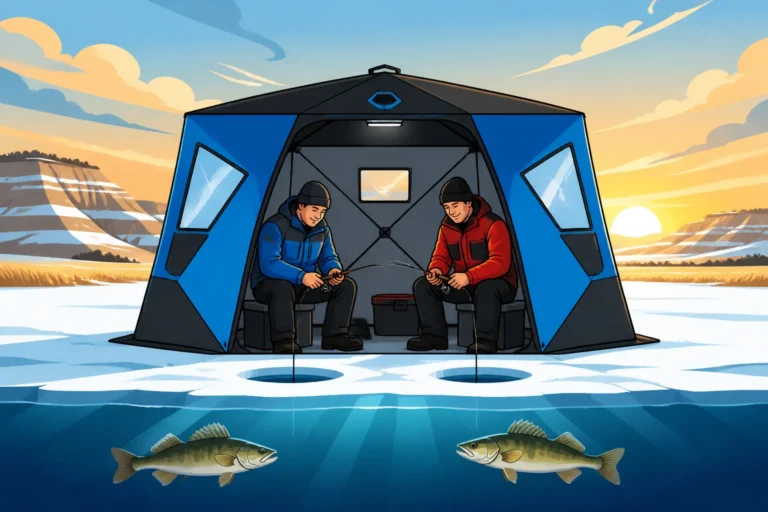
Ice fishing in North Dakota's often brutal winter conditions practically necessitates a good shelter. These shelters, often called fish houses or ice shanties, provide protection from the wind, snow, and extreme cold, allowing you to fish comfortably for hours. They range from lightweight, portable flip-over or pop-up shelters (perfect for mobile anglers who like to chase perch) to elaborate, hard-sided wheelhouses that offer all the comforts of home, including heat, beds, and even kitchens. The choice depends on your fishing style, budget, and how many people you typically fish with. Many anglers start with a portable pop-up, which offers great flexibility and can be set up quickly.
Once you have a shelter, a reliable heating source is essential. Propane heaters are the most common and efficient choice for portable ice shelters. Brands like Mr. Heater offer various sizes suitable for different shelter dimensions. Always ensure proper ventilation when using any propane heater to prevent carbon monoxide buildup; carrying a portable carbon monoxide detector is a crucial safety measure. For larger, hard-sided shelters, more robust heating systems might be installed, sometimes even wood stoves or forced-air furnaces.
Setting up your shelter properly also involves anchoring it securely, especially on windy days. Ice anchors that screw into the ice prevent your shelter from blowing away, a common problem on North Dakota's windswept lakes. Having a comfortable chair or bucket to sit on inside your shelter will also greatly improve your experience. Remember, staying warm and comfortable is key to enjoying your time on the ice and fishing effectively. You can learn more about this in our Setting Up an Ice Fishing Shelter guide.
Augers and Ice Safety Gear
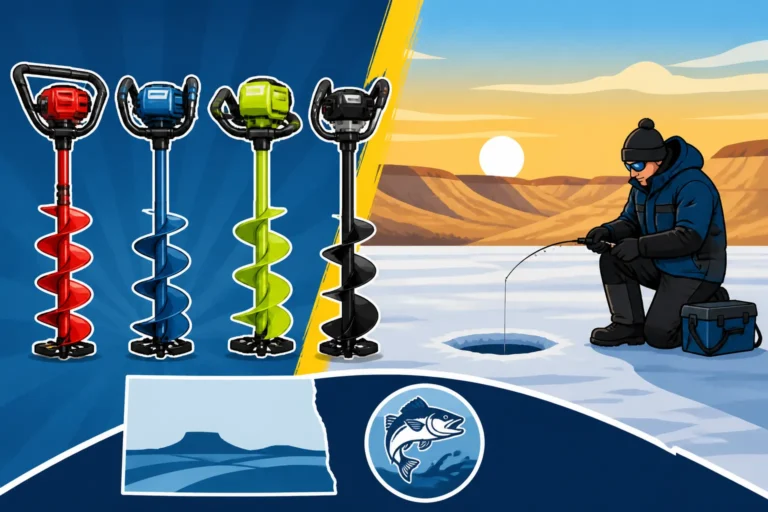
To get your line in the water when ice fishing, you'll need to drill holes. An ice auger is an indispensable piece of equipment. Augers come in several types:
- Hand Augers: Great for beginners, light use, or thin ice, but can be tiring for many holes or thick ice.
- Propane/Gas Augers: Powerful and efficient for drilling many holes, but heavier and require fuel.
- Electric Augers: Increasingly popular, quiet, environmentally friendly, and powered by battery. They are excellent for thick ice but battery life is a consideration.
- Drill Augers (with adapter): A popular lightweight option where an adapter allows a cordless power drill to drive a hand auger.
Choose an auger size (usually 6-inch, 8-inch, or 10-inch) based on the size of fish you expect to catch. An 8-inch auger is a versatile choice for most North Dakota game fish. Keep your auger blades sharp for efficient drilling. Our Ice Fishing Auger Techniques article offers tips.
Ice safety is paramount. Never assume ice is safe based on its appearance. Always check ice thickness regularly with an ice chisel or spud bar as you venture out. Carry ice picks around your neck or in an easily accessible pocket; these are vital for self-rescue if you fall through the ice. A throw rope or rescue rope is also a critical piece of gear for rescuing others. Understanding Drilling Safe Ice Thickness Guide and other safety practices is non-negotiable for anyone venturing onto the ice.
Other safety gear includes a headlamp or flashlight (especially for early morning or late evening fishing), and proper traction devices like ice cleats or "yak-traks" on your boots to prevent slips and falls. Many ice fishing accidents are preventable with the right gear and a healthy respect for the dangers of thin or unstable ice. Always fish with a buddy, inform someone of your plans, and avoid venturing onto unknown ice.
Specialized Ice Fishing Rods and Electronics
Ice fishing requires specialized rods and reels designed for specific techniques and the unique challenges of fishing through a small hole. Ice rods are typically much shorter than open-water rods (18 to 36 inches), allowing you to fish comfortably inside a shelter or close to the hole. They come in various powers and actions, from ultra-light for panfish to heavy for pike or lake trout. Match your rod to your target species and preferred lure size. For example, a sensitive, light-action rod is ideal for jigging tiny tungsten jigs for perch, while a stiffer, medium-heavy rod is better for larger spoons or rattle baits when targeting walleye.
Ice reels are often small spinning reels, but specialized inline reels are also popular, especially for panfish, as they reduce line twist. Spool your ice reel with lighter monofilament, fluorocarbon, or small diameter braided line appropriate for your target species and the clear water often found under the ice. Many anglers opt for brightly colored line to aid in detecting light bites.
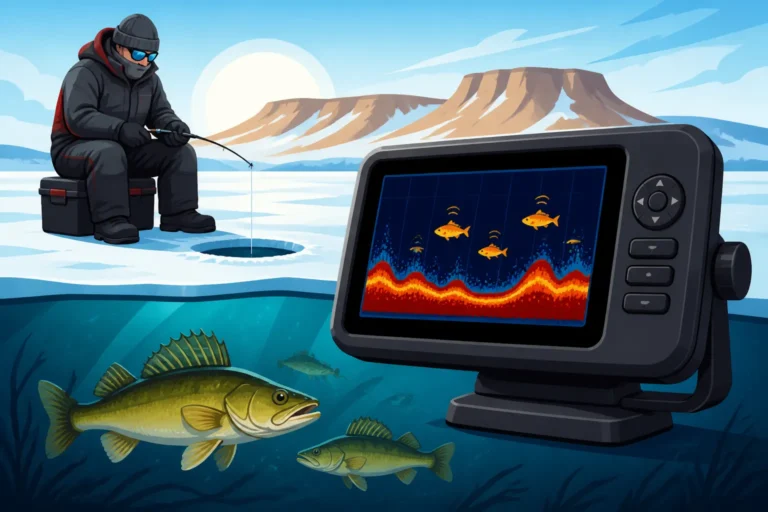
Ice fishing electronics, particularly flashers or specialized fish finders, have revolutionized the sport. These devices give you real-time feedback on fish presence, depth, and even how they react to your lure. A flasher displays a circular view of what's directly beneath your hole, showing your lure, fish, and the bottom in real-time. This allows you to adjust your presentation instantly based on how fish are responding. Brands like Vexilar, Humminbird, and Marcum are popular choices among North Dakota ice anglers. While not strictly "essential" for beginners, once you try a flasher, you'll likely never want to fish without one, as it dramatically increases your efficiency and success rate. How to Ice Fish in North Dakota offers more tips on using these tools.
Support Gear and Comfort Items
Beyond the core fishing and safety gear, a selection of support items can significantly enhance your comfort, convenience, and overall enjoyment of a North Dakota fishing trip. These are the details that often separate a good trip from a great one.
Coolers, Fillet Knives, and Fish Care
If you plan on keeping fish, proper fish care is essential to ensure a quality meal. A good cooler, insulated and robust, is a non-negotiable item. You'll need it to transport your catch from the boat or ice to your home, keeping the fish cold and fresh. Fill it with ice before you leave home. For keeping live bait, especially minnows, a separate aerated bait bucket is often necessary to keep them lively throughout the day. Check out our Best Coolers for Keeping Fish Fresh article for tips on selection.
A sharp fillet knife is crucial for processing your catch. There's nothing more frustrating than trying to clean fish with a dull blade. Many anglers carry both a traditional fillet knife and a portable electric fillet knife, which can make quick work of a pile of walleye or northern pike. Don't forget a sturdy cutting board and a clean rag or towel for cleaning up. Having a cooler dedicated to keeping your fillets on ice after cleaning, separate from your catch cooler, is also a good practice. Properly handled fish will taste much better and last longer.
Consider the environmental impact of your fish cleaning. If you're cleaning fish at a public access site, use designated cleaning stations if available. Otherwise, be mindful of proper disposal of entrails to avoid attracting wildlife or creating an unsightly mess. Some anglers prefer to clean all their fish at home to minimize their impact at the lake. Always dispose of fish waste responsibly and legally.
Tools, Lights, and First Aid
A small, well-stocked toolbox or "boat bag" with essential tools can save the day. This should include:
- Multi-tool or Pliers: Indispensable for a wide range of tasks, from fixing gear to removing stubborn hooks.
- Flashlight or Headlamp: Absolutely essential if you're fishing before dawn, after dusk, or just need to see in dark compartments. A headlamp keeps your hands free.
- Knife: A good utility knife for cutting line, opening packages, or general tasks.
- Small Screwdriver Set: For tightening loose screws on reels or boat components.
- Duct Tape: The universal fix-all for a reason!
- Zip Ties: Handy for securing items or temporary repairs.
A dedicated first aid kit is not just for emergencies, but also for common minor mishaps like cuts from hooks, scrapes from boat edges, or insect bites. Make sure it's waterproof and easily accessible. Include basics like bandages, antiseptic wipes, pain relievers, allergy medication, and any personal medications you might need. Knowing how to use the items in your first aid kit is just as important as having them.
Photography and Documentation
Catching a memorable fish is always a thrill, and most anglers want to capture that moment. While a simple smartphone camera works for quick snaps, if you're serious about your trophy photos, consider a waterproof digital camera or a protective case for your phone. Make sure it's easily accessible so you can get the shot quickly and release the fish unharmed. Always practice responsible fish handling for photos; support the fish horizontally, minimize its time out of water, and release it gently.
Beyond photos, documenting your trips can be incredibly rewarding. A small waterproof notebook and pen can be used to record details like:
- Date, time, and location
- Weather conditions (temperature, wind, cloud cover)
- Water temperature and clarity
- Lures or baits used and what worked
- Species caught, size, and approximate weight
- Memories and observations
This "fishing journal" can not only help you remember past trips but also provide valuable insights for future outings, helping you identify patterns and improve your success. It's a fantastic way to reflect on your adventures and deepen your understanding of the fishery. Plus, it’s a lot of fun to look back on years later.
Planning and Preparation: More Than Just Gear
While having the right gear is critical, the best equipment in the world won't guarantee success if you haven't done your homework and prepared mentally for your trip. Effective planning is the silent partner to your gear checklist.
Pre-Trip Checklist and Research
Before you even load the boat or pack your car, taking the time for a thorough pre-trip checklist can prevent countless headaches. This goes beyond just checking off gear items. It involves ensuring everything is in working order. Are your reel's drag systems smooth? Are your hooks sharp? Is your boat's fuel tank full? Did you remember to pack snacks and drinks? Simple oversight can derail a perfectly good day on the water.
Researching your chosen fishing spot is also invaluable. What species are prevalent there? What are the current water levels and conditions? Are there any recent fishing reports? Websites for the North Dakota Game and Fish Department often provide excellent resources, as do local bait shops and online fishing forums. Talking to local anglers or bait shop owners can provide up-to-the-minute insights that are more valuable than any piece of gear. Knowing the specific depths, structures, and common forage in a lake can help you select the most effective lures and techniques. For example, knowing the best spots for walleye on Lake Sakakawea in the spring can drastically improve your chances. Our guide on Best Fishing Lakes in North Dakota can provide a solid starting point for choosing your destination.
Consider the logistics of your trip. How long will it take to get there? Are there amenities nearby, like gas stations, bait shops, or restaurants? Do you have enough battery life for your electronics? Having a plan for charging phones or portable devices is also often overlooked. Think through the entire day, from leaving your home to returning, and anticipate any potential needs or challenges. This proactive approach will allow you to relax and enjoy your time on the water, rather than constantly scrambling to solve preventable issues.
Environmental Awareness and Conservation
As anglers, we are stewards of the natural resources we enjoy. Part of being prepared means understanding and embracing environmental awareness and conservation principles. This means more than just following regulations; it means practicing ethical angling. "Leave No Trace" is a good motto: pack out everything you pack in, and perhaps even pick up any trash you find along the way. Minimize your impact on the shoreline, vegetation, and wildlife.
Understanding fish handling and proper release techniques is also critical, especially if you plan to practice catch and release for certain species or if you catch an undersized fish. Handle fish gently with wet hands, support their weight horizontally, and release them quickly. For species with specific slot limits (where you can only keep fish within a certain size range), quick and careful handling ensures the fish you must release have the best chance of survival. Learning the difference between a walleye and a sauger, for instance, is not just about regulation but also about conservation of specific species.
Finally, stay informed about any environmental issues affecting North Dakota's waters, such as aquatic nuisance species outbreaks or water quality concerns. Being part of the solution means being educated and responsible. By combining a well-thought-out gear checklist with a strong commitment to preparation and conservation, you'll be ready for many memorable and successful fishing adventures across the beautiful state of North Dakota.
Disclaimer
This article is for general informational purposes only and does not constitute professional advice. Laws, prices and regulations vary by location and change over time. Consult a qualified professional for guidance on your specific situation.